
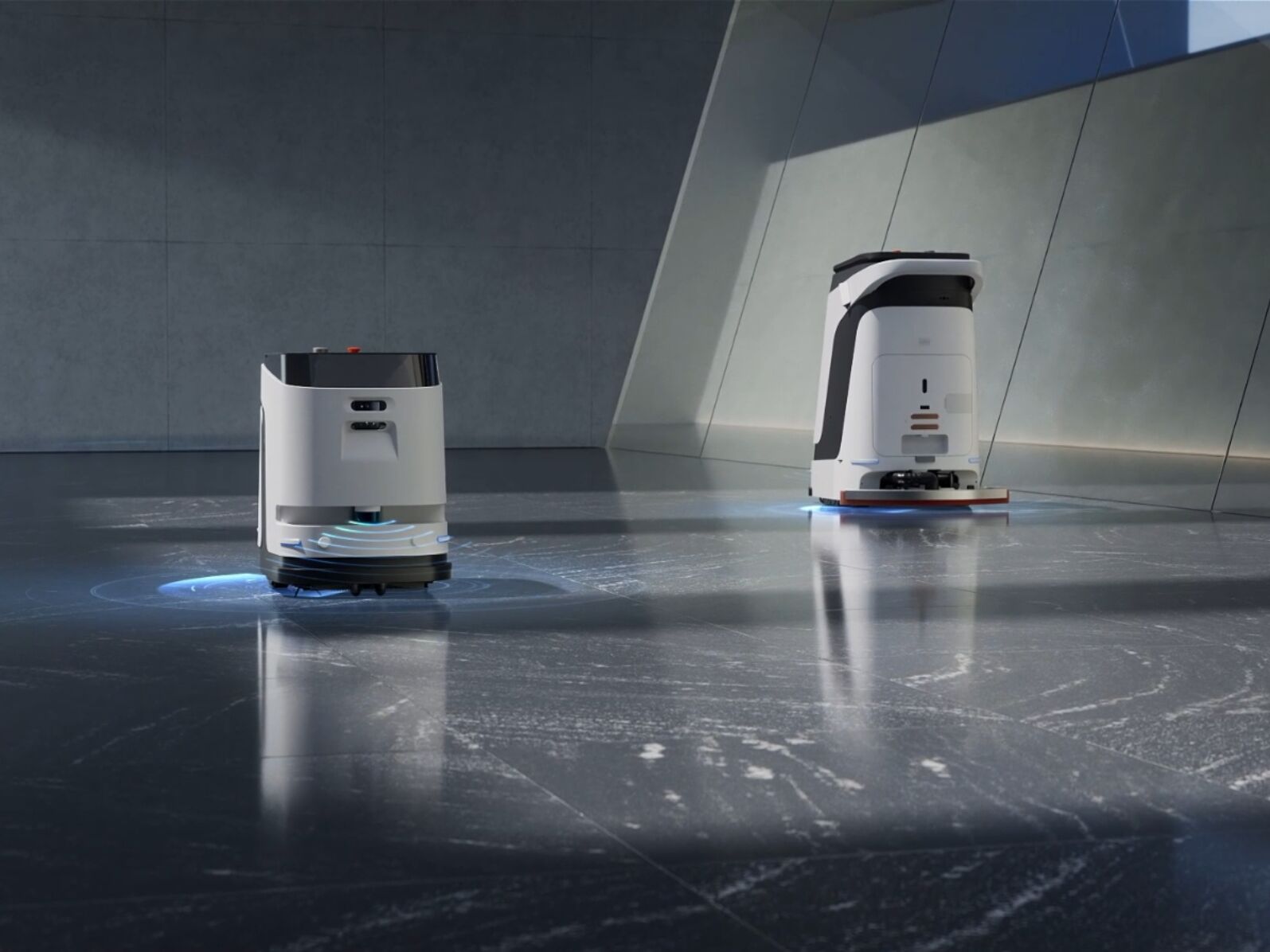
ההתפתחות של רובוטי הניקוי עברה את ייעודם המקורי – שימור ניקיון בסביבות מסחריות ותעשייתיות. היום, רובוטי הניקוי המתקדמים מייצגים פלטפורמות מתוחכמות לאיסוף נתונים שיכולות להפוך את הדרך שבה הארגונים מבינים ומממשים את אופטימיזציה של המרחבים التشغיליים שלהם. מכונות חכמות אלו אוספות תובנות ללא תקדים על דפוסי השימוש במבנה, על התנאים הסביבתיים ועל הדינמיקה המרחבית, תוך ביצוע פעולות הניקוי הראשיות שלהן, ויוצרות זרמי ערך כפולים שמרחיקים מאוד מעבודת הניקוי המסורתית.
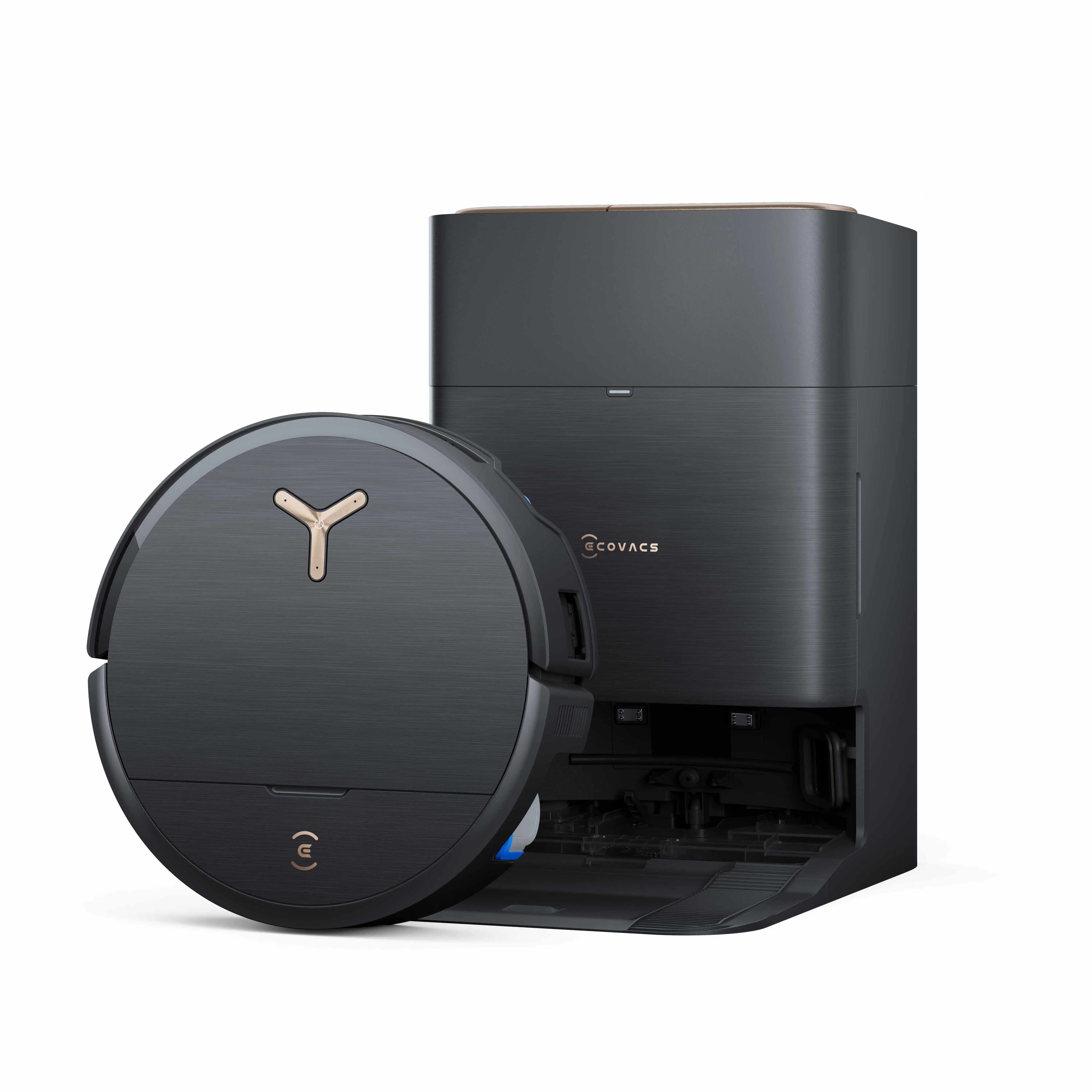
רובוטי ניקוי מודרניים שמצוידים ברשימות חיישנים מתקדמות, בינה מלאכותית ותכונות חיבור הופכים את פעולות התחזוקה השגרתיות למשימות מקיפות של אינטיליגנציה דאטית. על ידי ניצול התנועה הרציפה שלהם ברחבי המתקנים, מערכות רובוטיות אלו אוספות נתוני סביבה, עוקבות אחר ייעול השימוש במרחב, מפקחות על ביצועי הציוד ומזהות אי-יעילות תפעוליות שאלולות להישאר בלתי נראות למנהלי המתקנים ולמגישי ההחלטות הארגוניות. יכולת איסוף הנתונים הזו מייצגת העברה פרדיגמטית באופן שבו עסקים יכולים לשלוף אינטיליגנציה ניתנת לפעולת מהסביבה הפיזית שלהם.
טכנולוגיות חיישנים המאפשרות איסוף נתונים ברובוטי ניקוי
כלי מוניטין סביבתי
רובוטים ניקוי מודרניים משולבים חיישני סביבה מרובים המפקחים באופן מתמשך על פרמטרים של איכות האוויר, שינויי טמפרטורה, רמות לחות ולחץ אטמוספרי לאורך כל מסלולי הפעולה שלהם. חיישנים אלה מספקים נתונים סביבתיים בזמן אמת המסייעים למנהלי המתקן לזהות חוסר יעילות בקרת אקלים, לזהות בעיות איכות האוויר לפני שהן משפיעות על בריאות הנוסעים, ולשפר את ביצועי מערכת HVAC על בסיס דפוסי שימוש בפועל ולא חישובים תי
רובוטים ניקוי מתקדמים יכולים לזהות תרכובות אורגניות נעות, ריכוז חומרי חלקיק, ורמות פחמן דו חמצני, יצירת פרופילים סביבתיים מקיפים של אזורי מתקנים שונים. יכולת מעקב סביבתי זו מאפשרת תכנון תחזוקה פרואקטיבי, מזהה אזורים הדורשים אוורור משופר, ומסייע בהתאם לתקנות בטיחות במקום העבודה על ידי מתן נתונים של מעקב סביבתי מתמשך.
השילוב של חיישנים סביבתיים ברובוטי ניקוי מבטל את הצורך בציוד ניטור נפרד, תוך כדי שמספק כיסוי מקיף יותר מאשר מערכות ניטור ثابتות. פלטפורמות ניטור סביבתי ניידות אלו יכולות לזהות בעיות סביבתיות מקומיות, לעקוב אחר מקורות זיהום ולספק מגמות היסטוריות של נתונים סביבתיים שתומכות באסטרטגיות אופטימיזציה ארוכות טווח למבנים.
נתוני מיפוי חלל וניווט
רובוטי ניקוי מודרניים משתמשים בטכנולוגיית LiDAR מתוחכמת, מערכות ראייה ממוחשבת ואלגוריתמים של מיקום והצמדה בו-זמנית (SLAM) כדי ליצור מפות חלל מפורטות של תכנוני המבנים. נתוני המיפוי הללו מספקים תובנות חשובות על דפוסי השימוש במרחב, מזהים אזורים שאינם בשימוש מלא ועוקבים אחר שינויים בתכנון המבנים לאורך זמן.
הנתונים המרחביים שמאגרים רובוטי הניקוי כוללים מדידות מדויקות של ממדי החדרים, סידור הרהיטים, מיקומי המכשולים ותבניות זרימת התנועה. מידע זה תומך באיניציאטיבות לתכנון המרחב, עוזר לאופטימיזציה של תכנון המתקנים לשיפור היעילות, ומספק תיעוד מדויק של המתקנים שניתן להשתמש בו לתכנון חירום ולניהול נכסים.
חיישני הניווט ברובוטי הניקוי גם עוקבים אחר תבניות התנועה, מזהים אזורים שנגישים לעיתים תכופות, וצופים בשינויים בשימוש במתקנים שעשויים לרמז על צרכים מבצעיים חדשים או על שיקולי אבטחה. איסוף רציף של אינטליגנציה מרחבית זו ממיר את פעולות הניקוי השגרתיות למשימות מקיפות להערכה של המתקנים.
אינטליגנציה מבצעית באמצעות נתוני רובוטי ניקוי
ניתוח תבניות השימוש במתקנים
רובוטי ניקוי שמצוידים בחיישני זיהוי תנועה וביכולות מעקב אחר אזורים מספקים תובנות חסרות תקדים על האופן שבו אזורים שונים במתקנים משמשים באמת לאורך מחזורי הפעלה. על ידי מעקב אחר דפוסי הצטברות של אבק, הפצת שאריות ודרישות תדירות הניקוי, מערכות אלו חושפות את דפוסי השימוש האמיתיים שغالבًا מהווים סטייה משמעותית מניחויות התכנון התיאורטי של המתקנים.
יכולות איסוף הנתונים של רובוטי הניקוי מאפשרות לזהות את תקופות השיא בשימוש, את השינויים העונתיים בשימוש ובתבניות היעילות של צריכת המרחב לפי מחלקות. האינטליגנציה הזו תומכת בהחלטות מבוססות ראיות בנוגע להקצאת המרחב, אופטימיזציה של לוחות הזמנים של הניקוי ואסטרטגיות הקצאת המשאבים שמתאימות לשימוש בפועל במתקנים ולא לחיזויים המוערכים.
רובוטי ניקוי מתקדמים יכולים לקשר בין דרישות הניקוי לפעילויות, אירועים או ללוחות זמנים תפעוליים ספציפיים, ומספקים למנהלי המתקנים תובנות חיזוייות בנוגע לצרכים העתידיים בניקוי ובטrends בשימוש במרחבים. יכולת החיזוי הזו מאפשרת תכנון פרואקטיבי של משאבים ותומכת באסטרטגיות ניהול מתקנים יעילות יותר.
תובנות לגבי ביצועי הציוד ותחזוקתו
בכל סביבת המתקנים רובוטי ניקוי הרובוטים האלה
על ידי מעקב אחר מדדי הביצועים שלהם יחד עם תנאי הסביבה, רובוטי ניקוי יוצרים קבצי נתונים מקיפים שמאפשרים אסטרטגיות תחזוקה חיזויית הן למערכות הרובוטיות עצמן והן לציוד אחר במבנה. נתוני הביצועים הללו עוזרים לאופטימיזציה של לוחות הזמנים לתחזוקה, להפחתת תקלות ציוד בלתי צפויות ולتمוך את משך החיים הפעלי של תשתיות המבנה.
השילוב של יכולות מעקב אחר הביצועים ברובוטי ניקוי מאפשר הערכה מתמדת של יעילות הניקוי, זיהוי אזורים הדורשים תשומת לב מיוחדת ומעקב אחר ההשפעה של פרוטוקולי ניקוי שונים על סטנדרטי הניקיון הכללים במבנה. הגישה המנוהלת על-ידי נתונים זו לתכנון תחזוקת מבנים ממירה מודלים של תחזוקה ריאקטיבית לאסטרטגיות אופטימיזציה פרואקטיביות.
יישומים של בינה עסקית לנתוני רובוטי ניקוי
אופטימיזציה של היעילות האנרגטית
רובוטי ניקיון שמאגדים נתונים סביבתיים ושימושיים מספקים תובנות חשובות למשימות אופטימיזציה של ניהול האנרגיה. על ידי מעקב אחר שינויים בטמפרטורה, תנאי תאורה ותבניות כיבוש המרחב, מערכות אלו עוזרות לזהות הזדמנויות לצמצום הצריכה האנרגטית ללא פגיעה באפקטיביות הפעולה או ברמת הנוחות של התושבים.
יכולת המעקב הסביבתי הרציפה של רובוטי הניקיון מאפשרת זיהוי תבניות בזבוז אנרגיה, כגון חימום או קירור אזורים לא מיושמים, תאורה מופרזת באזורים שלא בשימוש או סדרי פעילות לא יעילים של מערכות HVAC. נתונים אלו תומכים בהחלטות מבוססות ראיות בניהול האנרגיה, שיכולות לצמצם באופן משמעותי את עלויות הפעילות תוך שמירה על תנאי עבודה אופטימליים.
רובוטי ניקוי מתקדמים יכולים לקשר בין דפוסי הצריכה האנרגטית לבין השימוש בפועל במתקנים, ומספקים למנהלי המתקנים מידע יישומי בנוגע לזמן ולמקום שבהם יבואו יוזמות אופטימיזציה אנרגטית להשפעה הגדולה ביותר. גישה ממוקדת זו לניהול אנרגיה מקסימה את התשואה על ההשקעה, תוך תמיכה במטרות העמידות التنظימיות.
מערכת ניטור אבטחה ובטיחות
היכולת להזדוז והיכולות החשיפיות של רובוטי הניקוי הופכות אותם לפלטפורמה יעילה לניטור מתמיד של אבטחה ובטיחות בכל סביבת המתקנים. מערכות אלו יכולות לזהות כניסה לא מורשית, לזהות סיכונים לבטיחות, לפקח על עמידה בפרוטוקולי הבטיחות ולספק התראות בזמן אמת על אירועים פוטנציאליים בתחום האבטחה או הבטיחות.
רובוטי ניקוי שמצוידים במערכות מצלמות וחיישני תנועה יכולים לפקח על האבטחה של המתקנים בשעות שלא פעילות, לעקוב אחר דפוסי הגישה לאזורים רגישים ולזהות פעילויות חריגות שיכולות לרמז על הפרת אבטחה או על סיכונים לביטחון. יכולת הפיקוח הרציפה הזו משלימה מערכות אבטחה מסורתיות ומספקת כיסוי פיקוח נייד שמתאים את עצמו לתנאי המתקנים המשתנים.
השתלבות возможויות פיקוח על הביטחון ברובוטי הניקוי מאפשרת זיהוי מוקדם של סיכוני החלקה, יציאות חירום חסומות, חומרים שמאוחסנים באופן לא תקין וסיכונים אחרים לביטחון שעשויים להישאר בלתי מוזהים עד שיגרמו לתאונות. פיקוח זה על הביטחון באופן פרואקטיבי תומך בהיענות לתקנות הביטחון במקום העבודה ועוזר למנוע תאונות לפני שהן מתרחשות.
מסגרות אינטגרציה של נתונים ואנליזה
מערכות ניהול מרכזי של נתונים
פוטנציאל איסוף הנתונים של רובוטי ניקוי דורש תשתית מתקדמת لإدارة נתונים שיכולה לשלב מידע מיחידות רובוטיות מרובות, לקשר זרמי נתונים מסנсорים שונים ולספק תובנות שניתן לפעול עליהן לצוותי ניהול המתקנים. רובוטי ניקוי מודרניים מחוברים לפלטפורמות מרכזיות לנתונים שמאגדות את האינטליגנציה הפעילה ותומכות ביישום יישומים מתקדמים לאנליזה.
מערכות ניהול נתונים יעילות עבור רובוטי ניקוי כוללות יכולות זרימת נתונים בזמן אמת, פונקציות לאחסון וניתוח נתונים היסטוריים וממשקים לאינטגרציה שמחברים את נתוני הרובוטים למערכות אחרות לניהול מתקנים. גישה משולבת זו מקסימה את הערך של הנתונים שנאספו, תוך הבטחת התאמה לטכנולוגיית המידע הקיימת בארגון.
הטמעת מסגרות ניהול נתונים מקיפות מאפשרת לרובוטים לניקוי לתרום ליוזמות אינטליגנציה עסקית בארגון כולו, ותומכת בתהליכי קבלת החלטות אסטרטגיות שמתפשטים הרבה מעבר לניהול מתקנים. אינטגרציה זו ממירה את רובוטי הניקוי מכלי פעולה לנכסים אסטרטגיים של אינטליגנציה עסקית.
יישומים של אנליטיקה חיזויית ולמידת מכונה
יכולות האיסוף הרחבות של נתונים על ידי רובוטי ניקוי מהוות את היסוד ליישומי אנליטיקה חיזויית מתקדמים שיכולים לחזות צרכים בשימור מתקנים, לחזות כשלים בציוד ולשפר תהליכים מבוצעים על סמך דפוסים היסטוריים ותנאים בזמן אמת. אלגוריתמי למידת מכונה יכולים לזהות דפוסים עדינים בנתונים שמרובוטים שעשויים לפספס אנליסטים אנושיים.
יישומים של אנליטיקת חיזוי לנתוני רובוטי ניקוי כוללים תחזית דרישות ניקוי על סמך דפוסי השימוש, תחזית ללוחות זמנים אופטימליים לתיקון ותחזוקה של ציוד המתקנים, וזיהוי מגמות צומחות שעלולות להשפיע על פעולות המתקנים. יכולות החיזוי הללו מאפשרות אסטרטגיות ניהול פרואקטיביות שמביאות לצמצום עלויות ושיפור היעילות הפעולה.
יכולות הלמידה הרציפה של מערכות למידת מכונה מבטיחות שדיוק החיזוי ישתפר עם הזמן ככל שרובוטי הניקוי אוספים יותר נתונים ונתקלים בתרחישים פועלים שונים. הגישה האבולוציונית הזו לניתוח נתונים ממקסמת את הערך הארוך טווח של ההשקעות באיסוף נתונים על ידי רובוטים.
אשכולות יישום לתכניות רובוטי ניקוי מבוססות נתונים
בחירת טכנולוגיה ותכנון אינטגרציה
יישום מוצלח של תוכניות איסוף נתונים באמצעות רובוטי ניקוי דורש בחירה זהירה של מערכות רובוטיות עם יכולות חיישנים מתאימות, עוצמת עיבוד נתונים ותכונות חיבור. הארגונים חייבים להעריך את מטרות איסוף הנתונים הספציפיות שלהם ולדאוג שרובוטי הניקוי שנבחרו יוכלו לתמוך הן בצרכים التشغיליים המיידיים והן במטרות האינטליגנציה העסקיית לטווח הארוך.
השלב של שילוב רובוטי ניקוי למערכות ניהול המתקנים הקיימות ולמערכות האינטליגנציה העסקית דורש תכנון זהיר כדי להבטיח תאימות נתונים, התאמה בין המערכות וקלות הגישה של המשתמשים. תהליך התכנון הזה צריך לכלול הערכת דרישות אחסון נתונים, קיבולת תשתיות הרשת והצרכים בהכשרת הצוות לשימוש יעיל בנתונים.
החלטות לבחירת הטכנולוגיה צריכות לקחת בחשבון את היכולת להרחיב מערכות איסוף נתונים רובוטיות, כדי להבטיח שמערכות יישום ראשוניות יוכלו להתרחב כדי לספק צרכים גדלים לאיסוף נתונים ודרישות מתחדשות של בינה עסקית. גישה קדימה זו מקסמת את התשואה על ההשקעה תוך תמיכה במטרות הצמיחה הארגונית.
נושאי ממשלת הנתונים והפרטיות
יישום תוכניות איסוף נתונים באמצעות רובוטים לניקוי חייב להתמודד עם דרישות ממשלת הנתונים, פרוטוקולי הגנת הפרטיות והתחייבות לתאמוּת לתקנות. לארגונים נדרשים מדיניות ברורות בנוגע לטווח איסוף הנתונים, תקופות השמירה על הנתונים והגבלות על שיתוף הנתונים, כדי להבטיח שימוש אחראי ביכולות הבינה הרובוטית.
היבטים של פרטיות באיסוף נתונים על ידי רובוטי ניקוי כוללים הגנה על פרטיות העובדים, סודיות המבקרים והמידע העסקי הroprietary. מסגרות ניהול נתונים יעילות מתקינות הנחיות ברורות בנוגע לסוגי הנתונים שיכולים לאוסף, לאיך ניתן להשתמש בהם ולמי יש גישה לסוגי מידע מסוימים.
דרישות התאמה לתקנות באיסוף נתונים על ידי רובוטי ניקוי משתנות בהתאם לתעשייה ולסמכות המשפטית, ודורשות הערכה זהירה של התקנות החלות ותפעול של אמצעי הגנה מתאימים על הנתונים. דגש זה על התאמה מבטיח שתוכניות איסוף הנתונים תומכות במטרות העסקיות ללא יצירת סיכונים משפטיים או רגולטוריים.
שאלה נפוצה
אילו סוגי נתונים יכולים רובוטי ניקוי מודרניים לאסוף במהלך פעולתם?
רובוטי ניקוי מודרניים יכולים לאסוף נתונים סביבתיים, כולל טמפרטורה, רטיבות, מדדי איכות האוויר ותנאי תאורה. הם גם אוספים מידע מרחבי באמצעות חיישני מיפוי, עוקבים אחר דפוסי השימוש במבנה באמצעות ניתוח הפצת שאריות ואבק, מפקחים על מדדי ביצועי הציוד ומאחסנים נתונים תפעוליים בנוגע ליעילות הניקוי שלהם ולצרכי התיקון והתחזוקה שלהם.
איך איסוף הנתונים על ידי רובוטי ניקוי משתווה לשיטות המסורתיות לניטור מבנים?
רובוטי ניקוי מספקים איסוף נתונים מתמיד ונייד שמכסה את כל שטחי המבנה, בניגוד לנקודות ניטור קבועות. הם אוספים נתונים במהלך הפעולות הרגילות ללא צורך בתשתיות נוספות או בציוד ניטור מיועד. גישה זו מספקת כיסוי מקיף יותר, מפחיתה את עלויות ההתקנה ויוצרת נתונים שמתאימים ישירות לדפוסי השימוש בפועל במבנה.
מה היתרונות העסקיים העיקריים של שימוש ברובוטי ניקוי לאיסוף נתונים?
הטבות העסקיות העיקריות כוללות שיפור יעילות האנרגיה באמצעות אופטימיזציה המבוססת על השימוש, שיפור תחזוקת המתקנים באמצעות תובנות חיזוייות, תכנון טוב יותר של ניצול השטח בהתבסס על נתוני השימוש בפועל, הפחתת עלויות הפעלה באמצעות תכנון תחזוקה פרואקטיבי, ושיפור תהליך קבלת ההחלטות בתמיכה באינטליגנציה מקיפה של המתקנים במקום בהנחות או דגימה מוגבלת.
אילו דרישות תשתית נדרשות כדי לתמוך באיסוף נתונים מרובוטי הניקיון?
לארגונים יש צורך בחיבור רשת אלחוטית מהימן בכל אזורים של המתקן, מערכות מרכזיות لإدارة נתונים המסוגלות לעבד ולשמור זרמי נתונים מרובוטיים, יכולות אינטגרציה עם תוכנות ניהול המתקנים הקיימות, קיבולת אחסון נתונים מספקת לניתוח היסטורי, והכשרת צוות כדי לנצל ביעילות את האינטליגנציה שנאספה לצורך קבלת החלטות בתחום הפעילות.