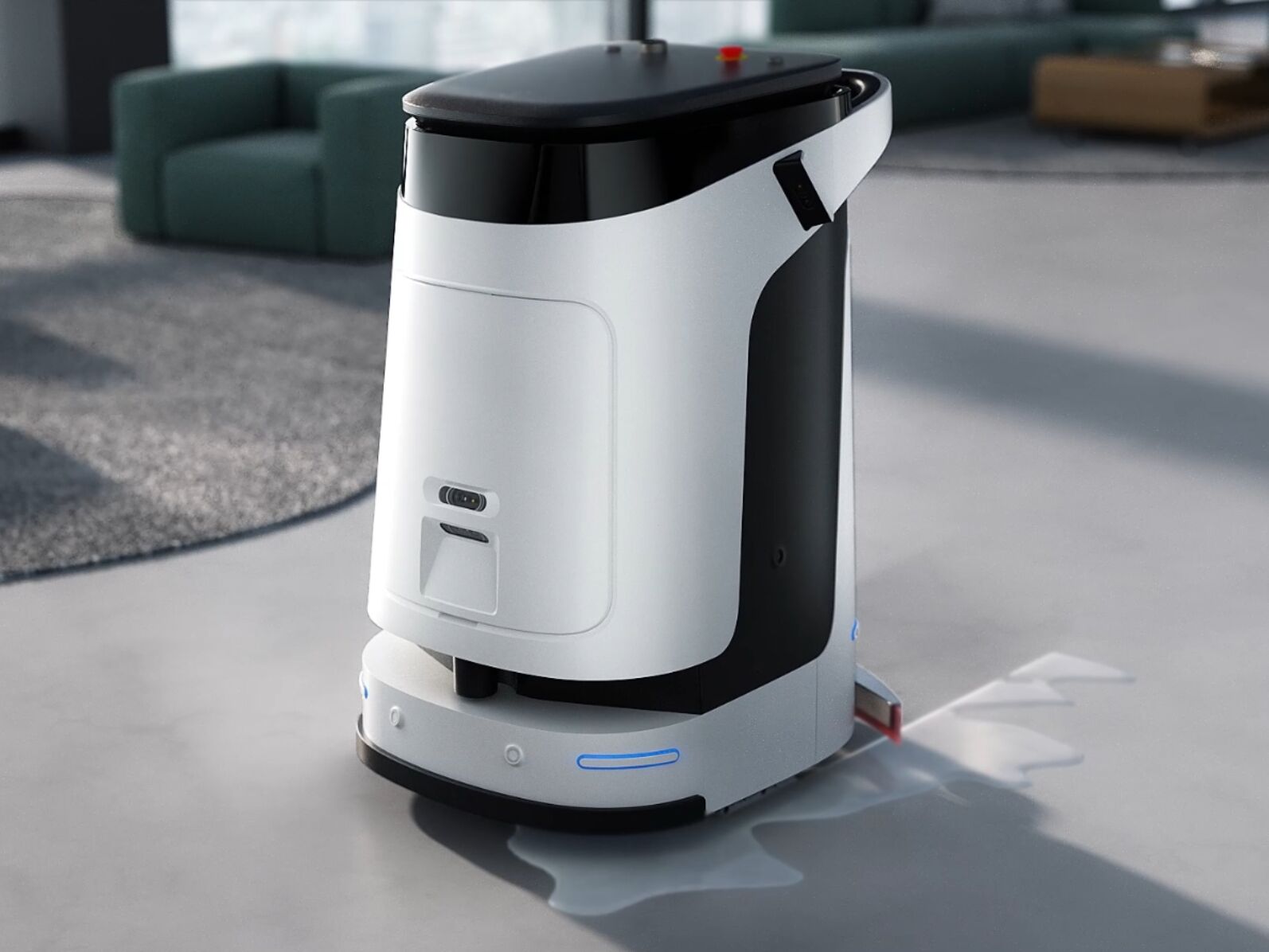
Maksymalizacja wydajności swojej komercyjnej odkurzacz Podłogowy wydajność maszyny zależy od wdrażania sprawdzonych strategii, które zmniejszają koszty operacyjne, zapewniając przy tym doskonałe rezultaty czyszczenia. Właściciele firm i zarządzający obiektami, którzy rozumieją te zasady efektywności, mogą wydłużyć żywotność sprzętu, zminimalizować przestoje oraz osiągnąć spójne standardy czyszczenia na dużych powierzchniach komercyjnych.
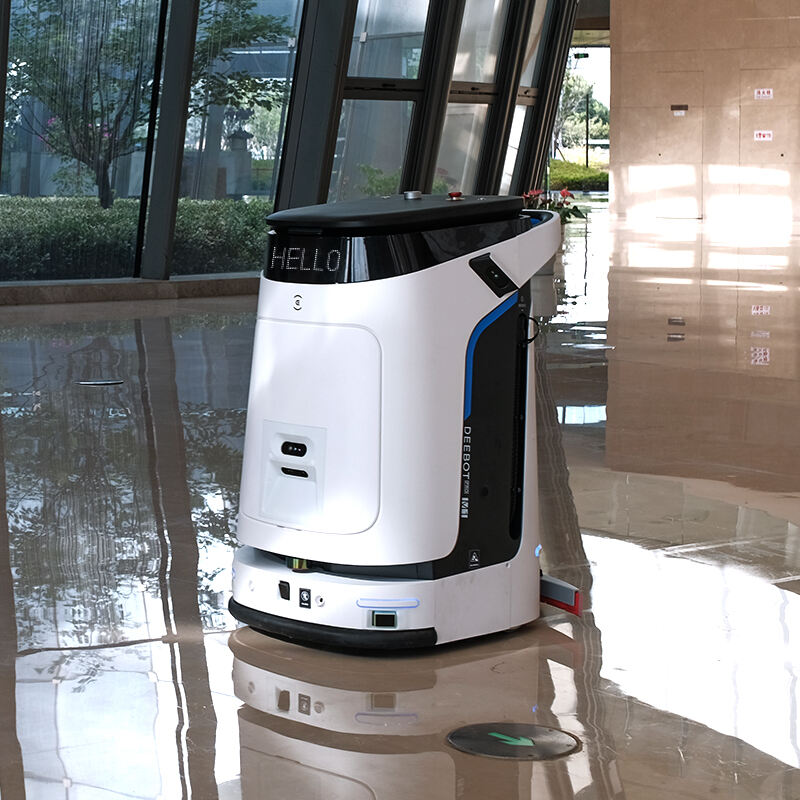
Kluczem do optymalizacji komercyjna myjarke podlogowa wydajności maszyny jest zrozumienie, w jaki sposób harmonogramy konserwacji, techniki eksploatacji oraz integracja technologii współpracują ze sobą, przynosząc mierzalne poprawy wydajności czyszczenia. Gdy obiekty wdrażają systemowe podejście do efektywności, zwykle odnotowują skrócenie czasu czyszczenia o 30–40%, uzyskując jednocześnie lepsze wyniki sanitarno-higieniczne.
Przygotowanie do pracy – zapewnienie efektywności
Inspekcja i przygotowanie sprzętu
Efektywność komercyjnej maszyny do mycia podłóg zaczyna się od dokładnych inspekcji przed rozpoczęciem pracy, które pozwalają zidentyfikować potencjalne problemy wpływające na wydajność jeszcze przed rozpoczęciem cyklu czyszczenia. Obsługujący powinni systematycznie sprawdzać poziom roztworu w zbiorniku, stan szczotek, ustawienie ostrza gumiaka oraz poziom naładowania akumulatora, aby zapewnić optymalną wydajność przez cały czas trwania cyklu czyszczenia.
Prawidłowy dobór pędzla ma bezpośredni wpływ maszyna do mycia podłóg handlowych efektywność poprzez dopasowanie typu szczotki do konkretnych powierzchni podłogi oraz rodzaju zabrudzeń. Szczotki twarde skutecznie działają na teksturze betonowej, podczas gdy szczotki miękkie zapobiegają uszkodzeniom polerowanych podłóg i powierzchni zabezpieczonych warstwą ochronną. Nieodpowiedni wybór szczotki może obniżyć skuteczność czyszczenia nawet o 50%, jednocześnie zwiększając zużycie zarówno szczotek, jak i powierzchni podłogi.
Dostosowanie stężenia roztworu do poziomu zanieczyszczenia podłoża i typu podłogi stanowi inny kluczowy czynnik wpływający na wydajność komercyjnych maszyn do mycia podłóg. Zbyt stężony roztwór powoduje marnotrawstwo środków chemicznych oraz nadmierną ilość piany, która zakłóca działanie systemów odbioru brudu, natomiast zbyt rozcieńczony roztwór wymaga wielokrotnego przejścia maszyny w celu osiągnięcia akceptowalnego efektu czyszczenia.
Planowanie trasy i przygotowanie obszaru
Strategiczne planowanie trasy maksymalizuje wydajność komercyjnych maszyn do mycia podłóg poprzez minimalizację czasu przemieszczania się między obszarami czyszczonymi oraz ograniczenie liczby zmian kierunku podczas pracy. Skuteczne planowanie trasy uwzględnia wzorce ruchu pieszych i pojazdów, położenie przeszkód oraz optymalne schematy nachodzenia śladów, które zapewniają pełne pokrycie obszaru bez konieczności powtarzania czyszczenia.
Działania przygotowawcze obszaru, takie jak usuwanie luźnego brudu, przesuwanie przesuwnych przeszkód oraz wstępną obróbkę silnie zabrudzonych miejsc, znacząco wpływają na wydajność komercyjnych maszyn do mycia podłóg. Obiekty stosujące systematyczne procedury wstępnego czyszczenia osiągają zwykle czas czyszczenia o 25% krótszy niż te, które próbują czyścić wokół przeszkód i brudu.
Koordynacja komunikacji między personelem czyszczącym a użytkownikami obiektu zapobiega przerwom, które obniżają wydajność komercyjnych maszyn do mycia podłóg. Zaplanowane okna czyszczenia w okresach niskiego ruchu pozwalają na ciągłą pracę bez konieczności zatrzymywania się ze względu na bezpieczeństwo pieszych lub inne zakłócenia operacyjne.
Optymalizacja technik eksploatacji
Kontrola prędkości i wzoru pracy
Optymalna prędkość przemieszczania zapewnia równowagę między dokładnością czyszczenia a wydajnością operacyjną, maksymalizując efektywność komercyjnych maszyn do mycia podłóg. W większości zastosowań komercyjnych najlepsze wyniki uzyskuje się przy prędkościach w zakresie 2–3 mph, co zapewnia wystarczający czas działania środków chemicznych przy jednoczesnym utrzymaniu wydajnego tempa czyszczenia na dużych powierzchniach.
Stałe wzory nachodzenia pasów zapewniają całkowite usunięcie brudu bez marnowania czasu na nadmierną, powtarzającą się obsługę. Profesjonalni operatorzy utrzymują nachodzenie pasów na poziomie 2–3 cali, aby zagwarantować efektywność komercyjnych maszyn do mycia podłóg oraz zapobiec pozostawianiu smug lub nieoczyszczonych miejsc, które wymagałyby dodatkowych cykli czyszczenia.
Kierunkowe wzory czyszczenia dopasowane do geometrii pomieszczenia i rozkładu zabrudzeń zwiększają wydajność komercyjnych maszyn do mycia podłóg poprzez stosowanie logicznych sekwencji, które minimalizują ilość skrętów i poruszanie się wstecz. W pomieszczeniach prostokątnych najkorzystniejsze są przejścia równoległe wzdłuż najdłuższego wymiaru, podczas gdy w przestrzeniach nieregularnych wymagane są zmodyfikowane wzory uwzględniające cechy architektoniczne.
Zarządzanie roztworem i jego odzyskiwanie
Aktywny monitoring przepływu roztworu zapewnia stałą skuteczność czyszczenia w całym cyklu pracy. Wydajność komercyjnych maszyn do mycia podłóg uzależniona jest od utrzymania odpowiednich stawek aplikacji roztworu, zapewniających wystarczający czas kontaktu chemicznego bez nadmiernego nasycania powierzchni podłogi.
Optymalizacja systemu odzyskiwania obejmuje regulację nacisku gumiaka, jego kąta nachylenia oraz poziomu próżni, aby osiągnąć pełne odzyskanie roztworu już w pierwszym przejściu. Słaba skuteczność odzyskiwania zmusza operatorów do wykonywania dodatkowych przejść, co obniża wydajność komercyjnych maszyn do mycia podłóg i niepotrzebnie wydłuża czas czyszczenia.
Monitorowanie w czasie rzeczywistym poziomu płynu w zbiornikach zapobiega przerwom w działaniu, które pogarszają wydajność komercyjnych maszyn do mycia podłóg. Operatorzy, którzy regularnie sprawdzają poziom płynu w zbiornikach i strategicznie planują postoje do uzupełniania zbiorników, zapewniają ciągłą produktywność bez nagłych zatrzymań ani nieukończonych cykli czyszczenia.
Konserwacja i monitorowanie wydajności
Harmonogram konserwacji zapobiegawczej
Systematyczne programy konserwacji zapobiegawczej utrzymują wydajność komercyjnych maszyn do mycia podłóg poprzez wymianę zużywających się elementów jeszcze przed wystąpieniem pogorszenia parametrów roboczych lub awarii eksploatacyjnych. Codzienne czynności konserwacyjne obejmują czyszczenie zbiorników, kontrolę szczotek oraz sprawdzanie stanu krawędzi gumiowych skrobaków, co zapobiega stopniowemu spadkowi wydajności.
Tygodniowe procedury konserwacyjne, takie jak konserwacja akumulatorów, czyszczenie filtrów oraz smarowanie elementów mechanicznych, wspierają długotrwałą wydajność komercyjnych maszyn do mycia podłóg poprzez zapobieganie gromadzeniu się brudu oraz zapewnienie płynnego działania ruchomych części. Wykonanie tych procedur zwykle trwa od 30 do 45 minut, ale pozwala uniknąć godzin przestoju spowodowanych awariami, których można było łatwo uniknąć.
Miesięczne kompleksowe inspekcje pozwalają zidentyfikować powstające problemy, które mogłyby w czasie wpłynąć na wydajność komercyjnych maszyn do mycia podłóg. Inspekcje te obejmują połączenia elektryczne, układy hydrauliczne, mechanizmy napędowe oraz elementy konstrukcyjne wymagające okresowej kontroli w celu utrzymania najwyższych standardów wydajności.
Analiza danych dotyczących wydajności
Systematyczne śledzenie czasów czyszczenia, zużycia środków chemicznych oraz zużycia energii zapewnia ilościowe miary poprawy wydajności komercyjnych maszyn do mycia podłóg. Obiekty prowadzące rejestry wydajności mogą identyfikować trendy, optymalizować procedury oraz udowadniać kierownictwu wartość inicjatyw związanych z poprawą wydajności.
Analiza porównawcza pomiędzy różnymi operatorami, zmianami lub obszarami czyszczenia ujawnia możliwości poprawy wydajności komercyjnych maszyn do mycia podłóg poprzez szkolenia, modyfikacje procedur lub dostosowanie sprzętu. Takie oparte na danych podejście zapewnia ciągłą poprawę operacji czyszczących.
Obliczenia kosztu za metr kwadratowy pomagają obiektom ocenić wydajność komercyjnych maszyn do mycia podłóg w kategoriach finansowych, które wspierają decyzje budżetowe oraz planowanie wymiany sprzętu. Do tych obliczeń powinny być włączone koszty pracy, środków czyszczących, energii oraz konserwacji, aby zapewnić dokładną ocenę wydajności.
Integracja technologiczna i automatyzacja
Inteligentne systemy sterowania
Zaawansowane systemy sterowania zwiększają wydajność komercyjnych maszyn do mycia podłóg poprzez automatyczne dostosowania w oparciu o stopień zabrudzenia, rodzaj podłogi oraz warunki środowiskowe. Systemy te optymalizują przepływ roztworu, nacisk szczotek oraz poziom ssania bez ingerencji operatora, zapewniając spójną wydajność w różnych warunkach.
Możliwości cyfrowego monitoringu zapewniają informacje w czasie rzeczywistym na temat wskaźników wydajności komercyjnych maszyn do mycia podłóg, takich jak tempo pokrywania powierzchni, zużycie środków czyszczących oraz zużycie energii. Te dane umożliwiają natychmiastowe korekty w celu zoptymalizowania wydajności oraz identyfikacji obszarów wymagających szkolenia operatorów.
Programowalne sekwencje czyszczenia pozwalają obiektom na standaryzację procedur, które maksymalizują wydajność komercyjnych maszyn do mycia podłóg, jednocześnie zmniejszając wymagania szkoleniowe dla operatorów. Wstępnie zaprogramowane ustawienia zapewniają spójne rezultaty niezależnie od poziomu doświadczenia poszczególnych operatorów.
Analiza danych i raportowanie
Zintegrowane systemy zbierania danych automatycznie śledzą metryki wydajności komercyjnych maszyn do mycia podłóg, dostarczając szczegółowych raportów dotyczących produktywności, zużycia zasobów oraz potrzeb konserwacji. Te systemy eliminują konieczność ręcznego prowadzenia dokumentacji, zapewniając przy tym bardziej dokładne i kompleksowe dane dotyczące wydajności.
Możliwości analityki predykcyjnej pozwalają identyfikować wzorce w danych dotyczących wydajności komercyjnych maszyn do mycia podłóg, wskazujące optymalny moment przeprowadzenia konserwacji, korekt działania oraz planowania wymiany sprzętu. Takie proaktywne podejście zapobiega utracie wydajności wynikającej z powstających problemów oraz wydłuża okres użytkowania urządzeń.
Chmurowe platformy raportujące umożliwiają zdalne monitorowanie wydajności komercyjnych maszyn do mycia podłóg w wielu lokalizacjach, wspierając ustandaryzowane procedury oraz scentralizowane zarządzanie wynikami. Zarządca obiektu może porównywać wyniki działania poszczególnych lokalizacji i wprowadzać najlepsze praktyki w całym przedsiębiorstwie.
Analiza kosztów i korzyści oraz pomiar zwrotu z inwestycji (ROI)
Ocena inwestycji w zakresie wydajności
Kompleksowa analiza kosztów i korzyści związanych z poprawą wydajności komercyjnych maszyn do mycia podłóg uwzględnia początkowe koszty inwestycyjne w stosunku do długoterminowych oszczędności wynikających z redukcji nakładów pracy, zużycia środków chemicznych oraz kosztów konserwacji. Większość inicjatyw dotyczących wydajności generuje dodatni zwrot z inwestycji (ROI) w ciągu 12–18 miesięcy dzięki mierzalnym ulepszeniom operacyjnym.
Zyski w zakresie produktywności pracy stanowią największą część korzyści wynikających z poprawy wydajności komercyjnych maszyn do mycia podłóg, zwykle odpowiadając za 60–70% całkowitych oszczędności. Obiekty wprowadzające systemowe programy zwiększania wydajności osiągają często skrócenie czasu codziennego czyszczenia dużych przestrzeni komercyjnych o 2–3 godziny.
Zmniejszenie zużycia chemikaliów i energii przyczynia się do dodatkowych oszczędności, które wzmocniają ogólną wartość inwestycji w podnoszenie efektywności komercyjnych maszyn do mycia podłóg. Zoptymalizowane zastosowanie chemikaliów pozwala zwykle na obniżenie kosztów o 15–25%, a poprawa efektywności energetycznej redukuje wydatki operacyjne.
Realizacja długoterminowej wartości
Zwiększenie trwałości sprzętu wynika z poprawy efektywności komercyjnych maszyn do mycia podłóg dzięki zmniejszeniu zużycia i obciążenia elementów mechanicznych. Sprzęt prawidłowo konserwowany i eksploatowany zwykle działa o 2–3 lata dłużej niż sprzęt poddawany nieefektywnym praktykom eksploatacyjnym.
Poprawa jakości czyszczenia wynikająca z podniesienia efektywności komercyjnych maszyn do mycia podłóg wspiera lepszy wygląd obiektu, ogranicza ryzyko dla zdrowia oraz zwiększa satysfakcję użytkowników. Te korzyści jakościowe przyczyniają się do ogólnej wartości obiektu oraz jego operacyjnego sukcesu.
Zmniejszenie wpływu na środowisko poprzez zoptymalizowaną wydajność maszyn do mycia podłóg komercyjnych wspiera cele zrównoważonego rozwoju i może kwalifikować obiekty do certyfikatów budownictwa zielonego lub programów uznania środowiskowego. Te osiągnięcia mogą przynieść korzyści marketingowe oraz ułatwić spełnienie wymogów regulacyjnych.
Często zadawane pytania
Jak często należy wykonywać czynności konserwacyjne, aby utrzymać wydajność maszyny do mycia podłóg komercyjnych?
Codzienne czynności konserwacyjne, takie jak czyszczenie zbiorników i kontrola szczotek, powinny być wykonywane po każdym użytkowaniu w celu utrzymania maksymalnej wydajności maszyny do mycia podłóg komercyjnych. Tygodniowe zadania obejmują konserwację akumulatora i czyszczenie filtrów, natomiast miesięczne kompleksowe przeglądy zapewniają długotrwałą wydajność. Przestrzeganie zaleceń producenta oraz prowadzenie szczegółowych dzienników konserwacji pomaga zoptymalizować wydajność i zapobiega nieplanowanym przestojom.
Które czynniki mają największy wpływ na wydajność maszyny do mycia podłóg komercyjnych w dużych obiektach?
Planowanie trasy i przygotowanie obszaru mają największy wpływ na wydajność komercyjnych maszyn do mycia podłóg w dużych obiektach. Systematyczne planowanie trasy może skrócić czas czyszczenia o 25–30%, podczas gdy prawidłowe przygotowanie obszaru eliminuje przestoje i umożliwia nieprzerwaną pracę. Szkolenie operatorów oraz regularne harmonogramy konserwacji również znacząco wpływają na osiągane wyniki wydajności w ramach dużych operacji czyszczących.
Czy funkcje zautomatyzowane mogą poprawić wydajność komercyjnych maszyn do mycia podłóg w porównaniu z ręcznym użytkowaniem?
Funkcje zautomatyzowane zazwyczaj poprawiają wydajność komercyjnych maszyn do mycia podłóg o 15–25% dzięki zoptymalizowanemu dozowaniu środka czyszczącego, spójnym wzorom czyszczenia oraz ograniczeniu zmienności wynikającej z działania operatora. Największe korzyści w zakresie wydajności osiąga się jednak poprzez połączenie zautomatyzowanych funkcji ze szkoleniem operatorów, systematyczną konserwacją oraz strategicznymi procedurami operacyjnymi, a nie wyłącznie poprzez poleganie na funkcjach zautomatyzowanych.
Jakie metody pomiaru zapewniają najbardziej dokładną ocenę poprawy wydajności komercyjnych maszyn do mycia podłóg?
Studia czasowo-ruchowe w połączeniu z obliczeniami kosztów przypadających na jednostkę powierzchni (koszt za metr kwadratowy) zapewniają najbardziej dokładną ocenę poprawy wydajności komercyjnych maszyn do mycia podłóg. Rejestruj czas czyszczenia, zużycie środków chemicznych, zużycie energii oraz koszty konserwacji przez dłuższy okres, aby ustalić wyjściowy poziom wydajności i zmierzyć osiągnięte efekty poprawy. Systemy cyfrowego monitoringu mogą zautomatyzować zbieranie danych, co pozwala na bardziej dokładną i kompleksową analizę wydajności.
Spis treści
- Przygotowanie do pracy – zapewnienie efektywności
- Optymalizacja technik eksploatacji
- Konserwacja i monitorowanie wydajności
- Integracja technologiczna i automatyzacja
- Analiza kosztów i korzyści oraz pomiar zwrotu z inwestycji (ROI)
-
Często zadawane pytania
- Jak często należy wykonywać czynności konserwacyjne, aby utrzymać wydajność maszyny do mycia podłóg komercyjnych?
- Które czynniki mają największy wpływ na wydajność maszyny do mycia podłóg komercyjnych w dużych obiektach?
- Czy funkcje zautomatyzowane mogą poprawić wydajność komercyjnych maszyn do mycia podłóg w porównaniu z ręcznym użytkowaniem?
- Jakie metody pomiaru zapewniają najbardziej dokładną ocenę poprawy wydajności komercyjnych maszyn do mycia podłóg?