
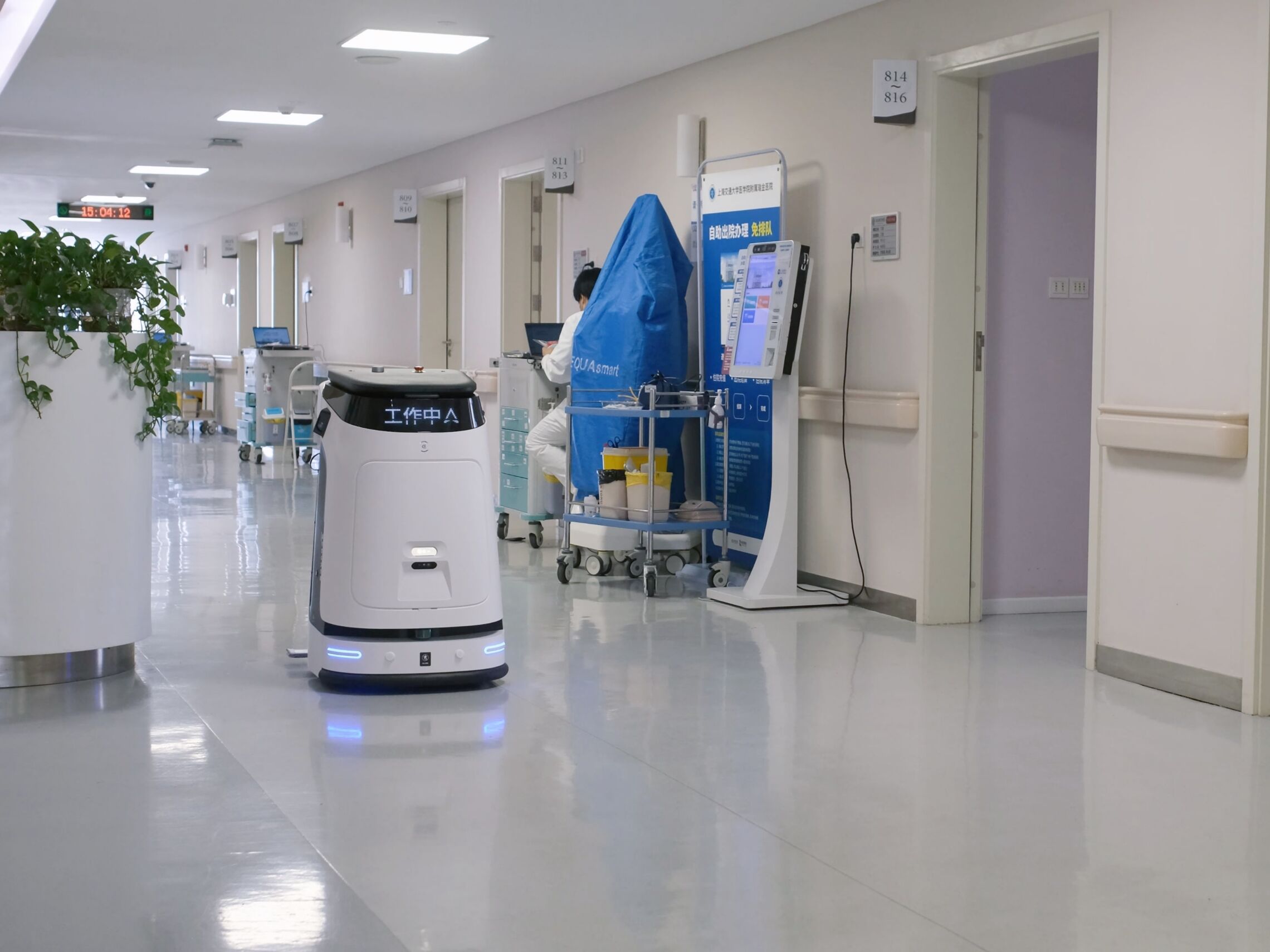
Przemysł czyszczenia komercyjnego przeżywa dramatyczną transformację, ponieważ obiekty z różnych sektorów coraz częściej wdrażają technologie automatyzacji w celu rewolucji w zakresie operacji konserwacyjnych. Ten przeskok oznacza znacznie więcej niż tylko uaktualnienie technologiczne – odzwierciedla on podstawową zmianę w sposobie, w jaki organizacje podejmują zarządzanie obiektami, zapewniają efektywność oraz osiągają doskonałość operacyjną. W miarę jak tradycyjne metody czyszczenia napotykają trudności w spełnianiu rosnących wymogów nowoczesnych obiektów, odkurzacze i urządzenia czyszczące robota stają się rozwiązaniem problemów związanych z niedoborem pracowników, presją kosztową oraz wyzwaniami w zakresie zapewnienia spójnej jakości, które od dawna utrudniają funkcjonowanie tego sektora.
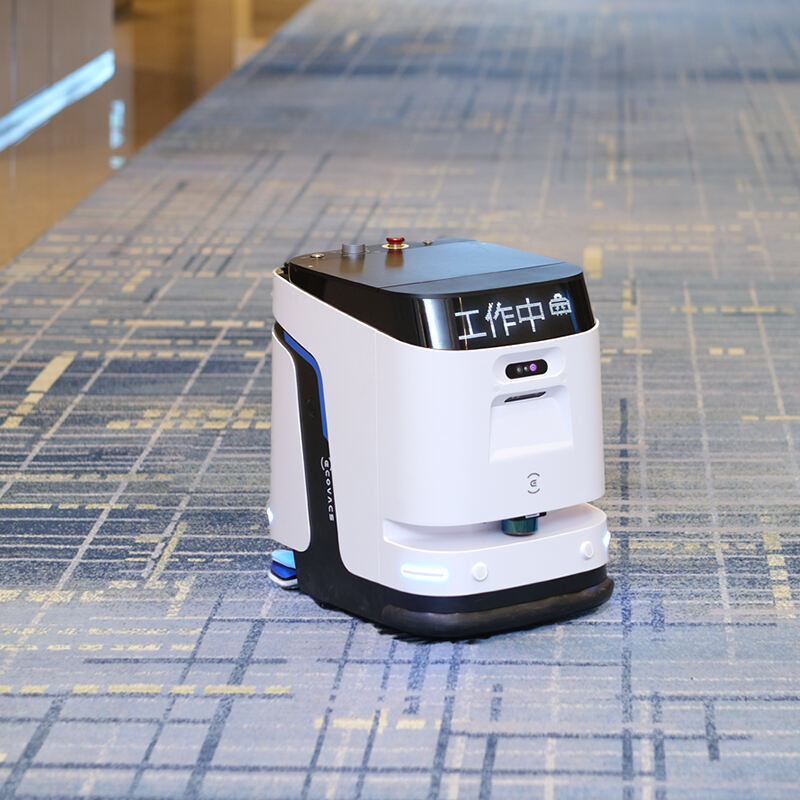
Wdrożenie odkurzaczy roboczych w środowiskach komercyjnych wynika z ważnych motywów biznesowych, które wykraczają daleko poza prostą automatyzację. Organizacje odkrywają, że te inteligentne maszyny zapewniają mierzalne poprawy w zakresie spójności czyszczenia, efektywności operacyjnej oraz zarządzania kosztami, a jednocześnie pomagają rozwiązać problemy związane z obsadą pracowników oraz wzmocnić protokoły bezpieczeństwa. Przejście na zautomatyzowane rozwiązania czyszczące stanowi strategiczną odpowiedź na presję panującą w całej branży, która wymaga innowacyjnych podejść do konserwacji obiektów i optymalizacji działań operacyjnych.
Ciśnienie rynku pracy sprzyjające przyjmowaniu automatyzacji
Kluczowy brak personelu w sektorze czyszczenia komercyjnego
Przemysł czystości komercyjnej stoi przed bezprecedensowymi wyzwaniami związanymi z siłą roboczą, które w sposób podstawowy przekształcają strategie utrzymania obiektów. Brak pracowników osiągnął krytyczny poziom w wielu sektorach, a usługi czystościowe odnotowują jedne z najwyższych wskaźników rotacji kadry w całej branży usługowej. Ten brak powoduje niestabilność operacyjną, która bezpośrednio wpływa na standardy czystości obiektów i zmusza organizacje do poszukiwania niezawodnych alternatyw nieopartych na coraz bardziej deficytowych zasobach ludzkich.
Zarządzający obiektami odkrywają, że roboty czyszczące stanowią niezawodne rozwiązanie tych wyzwań związanych z obsadą personelu, zapewniając stałe harmonogramy sprzątania niezależnie od fluktuacji liczby pracowników. W przeciwieństwie do pracowników ludzkich, którzy mogą zgłaszać się na zwolnienie lekarskie, niespodziewanie odejść z pracy lub wymagać długotrwałego okresu szkolenia, roboty czyszczące zapewniają przewidywalną wydajność, która gwarantuje utrzymanie wysokich standardów konserwacji obiektów na stałym poziomie. Ta niezawodność staje się szczególnie wartościowa dla obiektów funkcjonujących w ramach surowych wymogów dotyczących czystości lub tych, które obsługują środowiska wrażliwe, gdzie zakłócenia w procesie sprzątania mogą mieć poważne konsekwencje operacyjne.
Wyzwanie to wykracza poza prostą dostępność pracowników i obejmuje również rosnące koszty związane z rekrutacją, szkoleniem oraz utrzymywaniem personelu w branży czyszczącej. Organizacje inwestujące w odkurzacze roboty często stwierdzają, że ta technologia zapewnia bardziej stabilne podstawy dla ich operacji czyszczących, umożliwiając przy tym przekierowanie pracowników do zadań o wyższej wartości, wymagających ludzkiego osądu i umiejętności specjalistycznych.
Rosnące koszty pracy i presja operacyjna
Korzystające z automatyzacji rozwiązania czyszczące są również napędzane znacznym wzrostem kosztów pracy. Podwyżki minimalnej stawki wynagrodzenia, wymagania dotyczące świadczeń zdrowotnych oraz konkurencja o pracowników znacznie zwiększyły całkowity koszt zatrudnienia personelu czyszczącego. Ten wzrost kosztów zmusza menedżerów obiektów do oceny alternatywnych podejść, które mogą zapewnić równoważne lub lepsze rezultaty czyszczenia, jednocześnie zapewniając lepszą przewidywalność kosztów na dłuższą metę.
Robotyczne odkurzacze oferują atrakcyjną opłacalność, przekształcając zmienne koszty pracy w przewidywalne inwestycje kapitałowe z wyraźnie określonymi kosztami operacyjnymi. Dzięki temu przekształceniu obiekty mogą lepiej prognozować swoje budżety na czyszczenie, a jednocześnie potencjalnie obniżać ogólne koszty dzięki zwiększonej efektywności i ograniczeniu marnotrawstwa. Technologia ta eliminuje również wiele pośrednich kosztów związanych z pracownikiem ludzkim, w tym czas potrzebny na szkolenia, wymagania dotyczące nadzoru oraz administracyjne obciążenie związane z zarządzaniem harmonogramami i oceną wydajności personelu odpowiedzialnego za czyszczenie.
Organizacje stwierdzają, że robotyczne odkurzacze mogą działać po godzinach pracy bez konieczności wypłacania dodatkowych wynagrodzeń za nadgodziny ani dodatkowego nadzoru, co rozszerza możliwości czyszczenia przy jednoczesnym minimalizowaniu zakłóceń w funkcjonowaniu obiektu. Ta elastyczność okazuje się szczególnie wartościowa dla obiektów wymagających częstych cykli czyszczenia lub tych, które działają w środowiskach, w których czyszczenie w godzinach otwarcia zakłócałoby główne procesy operacyjne.
Możliwości technologiczne umożliwiające powszechne wdrożenie
Zaawansowane technologie nawigacji i mapowania
Współczesne roboty do czyszczenia są wyposażone w zaawansowane systemy nawigacji, które pozwalają im skutecznie funkcjonować w złożonych środowiskach komercyjnych. Systemy te wykorzystują wiele technologii czujników, w tym LiDAR, kamery oraz czujniki ultradźwiękowe, aby tworzyć szczegółowe mapy układu obiektów i poruszać się z precyzją wokół przeszkód. Ten postęp technologiczny pozwala robotom do czyszczenia na dostosowywanie się do dynamicznych środowisk, w których może ulec zmianie rozmieszczenie mebli lub mogą pojawić się tymczasowe przeszkody wymagające korekty trasy.
Możliwości mapowania współczesnych odkurzaczy robota wykraczają poza proste unikanie przeszkód i obejmują strategie czyszczenia oparte na strefach, które pozwalają obiektom dostosowywać wzorce czyszczenia do konkretnych wymagań poszczególnych obszarów. Obszary o dużym natężeniu ruchu mogą być czyszczone częściej, podczas gdy mniej istotne obszary mogą być czyszczone zgodnie z innymi harmonogramami, co optymalizuje zarówno skuteczność czyszczenia, jak i efektywność operacyjną. To inteligentne podejście do zarządzania przestrzenią stanowi znaczący postęp w porównaniu z tradycyjnymi metodami czyszczenia, które często stosują jednolite traktowanie niezależnie od rzeczywistych potrzeb czyszczenia.
Integracja z systemami zarządzania obiektami umożliwia czyszczarkach robotycznych koordynację swoich działań z innymi systemami budynku, planując działania związane ze sprzątaniem w celu uniknięcia konfliktów z innymi operacjami obiektu. Taka koordynacja zapewnia, że działania związane ze sprzątaniem uzupełniają, a nie zakłócają, podstawowe funkcje obiektu, maksymalizując jednocześnie efektywność zautomatyzowanych cykli sprzątania.
Ulepszona żywotność baterii i działanie autonomiczne
Ulepszenia technologii baterii znacznie wydłużyły możliwości robocze odkurzaczy robota, umożliwiając im obsługę większych obiektów oraz dłuższe cykle czyszczenia bez interwencji człowieka. Nowoczesne roboty do czyszczenia mogą pracować przez kilka godzin na jednym ładowaniu, automatycznie wracając do stacji ładowania po osiągnięciu niskiego poziomu naładowania baterii. Ta zdolność do działania w trybie autonomicznym eliminuje potrzebę ciągłego nadzoru ze strony człowieka i pozwala obiektom zaplanować czynności czyszczące w optymalnych porach dnia.
Rozwój inteligentnych systemów zarządzania ładowaniem zapewnia, że odkurzacze robota utrzymują optymalne zdrowie baterii, maksymalizując przy tym czas pracy. Te systemy mogą koordynować działanie wielu jednostek, zapewniając ciągłe pokrycie obszarów czyszczonych, nawet wtedy, gdy poszczególne maszyny wymagają przerw na ładowanie. Dla obiektów wymagających nieprzerwanego czyszczenia przez całą dobę ta technologia zapewnia niezawodność niezbędną do utrzymania spójnych standardów czystości bez przerw w obsłudze.
Zaawansowane funkcje zarządzania energią umożliwiają odkuraczom robotom dostosowywanie intensywności działania w zależności od wymagań związanych z czyszczeniem oraz stanu baterii, co optymalizuje wydajność i wydłuża czas pracy. To inteligentne zarządzanie energią zapewnia, że kluczowe zadania czyszczące otrzymują odpowiednią uwagę, jednocześnie maksymalizując ogólną wydajność operacji czyszczących.
Korzyści ekonomiczne napędzające strategiczne inwestycje
Przewagi kosztów całkowitej własności
Uzasadnienie finansowe zastosowania odkurzaczy robota staje się coraz bardziej przekonujące, gdy organizacje oceniają całkowity koszt posiadania (TCO), a nie jedynie porównują początkowe ceny zakupu z kosztami pracy. Choć początkowe inwestycje w technologię odkurzania robota mogą wydawać się znaczne, długoterminowe korzyści finansowe często uzasadniają ten pierwszy wydatek dzięki obniżonym kosztom operacyjnym, zwiększonej wydajności oraz wyeliminowaniu wielu zmiennych kosztów związanych z personalem czyszczącym.
Odkurzacze roboty zapewniają przewidywalność kosztów, co pozwala obiektom lepiej zarządzać swoimi budżetami na czyszczenie w czasie. W przeciwieństwie do kosztów pracy ludzkiej, które zwykle rosną corocznie w wyniku korekt wynagrodzeń i inflacji kosztów świadczeń, odkurzacze roboty generują stosunkowo stałe koszty operacyjne po dokonaniu początkowej inwestycji. Koszty konserwacji, choć istniejące, są zazwyczaj przewidywalne i łatwe w kontrolowaniu w porównaniu z ciągłą zmiennością kosztów zatrudnienia.
Zyski w zakresie wydajności osiągane dzięki spójnym harmonogramom pracy i zoptymalizowanym wzorom czyszczenia często przekładają się na lepsze rezultaty czyszczenia przy użyciu mniejszej ilości zasobów. Czyszczarki robota mogą prowadzić szczegółowe rejestry działań czyszczących, umożliwiając obiektom optymalizację protokołów czyszczenia na podstawie rzeczywistych danych dotyczących wydajności, a nie szacunków lub założeń dotyczących skuteczności czyszczenia.
Optymalizacja zasobów i redukcja odpadów
Czyszczarki robota przyczyniają się do optymalizacji zasobów poprzez precyzyjną kontrolę zużycia środków czyszczących, spójne stosowanie protokołów czyszczenia oraz eliminację marnotrawstwa związanego z błędami ludzkimi lub niestabilnymi praktykami czyszczenia. Te maszyny można programować tak, aby używać dokładnych ilości środków czyszczących w zależności od powierzchni obszaru i stopnia jego zabrudzenia, co zmniejsza zarówno marnowanie materiałów, jak i wpływ na środowisko, zachowując przy tym skuteczne rezultaty czyszczenia.
Możliwości zbierania danych przez nowoczesne odkurzacze robota umożliwiają obiektom opracowanie bardziej zaawansowanego zrozumienia ich rzeczywistych potrzeb czyszczących. Takie oparte na danych podejście pozwala organizacjom zoptymalizować harmonogramy czyszczenia, dostosować intensywność czyszczenia w oparciu o rzeczywiste wzorce użytkowania oraz zidentyfikować obszary, w których protokoły czyszczenia można zmodyfikować w celu zwiększenia efektywności bez kompromisów w zakresie standardów czystości.
Efektywność energetyczna stanowi kolejną dziedzinę, w której odkurzacze roboty zapewniają mierzalne korzyści w porównaniu do tradycyjnego sprzętu czyszczącego. Nowoczesne odkurzacze roboty są zaprojektowane z myślą o efektywności energetycznej i często zużywają znacznie mniej energii niż konwencjonalny sprzęt czyszczący, zapewniając przy tym porównywalne lub lepsze rezultaty czyszczenia. Ta efektywność przekłada się na obniżenie kosztów operacyjnych oraz wspiera cele organizacji związane z zrównoważonym rozwojem.
Spójność jakości i zalety wydajnościowe
Standardowe protokoły czyszczenia i dokumentacja
Robotyczne odkurzacze zapewniają nieosiągalną spójność jakości czyszczenia, eliminując zmienne związane z ludzkim czynnikiem, które mogą prowadzić do niestabilnych wyników czyszczenia. Urządzenia te wykonują zaprogramowane protokoły czyszczenia zawsze w identyczny sposób, zapewniając, że każdy obszar otrzymuje takie samo poziom uwagi i intensywności czyszczenia. Ta spójność okazuje się szczególnie wartościowa dla obiektów funkcjonujących zgodnie z wymaganiami regulacyjnymi lub standardami jakościowymi, które przewidują udokumentowane procedury czyszczenia oraz wiarygodne ich wykonywanie.
Możliwości dokumentacyjne wbudowane w nowoczesne odkurzacze robota zapewniają szczegółowe zapisy działań czyszczących, które mogą wspierać wymagania związane z zgodnością oraz programy zapewnienia jakości. Te systemy śledzą zakres czyszczenia, jego czas trwania oraz częstotliwość, generując raporty potwierdzające przestrzeganie ustalonych protokołów czyszczących. Poziom dokumentacji zapewniany przez te systemy często przewyższa to, co jest praktyczne przy zastosowaniu personelu czyszczącego i dostarcza cennych dowodów zgodności z procedurami czyszczącymi podczas inspekcji regulacyjnych lub audytów jakości.
Standaryzacja obejmuje nie tylko wykonywanie czyszczenia, ale także procedury konserwacji i monitorowania wydajności. Odkurzacze robota mogą informować zarządцев obiektu o potencjalnych problemach jeszcze przed ich eskalacją do poważniejszych usterek, umożliwiając proaktywną konserwację, która zapobiega zakłóceniom w procesie czyszczenia i zapewnia spójną wydajność operacyjną w czasie.
Wzmocniona bezpieczność i zarządzanie ryzykiem
Zagadnienia bezpieczeństwa odgrywają kluczową rolę przy podejmowaniu decyzji o wdrożeniu oczyszczaczy robota, szczególnie w środowiskach, w których czynności czyszczące mogą narażać pracowników na niebezpieczne warunki lub w których obecność personelu czyszczącego podczas pracy stwarza zagrożenia dla bezpieczeństwa. Oczyszczacze robotyczne mogą działać w obszarach narażonych na działanie chemikaliów, w godzinach, gdy obiekty są zamknięte, lub w środowiskach, w których obecność ludzi może stwarzać zagrożenia bezpieczeństwa.
Eliminacja ryzyka poślizgnięć i upadków związanego z tradycyjnymi metodami mycia i czyszczenia stanowi kolejną ważną korzyść w zakresie bezpieczeństwa. Oczyszczacze robotyczne można programować tak, aby unikały tworzenia mokrych powierzchni w godzinach pracy lub tak, aby współdziałały z harmonogramem obiektu, zapewniając, że czynności czyszczące nie stwarzają zagrożeń bezpieczeństwa dla użytkowników budynku. Ta zdolność do redukcji ryzyka przynosi zarówno korzyści w zakresie bezpieczeństwa, jak i potencjalne ograniczenie odpowiedzialności prawnej operatorów obiektów.
Zagadnienia związane z ubezpieczeniem i zarządzaniem ryzykiem często sprzyjają obiektom, które mogą wykazać się spójnymi, udokumentowanymi procedurami czyszczenia oraz ograniczoną ekspozycją na wypadki związane z czyszczeniem. Czyszczarki robota przyczyniają się do osiągnięcia tych celów zarządzania ryzykiem, zapewniając dodatkową korzyść w postaci ograniczenia ryzyka odszkodowań pracowniczych związanych z urazami personelu odpowiedzialnego za czyszczenie.
Często zadawane pytania
W jaki sposób czyszczarki robota radzą sobie z różnymi typami podłóg oraz wymaganiami czyszczącymi?
Nowoczesne czyszczarki robota wykorzystują zaawansowane technologie czujników, które automatycznie rozpoznają różne powierzchnie podłogowe i dostosowują metody czyszczenia odpowiednio do nich. Mogą one przełączać się między podłogami twardymi, dywanami oraz różnymi teksturami powierzchni, optymalizując jednocześnie siłę ssącą, ustawienia szczotek oraz wzory czyszczenia dla każdego typu powierzchni. Wiele modeli posiada specjalne przystawki i może być programowanych z różnymi protokołami czyszczenia dla konkretnych obszarów w obrębie obiektu.
Jakie wymagania serwisowe mają komercyjne czyszczarki robota?
Komercyjne roboty czyszczące wymagają regularnej konserwacji, w tym wymiany filtrów, czyszczenia szczotek, konserwacji czujników oraz okresowych aktualizacji oprogramowania. Większość urządzeń zapewnia zautomatyzowane alerty konserwacyjne i informacje diagnostyczne, które pomagają zarządzającym obiektami utrzymywać się zawsze na bieżąco w zakresie potrzeb konserwacyjnych. Typowe zadania konserwacyjne mogą być wykonywane przez personel obiektu po przejściu minimalnego szkolenia; niektórzy producenci oferują jednak umowy serwisowe zapewniające kompleksową obsługę konserwacyjną.
Czy roboty czyszczące mogą integrować się z istniejącymi systemami zarządzania obiektami?
Tak, wiele komercyjnych robotów czyszczących oferuje możliwość integracji z systemami zarządzania budynkami, oprogramowaniem do zarządzania obiektami oraz platformami IoT. Integracja ta umożliwia centralne monitorowanie, koordynację harmonogramów z innymi systemami budynkowymi oraz generowanie zautomatyzowanych raportów w celach związanych z przestrzeganiem przepisów. Możliwości integracji różnią się w zależności od producenta i modelu, dlatego obiekty powinny oceniać te funkcje w oparciu o swoje konkretne wymagania systemowe.
Jakie zwrot z inwestycji mogą oczekiwać obiekty od zastosowania odkurzaczy robota?
Zwrot z inwestycji (ROI) dla odkurzaczy robotów zwykle mieści się w przedziale od 12 do 24 miesięcy, w zależności od wielkości obiektu, aktualnych kosztów pracy oraz wymagań operacyjnych. Czynniki wpływające na ROI obejmują obniżenie kosztów pracy, poprawę spójności czyszczenia, zmniejszenie marnotrawstwa materiałów eksploatacyjnych oraz wyeliminowanie kosztów nadgodzin. Obiekty o wysokim stopniu częstotliwości czyszczenia lub te, które napotykają poważne trudności związane z zapewnieniem personelu, często osiągają krótszy okres zwrotu inwestycji niż obiekty o minimalnych potrzebach czyszczących.
Spis treści
- Ciśnienie rynku pracy sprzyjające przyjmowaniu automatyzacji
- Możliwości technologiczne umożliwiające powszechne wdrożenie
- Korzyści ekonomiczne napędzające strategiczne inwestycje
- Spójność jakości i zalety wydajnościowe
-
Często zadawane pytania
- W jaki sposób czyszczarki robota radzą sobie z różnymi typami podłóg oraz wymaganiami czyszczącymi?
- Jakie wymagania serwisowe mają komercyjne czyszczarki robota?
- Czy roboty czyszczące mogą integrować się z istniejącymi systemami zarządzania obiektami?
- Jakie zwrot z inwestycji mogą oczekiwać obiekty od zastosowania odkurzaczy robota?