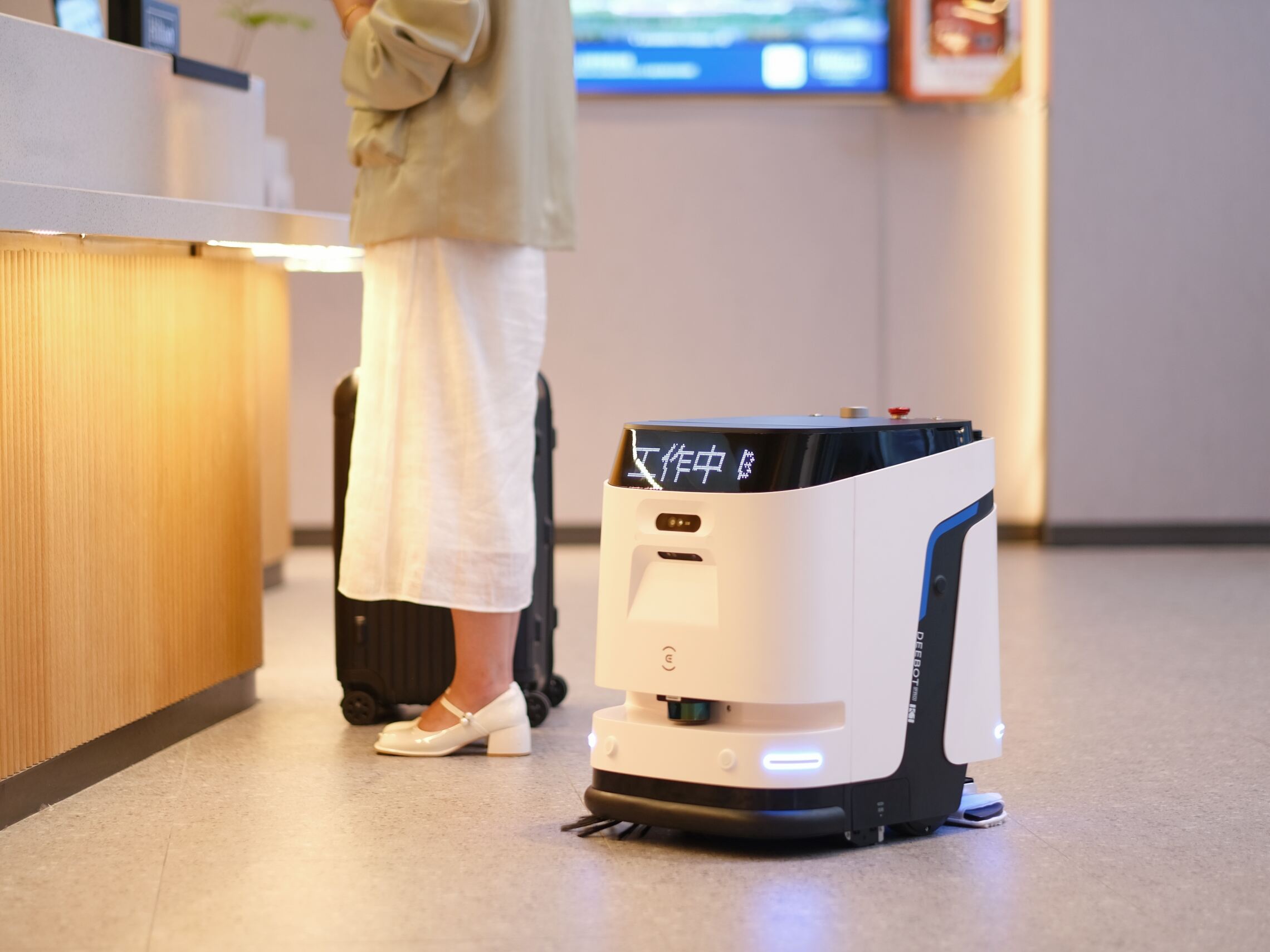
Artificial intelligence is fundamentally transforming the commercial cleaning industry, bringing unprecedented levels of efficiency, precision, and cost-effectiveness to facility management operations. This technological revolution extends far beyond simple automation, introducing intelligent systems that can analyze environments, adapt to changing conditions, and optimize cleaning processes in real-time. The integration of AI into commercial cleaning represents a paradigm shift that addresses longstanding challenges while opening new possibilities for superior hygiene standards and operational excellence.
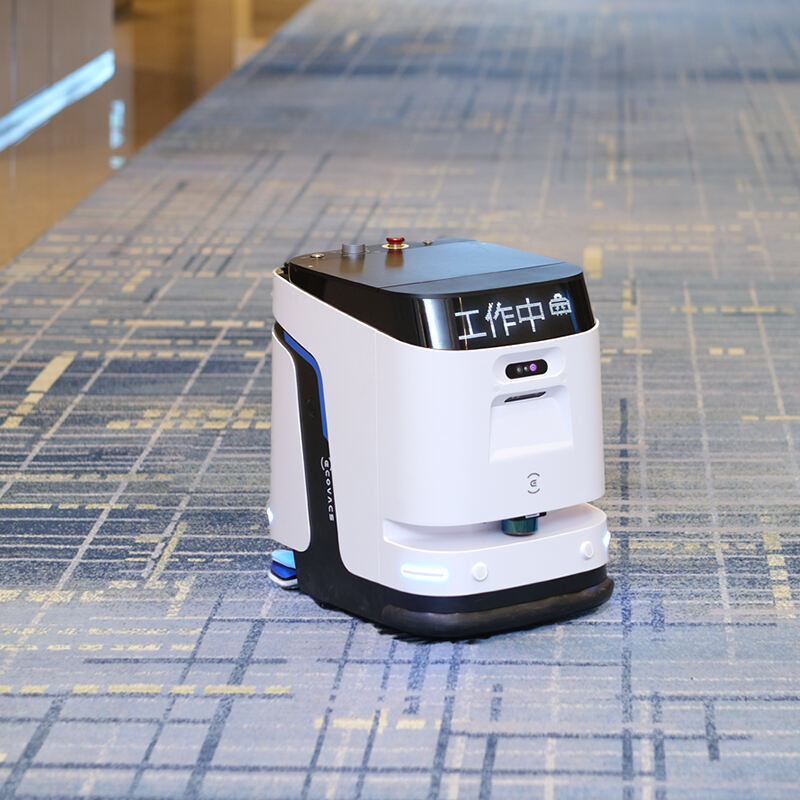
The impact of AI on commercial cleaning operations encompasses multiple dimensions, from predictive maintenance and intelligent scheduling to advanced contamination detection and autonomous navigation systems. These innovations are reshaping how businesses approach facility hygiene, enabling proactive rather than reactive cleaning strategies that deliver measurable improvements in both cleanliness outcomes and resource utilization. Understanding these transformative applications is essential for facility managers, business owners, and commercial cleaning service providers who seek to leverage cutting-edge technology for competitive advantage.
Intelligent Automation and Robotic Systems
Autonomous Navigation and Mapping
AI-powered robotic systems are revolutionizing commercial cleaning through sophisticated navigation capabilities that enable autonomous operation in complex environments. These systems utilize advanced sensor fusion, combining LIDAR, cameras, and ultrasonic sensors to create detailed environmental maps that guide efficient cleaning paths. The technology allows robots to navigate around obstacles, adapt to layout changes, and optimize routes based on real-time environmental analysis, significantly reducing the need for human supervision while maintaining thorough coverage.
Machine learning algorithms continuously improve navigation performance by analyzing movement patterns, obstacle encounters, and cleaning efficiency data. This iterative learning process enables robotic cleaning systems to become increasingly effective over time, developing optimized cleaning strategies specific to each facility. The result is consistent, reliable commercial cleaning performance that adapts to unique environmental challenges and operational requirements.
Adaptive Cleaning Protocols
AI systems excel at implementing adaptive cleaning protocols that respond dynamically to environmental conditions and contamination levels. Smart sensors detect varying degrees of dirt, debris, and stains, automatically adjusting cleaning intensity, duration, and methods accordingly. This intelligent responsiveness ensures thorough cleaning where needed while avoiding unnecessary resource expenditure in areas requiring minimal attention, optimizing both cleaning quality and operational efficiency.
Advanced commercial cleaning systems incorporate predictive algorithms that anticipate high-traffic areas and contamination patterns based on historical data and real-time monitoring. These capabilities enable proactive cleaning interventions that maintain consistent hygiene standards while minimizing disruption to business operations. The technology transforms traditional reactive cleaning approaches into intelligent, data-driven strategies that deliver superior results with reduced labor costs and improved resource allocation.
Data-Driven Optimization and Analytics
Performance Monitoring and Analysis
AI-powered analytics platforms provide unprecedented visibility into commercial cleaning operations through comprehensive performance monitoring and data analysis capabilities. These systems track key metrics including cleaning coverage, efficiency rates, contamination detection, and equipment utilization, generating actionable insights that drive continuous improvement. Real-time dashboards enable facility managers to monitor cleaning progress, identify optimization opportunities, and make data-informed decisions about resource allocation and scheduling.
Machine learning algorithms analyze vast amounts of operational data to identify patterns, trends, and correlations that inform strategic decision-making. This analytical capability enables commercial cleaning operations to benchmark performance, compare effectiveness across different areas or time periods, and implement targeted improvements based on empirical evidence rather than assumptions. The result is measurable enhancement in cleaning quality, cost-effectiveness, and overall facility management outcomes.
Predictive Maintenance and Equipment Optimization
AI-driven predictive maintenance capabilities are transforming equipment management in commercial cleaning operations by anticipating maintenance needs before failures occur. Smart monitoring systems continuously analyze equipment performance data, identifying subtle changes in operational parameters that indicate potential issues. This proactive approach minimizes unexpected downtime, extends equipment lifespan, and reduces maintenance costs while ensuring consistent cleaning performance.
Advanced algorithms optimize equipment usage patterns, scheduling maintenance during low-impact periods and maximizing operational availability during peak cleaning times. The technology enables commercial cleaning operations to maintain higher equipment reliability, reduce emergency repair costs, and implement more efficient resource planning. These capabilities contribute significantly to overall operational efficiency and cost reduction while maintaining superior service quality standards.
Enhanced Quality Control and Hygiene Standards
Real-Time Contamination Detection
AI-enhanced contamination detection systems provide real-time monitoring capabilities that significantly elevate hygiene standards in commercial cleaning applications. Advanced sensor technologies combined with machine learning algorithms can identify various types of contaminants, including biological hazards, chemical residues, and particulate matter, enabling immediate response to potential health risks. This capability is particularly valuable in healthcare facilities, food service environments, and other settings where contamination poses serious consequences.
Intelligent detection systems continuously scan surfaces and air quality, generating alerts when contamination levels exceed predetermined thresholds. This proactive monitoring approach enables commercial cleaning teams to address hygiene issues immediately rather than waiting for scheduled cleaning cycles, significantly improving overall facility safety and cleanliness. The technology provides documented evidence of hygiene compliance, supporting regulatory requirements and quality assurance protocols.
Automated Quality Verification
AI-powered quality verification systems automatically assess cleaning effectiveness through sophisticated analysis of surface conditions, contamination levels, and adherence to established protocols. Computer vision technology examines cleaned areas, identifying missed spots, incomplete coverage, or residual contamination that requires additional attention. This automated verification process ensures consistent quality standards while reducing reliance on manual inspections that can be subjective and time-consuming.
Machine learning algorithms establish baseline cleanliness standards for different areas and surfaces, enabling objective quality assessment that adapts to specific facility requirements. Commercial cleaning operations benefit from standardized quality metrics, reduced quality control costs, and enhanced customer satisfaction through consistently superior results. The technology provides detailed documentation of cleaning quality, supporting service level agreements and continuous improvement initiatives.
Operational Efficiency and Cost Reduction
Intelligent Scheduling and Resource Allocation
AI-driven scheduling systems optimize commercial cleaning operations by analyzing facility usage patterns, contamination trends, and resource availability to create efficient cleaning schedules. These intelligent systems consider multiple variables including traffic flow, event schedules, weather conditions, and seasonal variations to determine optimal cleaning timing and resource allocation. The result is maximized cleaning effectiveness while minimizing disruption to business operations and reducing unnecessary labor costs.
Advanced algorithms continuously refine scheduling decisions based on performance data and changing conditions, enabling dynamic adjustments that maintain cleaning quality while optimizing resource utilization. Commercial cleaning operations achieve significant cost savings through reduced labor requirements, improved productivity, and eliminated redundant activities. The technology enables smaller cleaning teams to manage larger facilities more effectively while maintaining or improving service quality standards.
Energy and Resource Conservation
AI systems contribute to sustainable commercial cleaning practices through intelligent energy and resource management capabilities. Smart systems optimize equipment operation to minimize energy consumption while maintaining cleaning effectiveness, implementing power-saving modes during low-activity periods and adjusting operational intensity based on actual cleaning requirements. These capabilities reduce environmental impact while lowering operational costs.
Predictive algorithms optimize consumable usage, including cleaning chemicals, water, and disposable materials, by analyzing cleaning requirements and adjusting application rates accordingly. This precision approach eliminates waste, reduces supply costs, and supports environmental sustainability goals. Commercial cleaning operations benefit from measurable reductions in resource consumption while maintaining superior cleaning results, creating value for both operational budgets and corporate sustainability initiatives.
Future Implications and Industry Evolution
Integration with Smart Building Systems
The future of AI in commercial cleaning involves deeper integration with comprehensive smart building management systems, creating holistic facility management solutions that optimize multiple operational aspects simultaneously. These integrated platforms coordinate cleaning activities with HVAC systems, lighting controls, security systems, and occupancy monitoring to create synergistic efficiency gains. The result is enhanced overall building performance with reduced operational costs and improved occupant comfort.
Advanced integration capabilities enable commercial cleaning systems to respond to building-wide conditions and events, such as adjusting cleaning schedules based on occupancy patterns or coordinating with air quality management systems to address contamination events. This comprehensive approach transforms facility management from isolated operational silos into coordinated, intelligent systems that deliver superior performance across all building functions.
Advancing Hygiene Technology
Emerging AI technologies promise even more sophisticated commercial cleaning capabilities, including advanced pathogen detection, autonomous disinfection systems, and predictive hygiene modeling that anticipates contamination risks before they materialize. These developments will further elevate hygiene standards while reducing operational complexity and costs. The technology evolution continues to expand the possibilities for intelligent, responsive cleaning systems that adapt to emerging challenges and requirements.
Future commercial cleaning applications will likely incorporate advanced biotechnology sensors, quantum computing algorithms, and enhanced robotic capabilities that deliver unprecedented precision and effectiveness. These technological advances will enable commercial cleaning operations to address increasingly complex hygiene challenges while maintaining cost-effectiveness and operational efficiency. The ongoing evolution represents a fundamental transformation in how facilities maintain cleanliness and safety standards.
FAQ
How does AI improve the efficiency of commercial cleaning operations?
AI improves commercial cleaning efficiency through intelligent automation, predictive analytics, and optimized resource allocation. Smart systems analyze facility conditions, traffic patterns, and contamination levels to create efficient cleaning schedules that maximize coverage while minimizing labor costs. Autonomous navigation and adaptive cleaning protocols enable consistent results with reduced supervision, while predictive maintenance prevents equipment downtime and extends operational life.
What types of AI technologies are most commonly used in commercial cleaning?
The most common AI technologies in commercial cleaning include machine learning algorithms for pattern recognition and optimization, computer vision for quality assessment and navigation, sensor fusion for environmental monitoring, and predictive analytics for maintenance and scheduling. Robotic systems incorporate these technologies to enable autonomous operation, while cloud-based platforms provide data analysis and operational insights that drive continuous improvement in cleaning performance and cost-effectiveness.
Can AI-powered cleaning systems maintain the same quality standards as traditional methods?
AI-powered cleaning systems often exceed traditional quality standards through consistent application of optimized protocols, objective quality verification, and continuous performance monitoring. Unlike manual cleaning approaches that can vary based on individual performance and oversight, AI systems maintain standardized quality levels while adapting to specific environmental requirements. Real-time contamination detection and automated quality assessment ensure thorough cleaning coverage and immediate response to hygiene issues.
What are the cost implications of implementing AI in commercial cleaning operations?
While initial AI implementation requires capital investment in technology and training, commercial cleaning operations typically realize significant cost savings through reduced labor requirements, optimized resource utilization, and preventive maintenance capabilities. Long-term benefits include lower operational costs, improved equipment lifespan, reduced consumable waste, and enhanced service quality that supports premium pricing. Most organizations experience positive return on investment within 12-24 months of implementation, depending on facility size and operational complexity.
Table of Contents
- Intelligent Automation and Robotic Systems
- Data-Driven Optimization and Analytics
- Enhanced Quality Control and Hygiene Standards
- Operational Efficiency and Cost Reduction
- Future Implications and Industry Evolution
-
FAQ
- How does AI improve the efficiency of commercial cleaning operations?
- What types of AI technologies are most commonly used in commercial cleaning?
- Can AI-powered cleaning systems maintain the same quality standards as traditional methods?
- What are the cost implications of implementing AI in commercial cleaning operations?