
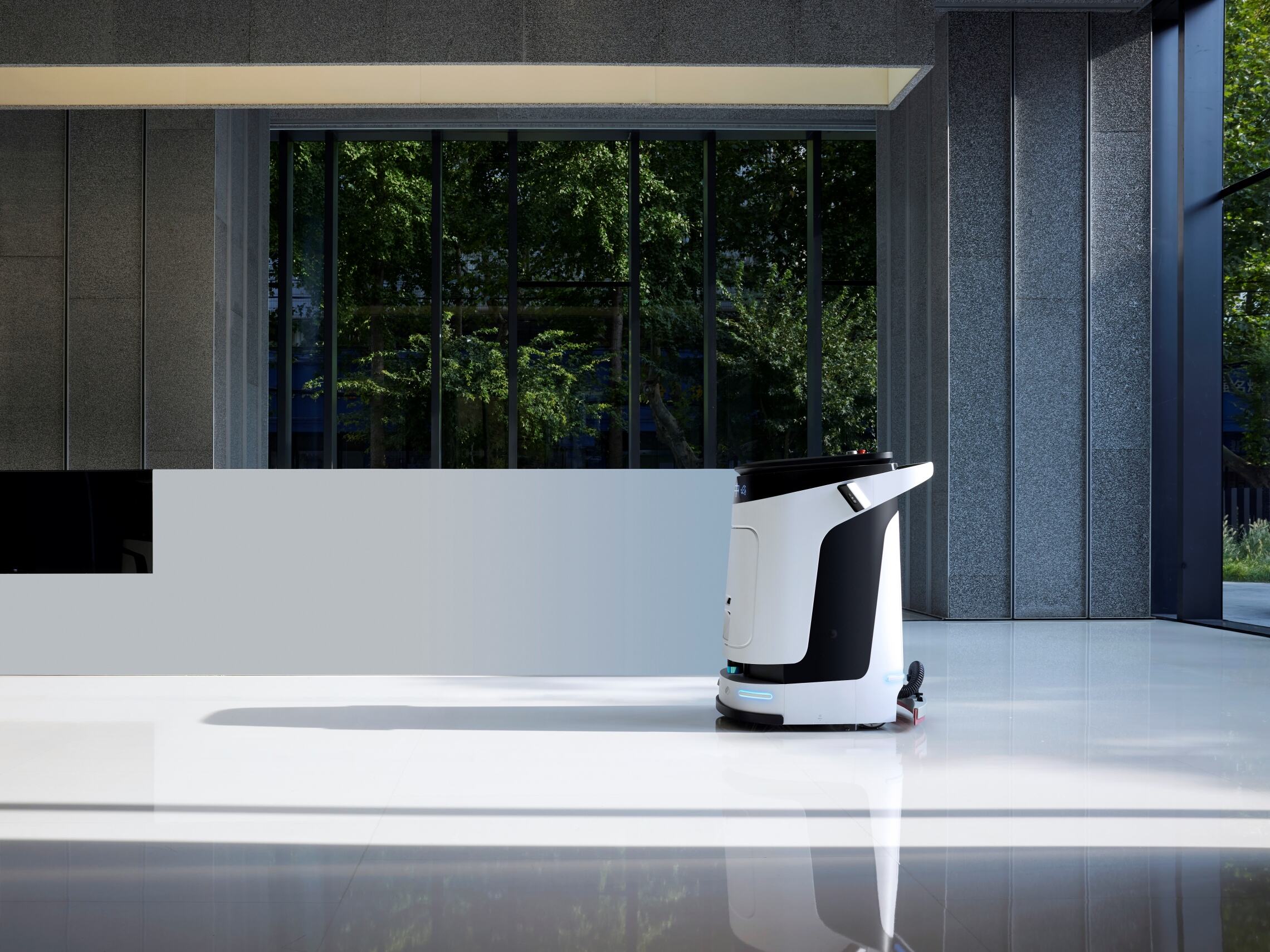
Industrial robot vacuum efficiency metrics provide facility managers and operations teams with essential data points for measuring cleaning performance, operational costs, and productivity outcomes. These quantitative measurements help organizations evaluate return on investment, optimize cleaning schedules, and ensure consistent hygiene standards across manufacturing facilities, warehouses, and commercial spaces. Understanding the specific metrics that matter most for industrial environments enables informed decision-making about automated cleaning technology deployment.
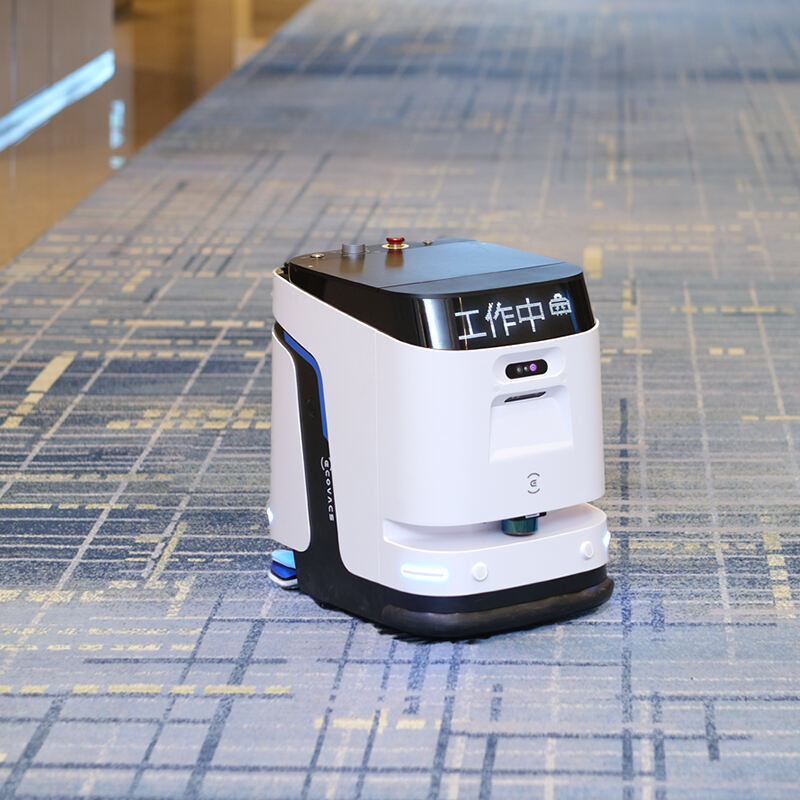
The complexity of industrial cleaning requirements demands sophisticated measurement approaches that go beyond basic surface coverage. Effective industrial robot vacuum efficiency metrics encompass operational parameters, environmental impact factors, maintenance requirements, and long-term performance sustainability. These comprehensive measurements provide the foundation for optimizing automated cleaning systems within demanding industrial environments where dust levels, debris types, and operational schedules vary significantly throughout production cycles.
Core Performance Measurement Categories
Coverage and Navigation Efficiency
Coverage efficiency represents the fundamental metric for evaluating how thoroughly an industrial robot vacuum cleans designated areas within specified timeframes. This measurement considers total floor area covered, percentage of planned coverage achieved, and time required for complete cleaning cycles. Advanced industrial robot vacuum efficiency metrics track navigation patterns, identify potential obstacles that reduce coverage effectiveness, and measure the system's ability to adapt to changing floor layouts or temporary equipment placement.
Path optimization metrics evaluate the robot's ability to minimize redundant coverage while ensuring comprehensive cleaning. Industrial environments often feature complex layouts with machinery, storage areas, and changing configurations that challenge navigation algorithms. Effective measurement systems track deviation from optimal paths, time spent in redundant cleaning patterns, and the system's learning capabilities for improving future navigation efficiency.
Obstacle detection and avoidance performance directly impacts overall efficiency by reducing cleaning interruptions and potential equipment damage. These industrial robot vacuum efficiency metrics measure response time to unexpected obstacles, accuracy of obstacle identification, and the system's ability to resume cleaning operations after encountering impediments without manual intervention.
Debris Collection and Filtration Performance
Debris collection efficiency measures the robot's ability to capture different types of industrial contaminants, including fine dust particles, metal shavings, paper fragments, and larger debris commonly found in manufacturing environments. These measurements typically express collection rates as percentages based on controlled testing with standardized debris types and quantities distributed across test surfaces.
Filtration effectiveness metrics evaluate the system's ability to contain collected debris and prevent re-circulation of fine particles into the work environment. Industrial applications require high-efficiency filtration systems that meet specific air quality standards, making filtration performance a critical component of overall industrial robot vacuum efficiency metrics. These measurements include particle retention rates, filter loading capacity, and maintenance intervals required to maintain optimal performance.
Dust bin capacity utilization tracks how effectively the robot maximizes collection chamber space before requiring emptying. Efficient utilization reduces maintenance interruptions and ensures consistent cleaning performance throughout extended operational periods. These metrics consider debris compaction effectiveness, sensor accuracy for determining capacity levels, and the system's ability to alert maintenance personnel when emptying becomes necessary.
Operational Efficiency Indicators
Battery Performance and Energy Consumption
Battery life and charging efficiency directly impact the robot's ability to complete cleaning cycles without interruption. Industrial robot vacuum efficiency metrics for battery performance include total runtime per charge, cleaning area coverage per battery cycle, and charging time requirements. These measurements help facility managers schedule cleaning operations around production activities and ensure adequate coverage during available cleaning windows.
Energy consumption efficiency evaluates the robot's power usage relative to cleaning performance achieved. Lower energy consumption reduces operational costs while supporting sustainability initiatives common in modern industrial facilities. These metrics typically measure watts consumed per square foot of cleaned area, energy usage during different cleaning modes, and standby power consumption during idle periods.
Charging station efficiency measures how effectively the robot locates and connects to charging stations, minimizing downtime between cleaning cycles. Advanced systems feature automatic charging capabilities that require measurement of docking accuracy, charging initiation success rates, and time required for the robot to resume operations after charging completion.
Maintenance Requirements and Reliability
Mean time between maintenance events provides crucial data for planning service schedules and budgeting maintenance costs. Industrial robot vacuum efficiency metrics track component wear rates, frequency of required interventions, and the impact of different debris types on maintenance requirements. Regular measurement of these factors enables predictive maintenance approaches that minimize unexpected downtime.
Component reliability metrics evaluate the durability and performance consistency of key system elements including motors, sensors, brushes, and filtration components. These measurements track failure rates, performance degradation over time, and replacement intervals for consumable components. Understanding reliability patterns helps optimize maintenance schedules and inventory management for replacement parts.
Cleaning consistency metrics measure how well the robot maintains performance standards over extended operational periods. Industrial environments demand reliable cleaning outcomes regardless of debris accumulation, environmental conditions, or operational duration. These industrial robot vacuum efficiency metrics track cleaning effectiveness variations, identify factors that impact consistency, and measure the system's ability to maintain standards under varying operational conditions.
Environmental Adaptation Capabilities
Surface Type Performance Variation
Different flooring surfaces common in industrial facilities require varying cleaning approaches and performance evaluation methods. Industrial robot vacuum efficiency metrics measure cleaning effectiveness across concrete floors, industrial tiles, textured surfaces, and specialized coatings used in manufacturing environments. These measurements consider debris collection rates on different surfaces, brush and suction adjustments required, and the impact of surface characteristics on cleaning time requirements.
Surface transition efficiency evaluates how smoothly the robot adapts cleaning parameters when moving between different floor types within the same facility. Industrial spaces often feature multiple surface types in different areas, requiring seamless transitions to maintain cleaning effectiveness. These metrics measure detection accuracy for surface changes, adjustment time for cleaning parameters, and consistency of cleaning results across surface transitions.
Edge cleaning performance addresses the robot's ability to clean along walls, equipment bases, and other boundaries where debris commonly accumulates. Industrial environments feature numerous edges and corners that require specialized attention. Measurement of edge cleaning effectiveness includes coverage percentage along boundaries, debris removal efficiency in corner areas, and the system's ability to navigate close to equipment without causing damage.
Environmental Condition Adaptation
Dust level adaptation measures how effectively the robot adjusts cleaning intensity based on environmental dust concentrations. Industrial facilities experience varying dust levels throughout production cycles, requiring dynamic cleaning adjustments. These industrial robot vacuum efficiency metrics evaluate sensor accuracy for detecting dust concentrations, automatic adjustment of suction power and cleaning patterns, and the system's ability to optimize performance for current environmental conditions.
Temperature and humidity tolerance metrics assess the robot's performance consistency under varying environmental conditions common in industrial settings. These measurements include operational efficiency across temperature ranges, humidity impact on electronic components, and cleaning performance variations due to environmental factors. Understanding these relationships enables proper deployment planning and performance optimization strategies.
Noise level management evaluates the robot's acoustic impact on work environments, particularly important in facilities where noise levels must remain within specific limits. These metrics measure decibel levels during different cleaning modes, noise variation based on surface types, and the system's ability to operate effectively during noise-sensitive periods without disrupting facility operations.
Cost-Effectiveness and ROI Measurements
Labor Replacement Value
Labor cost savings represent a primary justification for industrial robot vacuum deployment. These industrial robot vacuum efficiency metrics calculate equivalent manual cleaning hours replaced, labor cost reductions achieved, and productivity improvements from reallocating human resources to higher-value activities. Accurate measurement requires comparing cleaning outcomes achieved by robotic systems against manual cleaning benchmarks under similar conditions.
Productivity impact measurements evaluate how automated cleaning affects overall facility operations, including reduced downtime for cleaning activities, improved equipment availability, and enhanced worker safety through reduced exposure to cleaning chemicals and dust. These metrics quantify operational improvements beyond direct labor savings, providing comprehensive ROI calculations for management decision-making.
Schedule flexibility benefits measure the value of continuous cleaning capabilities that industrial robots provide. Unlike manual cleaning that typically occurs during specific shifts, robotic systems can operate during production hours, maintenance periods, or overnight cycles. These metrics evaluate schedule optimization opportunities, reduced cleaning-related production interruptions, and improved facility readiness for operations.
Long-Term Operational Costs
Total cost of ownership calculations encompass initial equipment investment, ongoing maintenance expenses, energy consumption costs, and replacement part requirements. Comprehensive industrial robot vacuum efficiency metrics track all cost components over extended operational periods, enabling accurate comparison with alternative cleaning methods and supporting budget planning for multi-year deployments.
Maintenance cost efficiency measures the relationship between cleaning performance achieved and resources required for system upkeep. These calculations include scheduled maintenance expenses, unplanned repair costs, replacement part inventory requirements, and labor costs for technical support. Tracking these metrics enables optimization of maintenance approaches and identification of cost reduction opportunities.
Performance degradation impact assesses how system efficiency changes over time and the associated cost implications. Industrial robot vacuum efficiency metrics in this category measure cleaning effectiveness retention, energy consumption increases due to component wear, and the timing for major system updates or replacements to maintain optimal cost-effectiveness throughout the system lifecycle.
FAQ
What are the most important industrial robot vacuum efficiency metrics for facility managers to track?
The most critical metrics include coverage efficiency percentage, debris collection rates across different contaminant types, battery runtime per cleaning cycle, and mean time between maintenance requirements. These core measurements provide essential data for evaluating cleaning performance, operational costs, and maintenance planning. Additionally, tracking energy consumption per square foot cleaned and cleaning consistency over time enables comprehensive performance assessment and ROI calculations.
How frequently should industrial robot vacuum efficiency metrics be collected and analyzed?
Daily operational metrics such as coverage area, cleaning cycle completion rates, and battery performance should be monitored continuously through automated systems. Weekly analysis of debris collection efficiency, maintenance indicators, and performance consistency provides sufficient detail for operational adjustments. Monthly comprehensive reviews including cost-effectiveness calculations, long-term performance trends, and comparative analysis against baseline measurements enable strategic decision-making and system optimization.
Which environmental factors most significantly impact industrial robot vacuum efficiency measurements?
Dust concentration levels, surface type variations, and debris size distribution represent the primary environmental factors affecting cleaning efficiency. Temperature and humidity fluctuations impact battery performance and sensor accuracy, while facility layout changes influence navigation efficiency and coverage completeness. Measuring these environmental variables alongside performance metrics enables accurate assessment of cleaning effectiveness and identification of optimization opportunities for different operational conditions.
How do industrial robot vacuum efficiency metrics compare between different facility types?
Manufacturing facilities typically prioritize debris collection efficiency and filtration performance due to metal shavings and fine particle contamination, while warehouses emphasize coverage efficiency and battery life for large area cleaning. Food processing environments require metrics focused on sanitation effectiveness and compliance with hygiene standards. Each facility type benefits from customized metric selection that addresses specific operational requirements, cleaning challenges, and performance priorities relevant to their industrial applications.
Table of Contents
- Core Performance Measurement Categories
- Operational Efficiency Indicators
- Environmental Adaptation Capabilities
- Cost-Effectiveness and ROI Measurements
-
FAQ
- What are the most important industrial robot vacuum efficiency metrics for facility managers to track?
- How frequently should industrial robot vacuum efficiency metrics be collected and analyzed?
- Which environmental factors most significantly impact industrial robot vacuum efficiency measurements?
- How do industrial robot vacuum efficiency metrics compare between different facility types?