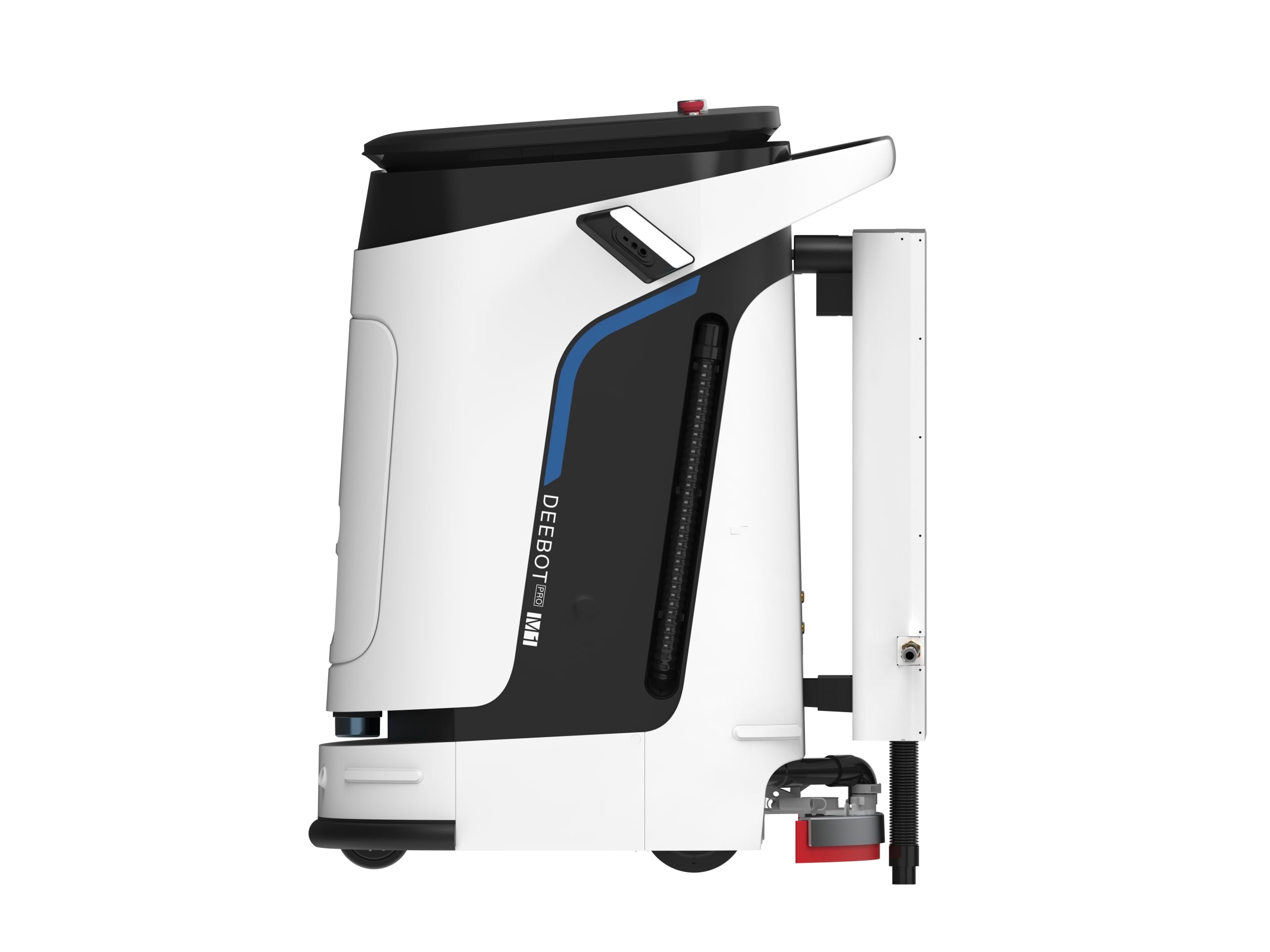
Selecting the right commercial floor cleaning machine requires careful evaluation of your facility's specific cleaning requirements, operational constraints, and budget considerations. The decision involves analyzing factors such as floor surface types, facility size, cleaning frequency demands, and staff availability to ensure optimal cleaning performance and cost-effectiveness.
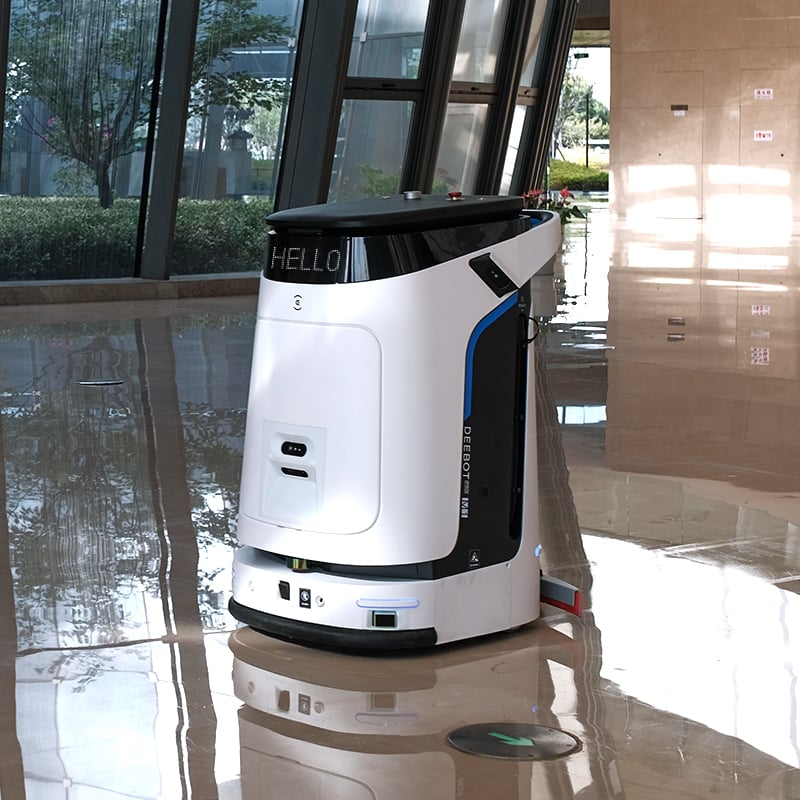
Understanding the diverse options available in today's market helps facility managers make informed decisions that align with their operational goals. From traditional walk-behind scrubbers to advanced robotic cleaning systems, each commercial floor cleaning machine type offers distinct advantages depending on your facility's unique characteristics and cleaning challenges.
Assessing Your Facility's Cleaning Requirements
Floor Surface Analysis and Compatibility
The foundation of choosing an effective commercial floor cleaning machine begins with a thorough assessment of your facility's floor surfaces. Different flooring materials require specific cleaning approaches and machine configurations to achieve optimal results without causing damage. Hard surfaces like sealed concrete, vinyl, and ceramic tiles typically accommodate aggressive scrubbing action, while delicate materials such as natural stone or polished surfaces demand gentler cleaning methods.
Surface texture and porosity significantly influence machine selection, as rough or textured floors may require specialized brush types or higher water pressure settings. Smooth surfaces, conversely, benefit from fine-bristled brushes or pad systems that provide thorough cleaning without scratching. Understanding these surface characteristics ensures your chosen commercial floor cleaning machine delivers consistent results across all areas of your facility.
Consider the presence of grout lines, expansion joints, and surface irregularities that may affect cleaning efficiency. Some machines excel at navigating these features, while others may struggle with complete soil removal from recessed areas. Evaluating these surface details helps narrow your options to machines specifically designed for your floor types.
Facility Size and Layout Considerations
Facility dimensions directly impact the type and size of commercial floor cleaning machine that will provide optimal efficiency. Large, open areas benefit from wide-path machines that cover substantial square footage quickly, reducing overall cleaning time and labor costs. Conversely, facilities with numerous obstacles, tight spaces, or narrow corridors require more maneuverable machines that can navigate confined areas effectively.
Calculate your facility's total cleanable square footage, excluding permanent fixtures and furniture, to determine appropriate machine capacity and cleaning path width. This measurement helps establish realistic cleaning time expectations and identifies machines capable of completing the job within your available timeframe. Consider future facility expansions or layout changes that might affect your cleaning requirements.
Evaluate accessibility factors such as doorway widths, elevator access for multi-story facilities, and storage space availability for the commercial floor cleaning machine and its accessories. These logistical considerations often eliminate certain machine types from consideration and help focus on practical options that integrate seamlessly with your facility's infrastructure.
Machine Types and Technology Options
Walk-Behind vs Ride-On Scrubbers
Walk-behind commercial floor cleaning machines offer excellent maneuverability and precise control for detailed cleaning tasks. These units excel in areas requiring careful navigation around obstacles, furniture, and equipment while providing thorough cleaning performance. Operators maintain close contact with the cleaning process, allowing for immediate adjustments based on soil conditions and surface requirements.
The compact design of walk-behind units makes them ideal for facilities with limited storage space or multiple cleaning areas requiring frequent machine relocation. These machines typically feature lower initial costs and reduced maintenance complexity compared to larger alternatives, making them attractive options for smaller facilities or those with budget constraints.
Ride-on scrubbers provide enhanced productivity for large-area cleaning applications by reducing operator fatigue and increasing cleaning speeds. These commercial floor cleaning machines cover substantial square footage efficiently, making them cost-effective for facilities exceeding certain size thresholds. However, their larger footprint and higher initial investment require careful evaluation of facility layout and budget considerations.
Robotic and Automated Solutions
Modern robotic commercial floor cleaning machines represent the latest advancement in autonomous cleaning technology, offering consistent performance with minimal human intervention. These systems utilize sophisticated sensors and mapping technology to navigate facilities independently, providing thorough cleaning while staff focuses on other operational priorities.
Robotic solutions excel in facilities requiring frequent cleaning cycles or those facing labor shortage challenges. Programming capabilities allow customized cleaning schedules that accommodate facility usage patterns and ensure optimal cleanliness levels throughout the day. Advanced models can return to charging stations automatically and resume cleaning operations without operator intervention.
The initial investment in robotic technology often generates long-term savings through reduced labor costs and consistent cleaning quality. However, facilities with complex layouts, numerous obstacles, or highly variable cleaning requirements may find traditional machines more suitable for their specific needs. Consider your facility's automation readiness and staff technical capabilities when evaluating robotic commercial floor cleaning machine options.
Performance Specifications and Features
Cleaning Path Width and Coverage Rate
Cleaning path width directly affects productivity and operational efficiency of your commercial floor cleaning machine. Wider paths reduce the number of passes required to clean large areas, decreasing overall cleaning time and labor costs. However, wider machines may struggle in confined spaces or areas with numerous obstacles, requiring careful balance between productivity and maneuverability.
Calculate the optimal cleaning path width by considering your facility's open area ratio versus confined spaces. Facilities with predominantly large, open areas benefit from wider paths, while those with numerous rooms, corridors, or obstacles may require narrower machines for effective coverage. Some facilities may benefit from multiple machine sizes to address different cleaning scenarios optimally.
Coverage rates, typically measured in square feet per hour, provide valuable metrics for comparing commercial floor cleaning machine productivity. These specifications help estimate cleaning times and determine staffing requirements for maintaining desired cleanliness levels. Consider that manufacturer-stated coverage rates often reflect optimal conditions and may require adjustment for your specific facility characteristics.
Water Tank Capacity and Runtime
Solution and recovery tank capacities determine how long your commercial floor cleaning machine can operate continuously before requiring refilling or emptying. Larger tanks increase operational efficiency by reducing interruption frequency, but also add weight and may affect machine maneuverability. Balance tank size with your facility's cleaning requirements and operator capabilities.
Consider the ratio between solution and recovery tank capacities, as improper balance can lead to premature cleaning interruptions. Recovery tanks typically require larger capacity than solution tanks due to soil and debris pickup during cleaning operations. Some advanced machines feature automatic tank level monitoring systems that alert operators when service is required.
Battery runtime for electric commercial floor cleaning machines affects productivity and scheduling flexibility. Longer runtime reduces the need for mid-shift charging but often comes with higher initial costs and heavier battery weight. Evaluate your facility's cleaning window duration and charging infrastructure availability when selecting appropriate battery specifications.
Operational and Maintenance Considerations
Ease of Operation and Training Requirements
Operator-friendly design features significantly impact the success of your commercial floor cleaning machine implementation. Intuitive controls, clear visual indicators, and ergonomic design elements reduce training time and minimize operator errors. Simple operation procedures increase staff confidence and ensure consistent cleaning results across different operators.
Consider the technical skill level of your cleaning staff when evaluating machine complexity. Advanced features and automated systems may provide superior performance but require more extensive training and technical understanding. Balance feature sophistication with your team's capabilities to ensure effective machine utilization and maintenance compliance.
Evaluate safety features such as automatic shut-off systems, emergency stops, and visibility enhancements that protect operators and facility occupants. These features not only improve operational safety but may also affect insurance considerations and regulatory compliance requirements for your commercial floor cleaning machine operations.
Maintenance Requirements and Service Support
Regular maintenance schedules and service requirements directly impact the total cost of ownership for your commercial floor cleaning machine. Simple maintenance procedures that can be performed by in-house staff reduce ongoing service costs and minimize machine downtime. Complex systems requiring specialized technician service may increase operational costs and scheduling challenges.
Parts availability and service network coverage affect long-term machine reliability and operational continuity. Establish service provider proximity and response time capabilities before making your final selection. Consider maintenance contract options that may provide cost predictability and ensure consistent machine performance throughout its operational life.
Evaluate the frequency and cost of consumable items such as brushes, pads, filters, and cleaning solutions required for optimal commercial floor cleaning machine performance. These ongoing costs accumulate significantly over the machine's lifespan and should factor into your total cost analysis and budget planning considerations.
Budget Analysis and Return on Investment
Initial Investment vs Long-Term Costs
Commercial floor cleaning machine selection requires comprehensive financial analysis beyond initial purchase price. Consider total cost of ownership including maintenance, consumables, energy consumption, and operator training expenses over the machine's expected lifespan. Higher-quality machines often justify premium pricing through reduced maintenance costs and extended operational life.
Labor cost savings represent a significant component of commercial floor cleaning machine return on investment calculations. Increased cleaning efficiency and reduced manual labor requirements can generate substantial savings over time, particularly in facilities with extensive floor areas or frequent cleaning requirements. Calculate potential labor hour reductions to quantify these benefits accurately.
Energy efficiency considerations affect ongoing operational costs, especially for facilities with extensive daily cleaning requirements. Electric machines typically offer lower operating costs compared to fuel-powered alternatives, but require adequate charging infrastructure and may have higher initial costs. Evaluate utility rates and charging capability when making energy source decisions.
Financing and Leasing Options
Various financing arrangements can make advanced commercial floor cleaning machine technology accessible within budget constraints. Leasing options provide access to newer technology with lower upfront costs, while purchase arrangements offer long-term ownership benefits and potential tax advantages. Evaluate cash flow implications and equipment refresh preferences when considering financing alternatives.
Seasonal cleaning demands or project-specific requirements may favor rental or short-term lease arrangements over permanent acquisition. These options provide flexibility for facilities with variable cleaning needs or those testing new technology before committing to purchase. Compare rental costs against ownership expenses for your specific usage patterns.
Manufacturer warranty coverage and service contract options affect long-term financial planning for your commercial floor cleaning machine investment. Comprehensive coverage may justify higher initial costs through reduced unexpected repair expenses and guaranteed service response times. Evaluate warranty terms and service availability when comparing different machine options and financing arrangements.
FAQ
What size commercial floor cleaning machine do I need for my facility?
The appropriate size depends on your facility's square footage, layout complexity, and cleaning frequency requirements. Generally, facilities under 10,000 square feet benefit from compact walk-behind units, while larger facilities may require ride-on machines or multiple units for optimal efficiency. Consider cleaning path width, maneuverability needs, and storage space when determining the best size for your application.
How often should a commercial floor cleaning machine be serviced?
Most commercial floor cleaning machines require daily cleaning and inspection, weekly detailed maintenance, and monthly professional service depending on usage intensity. Heavy-use applications may require more frequent service intervals, while light-use facilities can often extend service periods. Follow manufacturer recommendations and monitor machine performance indicators to establish optimal service schedules for your specific operating conditions.
Can one commercial floor cleaning machine handle different floor types effectively?
Many commercial floor cleaning machines offer versatility through interchangeable brushes, pads, and adjustable pressure settings to accommodate various floor surfaces. However, facilities with significantly different flooring materials may benefit from specialized machines or multiple units optimized for specific surface types. Evaluate the range of surfaces in your facility and ensure your chosen machine provides appropriate cleaning methods for all areas.
What training is required for commercial floor cleaning machine operators?
Operator training typically includes machine operation procedures, safety protocols, basic maintenance tasks, and troubleshooting techniques. Most manufacturers provide training programs ranging from basic operation sessions to comprehensive certification courses. Training duration varies from several hours for simple machines to multiple days for complex automated systems, depending on machine sophistication and operator experience levels.