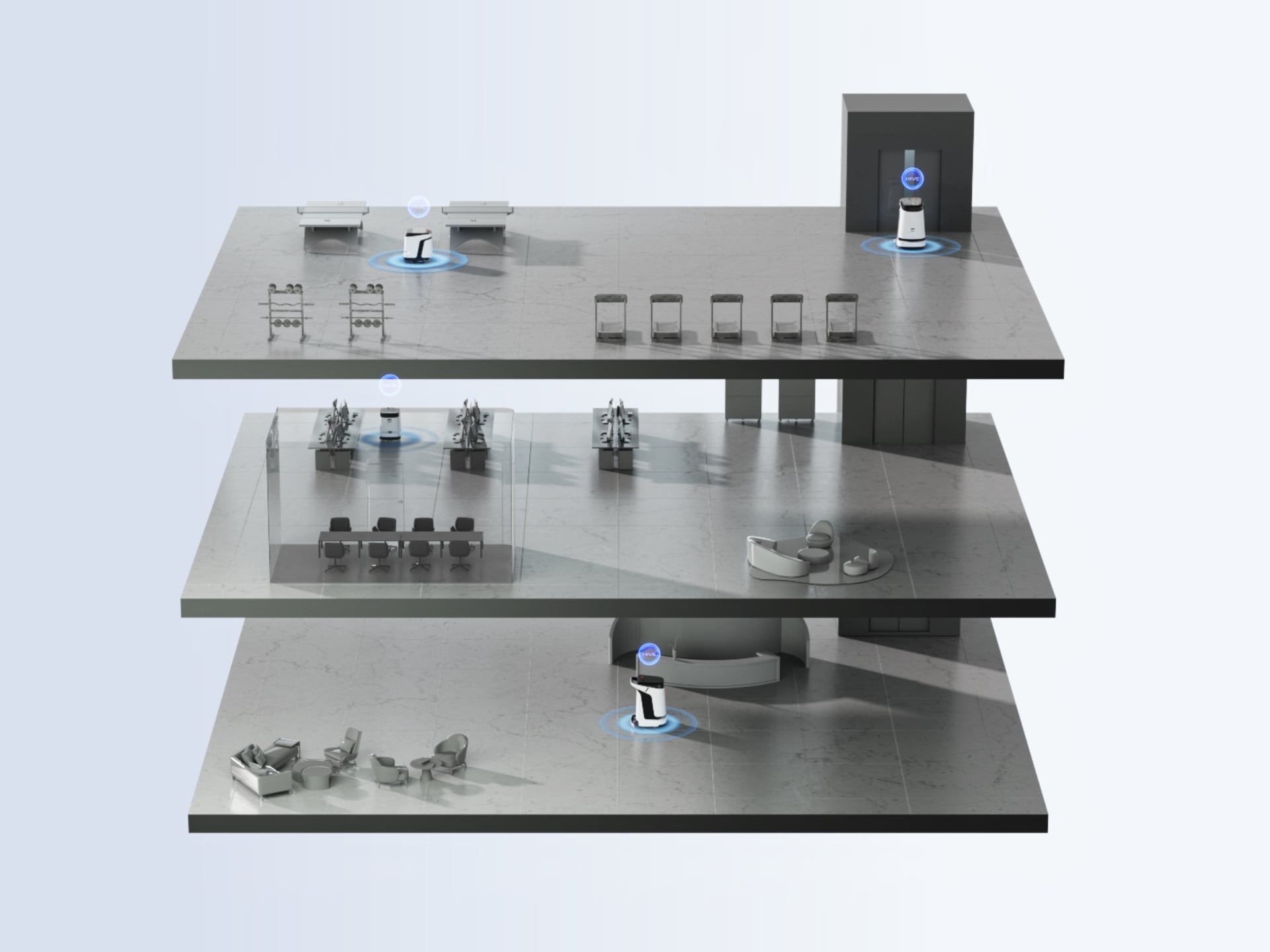
Industrial facilities face mounting pressure to enhance Environmental, Health, and Safety (EHS) performance while maintaining operational efficiency. Cleaning robots have emerged as a transformative solution that directly addresses multiple EHS challenges by reducing worker exposure to hazardous conditions, improving cleaning consistency, and minimizing the use of harmful chemicals. These automated systems represent a strategic investment in workplace safety that delivers measurable results across manufacturing, warehousing, and processing environments.
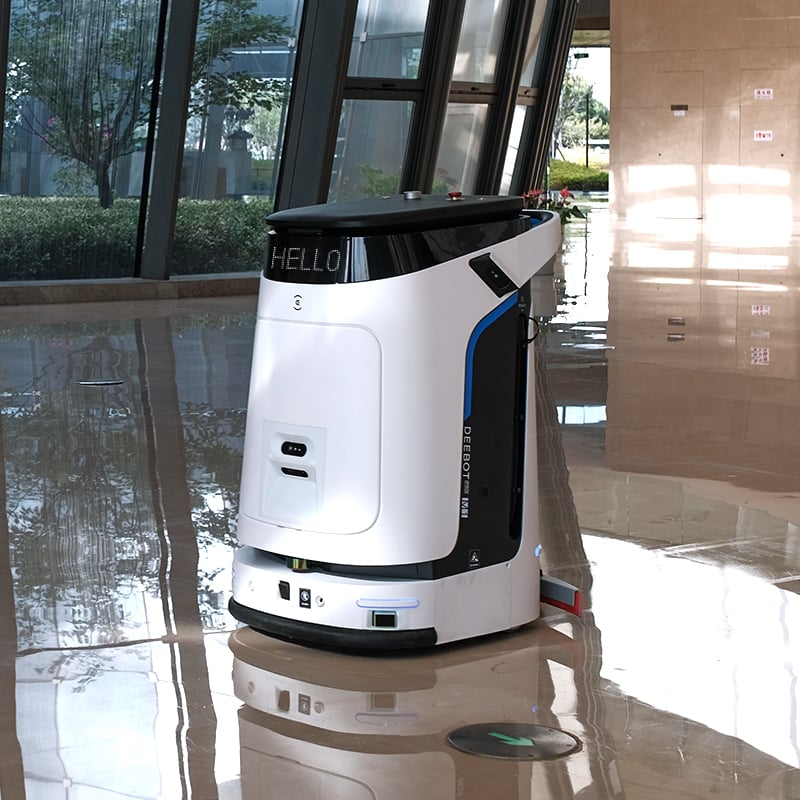
The implementation of cleaning robots in industrial settings creates a comprehensive approach to EHS improvement that goes beyond traditional cleaning methods. By automating routine cleaning tasks, these systems eliminate many risk factors associated with manual cleaning operations while establishing predictable, documentable safety protocols. Organizations that deploy cleaning robots strategically can achieve substantial improvements in incident reduction, regulatory compliance, and overall workplace health metrics within months of implementation.
Reducing Worker Exposure to Hazardous Environments
Eliminating Contact with Chemical Cleaning Agents
Cleaning robots significantly reduce worker exposure to potentially harmful chemical cleaning agents that are commonly used in industrial environments. Traditional cleaning methods often require workers to handle concentrated detergents, solvents, and disinfectants that can cause respiratory irritation, skin reactions, and long-term health complications. By deploying cleaning robots equipped with precise chemical dispensing systems, facilities can minimize direct human contact with these substances while maintaining thorough cleaning standards.
The automated chemical management capabilities of modern cleaning robots ensure consistent dilution ratios and controlled application, reducing the risk of over-exposure incidents. These systems can be programmed to use specific cleaning solutions for different areas, automatically adjusting chemical concentrations based on contamination levels and surface types. This precision reduces the overall volume of chemicals needed while improving safety outcomes for maintenance personnel who only need to refill containers rather than manually apply cleaning solutions.
Advanced cleaning robots also feature sealed chemical systems that prevent spills and vapor emissions during operation. This containment capability is particularly valuable in confined spaces or areas with poor ventilation where chemical exposure risks are elevated. Workers can initiate cleaning cycles remotely and monitor progress without entering potentially hazardous zones until the cleaning process is complete and the area has been properly ventilated.
Minimizing Physical Strain and Ergonomic Injuries
Manual cleaning operations in industrial settings frequently involve repetitive motions, heavy lifting, and awkward positioning that contribute to musculoskeletal injuries and long-term ergonomic problems. Cleaning robots eliminate these physical demands by performing scrubbing, mopping, and floor maintenance tasks autonomously. This reduction in manual labor directly translates to fewer workplace injuries related to lifting heavy equipment, pushing industrial floor scrubbers, or maintaining uncomfortable positions during detailed cleaning tasks.
The ergonomic benefits extend beyond immediate injury prevention to include reduced fatigue and improved worker productivity in other areas. When cleaning staff are not subjected to physically demanding cleaning routines, they can focus on higher-value tasks that require human judgment and expertise. This reallocation of human resources often results in better overall facility maintenance and improved attention to detail in critical safety inspections.
Industrial cleaning robots also eliminate the need for workers to clean elevated surfaces or navigate around heavy machinery, two scenarios that frequently result in falls and impact injuries. By handling these challenging cleaning tasks autonomously, cleaning robots create safer working conditions while ensuring thorough cleaning coverage in areas that might otherwise be neglected due to safety concerns.
Enhancing Air Quality and Environmental Conditions
Reducing Airborne Particles and Contaminants
Cleaning robots equipped with advanced filtration systems and dust control mechanisms significantly improve indoor air quality in industrial environments. These systems capture fine particles, allergens, and potentially harmful airborne contaminants that traditional cleaning methods often redistribute rather than remove. High-efficiency particulate air (HEPA) filtration integrated into cleaning robots can remove up to 99.97% of particles larger than 0.3 microns, creating cleaner air for workers and reducing respiratory health risks.
The consistent operation of cleaning robots maintains baseline air quality standards by preventing the accumulation of dust and debris that can become airborne during regular facility operations. This proactive approach to air quality management is particularly important in manufacturing environments where metal shavings, chemical residues, and organic particles can pose serious health risks when inhaled over extended periods. Regular automated cleaning cycles ensure that these contaminants are removed before they can accumulate to dangerous levels.
Modern cleaning robots also feature sealed waste collection systems that prevent the re-circulation of captured contaminants during operation. This containment capability is crucial for maintaining the air quality improvements achieved during cleaning cycles. The ability to monitor and document air quality improvements through integrated sensors provides valuable data for EHS reporting and regulatory compliance demonstrations.
Controlling Chemical Vapor Emissions
Precise chemical dispensing capabilities of cleaning robots help minimize vapor emissions that can contribute to poor indoor air quality and worker health concerns. Traditional cleaning methods often involve over-application of cleaning solutions, leading to excessive evaporation and vapor concentration in work areas. Cleaning robots address this issue through calibrated dispensing systems that apply exactly the amount of cleaning solution needed for effective cleaning without waste or excess vapor generation.
The controlled application also enables the use of more environmentally friendly cleaning solutions that may be less effective when applied manually but perform well under precise, consistent application conditions. This capability allows facilities to reduce their environmental impact while maintaining cleaning effectiveness. Many cleaning robots can be programmed to use different cleaning solutions for specific areas, optimizing chemical selection based on contamination types and environmental sensitivity.
Temperature and humidity control benefits also result from consistent cleaning robot operation. By maintaining cleaner surfaces and reducing organic matter accumulation, these systems help prevent conditions that promote mold growth and bacterial proliferation. This environmental control contributes to better overall air quality and reduces health risks associated with biological contaminants in industrial settings.
Improving Cleaning Consistency and Documentation
Establishing Reliable Cleaning Protocols
Cleaning robots provide unprecedented consistency in cleaning protocols that directly supports EHS compliance and risk management objectives. Unlike manual cleaning operations that can vary in quality and thoroughness depending on worker fatigue, time constraints, or training levels, cleaning robots execute identical cleaning patterns with the same intensity and coverage every time they operate. This reliability ensures that all areas receive adequate attention and that cleaning standards remain constant regardless of shift changes or personnel availability.
The programmable nature of cleaning robots allows facilities to customize cleaning protocols based on specific contamination risks, regulatory requirements, and operational schedules. Areas with higher contamination potential can receive more frequent or intensive cleaning cycles, while standard areas follow baseline protocols. This targeted approach optimizes cleaning effectiveness while ensuring that critical safety areas never fall below acceptable standards due to oversight or resource constraints.
Advanced cleaning robots also adapt their cleaning intensity based on real-time contamination detection, ensuring thorough cleaning in areas that require additional attention while maintaining efficient operation in cleaner zones. This intelligent response capability maintains consistent cleanliness standards while optimizing operational efficiency and reducing unnecessary wear on cleaning equipment and facility surfaces.
Creating Comprehensive Audit Trails
Modern cleaning robots generate detailed documentation of all cleaning activities, creating comprehensive audit trails that support EHS compliance reporting and regulatory inspections. These systems record cleaning times, areas covered, chemicals used, and any anomalies encountered during operation. This documentation provides objective evidence of cleaning compliance that is essential for meeting industrial hygiene standards and regulatory requirements.
The digital documentation capabilities eliminate gaps in cleaning records that commonly occur with manual cleaning logs. Automated reporting ensures that all cleaning activities are captured accurately and stored in formats that facilitate easy retrieval during audits or inspections. Many cleaning robots can integrate with facility management systems to provide real-time cleaning status updates and historical cleaning data analysis.
Pattern recognition capabilities in advanced cleaning robots also identify areas that consistently require additional cleaning attention, providing valuable data for facility design improvements and contamination source identification. This analytical capability helps facilities proactively address EHS risks by identifying and correcting conditions that contribute to excessive contamination or cleaning challenges.
Optimizing Chemical Usage and Waste Reduction
Precise Chemical Dispensing Systems
Cleaning robots incorporate sophisticated chemical dispensing systems that dramatically reduce chemical waste while improving cleaning effectiveness. These systems automatically calculate the optimal amount of cleaning solution needed based on surface type, contamination level, and area size, eliminating the guesswork and inconsistency associated with manual chemical application. This precision reduces chemical consumption by up to 30% compared to traditional cleaning methods while maintaining or improving cleaning results.
The automated dilution systems ensure that cleaning solutions are mixed to exact specifications every time, preventing the safety and environmental risks associated with improper chemical concentrations. Over-diluted solutions fail to clean effectively, requiring additional cleaning cycles and increased chemical usage, while over-concentrated solutions pose health risks and increase environmental impact. Cleaning robots eliminate these variables through precise, repeatable mixing protocols.
Multi-chemical capability in advanced cleaning robots allows for automatic selection of appropriate cleaning agents based on contamination type and location requirements. This intelligent chemical management reduces the inventory of cleaning chemicals needed while ensuring that the most effective and environmentally appropriate solutions are used for each specific cleaning task. The reduced chemical variety simplifies safety data sheet management and reduces training requirements for facility personnel.
Reducing Environmental Impact
The environmental benefits of cleaning robots extend beyond chemical reduction to include water conservation and waste minimization. Modern cleaning robots feature water recovery systems that capture and filter used cleaning water for reuse, reducing fresh water consumption and minimizing wastewater discharge. This capability is particularly valuable in facilities subject to water use restrictions or those seeking to reduce their environmental footprint.
Energy efficiency improvements also contribute to environmental goals while reducing operational costs. Cleaning robots optimize their cleaning paths and operate during off-peak hours when energy costs are lower and facility operations are minimal. Battery-powered cleaning robots can be scheduled to charge during periods of renewable energy availability, further reducing environmental impact while maintaining cleaning effectiveness.
The longer operational life and reduced maintenance requirements of cleaning robots compared to traditional cleaning equipment result in less manufacturing waste and reduced resource consumption over time. High-quality cleaning robots can operate reliably for years with minimal component replacement, providing better environmental value than frequent replacement of conventional cleaning equipment that experiences more wear due to manual operation and handling.
FAQ
How quickly can cleaning robots improve EHS metrics in industrial facilities?
Most industrial facilities see measurable EHS improvements within 30-60 days of implementing cleaning robots. Immediate benefits include reduced worker exposure incidents and improved cleaning consistency, while longer-term benefits such as air quality improvements and reduced chemical-related health complaints typically become evident within 3-6 months. The timeline depends on facility size, contamination levels, and the specific EHS challenges being addressed.
What training is required for workers to operate cleaning robots safely?
Basic operation of cleaning robots requires minimal training, typically 2-4 hours of instruction covering startup procedures, scheduling, and basic maintenance. Safety training focuses on understanding robot operating patterns, emergency stop procedures, and proper chemical handling for refilling systems. Most cleaning robots feature intuitive interfaces that minimize the learning curve while maintaining comprehensive safety protocols.
Can cleaning robots operate safely around other industrial equipment and workers?
Modern cleaning robots include advanced safety sensors and collision avoidance systems that enable safe operation in active industrial environments. These systems detect obstacles, moving equipment, and personnel, automatically adjusting cleaning paths or pausing operation as needed. Many facilities successfully operate cleaning robots during production hours in designated areas while scheduling them for comprehensive facility cleaning during off-hours.
How do cleaning robots handle different types of industrial contamination?
Advanced cleaning robots can be equipped with multiple cleaning solutions and adjustable cleaning intensity settings to address various contamination types including oil spills, metal shavings, chemical residues, and organic matter. Sensor technology allows these systems to detect contamination levels and automatically adjust cleaning protocols accordingly. Some models can even identify specific contaminant types and select appropriate cleaning methods without human intervention.
Table of Contents
- Reducing Worker Exposure to Hazardous Environments
- Enhancing Air Quality and Environmental Conditions
- Improving Cleaning Consistency and Documentation
- Optimizing Chemical Usage and Waste Reduction
-
FAQ
- How quickly can cleaning robots improve EHS metrics in industrial facilities?
- What training is required for workers to operate cleaning robots safely?
- Can cleaning robots operate safely around other industrial equipment and workers?
- How do cleaning robots handle different types of industrial contamination?