
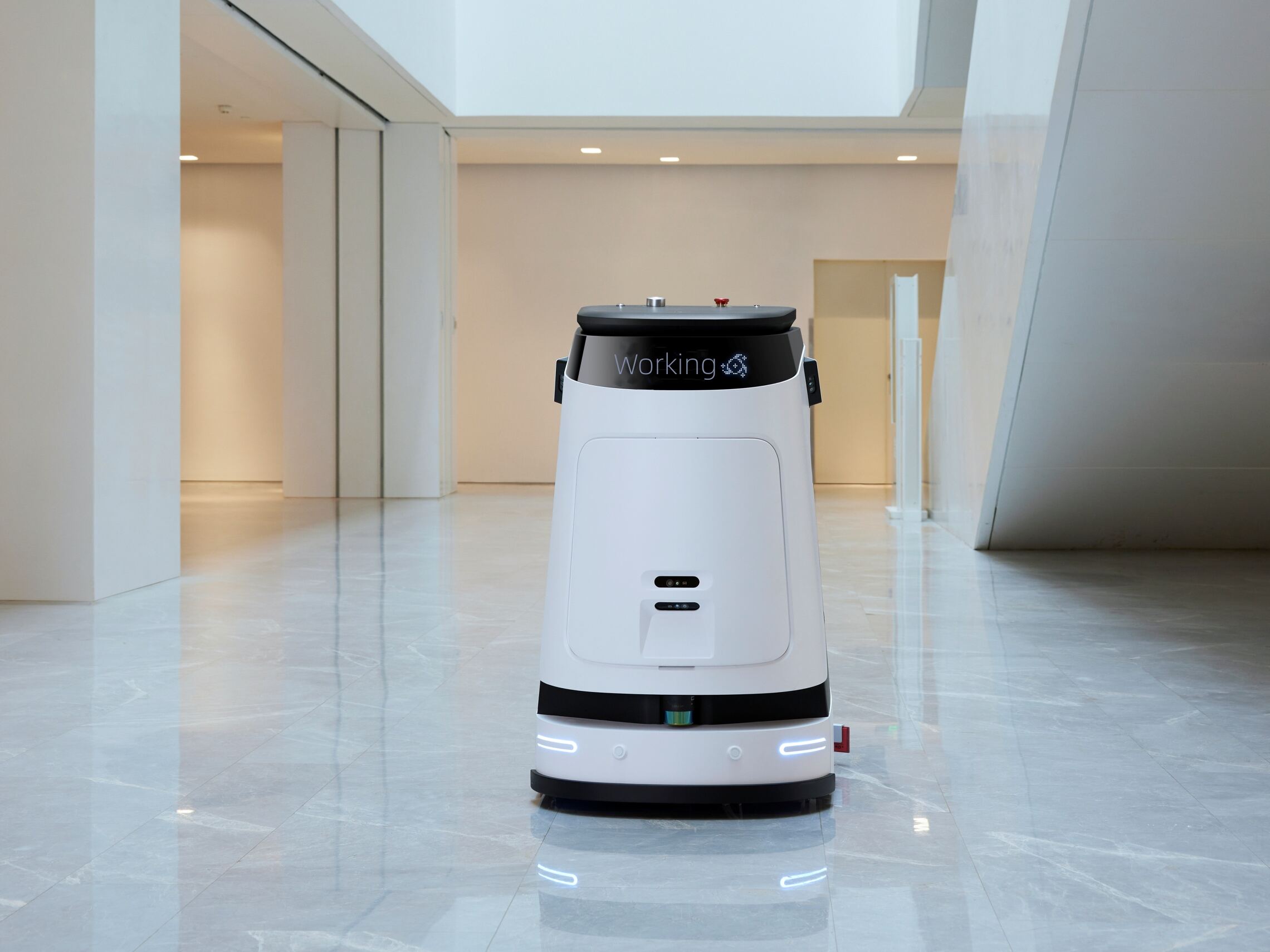
The modern industrial landscape demands efficient cleaning solutions that can maintain hygiene standards without disrupting operations. An industrial robot vacuum represents a revolutionary approach to automated cleaning in commercial and manufacturing environments. These sophisticated machines combine advanced robotics with powerful suction capabilities, designed specifically to handle the unique challenges of industrial spaces. Unlike residential robotic cleaners, industrial robot vacuum systems are engineered to tackle heavy-duty debris, operate in larger areas, and withstand demanding operational conditions. The selection process for the right industrial robot vacuum requires careful consideration of multiple technical and operational factors that directly impact cleaning efficiency and return on investment.
Understanding Industrial Robot Vacuum Technology
Core Components and Engineering
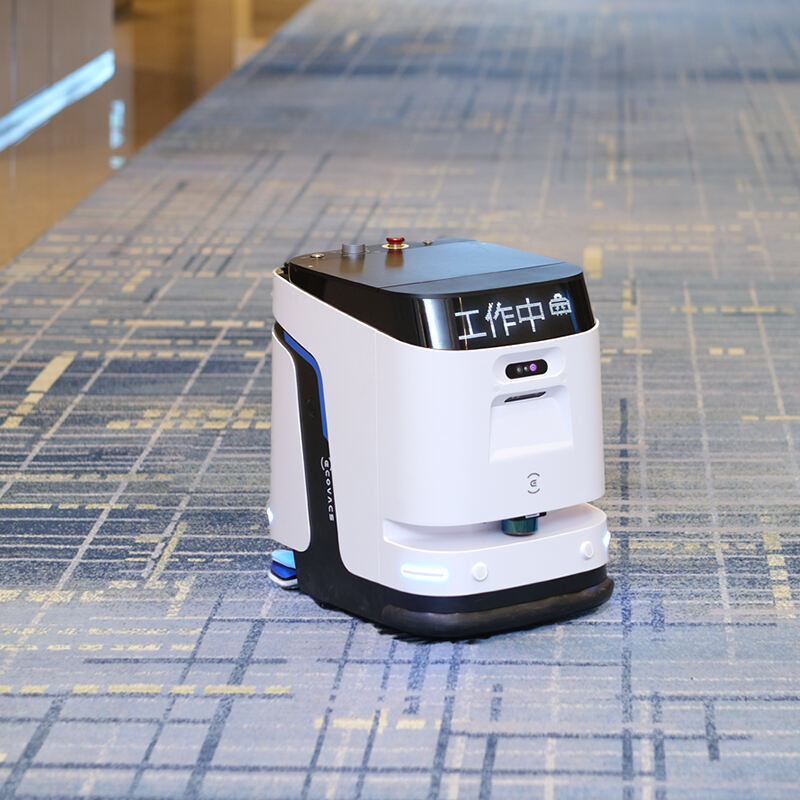
The foundation of any effective industrial robot vacuum lies in its sophisticated engineering and component integration. These machines incorporate advanced sensor arrays, including laser navigation systems, proximity detectors, and environmental mapping technology. The navigation system enables the industrial robot vacuum to create detailed floor plans and optimize cleaning patterns for maximum efficiency. High-capacity battery systems provide extended operational periods, typically ranging from two to six hours of continuous cleaning depending on the model and workload intensity.
The suction mechanism in an industrial robot vacuum differs significantly from consumer-grade alternatives. Industrial units feature multi-stage filtration systems capable of capturing fine particles, dust, and various debris types commonly found in manufacturing environments. The motor specifications are substantially more robust, delivering consistent suction power even when handling heavy debris loads. Additionally, the chassis construction utilizes industrial-grade materials designed to withstand impacts, chemical exposure, and temperature variations typical in industrial settings.
Automation and Smart Features
Modern industrial robot vacuum systems integrate artificial intelligence and machine learning algorithms to enhance cleaning performance over time. These smart features enable the vacuum to learn facility layouts, identify high-traffic areas requiring frequent attention, and adjust cleaning schedules based on operational patterns. Remote monitoring capabilities allow facility managers to track cleaning progress, receive maintenance alerts, and adjust operational parameters without physical intervention.
The connectivity features of an advanced industrial robot vacuum include Wi-Fi integration, smartphone applications, and compatibility with building management systems. This technological integration enables seamless incorporation into existing facility operations and provides valuable data insights regarding cleaning efficiency and maintenance requirements. Some models offer voice control capabilities and can integrate with popular smart building platforms for comprehensive facility automation.
Key Selection Criteria for Industrial Environments
Facility Size and Layout Considerations
The physical dimensions and layout complexity of your facility represent critical factors in selecting the appropriate industrial robot vacuum. Large manufacturing floors require units with extended battery life and efficient navigation systems capable of covering vast areas without frequent recharging. Complex layouts with machinery, obstacles, and varying floor surfaces demand advanced sensor technology and adaptive navigation capabilities to ensure comprehensive cleaning coverage.
Multi-level facilities present unique challenges that influence industrial robot vacuum selection. Some advanced models offer multi-floor mapping capabilities, allowing a single unit to service multiple levels when combined with appropriate access infrastructure. The presence of stairs, elevators, or significant elevation changes may necessitate multiple units or specialized models designed for specific floor configurations. Consider the workflow patterns and operational schedules to determine optimal deployment strategies for your industrial robot vacuum fleet.
Debris Types and Cleaning Requirements
Different industrial environments generate varying types of debris that directly impact the selection of an appropriate industrial robot vacuum. Manufacturing facilities producing metal components require units capable of handling metal shavings and fine particles without clogging or motor damage. Food processing environments demand models with specialized filtration systems and easy-to-clean components that meet sanitation standards and regulatory requirements.
Chemical resistance becomes crucial when selecting an industrial robot vacuum for facilities handling hazardous materials or aggressive cleaning agents. The housing materials, seals, and internal components must withstand exposure to various chemicals without degradation or safety risks. Additionally, consider the particle size distribution typical in your environment to ensure the filtration system can effectively capture and contain all debris types encountered during operations.
Performance Metrics and Evaluation Standards
Cleaning Efficiency Measurements
Evaluating the cleaning efficiency of an industrial robot vacuum requires analyzing multiple performance metrics beyond basic suction power. Coverage rate, measured in square feet per hour, indicates how quickly the unit can clean designated areas under normal operating conditions. This metric helps determine the number of units required to maintain cleanliness standards within your operational timeframes and schedules.
Debris pickup effectiveness varies significantly between different industrial robot vacuum models and depends on factors such as brush design, suction patterns, and surface adaptability. Look for units that demonstrate consistent performance across various debris types and floor surfaces commonly found in your facility. Independent testing results and manufacturer specifications provide valuable benchmarks for comparing different models and establishing realistic performance expectations.
Operational Reliability and Durability
The reliability of an industrial robot vacuum directly impacts operational continuity and total cost of ownership. Mean time between failures (MTBF) ratings provide insights into expected operational periods before major maintenance or component replacement becomes necessary. Higher MTBF ratings indicate more robust construction and reliable performance under continuous industrial use conditions.
Component accessibility and replaceability affect long-term maintenance costs and operational efficiency. Industrial robot vacuum models with easily accessible filters, brushes, and sensors reduce maintenance time and associated labor costs. Modular design approaches allow for component upgrades and customization based on evolving facility requirements or changing operational demands.
Integration with Existing Operations
Scheduling and Workflow Coordination
Successful implementation of an industrial robot vacuum requires careful coordination with existing operational schedules and workflow patterns. The cleaning schedule must complement production activities, maintenance windows, and personnel movements to maximize efficiency while minimizing disruptions. Advanced scheduling features allow for precise timing control and can automatically adjust based on production schedules or facility occupancy patterns.
Integration with existing facility management systems enables centralized control and monitoring of cleaning operations alongside other facility functions. This coordination ensures that industrial robot vacuum operations align with energy management, security systems, and environmental controls. The ability to integrate with existing infrastructure reduces implementation complexity and provides a unified approach to facility automation and management.
Safety and Compliance Considerations
Safety protocols and regulatory compliance represent critical aspects of industrial robot vacuum deployment in commercial environments. The units must operate safely around personnel, equipment, and potentially hazardous materials without creating additional risks or safety concerns. Emergency stop capabilities, obstacle detection systems, and fail-safe mechanisms ensure safe operation even in unexpected situations or equipment malfunctions.
Compliance with industry-specific regulations and standards may influence the selection of appropriate industrial robot vacuum models. Food processing facilities require units that meet FDA guidelines and sanitation standards, while pharmaceutical environments may need compliance with GMP regulations. Chemical processing facilities require explosion-proof ratings and specialized safety certifications to ensure safe operation in potentially hazardous environments.
Cost Analysis and Return on Investment
Initial Investment and Total Cost of Ownership
The financial evaluation of an industrial robot vacuum investment extends beyond the initial purchase price to encompass total cost of ownership over the expected operational lifetime. Maintenance costs, including replacement parts, scheduled servicing, and potential repairs, significantly impact the overall financial equation. Energy consumption patterns and operational efficiency directly affect ongoing operational expenses and should be factored into cost projections.
Labor cost savings represent a major component of the return on investment calculation for industrial robot vacuum systems. The reduction in manual cleaning labor, improved cleaning consistency, and potential for extended operational hours contribute to substantial cost savings over time. Additionally, improved cleanliness standards and reduced contamination risks can lead to indirect savings through reduced product defects, improved worker health, and enhanced operational efficiency.
Productivity and Operational Benefits
Beyond direct cost savings, an industrial robot vacuum provides numerous productivity benefits that enhance overall operational performance. Consistent cleaning schedules ensure maintained cleanliness standards regardless of staffing levels or schedule changes. The ability to operate during off-hours maximizes facility utilization and ensures clean environments for each operational shift without impacting production activities.
Data collection capabilities of modern industrial robot vacuum systems provide valuable insights into facility usage patterns, maintenance requirements, and operational optimization opportunities. This information enables facility managers to make informed decisions regarding space utilization, equipment placement, and operational procedures that can lead to additional efficiency improvements and cost savings beyond the direct cleaning benefits.
Maintenance and Support Requirements
Preventive Maintenance Programs
Establishing a comprehensive preventive maintenance program ensures optimal performance and longevity of your industrial robot vacuum investment. Regular maintenance schedules should include filter replacement, brush inspection and cleaning, sensor calibration, and battery health monitoring. The frequency of these maintenance activities depends on operational intensity, environmental conditions, and manufacturer recommendations specific to your chosen model.
Training facility personnel in basic maintenance procedures reduces dependency on external service providers and enables quick resolution of minor issues. Many industrial robot vacuum manufacturers provide training programs and certification courses to help facility staff develop the necessary skills for routine maintenance and troubleshooting. This internal capability reduces operational disruptions and maintenance costs while ensuring consistent system performance.
Technical Support and Service Networks
The availability and quality of technical support services significantly impact the long-term success of industrial robot vacuum implementation. Evaluate the manufacturer's service network coverage, response times, and technical expertise levels to ensure adequate support for your operational requirements. Local service availability reduces downtime and ensures rapid resolution of technical issues that may arise during operation.
Remote diagnostic capabilities enable proactive maintenance and troubleshooting without requiring on-site service visits for many common issues. Advanced industrial robot vacuum systems can transmit diagnostic information and performance data to service centers, allowing technicians to identify potential problems before they result in operational failures. This proactive approach minimizes unexpected downtime and optimizes maintenance scheduling.
FAQ
What factors determine the appropriate size of industrial robot vacuum for my facility
The appropriate size depends on your facility's total square footage, layout complexity, and operational requirements. Larger facilities typically require units with extended battery life and higher capacity debris collection systems. Complex layouts with numerous obstacles may benefit from smaller, more maneuverable units or multiple coordinated systems. Consider your cleaning frequency requirements and available charging infrastructure when determining the optimal size configuration for your specific application.
How do industrial robot vacuums perform on different floor surfaces
Modern industrial robot vacuum systems are designed to handle various floor surfaces including concrete, tile, epoxy coatings, and industrial carpeting. Advanced models automatically adjust suction power and brush settings based on detected surface types. However, extremely rough or uneven surfaces may require specialized models or additional preparation to ensure optimal cleaning performance. Evaluate your specific floor conditions and consult with manufacturers regarding surface compatibility before making final selections.
What safety features should I look for in an industrial robot vacuum
Essential safety features include obstacle detection systems, emergency stop capabilities, and automatic shutdown mechanisms for abnormal conditions. Look for units with certified safety ratings appropriate for your industrial environment, especially in areas with potentially hazardous materials or explosive atmospheres. Anti-tip mechanisms, collision avoidance systems, and personnel detection capabilities ensure safe operation around workers and equipment during normal operations.
How long does it typically take to see return on investment from an industrial robot vacuum
Return on investment periods typically range from 12 to 36 months depending on facility size, labor costs, and operational intensity. Facilities with high labor costs and extensive cleaning requirements often see faster payback periods due to greater labor savings potential. Consider indirect benefits such as improved cleanliness consistency, reduced contamination risks, and enhanced operational efficiency when calculating total return on investment for your industrial robot vacuum implementation.
Table of Contents
- Understanding Industrial Robot Vacuum Technology
- Key Selection Criteria for Industrial Environments
- Performance Metrics and Evaluation Standards
- Integration with Existing Operations
- Cost Analysis and Return on Investment
- Maintenance and Support Requirements
-
FAQ
- What factors determine the appropriate size of industrial robot vacuum for my facility
- How do industrial robot vacuums perform on different floor surfaces
- What safety features should I look for in an industrial robot vacuum
- How long does it typically take to see return on investment from an industrial robot vacuum