
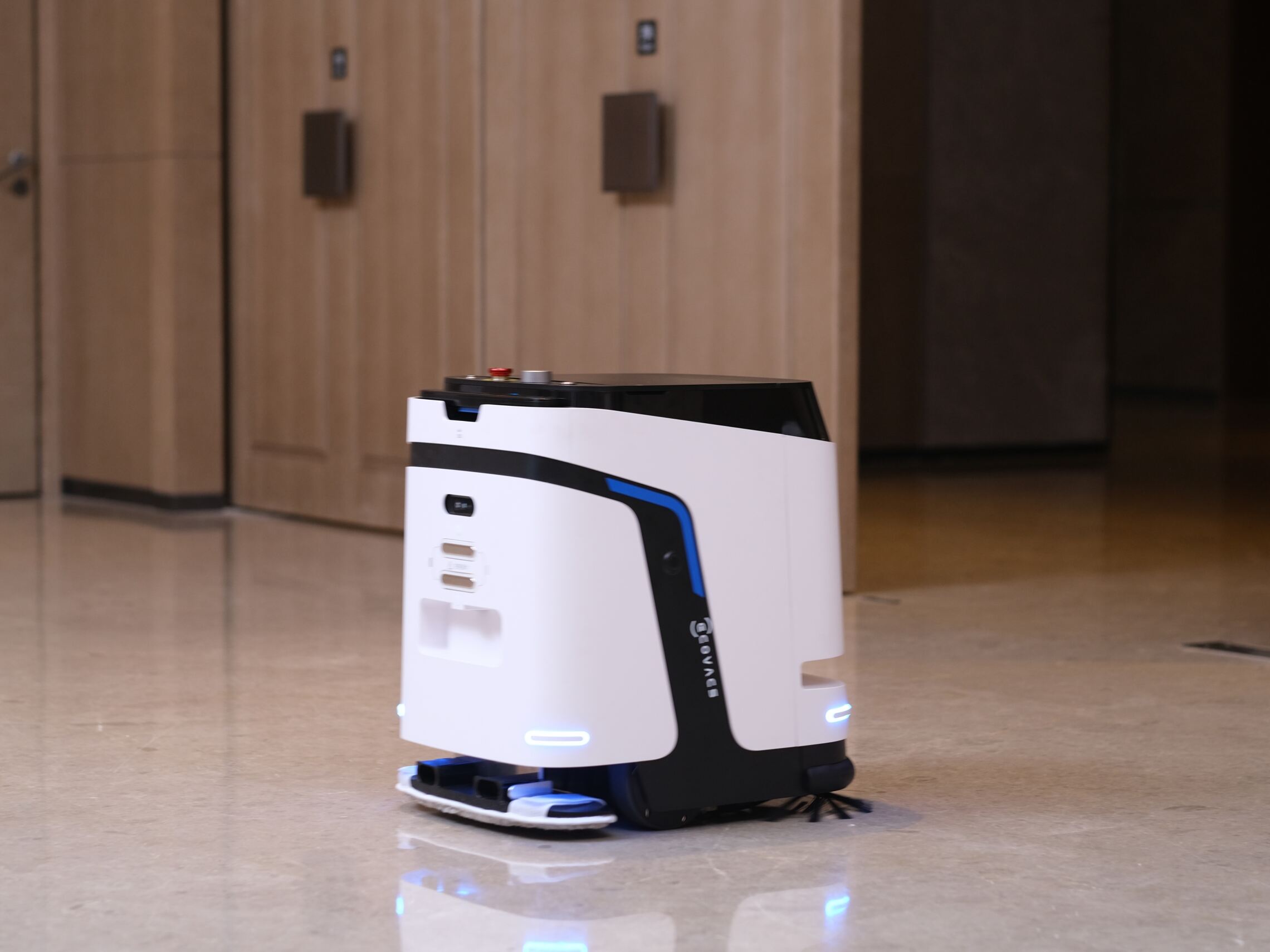
Selecting the right commercial floor scrubber for your facility requires careful consideration of multiple factors including floor type, facility size, cleaning frequency, and operational efficiency. Modern businesses are increasingly recognizing that investing in a high-quality commercial floor scrubber can significantly reduce labor costs while improving cleaning standards and maintaining professional appearances. Understanding the various types of scrubbers available and matching their capabilities to your specific cleaning requirements will ensure you make an informed decision that delivers long-term value for your organization.
Types of Commercial Floor Scrubbers
Walk Behind Floor Scrubbers
Walk behind commercial floor scrubber models represent the most common choice for small to medium-sized facilities. These units typically feature compact designs that allow operators to maneuver easily around obstacles while maintaining consistent cleaning pressure and solution distribution. Most walk behind models offer adjustable handle heights and intuitive controls that minimize operator fatigue during extended cleaning sessions. The cleaning path widths generally range from 13 to 20 inches, making them ideal for retail stores, small offices, and restaurants where space constraints require precision navigation.
The operational efficiency of walk behind scrubbers depends heavily on their brush pressure systems and solution recovery capabilities. Quality units incorporate floating deck designs that automatically adjust to floor irregularities while maintaining optimal brush contact pressure. Advanced models also feature separate clean and dirty water tanks with clear visual indicators, allowing operators to monitor solution levels and maintain consistent cleaning performance throughout their shifts.
Rider Floor Scrubbers
Rider commercial floor scrubber machines are designed for large facilities where productivity and operator comfort are paramount. These units typically feature cleaning paths ranging from 26 to 40 inches, allowing single operators to cover extensive floor areas in significantly less time compared to walk behind alternatives. The ergonomic seating and steering systems reduce operator fatigue while providing excellent visibility of the cleaning path and surrounding obstacles.
Modern rider scrubbers incorporate sophisticated onboard diagnostics that monitor system performance, track maintenance schedules, and provide real-time feedback on cleaning efficiency. Many models offer programmable cleaning settings that can be customized for different floor types and soil conditions, ensuring consistent results across diverse facility areas. The larger solution tanks and extended battery life make rider units particularly suitable for warehouses, manufacturing facilities, and large retail spaces.
Robotic Floor Scrubbers
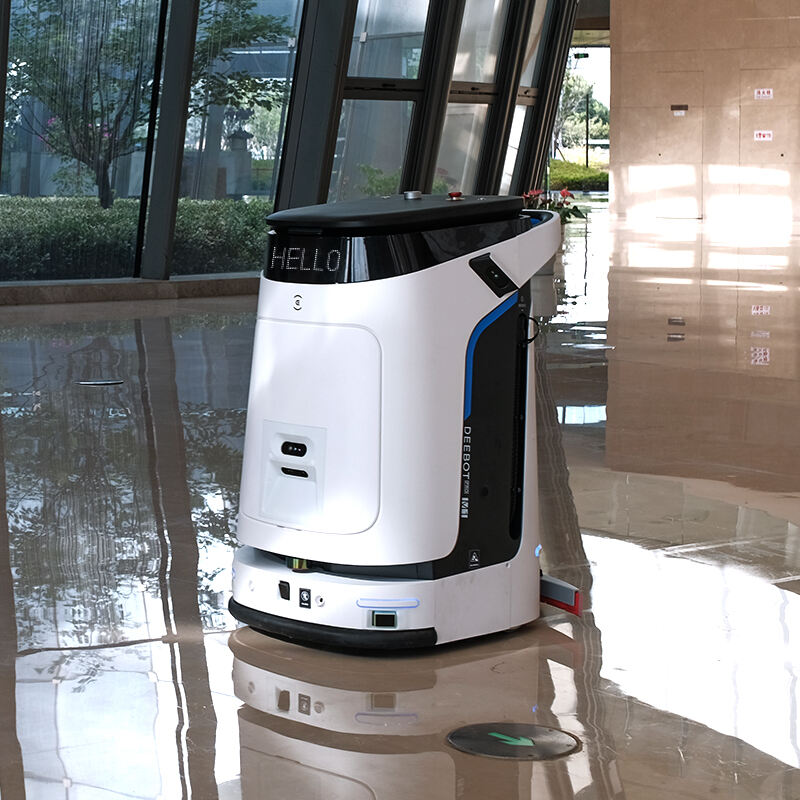
Robotic commercial floor scrubber technology represents the latest advancement in autonomous cleaning solutions. These intelligent machines utilize advanced sensors, mapping technology, and artificial intelligence to navigate facilities independently while delivering consistent cleaning results. The initial investment in robotic scrubbers is typically higher than traditional models, but the reduced labor requirements and 24/7 operational capability often provide excellent return on investment for appropriate applications.
The sophisticated navigation systems in robotic scrubbers create detailed facility maps that optimize cleaning routes and ensure complete floor coverage without human intervention. Many units can be programmed to operate during off hours, minimizing disruption to business operations while maintaining pristine floor conditions. The integration of IoT connectivity allows facility managers to monitor cleaning progress, schedule maintenance, and adjust cleaning parameters remotely through smartphone applications or web portals.
Key Features to Consider
Cleaning Path Width and Coverage
The cleaning path width of your chosen commercial floor scrubber directly impacts productivity and operational efficiency. Wider cleaning paths reduce the number of passes required to clean large areas, but may compromise maneuverability in tight spaces or around obstacles. Facilities with long, straight corridors benefit from wider cleaning paths, while areas with numerous partitions, furniture, or equipment may require narrower units for optimal access and coverage.
Consider the total square footage of your facility and calculate the potential time savings associated with different cleaning path widths. A facility with 50,000 square feet of floor space could reduce cleaning time by 30-40% when upgrading from a 15-inch to a 20-inch cleaning path, assuming similar operational speeds and efficiency ratings. However, ensure that the wider unit can still navigate through doorways, elevator openings, and storage areas without difficulty.
Battery Life and Charging Systems
Battery performance significantly affects the operational flexibility and productivity of your commercial floor scrubber. Lithium-ion batteries generally provide longer run times, faster charging cycles, and reduced maintenance compared to traditional lead-acid alternatives. Consider units that offer at least 3-4 hours of continuous operation to minimize charging interruptions during regular cleaning schedules.
Advanced charging systems with opportunity charging capabilities allow operators to top off batteries during breaks or shift changes, extending operational time without requiring full charging cycles. Some commercial floor scrubber models feature removable battery packs that enable continuous operation by swapping depleted batteries with charged replacements. Evaluate your facility's power infrastructure and determine whether standard 110V charging or higher-voltage rapid charging systems better suit your operational requirements.
Water Tank Capacity and Management
Solution tank capacity determines how long your commercial floor scrubber can operate before requiring refilling, directly impacting productivity and operational workflow. Larger tanks reduce refilling frequency but increase machine weight and may affect maneuverability in confined spaces. Most commercial applications benefit from machines with recovery tank capacities between 15 to 30 gallons, providing adequate operational time while maintaining reasonable machine dimensions.
Look for models with separate solution and recovery tanks that include visual indicators or electronic monitoring systems. Quick-fill and quick-drain features significantly reduce downtime between cleaning sessions, while tool-free tank removal simplifies emptying and cleaning procedures. Some advanced units incorporate automatic solution mixing systems that ensure consistent cleaning chemical concentrations without requiring manual measurement or mixing.
Floor Type Compatibility
Hard Surface Floors
Hard surface floors including concrete, terrazzo, ceramic tile, and sealed stone require commercial floor scrubber models with appropriate brush types and pressure settings. Concrete floors often benefit from more aggressive brush materials and higher pressure settings to remove embedded dirt and stains, while delicate surfaces like polished stone require softer brushes and gentler cleaning action to prevent scratching or damage.
Consider scrubbers with adjustable down pressure settings that allow operators to customize cleaning intensity based on soil conditions and surface sensitivity. Models with multiple brush options enable facilities to switch between different cleaning requirements without purchasing separate machines. The ability to use different cleaning chemicals through adjustable solution flow rates provides additional flexibility for maintaining various hard surface types within the same facility.
Specialty Flooring Considerations
Facilities with specialty flooring materials such as rubber, vinyl composition tile, or epoxy coatings require careful commercial floor scrubber selection to prevent damage while achieving effective cleaning results. Rubber floors in healthcare or fitness facilities need scrubbers with appropriate brush hardness to remove contaminants without compromising the surface texture or slip resistance properties.
Epoxy-coated floors common in manufacturing and warehouse environments may require specific brush materials and cleaning solutions to maintain the coating integrity while removing industrial soils and residues. Consult with flooring manufacturers or suppliers to understand recommended cleaning procedures and ensure your chosen scrubber complies with warranty requirements and maintenance specifications.
Operational Efficiency and Cost Considerations
Total Cost of Ownership
Evaluating the total cost of ownership for your commercial floor scrubber involves analyzing initial purchase price, maintenance expenses, consumable costs, and operational efficiency over the machine's expected lifespan. Higher-quality units typically command premium prices but often deliver lower per-hour operating costs through improved reliability, longer component life, and reduced maintenance requirements.
Factor in the cost of replacement brushes, squeegees, batteries, and filters when comparing different models. Some manufacturers offer comprehensive service packages that include regular maintenance, parts replacement, and technical support for predictable monthly fees. Calculate the potential labor savings achieved through improved cleaning efficiency and reduced manual cleaning requirements to determine the true return on investment for your commercial floor scrubber investment.
Maintenance Requirements and Support
Regular maintenance is essential for maintaining optimal performance and extending the operational life of your commercial floor scrubber. Look for models with easily accessible components that simplify routine maintenance tasks such as brush replacement, squeegee adjustment, and filter cleaning. Units with diagnostic systems that provide maintenance alerts and troubleshooting guidance help prevent costly breakdowns and minimize unplanned downtime.
Consider the availability of local service support and parts inventory when selecting your scrubber. Manufacturers with extensive dealer networks and regional service centers can provide faster response times and reduced service costs compared to brands with limited local representation. Evaluate warranty terms, service agreements, and parts availability to ensure long-term support for your investment.
Sizing Your Commercial Floor Scrubber
Facility Size Assessment
Accurately measuring your facility's cleanable floor area helps determine the appropriate size and capacity for your commercial floor scrubber selection. Include all areas that require regular scrubbing including main corridors, work areas, storage spaces, and public areas while noting any obstacles, elevation changes, or access restrictions that might affect machine selection.
Create a facility map showing traffic patterns, soil accumulation areas, and cleaning frequency requirements for different zones. High-traffic areas may require more frequent cleaning or more aggressive scrubbing action, while low-traffic storage areas might need only periodic maintenance cleaning. This information helps match scrubber capabilities to actual cleaning demands while optimizing productivity and resource utilization.
Productivity and Time Requirements
Calculate the required cleaning productivity based on available time windows and facility scheduling constraints. Most commercial floor scrubber units provide manufacturer specifications for coverage rates under ideal conditions, but real-world productivity depends on factors such as soil conditions, obstacle density, and operator experience.
Plan for cleaning productivity rates approximately 20-30% lower than manufacturer specifications to account for setup time, tank refilling, obstacle navigation, and varying soil conditions. Facilities operating multiple shifts may benefit from faster, more efficient scrubbers that can complete cleaning tasks during shorter maintenance windows, while single-shift operations might prioritize cost-effectiveness over maximum productivity.
Advanced Technology Features
Smart Controls and Automation
Modern commercial floor scrubber models increasingly incorporate smart technology features that enhance operational efficiency and reduce operator training requirements. Touchscreen control panels provide intuitive interfaces for adjusting cleaning parameters, monitoring system status, and accessing diagnostic information without requiring extensive technical knowledge.
Programmable cleaning modes allow operators to select pre-configured settings optimized for different floor types and soil conditions, ensuring consistent results regardless of operator experience level. Some models feature automatic solution mixing systems that maintain optimal chemical concentrations while tracking usage patterns and predicting refill requirements. These automation features reduce human error while improving cleaning consistency across multiple operators and shifts.
Connectivity and Fleet Management
IoT-enabled commercial floor scrubber models provide valuable data insights through cloud-based monitoring platforms that track machine performance, maintenance schedules, and cleaning productivity metrics. Fleet management systems allow facility managers to monitor multiple machines across different locations while optimizing maintenance schedules and resource allocation.
Remote diagnostic capabilities enable service technicians to identify potential issues before they cause equipment failures, reducing downtime and repair costs. Usage data analytics help optimize cleaning schedules, identify training opportunities, and demonstrate cleaning program effectiveness to facility stakeholders. Consider the value of these advanced features relative to your facility's operational complexity and management requirements.
Environmental Impact and Sustainability
Water and Chemical Conservation
Selecting an environmentally responsible commercial floor scrubber contributes to sustainability goals while potentially reducing operational costs through improved resource efficiency. Look for models with precise solution flow controls that minimize water and chemical consumption while maintaining effective cleaning performance.
Some advanced scrubbers incorporate recycling systems that filter and reuse solution water multiple times during cleaning cycles, significantly reducing total water consumption compared to traditional single-pass systems. Evaluate the compatibility of different models with environmentally friendly cleaning chemicals and consider the long-term impact of your cleaning program on environmental compliance and sustainability reporting.
Energy Efficiency and Emissions
Energy-efficient commercial floor scrubber designs help reduce operational costs while supporting corporate environmental initiatives. Lithium-ion battery systems typically provide better energy efficiency compared to lead-acid alternatives, while also eliminating the need for ventilated charging areas and reducing maintenance requirements.
Consider the overall energy consumption of your chosen scrubber including charging requirements, pump motor efficiency, and vacuum system power draw. Some manufacturers provide detailed energy consumption data that allows accurate calculation of operational costs and environmental impact over the machine's expected lifespan.
FAQ
What size commercial floor scrubber do I need for a 20000 square foot facility
For a 20,000 square foot facility, a commercial floor scrubber with a cleaning path width between 20-26 inches typically provides the best balance of productivity and maneuverability. Walk-behind units work well for facilities with numerous obstacles, while rider scrubbers increase efficiency in open areas. Consider your facility layout, obstacle density, and available cleaning time when making the final selection. Most facilities this size benefit from machines that can complete cleaning in 3-4 hours of operation.
How often should I replace the brushes on my commercial floor scrubber
Brush replacement frequency depends on usage intensity, floor surface abrasiveness, and soil conditions, but most commercial floor scrubber brushes require replacement every 40-80 hours of operation. Hard surfaces and aggressive cleaning applications wear brushes faster than smooth floors with light soil loads. Monitor brush wear patterns regularly and replace brushes when bristles show significant wear, uneven patterns, or reduced cleaning effectiveness. Rotating brush positions periodically can extend overall brush life.
Can I use any cleaning chemical in my commercial floor scrubber
Not all cleaning chemicals are compatible with commercial floor scrubber systems, and using inappropriate solutions can damage internal components or void warranties. Use only manufacturer-approved cleaning chemicals or products specifically designed for automatic scrubber applications. Avoid high-foaming detergents that can damage vacuum systems, acidic solutions that may corrode metal components, or abrasive cleaners that accelerate brush and squeegee wear. Consult your machine manual and chemical supplier for compatibility recommendations.
What maintenance is required for optimal commercial floor scrubber performance
Regular maintenance for commercial floor scrubber equipment includes daily cleaning of recovery tanks, weekly brush and squeegee inspection, monthly battery maintenance, and periodic replacement of worn components. Clean solution tanks thoroughly to prevent bacterial growth, check squeegee blade condition for proper water recovery, and inspect brushes for wear patterns. Professional service every 200-300 operating hours ensures optimal performance and identifies potential issues before they cause expensive repairs or downtime.