Managing commercial cleaning costs while maintaining pristine facility standards presents a complex challenge that businesses across industries face daily. The pressure to reduce operational expenses often conflicts with the need to preserve professional appearances and ensure healthy work environments, creating a delicate balance that requires strategic planning and innovative solutions.
Smart business leaders understand that cutting commercial cleaning costs doesn't mean compromising on cleanliness standards or employee satisfaction. Through careful analysis of cleaning operations, strategic resource allocation, and adoption of efficient technologies, organizations can achieve substantial cost reductions while enhancing overall cleaning effectiveness and maintaining the professional image that clients and employees expect.
Understanding Your Current Commercial Cleaning Cost Structure
Analyzing Labor-Related Expenses
Labor typically represents the largest component of commercial cleaning costs, often accounting for 70-80% of total cleaning expenses. Understanding how these costs accumulate requires examining hourly wages, overtime premiums, benefits packages, and productivity metrics across different cleaning tasks. Many businesses discover inefficiencies in their current staffing models when they conduct thorough time-and-motion studies of cleaning operations.
Effective cost analysis involves tracking the time spent on specific cleaning activities, identifying peak demand periods, and evaluating whether current staffing levels align with actual cleaning requirements. This detailed examination often reveals opportunities to optimize commercial cleaning costs through better scheduling, task prioritization, and resource allocation without reducing cleaning frequency or thoroughness.
Documentation of current cleaning workflows helps identify redundant activities, unnecessary travel time between areas, and tasks that could be streamlined or automated. This baseline assessment becomes the foundation for implementing cost-reduction strategies that maintain or improve cleaning quality while reducing overall labor expenses.
Evaluating Supply and Equipment Costs
Beyond labor expenses, commercial cleaning costs include significant investments in cleaning supplies, equipment, and maintenance. Analyzing these expenses requires examining purchasing patterns, usage rates, and the actual effectiveness of current products and tools. Many organizations find they can reduce costs by consolidating suppliers, negotiating bulk pricing agreements, or switching to more concentrated cleaning solutions.
Equipment costs extend beyond initial purchase prices to include maintenance, repairs, energy consumption, and replacement cycles. Evaluating the total cost of ownership for cleaning equipment helps identify opportunities to upgrade to more efficient models that reduce long-term operational expenses while improving cleaning performance and reliability.
Regular audits of cleaning supply inventory often reveal waste, overordering, or use of expensive products where less costly alternatives could achieve similar results. This analysis enables businesses to optimize their supply chain management and reduce unnecessary commercial cleaning costs without compromising cleaning effectiveness.
Strategic Workflow Optimization Techniques
Implementing Zone-Based Cleaning Schedules
Zone-based cleaning approaches can dramatically reduce commercial cleaning costs by optimizing staff movement patterns and task completion efficiency. This methodology involves dividing facilities into logical cleaning zones based on traffic patterns, contamination levels, and cleaning requirements, then assigning specific staff members to designated areas during predetermined time periods.
Effective zone management reduces travel time between cleaning tasks, minimizes equipment transportation needs, and allows cleaning staff to develop specialized expertise in their assigned areas. This focused approach often results in faster task completion, improved cleaning consistency, and reduced labor costs while maintaining high quality standards across all facility areas.
Implementation requires careful mapping of facility layouts, analysis of cleaning requirements for different zones, and development of standardized procedures that ensure consistent quality delivery. The resulting efficiency gains typically translate into measurable reductions in commercial cleaning costs within the first few months of implementation.
Prioritizing High-Impact Cleaning Activities
Strategic prioritization of cleaning activities based on their impact on facility appearance and hygiene allows businesses to focus resources on tasks that deliver maximum value while reducing emphasis on lower-priority activities. This approach requires identifying which cleaning tasks most significantly influence visitor impressions, employee satisfaction, and health outcomes.
High-impact areas typically include reception areas, conference rooms, restrooms, and food service spaces where visible cleanliness directly affects business operations and reputation. Concentrating cleaning efforts on these critical zones while adjusting frequency for less visible areas can reduce overall commercial cleaning costs without compromising the professional appearance that matters most to stakeholders.
Data collection on foot traffic patterns, contamination rates, and visual impact helps establish evidence-based cleaning schedules that align resource allocation with actual needs rather than traditional approaches that may over-clean some areas while under-serving others.
Technology Integration for Cost Efficiency
Automated Cleaning Solutions
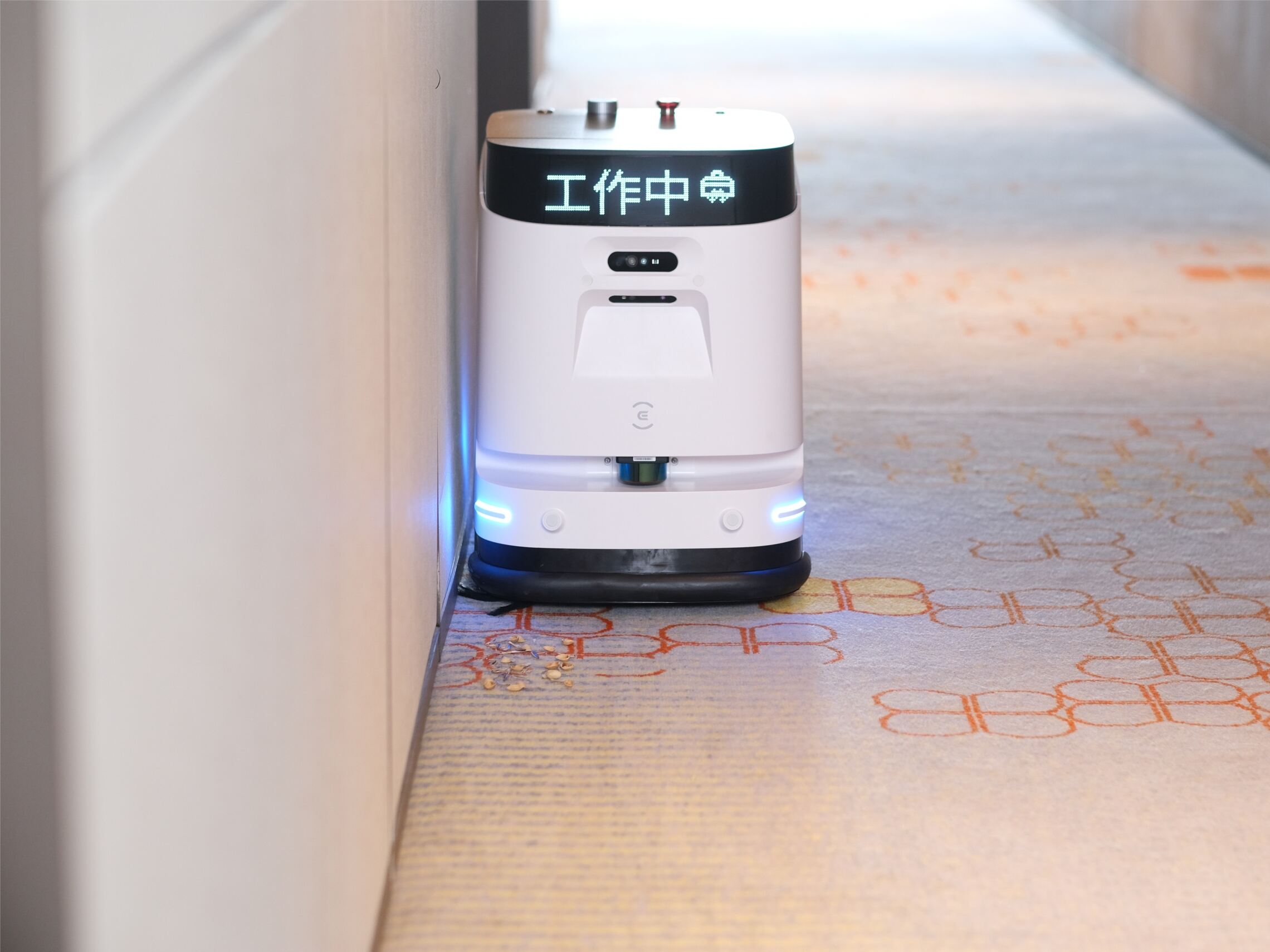
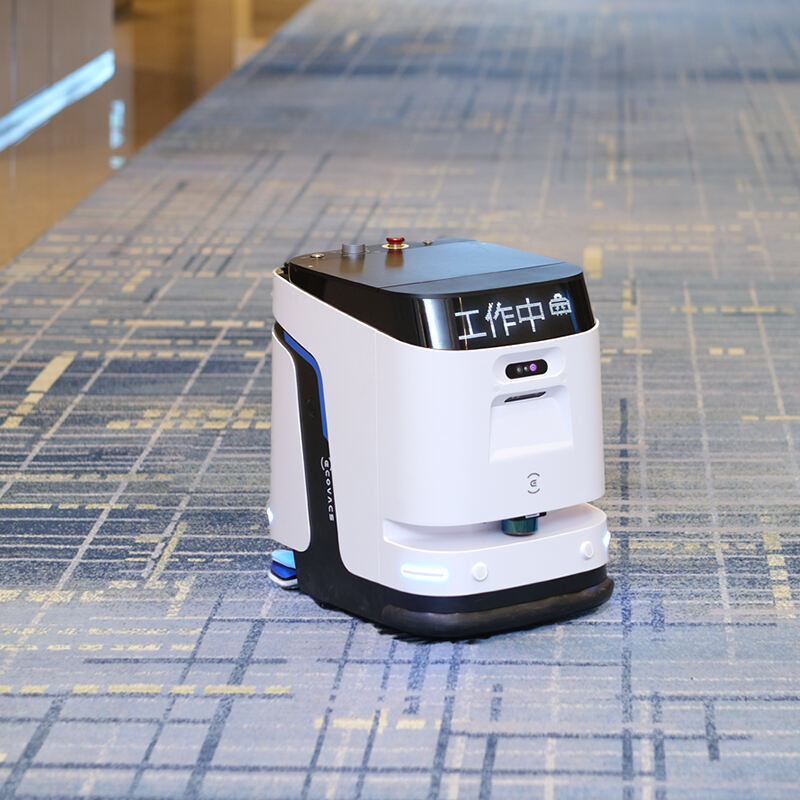
Modern automated cleaning technologies offer significant opportunities to reduce commercial cleaning costs while maintaining or improving cleaning quality through consistent performance and reduced labor requirements. Robotic vacuum systems, automated floor scrubbers, and smart dispensing systems can handle routine cleaning tasks with minimal human supervision, freeing staff to focus on complex cleaning challenges that require human judgment and dexterity.
Implementation of automated systems requires careful evaluation of facility layouts, cleaning requirements, and return on investment calculations. While initial equipment costs may seem substantial, the long-term reduction in labor expenses, improved cleaning consistency, and enhanced productivity often justify the investment within 12-24 months of deployment.
Integration strategies should consider how automated solutions complement existing cleaning workflows rather than completely replacing human staff. This hybrid approach maximizes efficiency gains while maintaining the flexibility and problem-solving capabilities that human cleaners provide for unusual cleaning challenges or customer service interactions.
Smart Monitoring and Management Systems
Advanced monitoring technologies enable precise tracking of cleaning activities, supply consumption, and equipment performance, providing the data needed to optimize commercial cleaning costs through informed decision-making. IoT sensors, mobile applications, and cloud-based management platforms offer real-time visibility into cleaning operations that was previously impossible to achieve.
These systems can automatically track cleaning completion rates, identify areas requiring additional attention, and alert managers to supply shortages or equipment malfunctions before they impact operations. The resulting operational intelligence enables proactive management that prevents costly emergency situations and ensures consistent service delivery.
Data analytics capabilities help identify trends in cleaning requirements, optimize staff scheduling, and predict maintenance needs, leading to more efficient resource allocation and reduced unexpected costs that can significantly impact cleaning budgets.
Supply Chain and Resource Management
Optimizing Product Selection and Usage
Strategic product selection based on performance per dollar rather than unit cost can significantly reduce commercial cleaning costs while improving cleaning effectiveness. This approach requires evaluating cleaning products based on their concentration levels, coverage areas, and actual cleaning power rather than simply comparing purchase prices between options.
Concentrated cleaning solutions often provide better value than ready-to-use products, despite higher initial costs, because they require less storage space, reduce packaging waste, and lower transportation costs. Training staff on proper dilution ratios and usage techniques ensures maximum value from these concentrated products while preventing waste through overuse or incorrect mixing.
Multi-purpose cleaning products can reduce inventory complexity and costs by eliminating the need for specialized cleaners for different surfaces or applications. However, this consolidation must be balanced against cleaning effectiveness requirements to ensure that simplified product lines still deliver the quality results that facilities require.
Vendor Relationship Management
Developing strategic partnerships with cleaning supply vendors creates opportunities to reduce commercial cleaning costs through volume discounts, extended payment terms, and value-added services that reduce operational overhead. These relationships often provide access to training resources, technical support, and product innovations that improve cleaning efficiency.
Negotiating comprehensive service agreements that include equipment maintenance, staff training, and technical support can reduce the total cost of ownership for cleaning operations while ensuring consistent service quality. Vendors who understand your specific cleaning challenges and facility requirements can recommend solutions that deliver better results at lower costs.
Regular vendor performance reviews ensure that partnerships continue to deliver value over time and provide opportunities to renegotiate terms based on changing business needs or market conditions. This ongoing relationship management helps maintain competitive commercial cleaning costs while accessing new technologies and methods that improve operational efficiency.
Performance Measurement and Continuous Improvement
Establishing Key Performance Indicators
Effective measurement of cleaning performance requires establishing clear metrics that balance cost control with quality maintenance, enabling businesses to track progress toward their commercial cleaning costs reduction goals while ensuring that service standards remain high. These metrics should include both quantitative measures like cost per square foot cleaned and qualitative assessments of cleaning thoroughness and consistency.
Regular monitoring of customer satisfaction scores, employee feedback, and facility appearance ratings provides insight into whether cost reduction efforts are maintaining acceptable quality levels. This feedback helps identify when cost-cutting measures may be going too far and risking the professional image that cleaning services are meant to protect.
Benchmarking against industry standards and similar facilities helps establish realistic performance targets and identify opportunities for improvement that may not be apparent from internal data alone. This external perspective ensures that cost reduction efforts align with best practices while maintaining competitive service levels.
Implementing Continuous Improvement Processes
Systematic approach to continuous improvement in cleaning operations involves regular review of processes, technologies, and outcomes to identify new opportunities for reducing commercial cleaning costs while enhancing service quality. This ongoing optimization requires commitment from management and active participation from cleaning staff who understand daily operational challenges.
Regular training updates ensure that staff members understand new procedures, technologies, and efficiency techniques that can reduce costs while improving their job satisfaction and career development opportunities. Investment in staff development often pays dividends through reduced turnover, improved productivity, and innovative suggestions from experienced team members.
Documentation of successful improvements and lessons learned from failed experiments creates organizational knowledge that prevents repeated mistakes and accelerates the adoption of effective cost reduction strategies across multiple facilities or cleaning teams.
FAQ
What percentage of facility operating costs should commercial cleaning represent?
Commercial cleaning costs typically represent 2-5% of total facility operating expenses for most businesses, though this varies significantly based on facility type, usage intensity, and cleanliness standards required. Office buildings usually fall toward the lower end of this range, while healthcare facilities, food service establishments, and high-traffic retail locations may exceed 5% due to more stringent cleaning requirements and higher frequency needs.
How quickly can businesses expect to see results from cost reduction initiatives?
Most commercial cleaning costs reduction initiatives begin showing measurable results within 30-60 days of implementation, though the timeline depends on the specific strategies employed. Workflow optimizations and supply chain improvements often deliver immediate savings, while technology investments and staff training may require 3-6 months to reach full effectiveness. Comprehensive programs typically achieve 10-25% cost reductions within the first year while maintaining quality standards.
Can automated cleaning systems completely replace human cleaning staff?
While automated cleaning systems can significantly reduce labor requirements and commercial cleaning costs, they cannot completely replace human cleaning staff in most commercial environments. Automated systems excel at routine tasks like vacuuming and floor cleaning but require human oversight for complex cleaning challenges, customer service interactions, and quality control. The most effective approach combines automated systems with reduced human staffing focused on high-value activities that require human judgment and flexibility.
What are the biggest risks when cutting commercial cleaning costs?
The primary risks of aggressive commercial cleaning costs reduction include compromised facility appearance that damages professional image, increased health and safety issues from inadequate sanitation, and potential regulatory compliance problems in controlled environments. Poor cleaning can also lead to accelerated facility deterioration, higher long-term maintenance costs, and negative employee morale. Successful cost reduction requires careful balance between efficiency gains and maintaining the minimum cleaning standards necessary for business success.
Table of Contents
- Understanding Your Current Commercial Cleaning Cost Structure
- Strategic Workflow Optimization Techniques
- Technology Integration for Cost Efficiency
- Supply Chain and Resource Management
- Performance Measurement and Continuous Improvement
-
FAQ
- What percentage of facility operating costs should commercial cleaning represent?
- How quickly can businesses expect to see results from cost reduction initiatives?
- Can automated cleaning systems completely replace human cleaning staff?
- What are the biggest risks when cutting commercial cleaning costs?