Maintaining consistent cleaning quality across large facilities presents unique operational challenges that require systematic approaches, standardized protocols, and reliable equipment deployment strategies. Large-scale cleaning operations often struggle with quality variations between different zones, shifts, and cleaning teams, leading to inconsistent hygiene standards and potential compliance issues that can impact business operations and facility reputation.
Achieving uniform commercial cleaning quality requires a comprehensive framework that addresses workforce management, equipment standardization, performance monitoring systems, and continuous improvement processes. Organizations that successfully implement these integrated approaches report significant improvements in cleanliness consistency, operational efficiency, and long-term cost management while reducing quality-related incidents and maintaining regulatory compliance across their entire facility footprint.
Establishing Comprehensive Quality Standards and Protocols
Developing Measurable Cleaning Specifications
Creating detailed, measurable cleaning specifications forms the foundation of consistent commercial cleaning quality across large facilities. These specifications must define exact cleaning frequencies, required equipment, approved chemicals, and specific techniques for each area type within the facility. Standard operating procedures should include clear performance metrics that can be objectively evaluated, ensuring that all cleaning staff understand precisely what constitutes acceptable quality levels for different zones and surfaces.
Effective cleaning specifications incorporate visual standards, hygiene benchmarks, and time allocation guidelines that account for varying complexity levels throughout the facility. Areas requiring specialized attention, such as food service zones, healthcare sections, or high-traffic lobbies, need distinct protocols that address their unique contamination risks and regulatory requirements. Documentation should include photographic examples of acceptable and unacceptable cleaning results to eliminate subjective interpretation and provide clear reference points for quality assessment.
Implementing Zone-Based Quality Requirements
Large facilities benefit from zone-based quality management systems that recognize the different cleaning requirements and risk levels across various areas. Critical zones such as restrooms, food preparation areas, and medical facilities require more stringent commercial cleaning quality standards compared to general office spaces or storage areas. This tiered approach allows for efficient resource allocation while ensuring that high-risk areas receive appropriate attention and specialized cleaning protocols.
Zone classification systems should consider factors such as occupancy levels, contamination sources, regulatory requirements, and business-critical functions when establishing quality thresholds. Each zone requires specific cleaning checklists, equipment requirements, and inspection criteria that align with its designated risk level and operational importance. Regular review and adjustment of zone classifications ensure that cleaning protocols evolve with changing facility usage patterns and emerging hygiene requirements.
Workforce Training and Performance Management Systems
Standardized Training Programs for Cleaning Excellence
Comprehensive training programs ensure that all cleaning personnel understand and can consistently deliver the required commercial cleaning quality standards regardless of their assigned areas or shifts. Training modules should cover proper equipment operation, chemical safety, contamination prevention techniques, and facility-specific protocols that address unique challenges within large-scale operations. Regular skills assessments and certification requirements help maintain competency levels and identify areas where additional training support may be needed.
Effective training programs incorporate hands-on practice sessions, supervisor shadowing periods, and competency evaluations that verify staff ability to meet quality standards independently. Cross-training initiatives enable staff flexibility while ensuring that quality consistency is maintained when personnel assignments change due to scheduling requirements or staff availability. Ongoing education about new cleaning technologies, updated protocols, and industry best practices keeps the workforce current with evolving standards and emerging efficiency opportunities.
Performance Monitoring and Quality Assurance Systems
Regular performance monitoring systems provide objective data about cleaning quality consistency and help identify areas requiring improvement or additional support. Quality assurance inspections should follow standardized checklists and scoring systems that enable consistent evaluation across different inspectors and time periods. Digital inspection platforms can streamline data collection, trend analysis, and corrective action tracking while providing real-time visibility into commercial cleaning quality performance across all facility zones.
Performance management systems should include both scheduled and random quality checks that cover all shifts and cleaning teams to ensure comprehensive oversight. Inspection results should be documented with photographic evidence when quality issues are identified, providing clear feedback to cleaning staff and supervisors. Regular performance reviews based on objective quality metrics help maintain accountability while recognizing excellent performance and identifying training needs or process improvement opportunities.
Technology Integration and Equipment Standardization
Automated Cleaning Solutions for Consistency
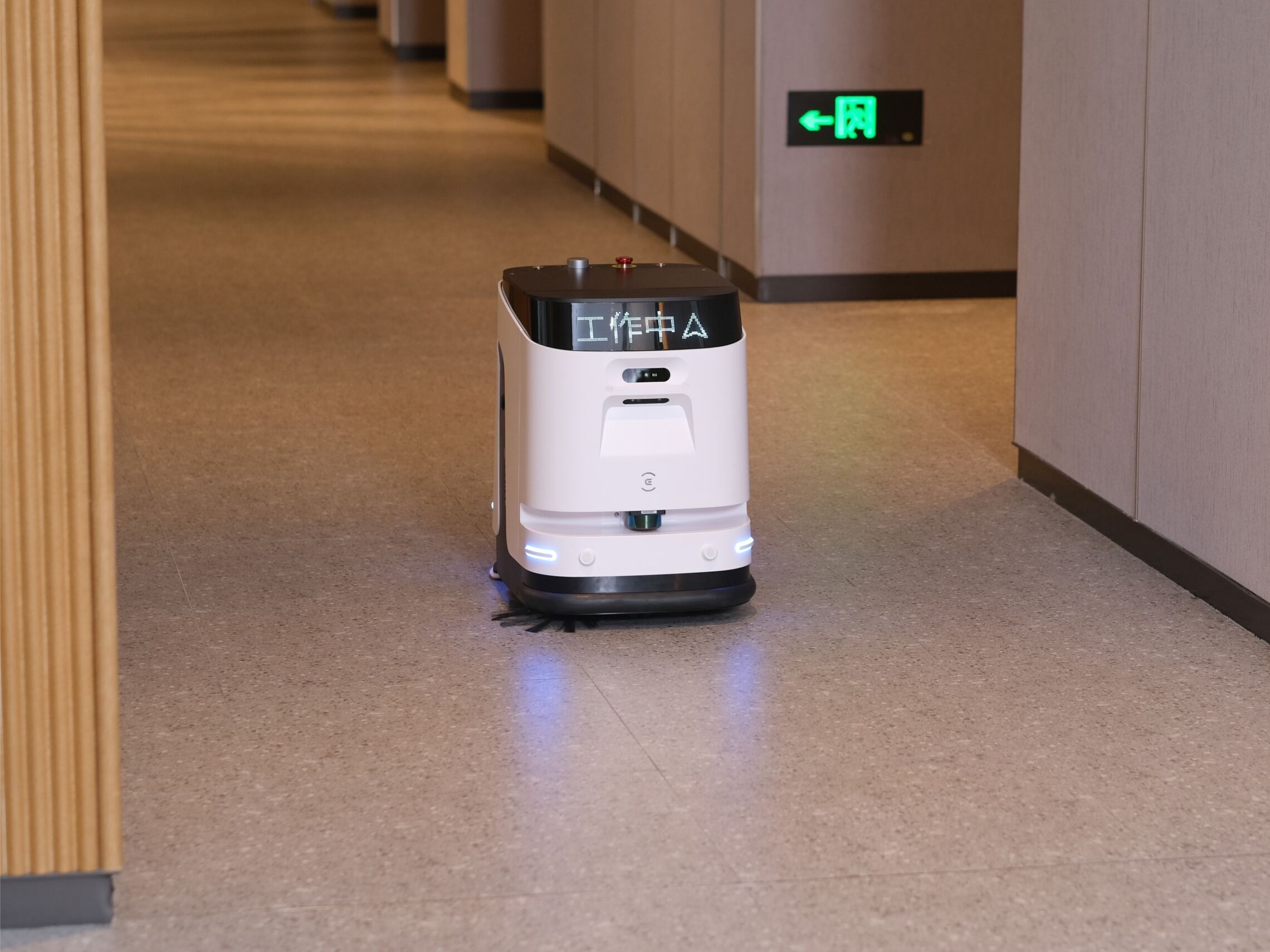
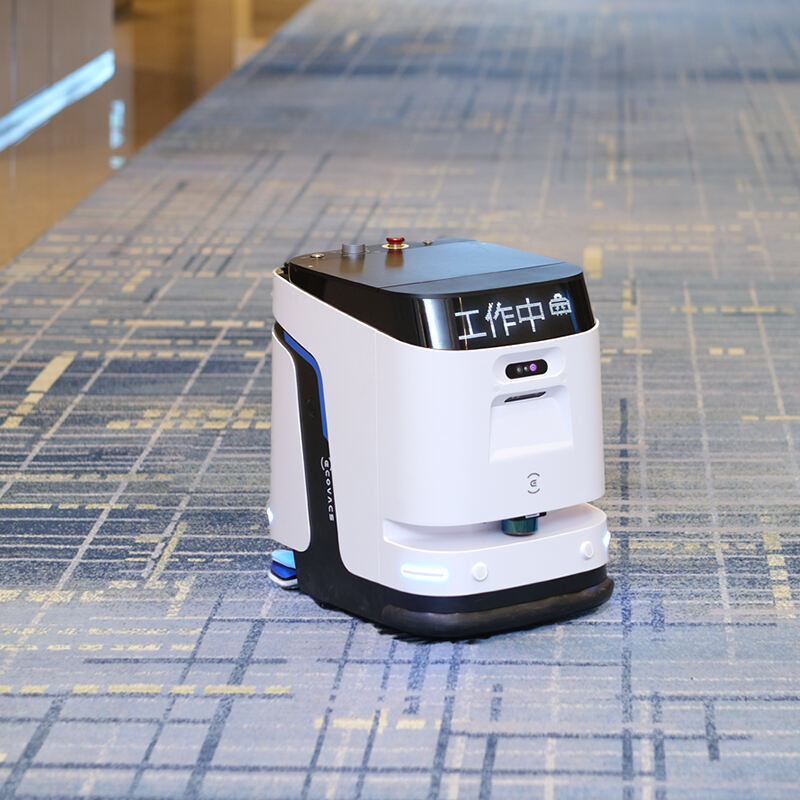
Automated cleaning technologies play a crucial role in maintaining consistent commercial cleaning quality across large facilities by reducing human variability and ensuring standardized cleaning patterns. Robotic vacuum systems, automated floor scrubbers, and programmable cleaning equipment can perform routine maintenance tasks with precise consistency, allowing human staff to focus on specialized cleaning requirements and quality oversight activities. These technologies provide predictable cleaning coverage and eliminate the inconsistencies that can occur with manual cleaning approaches.
Integration of commercial cleaning quality technologies requires careful planning to ensure compatibility with existing workflows and facility layouts. Automated systems should be programmed with zone-specific cleaning requirements and equipped with sensors that can adapt to varying conditions and obstacles. Regular maintenance and calibration of automated equipment ensure consistent performance and prevent quality degradation over time, while backup manual procedures ensure continuity when technical issues arise.
Equipment Standardization and Maintenance Programs
Standardizing cleaning equipment across large facilities ensures consistent results and simplifies training, maintenance, and replacement procedures. Using identical or compatible equipment models throughout the facility reduces the complexity of staff training while ensuring that cleaning quality remains uniform regardless of which equipment is deployed in specific areas. Standardization also enables bulk purchasing advantages and streamlined spare parts inventory management that can reduce operational costs.
Preventive maintenance programs for cleaning equipment are essential for maintaining consistent commercial cleaning quality and preventing unexpected failures that can disrupt cleaning schedules. Regular equipment inspections, calibration procedures, and replacement schedules help ensure that all cleaning tools and machinery perform at optimal levels. Digital maintenance tracking systems can monitor equipment performance, schedule routine maintenance activities, and provide early warning indicators for potential issues that could impact cleaning quality.
Quality Monitoring Systems and Continuous Improvement
Data-Driven Quality Assessment Methods
Implementing data-driven quality assessment methods provides objective insights into commercial cleaning quality performance and enables evidence-based decision-making for process improvements. Digital inspection platforms, sensor-based monitoring systems, and photographic documentation create comprehensive quality databases that can identify patterns, trends, and recurring issues across different facility areas and time periods. These systems enable facility managers to track quality metrics over time and measure the effectiveness of improvement initiatives.
Quality assessment systems should capture both quantitative metrics such as inspection scores and time-to-completion data, as well as qualitative feedback from facility users and cleaning staff. Regular analysis of quality data helps identify correlations between cleaning practices, environmental factors, and performance outcomes. Benchmarking against industry standards and historical performance provides context for quality achievements and helps establish realistic improvement targets.
Feedback Integration and Process Optimization
Continuous improvement processes rely on systematic feedback collection from multiple sources including facility users, cleaning staff, supervisors, and automated monitoring systems. Regular feedback sessions with cleaning teams provide valuable insights into operational challenges, equipment performance issues, and potential process improvements that may not be apparent through inspection data alone. User feedback surveys and complaint tracking systems help identify areas where commercial cleaning quality may not be meeting expectations or where additional attention may be required.
Process optimization initiatives should be based on comprehensive analysis of quality data, cost implications, and operational feasibility. Regular review cycles enable systematic evaluation of current procedures and identification of improvement opportunities that can enhance quality consistency while maintaining or improving operational efficiency. Implementation of process changes should include pilot testing, staff training, and monitoring periods to ensure that improvements achieve desired results without creating unintended consequences.
FAQ
How often should quality inspections be conducted in large facilities?
Quality inspections should be conducted daily for high-risk areas such as restrooms and food service zones, while general areas may require weekly or bi-weekly inspections depending on usage levels and contamination risks. Critical areas may need multiple daily checks during peak usage periods, and random spot inspections should supplement scheduled assessments to ensure consistent commercial cleaning quality across all shifts and cleaning teams.
What are the key performance indicators for measuring cleaning quality consistency?
Key performance indicators include inspection scores across different zones and time periods, customer satisfaction ratings, incident reports related to cleanliness, equipment downtime rates, and completion times for standard cleaning tasks. These metrics should be tracked over time to identify trends and variations that may indicate areas needing improvement or process adjustments to maintain commercial cleaning quality standards.
How can facilities manage quality consistency across multiple shifts?
Quality consistency across shifts requires standardized procedures, comprehensive training for all staff regardless of shift assignment, regular communication between shift supervisors, and inspection protocols that cover all operational periods. Digital communication platforms can facilitate information sharing between shifts, while standardized equipment and supply availability ensure that all cleaning teams have access to the same resources for maintaining commercial cleaning quality.
What role does staff feedback play in maintaining cleaning quality?
Staff feedback is essential for identifying operational challenges, equipment issues, and process improvement opportunities that may not be apparent through inspections alone. Regular feedback sessions help facility managers understand real-world cleaning challenges and develop solutions that support consistent commercial cleaning quality. Staff input also helps identify training needs and ensures that quality standards remain achievable and practical for daily operations.