
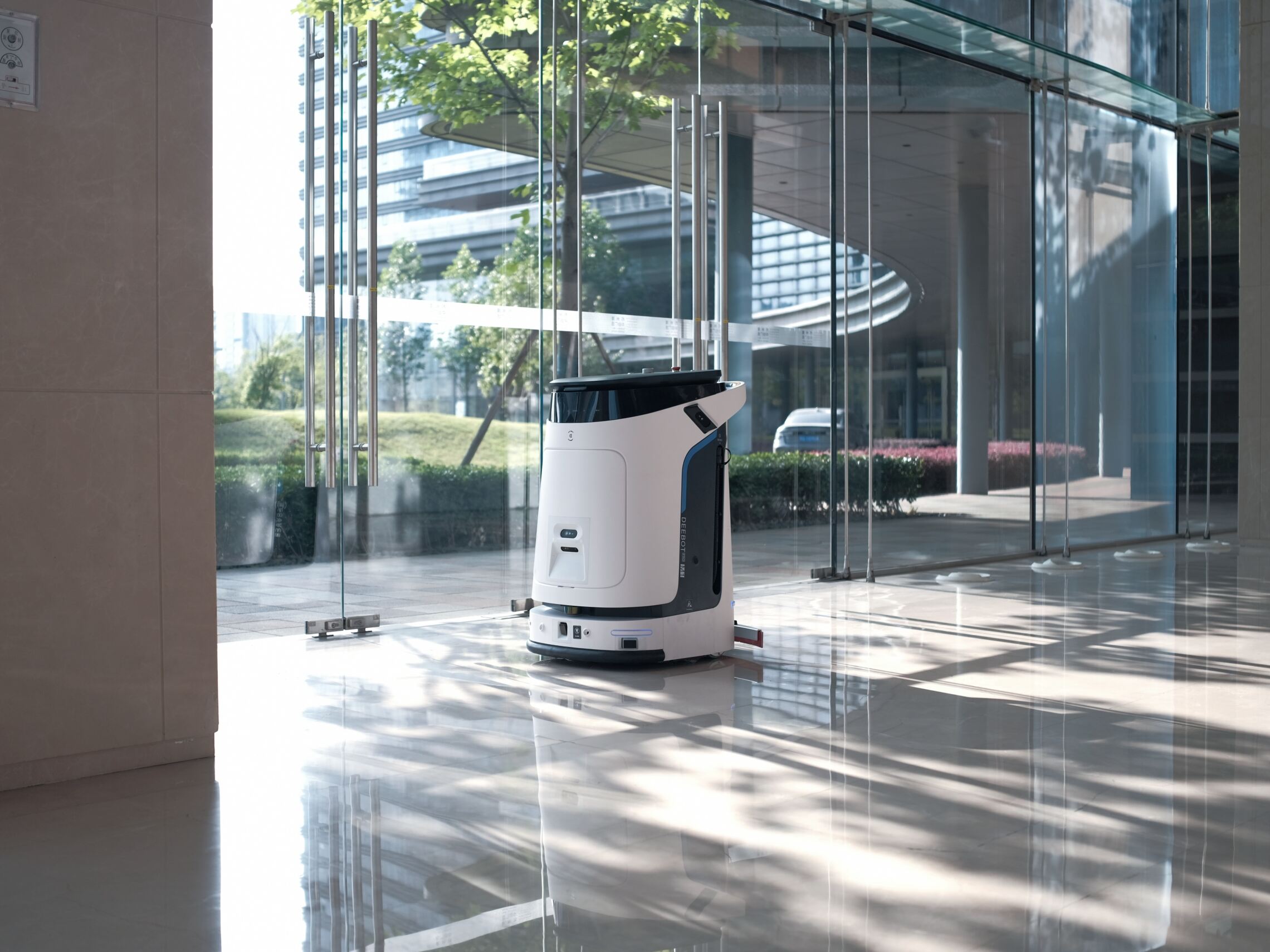
Modern commercial floor scrubber machines have become indispensable across numerous industries where cleanliness, safety, and operational efficiency directly impact business success. These powerful cleaning solutions serve diverse sectors ranging from healthcare facilities that demand sterile environments to manufacturing plants where debris management affects productivity. Understanding which industries rely most heavily on commercial floor scrubber technology reveals the versatility and essential nature of these cleaning systems in today's business landscape.
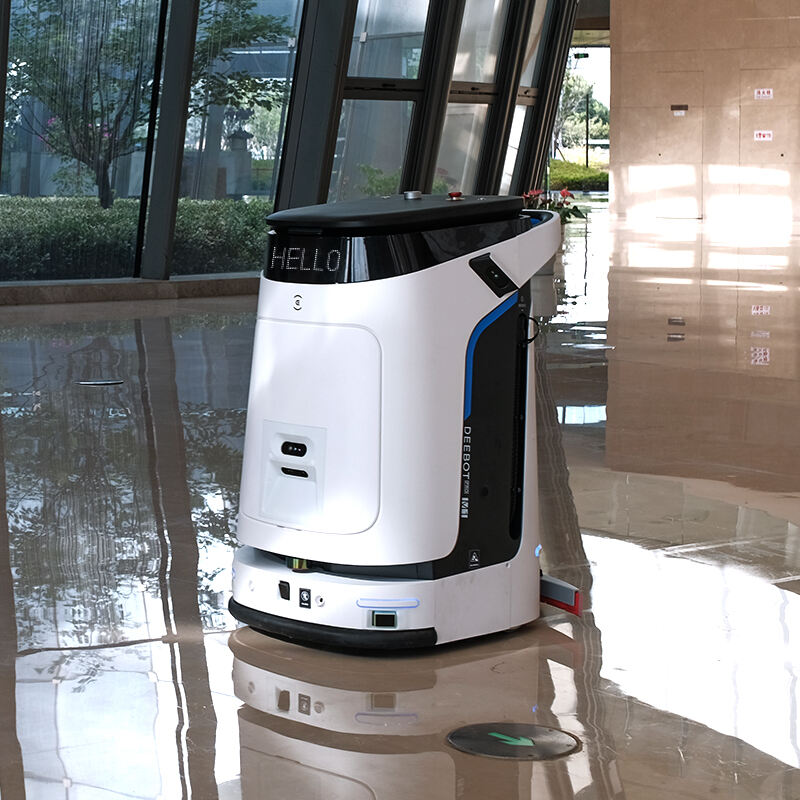
The adoption of commercial floor scrubber equipment extends far beyond basic maintenance operations, representing strategic investments in workplace safety, regulatory compliance, and operational excellence. Industries utilizing these machines share common requirements for consistent floor cleanliness, efficient cleaning processes, and the ability to maintain large surface areas without compromising quality. The specific applications and benefits vary significantly across sectors, creating distinct patterns of usage that reflect each industry's unique operational demands and environmental challenges.
Healthcare and Medical Facilities
Hospital and Clinical Environments
Healthcare facilities represent one of the most demanding environments for commercial floor scrubber applications, where infection control and patient safety create stringent cleaning requirements. Hospitals utilize specialized commercial floor scrubber systems designed to handle medical-grade disinfectants while maintaining consistent cleaning patterns across patient rooms, surgical suites, and emergency departments. These facilities require equipment capable of operating quietly during patient care hours while delivering thorough sanitization that meets healthcare regulatory standards.
Operating rooms and sterile processing areas demand particular attention to cross-contamination prevention, making commercial floor scrubber selection critical for maintaining sterile environments. The ability to thoroughly clean and disinfect floors between procedures directly impacts patient outcomes and facility compliance with health department regulations. Many healthcare facilities implement scheduled cleaning protocols using commercial floor scrubber machines during off-peak hours to minimize disruption while ensuring comprehensive coverage of all floor surfaces.
Long-Term Care and Rehabilitation Centers
Extended care facilities face unique challenges in maintaining clean, safe flooring for residents with mobility limitations and increased fall risks. Commercial floor scrubber technology in these settings focuses on removing spills quickly and maintaining consistent traction across walkways, dining areas, and therapy spaces. The residential nature of these facilities requires equipment that operates with minimal noise disruption while providing thorough cleaning that addresses both aesthetic and safety concerns.
Rehabilitation centers particularly benefit from commercial floor scrubber systems that can handle frequent cleaning cycles in therapy areas where equipment usage and patient activities create ongoing maintenance demands. The ability to maintain clean, dry surfaces supports patient recovery efforts while reducing liability risks associated with slip-and-fall incidents. These facilities often integrate commercial floor scrubber operations into daily maintenance routines that complement other infection control measures.
Manufacturing and Industrial Facilities
Production Floor Management
Manufacturing environments present complex challenges for commercial floor scrubber applications, where production debris, chemical spills, and heavy machinery traffic create demanding cleaning conditions. Industrial facilities utilize robust commercial floor scrubber systems capable of handling metal shavings, coolant residues, and various manufacturing byproducts while maintaining safe working conditions for production personnel. The integration of commercial floor scrubber operations into production schedules requires equipment that delivers efficient cleaning without disrupting manufacturing workflows.
Automotive manufacturing plants, electronics assembly facilities, and metal fabrication shops rely heavily on specialized commercial floor scrubber configurations designed for their specific contamination patterns. These applications often require machines with enhanced debris handling capabilities and chemical-resistant components that can withstand exposure to industrial solvents and cleaning agents. The operational demands in manufacturing settings necessitate commercial floor scrubber systems with extended runtime capabilities and minimal maintenance requirements to support continuous production schedules.
Warehouse and Distribution Centers
Large-scale warehouse operations depend on commercial floor scrubber systems to maintain clean, safe surfaces across expansive floor areas where forklift traffic and material handling activities generate ongoing cleaning demands. Distribution centers utilize wide-area cleaning equipment that can efficiently cover thousands of square feet while removing tire marks, packaging debris, and various contaminants associated with logistics operations. The scale of these facilities requires commercial floor scrubber solutions that combine high productivity rates with consistent cleaning quality across diverse floor surfaces.
Cold storage facilities and food distribution warehouses face additional requirements for commercial floor scrubber systems capable of operating in temperature-controlled environments while maintaining food safety standards. These specialized applications demand equipment designed for sanitization protocols that prevent cross-contamination between different product areas. The efficiency of commercial floor scrubber operations in warehouse settings directly impacts operational flow and worker safety in high-traffic environments.
Retail and Commercial Spaces
Shopping Centers and Department Stores
Retail environments utilize commercial floor scrubber systems to maintain attractive, safe shopping environments that enhance customer experience while managing high foot traffic volumes. Shopping centers require cleaning equipment capable of operating during business hours with minimal disruption to shoppers while addressing spills, tracked-in debris, and general wear patterns across diverse flooring materials. The visual impact of clean floors in retail settings directly influences customer perception and purchasing behavior, making commercial floor scrubber effectiveness a critical business consideration.
Large department stores and specialty retailers implement commercial floor scrubber programs that coordinate with store layouts, peak shopping periods, and seasonal demands. The ability to quickly address spills and maintain consistent floor appearance throughout extended operating hours requires equipment designed for frequent use cycles and rapid deployment. Many retail facilities integrate commercial floor scrubber operations into comprehensive facility maintenance programs that balance cleanliness requirements with cost-effective operational practices.
Restaurants and Food Service
Food service establishments rely on commercial floor scrubber systems specifically designed for kitchen environments where grease, food particles, and sanitizing solutions create challenging cleaning conditions. Restaurant kitchens require equipment capable of removing grease buildup while maintaining slip-resistant surface conditions that protect kitchen staff from workplace injuries. The fast-paced nature of food service operations demands commercial floor scrubber solutions that provide thorough cleaning in minimal time while meeting health department sanitation requirements.
Large-scale food service operations, including cafeterias and institutional kitchens, utilize commercial floor scrubber systems integrated with comprehensive food safety protocols. These facilities must address both visible cleanliness and bacterial contamination concerns while maintaining operational efficiency during peak service periods. The selection of appropriate commercial floor scrubber equipment in food service settings directly impacts regulatory compliance and customer safety outcomes.
Educational and Institutional Facilities
Schools and Universities
Educational institutions implement commercial floor scrubber programs to maintain safe, clean learning environments across classrooms, cafeterias, gymnasiums, and dormitory facilities. Schools face unique challenges in scheduling commercial floor scrubber operations around educational activities while addressing diverse contamination sources ranging from mud and snow tracked in by students to spills in dining areas. The institutional nature of educational facilities requires durable equipment capable of handling high-use patterns and seasonal variations in cleaning demands.
University campuses utilize large-scale commercial floor scrubber systems to maintain extensive floor areas across multiple buildings while managing budget constraints typical of educational institutions. The diversity of spaces within educational facilities, from science laboratories to athletic facilities, requires versatile commercial floor scrubber solutions capable of adapting to different cleaning requirements and chemical compatibility needs. Many schools integrate commercial floor scrubber operations into comprehensive maintenance programs that address both aesthetic and health considerations for student and staff environments.
Government and Public Buildings
Government facilities utilize commercial floor scrubber systems to maintain professional appearances in public-facing areas while addressing security considerations and budget accountability requirements. Courthouses, municipal buildings, and federal facilities require cleaning equipment that operates efficiently within security protocols while maintaining the dignified appearance expected in government settings. The public nature of these facilities demands commercial floor scrubber programs that balance thorough cleaning with minimal disruption to government operations and citizen services.
Large government complexes and military installations implement commercial floor scrubber systems designed for high-security environments where equipment access and operational procedures must comply with strict regulatory requirements. These applications often require specialized equipment configurations and operator training programs that address both cleaning effectiveness and security compliance. The long-term nature of government facility operations necessitates commercial floor scrubber investments that provide reliable performance and cost-effective maintenance over extended service lives.
Transportation and Logistics Hubs
Airports and Transit Terminals
Airport terminals and transportation hubs utilize specialized commercial floor scrubber systems designed for continuous operation in high-traffic environments where passenger safety and facility appearance directly impact operational success. These facilities require equipment capable of maintaining clean surfaces across vast terminal areas while addressing challenges from weather-related debris, spilled beverages, and heavy luggage traffic. The 24-hour operational nature of major airports demands commercial floor scrubber solutions that provide reliable performance without disrupting passenger flow or terminal operations.
Bus stations, train terminals, and subway systems implement commercial floor scrubber programs that address urban transportation challenges including tracked-in debris, weather-related contamination, and high passenger volumes. These facilities often require specialized equipment designed for cleaning around fixed infrastructure and passenger seating areas while maintaining accessibility compliance. The public nature of transportation facilities necessitates commercial floor scrubber operations that enhance both safety and visual appeal in environments where first impressions significantly impact user experience.
Shipping and Port Facilities
Maritime terminals and shipping facilities utilize heavy-duty commercial floor scrubber systems designed for industrial environments where cargo handling activities generate substantial debris and contamination challenges. Port facilities require equipment capable of addressing salt corrosion, fuel spills, and cargo-related debris while maintaining safe working conditions for dock personnel and equipment operators. The harsh environmental conditions in marine settings demand commercial floor scrubber solutions with enhanced durability and corrosion-resistant components.
Intermodal transportation facilities and freight terminals implement commercial floor scrubber programs that coordinate with shipping schedules and cargo handling operations. These applications require equipment designed for rapid deployment across large surface areas while addressing diverse contamination sources from different transportation modes. The operational efficiency of commercial floor scrubber systems in shipping environments directly impacts cargo handling productivity and workplace safety in facilities where equipment reliability is critical for maintaining transportation schedules.
FAQ
What factors should industries consider when selecting commercial floor scrubber equipment?
Industries should evaluate floor surface types, contamination patterns, operational schedules, and facility size when selecting commercial floor scrubber equipment. Key considerations include battery life for continuous operations, debris handling capabilities for specific industry byproducts, noise levels for occupied spaces, and chemical compatibility for required cleaning agents. The selection process should also address maintenance requirements, operator training needs, and long-term operational costs to ensure optimal return on investment.
How do commercial floor scrubber maintenance requirements vary across different industries?
Maintenance requirements for commercial floor scrubber systems vary significantly based on industry-specific contamination levels and usage patterns. Healthcare facilities require more frequent sanitization of equipment components, while manufacturing environments demand enhanced maintenance of filtration systems and debris handling components. Food service applications necessitate thorough cleaning of all surfaces that contact cleaning solutions, and outdoor applications require additional attention to weather-related wear and corrosion protection.
Can commercial floor scrubber systems operate effectively in specialized industrial environments?
Modern commercial floor scrubber systems are designed with specialized configurations for challenging industrial environments including cold storage facilities, chemical processing plants, and clean room applications. These specialized units feature temperature-resistant components, explosion-proof electrical systems, and enhanced filtration capabilities to address specific environmental demands. However, proper equipment specification and operator training are essential for safe and effective operation in specialized industrial settings.
What training requirements exist for commercial floor scrubber operators across different industries?
Operator training requirements for commercial floor scrubber systems vary by industry regulations and facility-specific safety protocols. Healthcare facilities typically require training on infection control procedures and chemical handling, while food service applications focus on sanitization protocols and equipment hygiene. Industrial environments emphasize safety procedures around machinery and hazardous materials, while institutional facilities often require training on scheduling coordination and public safety considerations during cleaning operations.
Table of Contents
- Healthcare and Medical Facilities
- Manufacturing and Industrial Facilities
- Retail and Commercial Spaces
- Educational and Institutional Facilities
- Transportation and Logistics Hubs
-
FAQ
- What factors should industries consider when selecting commercial floor scrubber equipment?
- How do commercial floor scrubber maintenance requirements vary across different industries?
- Can commercial floor scrubber systems operate effectively in specialized industrial environments?
- What training requirements exist for commercial floor scrubber operators across different industries?