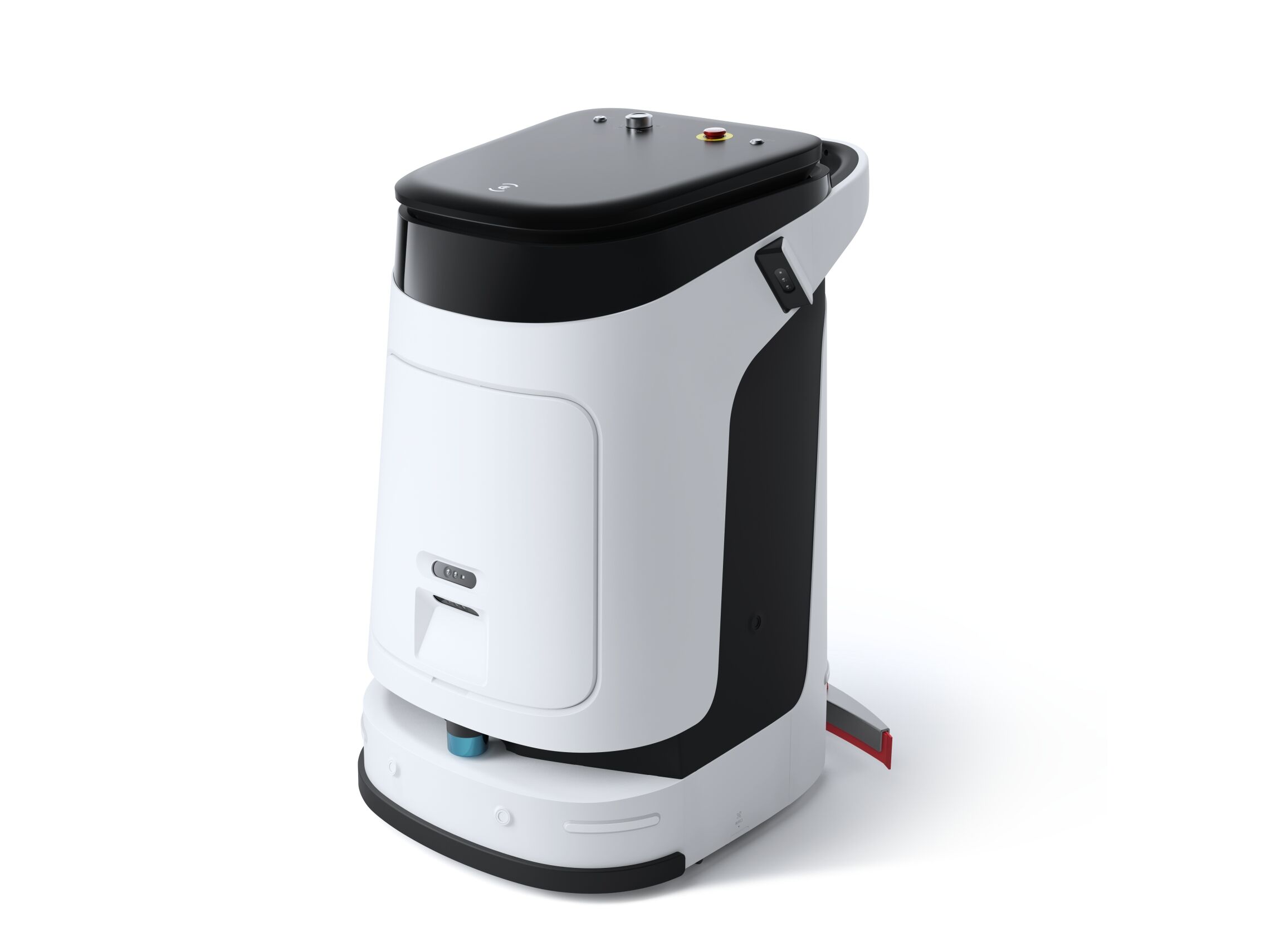
The evolution of commercial cleaning has reached unprecedented heights with the introduction of advanced industrial robot vacuum systems that revolutionize facility maintenance across various sectors. Modern businesses are increasingly adopting automated cleaning solutions to enhance operational efficiency while reducing labor costs and maintaining consistent cleanliness standards. These sophisticated machines represent a significant leap forward from traditional cleaning methods, incorporating cutting-edge sensors, artificial intelligence, and precision navigation systems. The industrial robot vacuum technology has transformed how organizations approach large-scale facility management, offering 24/7 cleaning capabilities without human intervention.
Revolutionary Navigation and Mapping Technology
Advanced LIDAR and Computer Vision Systems
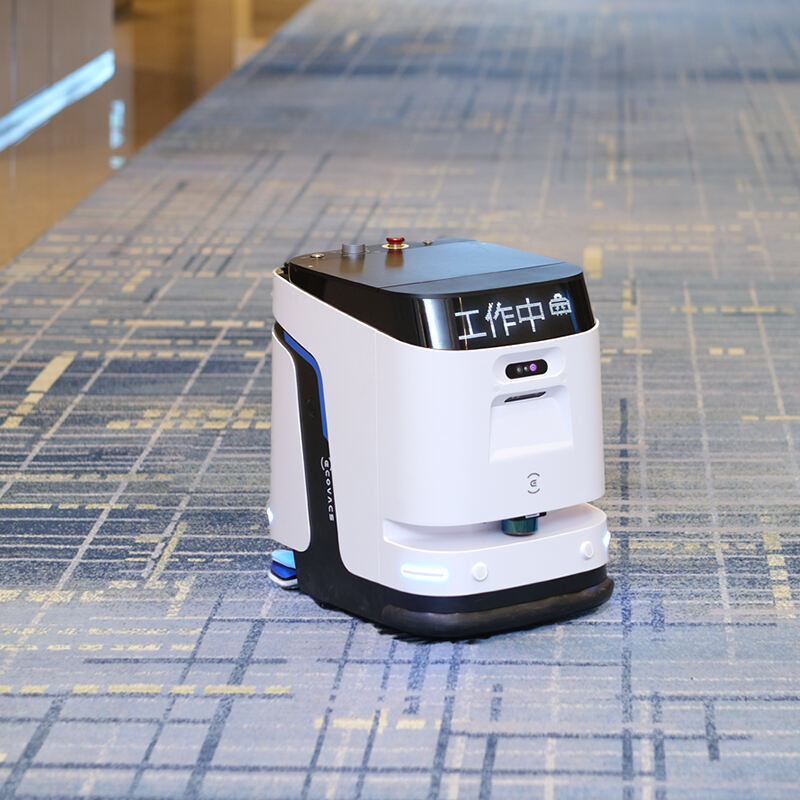
Contemporary industrial robot vacuum units employ sophisticated LIDAR technology combined with computer vision to create detailed facility maps with millimeter precision. These systems continuously scan environments using laser sensors that rotate 360 degrees, generating real-time topographical data that enables intelligent path planning. The integration of multiple sensor arrays allows these machines to detect obstacles, furniture, and environmental changes while maintaining optimal cleaning routes. Machine learning algorithms process this data to improve navigation accuracy over time, ensuring consistent performance across diverse commercial spaces.
The computer vision capabilities of modern industrial robot vacuum systems extend beyond basic obstacle detection to include advanced pattern recognition and surface analysis. High-resolution cameras work in conjunction with infrared sensors to identify different floor materials, automatically adjusting suction power and brush settings accordingly. This adaptive technology ensures optimal cleaning performance on various surfaces including hardwood, carpet, tile, and industrial flooring materials. The combination of visual processing and sensor data creates comprehensive environmental understanding that surpasses human cleaning capabilities.
Intelligent Route Optimization
Smart routing algorithms represent a crucial advancement in industrial robot vacuum technology, enabling these machines to calculate the most efficient cleaning paths while minimizing energy consumption. Advanced pathfinding systems analyze facility layouts to determine optimal coverage patterns that eliminate redundancy and ensure complete area cleaning. These systems can adapt to changing environments, automatically recalculating routes when obstacles are moved or new areas require attention. The ability to learn from previous cleaning cycles allows continuous optimization of cleaning efficiency and time management.
Dynamic scheduling capabilities enable industrial robot vacuum systems to coordinate multiple units across large facilities, preventing conflicts and ensuring comprehensive coverage without overlap. Fleet management software allows facility managers to monitor multiple robots simultaneously, adjusting schedules and priorities based on real-time facility needs. This coordinated approach maximizes cleaning effectiveness while minimizing operational costs and equipment wear. The integration of predictive analytics helps anticipate maintenance needs and optimize replacement schedules for consumable components.
Enhanced Cleaning Performance and Filtration
Multi-Stage Filtration Systems
Modern industrial robot vacuum technology incorporates advanced multi-stage filtration systems that capture particles as small as 0.3 microns, ensuring superior air quality improvement during cleaning operations. HEPA filtration combined with pre-filters and cyclonic separation technology removes dust, allergens, and microscopic contaminants from both surfaces and ambient air. These comprehensive filtration systems are particularly valuable in healthcare facilities, laboratories, and manufacturing environments where air quality standards are critical. The sealed system design prevents particle re-circulation, maintaining consistent indoor air quality throughout the cleaning process.
Antimicrobial filter coatings and UV-C sterilization chambers represent the latest innovations in industrial robot vacuum filtration technology. These features actively eliminate bacteria, viruses, and other pathogens during the cleaning process, providing additional sanitization benefits beyond traditional vacuuming. Self-cleaning filter mechanisms reduce maintenance requirements while ensuring consistent suction performance over extended operational periods. Advanced filter monitoring systems alert maintenance personnel when replacements are needed, preventing performance degradation and maintaining optimal cleaning standards.
Adaptive Suction and Brush Technology
Intelligent suction control systems automatically adjust power levels based on surface type, debris density, and cleaning requirements detected through advanced sensors. The industrial robot vacuum units can increase suction when encountering high-traffic areas or dense debris accumulation, while reducing power on delicate surfaces to prevent damage. Variable brush speed control ensures optimal agitation for different carpet types and hard floor materials. This adaptive approach maximizes cleaning effectiveness while minimizing energy consumption and extending equipment lifespan.
Specialized brush designs incorporate different bristle materials and configurations optimized for various cleaning challenges commonly encountered in industrial environments. Side brushes extend cleaning reach into corners and along baseboards, while main roller brushes feature anti-tangle technology that prevents hair and fiber accumulation. Self-cleaning brush mechanisms automatically remove accumulated debris, reducing maintenance requirements and ensuring consistent cleaning performance. Advanced brush monitoring systems detect wear patterns and alert operators when replacements are necessary.
Integration with Smart Building Systems
IoT Connectivity and Remote Management
Internet of Things integration enables industrial robot vacuum systems to communicate with building management platforms, creating comprehensive facility automation ecosystems. Real-time status monitoring allows facility managers to track cleaning progress, battery levels, and maintenance requirements from centralized control interfaces. Cloud-based management platforms provide detailed analytics on cleaning patterns, efficiency metrics, and equipment performance trends. This connectivity enables proactive maintenance scheduling and optimization of cleaning protocols based on actual usage data and facility requirements.
Mobile applications provide remote control capabilities that allow authorized personnel to start cleaning cycles, adjust settings, and monitor progress from anywhere within the facility or off-site. Push notifications alert managers to completed cleaning cycles, maintenance requirements, or operational issues requiring attention. Integration with security systems enables automatic activation during off-hours when facilities are unoccupied, maximizing cleaning efficiency without disrupting normal business operations. Advanced scheduling features accommodate complex facility requirements including multiple zones, varying cleaning frequencies, and special event preparations.
Environmental Monitoring and Reporting
Sophisticated environmental sensors integrated into industrial robot vacuum platforms monitor air quality, humidity levels, and temperature variations during cleaning operations. This data collection capability provides valuable insights into facility environmental conditions that can inform HVAC optimization and maintenance planning. Automated reporting features generate detailed cleaning logs including coverage maps, duration records, and debris collection volumes for compliance documentation and facility management analysis. These comprehensive records support regulatory compliance requirements and help optimize cleaning protocols for maximum effectiveness.
Predictive analytics platforms process historical cleaning data to identify patterns and recommend optimization strategies for improved efficiency and cost reduction. Machine learning algorithms analyze facility usage patterns to automatically adjust cleaning schedules based on actual traffic and soil accumulation rates. Integration with occupancy sensors enables dynamic cleaning scheduling that responds to real-time facility usage, ensuring optimal cleanliness while minimizing energy consumption. Advanced reporting dashboards provide facility managers with actionable insights for continuous improvement of cleaning operations and cost management.
Industry-Specific Applications and Benefits
Healthcare and Laboratory Environments
Healthcare facilities represent one of the most demanding applications for industrial robot vacuum technology, requiring exceptional hygiene standards and contamination control. Specialized medical-grade units feature antimicrobial surfaces, enhanced filtration systems, and quiet operation modes suitable for patient care areas. These systems can operate during off-hours to maintain sterile environments without disrupting medical procedures or patient rest. Advanced scheduling capabilities ensure critical areas receive priority cleaning while maintaining flexible schedules that accommodate healthcare facility operations.
Laboratory applications demand precise contamination control and the ability to handle specialized debris types without cross-contamination risks. Industrial robot vacuum systems designed for laboratory use incorporate containment features that prevent particle spread and specialized filtration for handling hazardous materials. Chemical-resistant construction materials ensure durability in environments with potential exposure to corrosive substances. Detailed cleaning logs provide documentation required for regulatory compliance and quality assurance protocols in pharmaceutical and research facilities.
Manufacturing and Warehouse Operations
Manufacturing environments present unique challenges for industrial robot vacuum systems including metal shavings, oil residues, and varied debris types that require specialized handling capabilities. Heavy-duty construction and reinforced components ensure reliable operation in demanding industrial conditions with extended operational cycles. Advanced obstacle detection prevents interference with production equipment while maintaining thorough cleaning coverage throughout facility areas. Integration with manufacturing control systems enables coordinated cleaning schedules that align with production cycles and maintenance windows.
Warehouse applications benefit from the large-area cleaning capabilities and extended runtime offered by industrial robot vacuum technology. Multiple unit coordination enables comprehensive coverage of vast warehouse spaces while optimizing cleaning efficiency and minimizing operational costs. Specialized wheels and suspension systems navigate uneven surfaces and small obstacles commonly found in warehouse environments. Advanced dust control features are particularly valuable in storage facilities where product contamination prevention is critical for maintaining inventory quality.
Cost Analysis and Return on Investment
Operational Cost Reduction
Implementation of industrial robot vacuum systems typically results in significant operational cost savings through reduced labor requirements and improved cleaning efficiency. Automated cleaning eliminates the need for multiple cleaning staff shifts while providing consistent 24/7 cleaning capabilities that surpass manual methods. Energy-efficient motor systems and intelligent power management reduce electricity consumption compared to traditional cleaning equipment. Extended equipment lifespan and reduced consumable usage contribute to lower total cost of ownership over time.
Maintenance cost reductions result from predictive maintenance capabilities and self-diagnostic systems that prevent unexpected equipment failures and extend component lifespans. Automated filter monitoring and replacement alerts ensure optimal performance while minimizing unnecessary maintenance interventions. Remote monitoring capabilities reduce the need for on-site maintenance visits, lowering service costs and minimizing facility disruption. Comprehensive warranty programs and service support packages provide predictable maintenance budgets and ensure reliable operation.
Productivity and Quality Improvements
Consistent cleaning quality achieved through industrial robot vacuum technology eliminates variations associated with manual cleaning methods, ensuring uniform facility appearance and hygiene standards. Improved air quality resulting from advanced filtration systems contributes to better indoor environmental quality and potential health benefits for facility occupants. Detailed cleaning documentation and performance metrics enable continuous improvement and optimization of facility maintenance programs. Enhanced facility image and cleanliness standards can contribute to improved employee satisfaction and customer impressions.
Time savings from automated cleaning allow facility management staff to focus on higher-value activities including strategic planning and specialized maintenance tasks. Reduced cleaning time requirements enable more frequent cleaning cycles without additional labor costs, maintaining superior facility conditions. Integration with building management systems provides comprehensive facility monitoring and control capabilities that improve overall operational efficiency. The ability to customize cleaning schedules and priorities ensures optimal resource allocation based on specific facility requirements and usage patterns.
Future Developments and Emerging Technologies
Artificial Intelligence and Machine Learning Integration
Next-generation industrial robot vacuum systems will incorporate advanced artificial intelligence capabilities that enable autonomous decision-making and adaptive cleaning strategies. Machine learning algorithms will analyze facility usage patterns, seasonal variations, and environmental factors to optimize cleaning schedules and resource allocation automatically. Predictive analytics will anticipate maintenance needs and potential issues before they impact cleaning performance, ensuring continuous operation and minimal downtime. AI-powered systems will learn from cleaning results and user feedback to continuously improve performance and efficiency.
Natural language processing capabilities will enable voice control and conversational interfaces for intuitive system interaction and programming. Advanced computer vision will provide enhanced object recognition and surface analysis capabilities for more precise cleaning protocols. Integration with facility occupancy data and environmental sensors will enable dynamic cleaning adjustments based on real-time conditions and requirements. Autonomous fleet coordination will optimize multiple robot operations across large facilities without human intervention.
Sustainability and Environmental Impact
Future industrial robot vacuum technology will emphasize sustainable design principles including recyclable materials, energy-efficient components, and extended product lifecycles. Solar charging capabilities and renewable energy integration will reduce environmental impact while providing operational cost benefits. Biodegradable cleaning solutions and reduced chemical requirements will minimize environmental footprint while maintaining cleaning effectiveness. Carbon footprint reduction through optimized cleaning routes and energy management will align with corporate sustainability goals.
Advanced recycling programs for industrial robot vacuum components will ensure responsible end-of-life disposal and material recovery. Sustainable manufacturing processes and supply chain optimization will reduce environmental impact throughout the product lifecycle. Integration with green building certification programs will support facility sustainability initiatives and regulatory compliance requirements. Energy monitoring and reporting capabilities will provide detailed environmental impact data for sustainability reporting and continuous improvement programs.
FAQ
What are the main advantages of implementing industrial robot vacuum technology in commercial facilities
Industrial robot vacuum systems provide numerous advantages including 24/7 cleaning capability, consistent cleaning quality, reduced labor costs, and improved facility hygiene standards. These systems operate autonomously without supervision, enabling continuous cleaning coverage while eliminating human error variations. Advanced filtration systems improve indoor air quality while comprehensive reporting provides detailed documentation for compliance and facility management purposes. Integration with building management systems enables coordinated facility operations and optimized resource utilization.
How does the maintenance requirements compare between traditional cleaning methods and robotic systems
Industrial robot vacuum maintenance requirements are significantly lower than traditional cleaning methods due to predictive maintenance capabilities and self-diagnostic systems. Automated monitoring alerts operators to maintenance needs before issues impact performance, reducing unexpected downtime and repair costs. Remote diagnostic capabilities enable proactive maintenance scheduling and reduce on-site service requirements. While initial investment is higher, total cost of ownership typically decreases due to reduced labor, energy, and maintenance expenses over time.
Can industrial robot vacuum systems handle different types of debris and surface materials effectively
Modern industrial robot vacuum technology incorporates adaptive cleaning systems that automatically adjust suction power, brush speed, and cleaning patterns based on surface type and debris characteristics. Advanced sensors detect different floor materials and contamination levels, optimizing cleaning parameters for maximum effectiveness. Specialized brush designs and filtration systems handle various debris types including fine dust, larger particles, and liquid spills. Multiple cleaning modes accommodate different facility requirements and surface sensitivities.
What integration options are available for connecting robot vacuum systems with existing facility management platforms
Industrial robot vacuum systems offer extensive integration capabilities including IoT connectivity, cloud-based management platforms, and API interfaces for custom facility management system integration. Standard protocols enable communication with building automation systems, security platforms, and environmental monitoring networks. Mobile applications provide remote control and monitoring capabilities while web-based dashboards offer comprehensive fleet management and reporting features. Integration with scheduling systems enables coordinated facility operations and automated cleaning cycle management based on facility usage patterns.
Table of Contents
- Revolutionary Navigation and Mapping Technology
- Enhanced Cleaning Performance and Filtration
- Integration with Smart Building Systems
- Industry-Specific Applications and Benefits
- Cost Analysis and Return on Investment
- Future Developments and Emerging Technologies
-
FAQ
- What are the main advantages of implementing industrial robot vacuum technology in commercial facilities
- How does the maintenance requirements compare between traditional cleaning methods and robotic systems
- Can industrial robot vacuum systems handle different types of debris and surface materials effectively
- What integration options are available for connecting robot vacuum systems with existing facility management platforms