
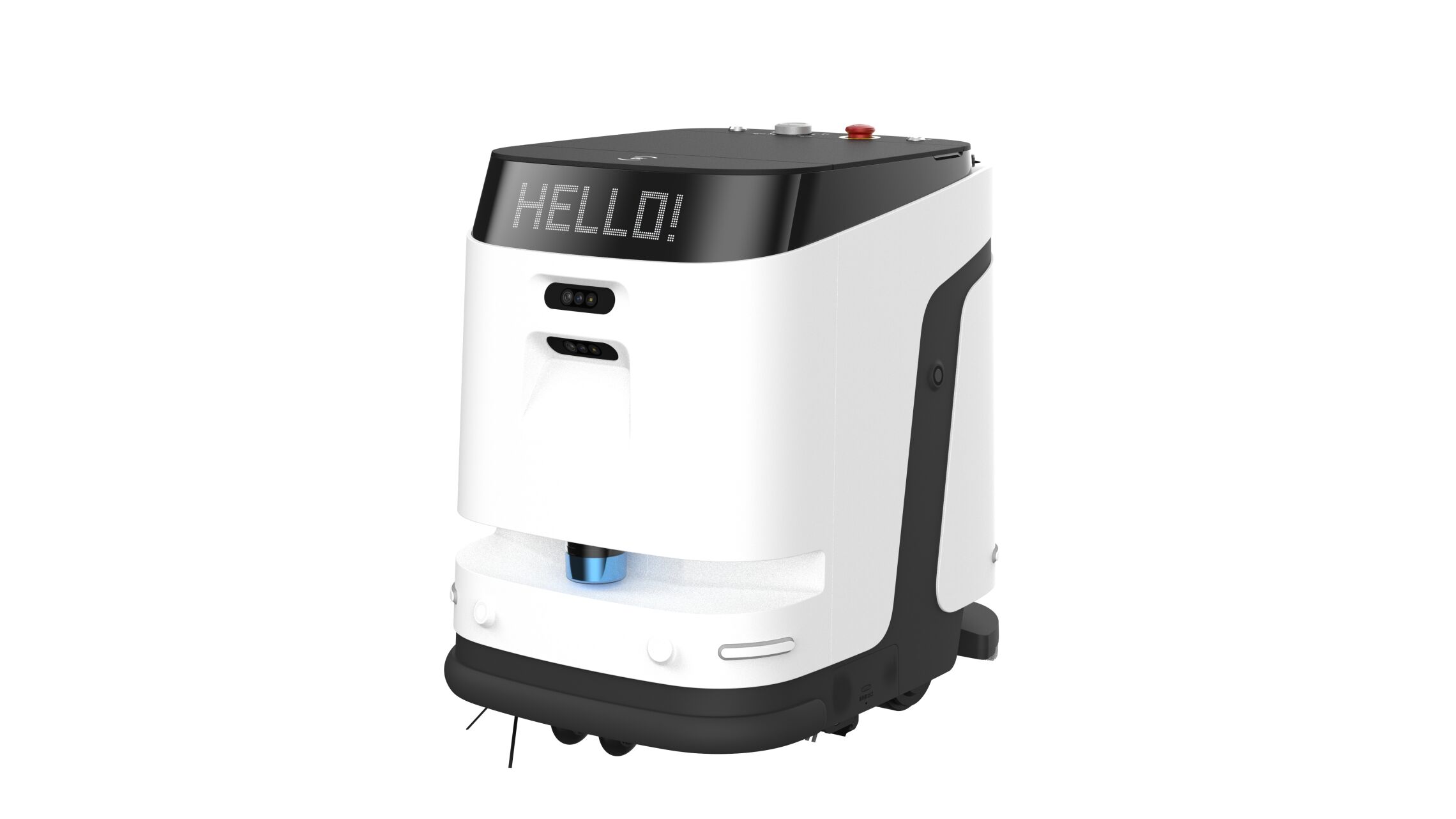
Modern manufacturing facilities and commercial spaces are embracing automation to maintain cleanliness standards while reducing operational costs. An industrial robot vacuum represents a significant advancement in autonomous cleaning technology, designed specifically to handle the demanding requirements of large-scale commercial environments. These sophisticated machines combine cutting-edge navigation systems, powerful suction capabilities, and intelligent scheduling features to deliver consistent cleaning performance across various industrial settings. The evolution from traditional cleaning methods to automated solutions has transformed how businesses approach facility maintenance, offering unprecedented efficiency and reliability in maintaining pristine work environments.
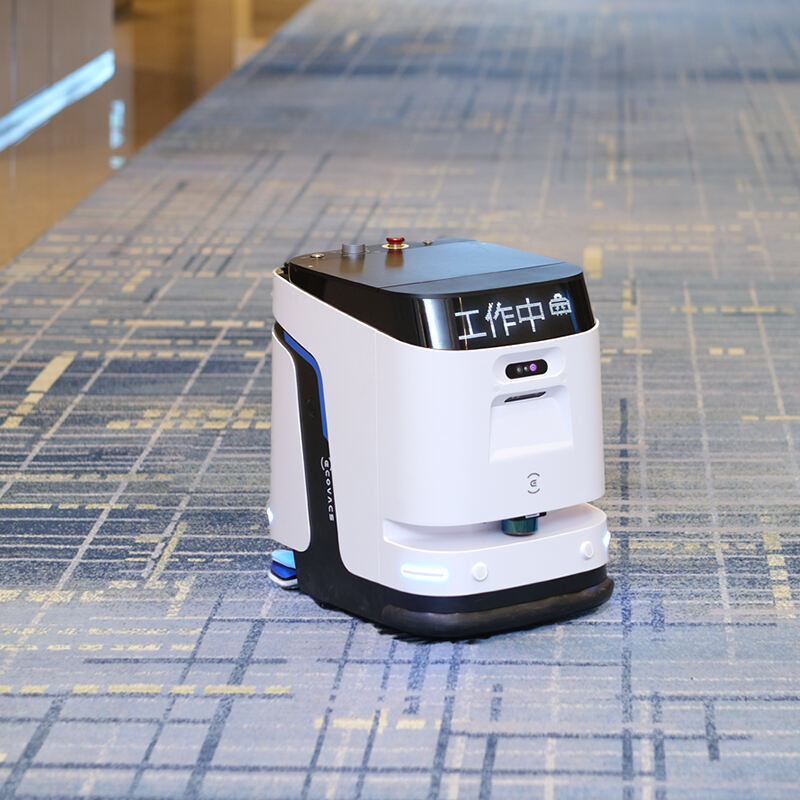
Advanced Navigation and Mapping Technologies
Laser-Based LIDAR Systems
The foundation of any effective industrial robot vacuum lies in its navigation capabilities. LIDAR technology enables these machines to create precise three-dimensional maps of complex commercial spaces, identifying obstacles, furniture, and varying floor surfaces with remarkable accuracy. This laser-based system continuously scans the environment, building detailed digital representations that allow the vacuum to navigate efficiently through warehouses, offices, and manufacturing floors. The real-time mapping capabilities ensure that cleaning patterns are optimized for maximum coverage while avoiding sensitive equipment and high-traffic areas during operational hours.
Advanced LIDAR systems in commercial cleaning robots can detect objects as small as wire cables and as large as industrial machinery, adapting their cleaning routes accordingly. The precision of these systems significantly reduces the risk of collisions and equipment damage, making them suitable for deployment in environments containing expensive machinery or delicate installations. Furthermore, the mapping data can be stored and updated continuously, allowing the industrial robot vacuum to learn from previous cleaning sessions and improve its efficiency over time.
Multi-Sensor Integration
Beyond LIDAR technology, modern commercial cleaning robots incorporate multiple sensor types to enhance their environmental awareness. Cliff sensors prevent falls from elevated surfaces, while bump sensors provide tactile feedback when encountering unexpected obstacles. Infrared sensors detect transparent barriers and glass walls that might not be visible to other detection methods. This multi-layered sensor approach ensures comprehensive environmental understanding, enabling safe operation in diverse commercial settings where traditional single-sensor systems might fail.
The integration of various sensor technologies creates a robust safety net that protects both the cleaning equipment and the surrounding infrastructure. Gyroscopic sensors maintain orientation awareness, while accelerometers detect sudden movements or impacts that might indicate system malfunctions. These redundant safety systems are essential in industrial environments where downtime or equipment damage can result in significant operational costs and productivity losses.
Powerful Suction and Filtration Systems
High-Performance Motor Technology
Commercial-grade cleaning demands require substantially more suction power than residential applications. An industrial robot vacuum typically incorporates brushless motors that deliver consistent high-torque performance while maintaining energy efficiency. These motors are designed for extended operation cycles, often running for several hours continuously without performance degradation or overheating issues. The advanced motor control systems automatically adjust suction power based on surface type and debris density, optimizing cleaning effectiveness while conserving battery life.
The durability requirements for industrial applications demand motors that can withstand continuous operation in challenging environments. Sealed motor housings protect internal components from dust infiltration and moisture exposure, common concerns in manufacturing and warehouse settings. Variable speed control allows the industrial robot vacuum to adapt its suction power for different cleaning tasks, from light dust removal on smooth surfaces to deep cleaning of carpeted areas with embedded debris.
Advanced Filtration Capabilities
Industrial environments often contain airborne particles and allergens that require specialized filtration systems beyond basic debris collection. HEPA filtration technology captures particles as small as 0.3 microns, ensuring that the cleaning process actually improves indoor air quality rather than simply redistributing dust and contaminants. Multi-stage filtration systems incorporate pre-filters for large debris, HEPA filters for fine particles, and activated carbon filters for odor control, creating comprehensive air purification during the cleaning process.
The maintenance requirements for industrial filtration systems are designed with operational efficiency in mind. Quick-release filter compartments enable rapid filter changes without tools or extensive downtime. Some advanced systems include filter monitoring technology that tracks usage patterns and automatically schedules maintenance alerts, ensuring optimal performance throughout the operational lifecycle. This proactive maintenance approach prevents performance degradation and extends the overall lifespan of the industrial robot vacuum system.
Intelligent Scheduling and Automation Features
Programmable Cleaning Schedules
The operational flexibility of an industrial robot vacuum extends far beyond simple timer-based activation. Advanced scheduling systems allow facility managers to create complex cleaning routines that adapt to changing operational requirements throughout the day, week, or month. These systems can coordinate with building management systems to avoid cleaning during peak operational hours, ensuring that automated cleaning enhances rather than disrupts business activities.
Sophisticated scheduling capabilities include zone-based cleaning programs that prioritize high-traffic areas for more frequent attention while maintaining regular maintenance schedules for less critical spaces. The ability to create custom cleaning maps with varying frequencies and intensities allows businesses to optimize cleaning resources based on actual usage patterns and contamination levels. Integration with facility management software enables centralized control and monitoring of multiple cleaning units across large commercial complexes.
Remote Monitoring and Control
Cloud-based connectivity transforms the industrial robot vacuum from a simple autonomous device into a comprehensive facility management tool. Real-time status monitoring provides immediate visibility into cleaning progress, battery levels, and maintenance requirements from any location with internet access. Mobile applications enable remote control and schedule adjustments, allowing facility managers to respond quickly to changing operational needs or unexpected cleaning requirements.
Advanced reporting capabilities generate detailed cleaning logs and performance analytics that support compliance documentation and operational optimization efforts. These systems can track coverage patterns, identify areas requiring additional attention, and generate maintenance forecasts based on actual usage data. The integration of IoT technology enables predictive maintenance alerts that prevent equipment failures and minimize unplanned downtime in critical commercial environments.
Battery Technology and Charging Solutions
Extended Runtime Capabilities
Industrial applications require substantially longer operational periods than residential cleaning tasks. Lithium-ion battery technology in commercial cleaning robots provides extended runtime capabilities, often exceeding four to six hours of continuous operation on a single charge. Advanced power management systems monitor energy consumption patterns and automatically adjust operational parameters to maximize cleaning coverage while maintaining consistent performance throughout the battery cycle.
The charging infrastructure for an industrial robot vacuum typically includes intelligent docking stations that provide rapid charging capabilities while the unit is not in active service. Some systems incorporate battery swapping technology, allowing continuous operation by alternating between charged and depleted battery packs. This approach eliminates downtime associated with charging cycles, ensuring that cleaning operations can continue around the clock in facilities requiring constant maintenance.
Smart Power Management
Sophisticated power management algorithms optimize energy distribution based on cleaning requirements and environmental conditions. These systems automatically reduce power consumption during light cleaning tasks while providing maximum performance when encountering heavy debris or challenging surface conditions. Battery health monitoring systems track charge cycles and performance degradation, providing predictive maintenance alerts that prevent unexpected failures during critical cleaning operations.
Energy-efficient operation extends beyond battery technology to include motor control systems and sensor management. Adaptive power scaling reduces energy consumption during idle periods while maintaining rapid response capabilities when cleaning tasks are detected. This intelligent power management approach significantly extends operational lifespan while reducing total cost of ownership for commercial cleaning operations.
Debris Collection and Waste Management
Large-Capacity Collection Systems
Commercial cleaning applications generate substantially more debris than residential environments, requiring robust collection and storage systems. Industrial robot vacuum units incorporate large-capacity debris bins designed for extended operation between emptying cycles. The collection systems include compression mechanisms that maximize storage efficiency, allowing more debris to be contained within the same physical space.
Advanced debris management includes separation systems that automatically sort different types of waste materials during collection. This capability is particularly valuable in manufacturing environments where metal shavings, plastic particles, and organic debris may require different disposal methods. Sealed collection chambers prevent odor escape and contamination, maintaining sanitary conditions throughout the facility during cleaning operations.
Automated Disposal Integration
Some industrial robot vacuum systems incorporate automated disposal capabilities that eliminate manual intervention requirements. These systems can dock with central waste collection points, automatically emptying debris containers without human assistance. The integration with facility waste management systems ensures seamless operation and reduces labor requirements associated with routine maintenance tasks.
Waste level monitoring systems provide real-time visibility into collection capacity, enabling proactive maintenance scheduling that prevents operational interruptions. Smart disposal systems can coordinate with facility management software to optimize waste collection routes and schedules, further reducing operational overhead while maintaining consistent cleaning performance.
Surface Adaptability and Cleaning Versatility
Multi-Surface Cleaning Capabilities
Industrial facilities typically contain diverse flooring materials requiring different cleaning approaches. An industrial robot vacuum must effectively transition between concrete, tile, carpet, and specialized industrial flooring without manual intervention or configuration changes. Advanced brush systems automatically adjust height and pressure based on surface detection, ensuring optimal cleaning performance across all floor types encountered during operation.
Surface detection technology enables automatic cleaning mode selection based on material properties and contamination levels. Hard surfaces may require different brush patterns and suction levels compared to carpeted areas, and intelligent systems make these adjustments seamlessly. The ability to adapt cleaning parameters in real-time ensures consistent results regardless of the facility's flooring diversity, eliminating the need for multiple specialized cleaning devices.
Specialized Cleaning Attachments
Modular attachment systems allow customization of cleaning capabilities for specific industrial applications. Specialized brushes for different surface textures, edge cleaning tools for detailed perimeter work, and debris agitation systems for embedded contamination extend the versatility of the basic cleaning platform. These attachments can be automatically selected and deployed based on predetermined cleaning programs or real-time surface analysis.
The integration of specialized cleaning tools extends the operational capability of the industrial robot vacuum beyond basic debris removal. Chemical dispensing systems can apply cleaning solutions or disinfectants during the cleaning process, while UV sterilization modules provide additional sanitization capabilities. This comprehensive approach to facility maintenance consolidates multiple cleaning functions into a single automated system, reducing equipment requirements and operational complexity.
Safety Features and Compliance Standards
Operational Safety Systems
Safety considerations in industrial environments extend far beyond simple collision avoidance. Emergency stop systems provide immediate shutdown capabilities accessible through remote controls, mobile applications, or physical emergency switches located on the unit itself. These systems ensure that cleaning operations can be halted instantly if safety concerns arise or if immediate access to cleaned areas becomes necessary.
Advanced safety protocols include personnel detection systems that automatically pause cleaning operations when humans are detected in the immediate vicinity. These systems use a combination of motion sensors, thermal imaging, and acoustic detection to identify human presence, ensuring that the industrial robot vacuum operates only when safe to do so. Integration with facility security systems enables coordinated safety protocols that align cleaning operations with overall facility safety procedures.
Regulatory Compliance Features
Industrial cleaning equipment must comply with various safety and performance standards depending on the operational environment. Many commercial facilities require equipment certification for electromagnetic interference, noise levels, and material safety standards. Advanced industrial robot vacuum systems include built-in compliance monitoring that documents operational parameters and generates reports necessary for regulatory audits and safety inspections.
Data logging capabilities create comprehensive operational records that support compliance documentation requirements. These systems automatically record cleaning patterns, operational hours, maintenance activities, and safety incident reports, providing the documentation necessary for regulatory compliance in industries with strict cleanliness and safety requirements. The integration of compliance monitoring into routine operations reduces administrative overhead while ensuring adherence to applicable standards.
FAQ
How long can an industrial robot vacuum operate continuously?
Most commercial-grade units can operate for 4-6 hours continuously on a single charge, depending on cleaning intensity and surface conditions. Advanced models with battery swapping capabilities can achieve 24/7 operation by alternating between charged battery packs. The actual runtime varies based on suction power settings, surface types, and debris load encountered during cleaning operations.
What maintenance is required for industrial cleaning robots?
Regular maintenance includes emptying debris containers, cleaning or replacing filters, and inspecting brushes for wear. Most systems provide automated maintenance alerts based on usage patterns and sensor monitoring. Professional servicing is typically recommended every 6-12 months, depending on operational intensity and environmental conditions. Many units include self-diagnostic capabilities that identify maintenance needs before performance degradation occurs.
Can these systems work in facilities with sensitive equipment?
Yes, advanced navigation systems and safety protocols enable safe operation around sensitive industrial equipment. LIDAR mapping and multi-sensor detection prevent collisions while electromagnetic shielding prevents interference with sensitive electronics. Many systems include customizable no-go zones that permanently restrict access to critical areas, ensuring protection of valuable equipment and maintaining operational safety standards.
How do industrial robot vacuums handle different types of debris?
Industrial units incorporate powerful suction systems and specialized brush designs capable of handling various debris types, from fine dust to larger particles like metal shavings or packaging materials. Advanced models include debris separation systems that sort different materials during collection. Variable suction control automatically adjusts power based on debris density, ensuring effective cleaning while preventing damage to sensitive surfaces or equipment.
Table of Contents
- Advanced Navigation and Mapping Technologies
- Powerful Suction and Filtration Systems
- Intelligent Scheduling and Automation Features
- Battery Technology and Charging Solutions
- Debris Collection and Waste Management
- Surface Adaptability and Cleaning Versatility
- Safety Features and Compliance Standards
- FAQ