
Warehouses and factories face some of the most demanding floor cleaning challenges in any commercial environment. These industrial facilities must maintain clean, safe surfaces while dealing with heavy machinery traffic, spilled materials, oil stains, dust accumulation, and strict safety regulations. The scale of these operations, often spanning hundreds of thousands of square feet, makes traditional cleaning methods inadequate for maintaining the cleanliness standards required for operational efficiency and worker safety.
Modern industrial floor cleaning solutions have evolved to meet these tough demands through advanced equipment, specialized techniques, and systematic approaches designed specifically for manufacturing and warehouse environments. These solutions address not only the immediate cleaning needs but also contribute to long-term maintenance, safety compliance, and operational productivity that directly impacts the bottom line of industrial operations.
Unique Challenges of Warehouse and Factory Floor Maintenance
Heavy-Duty Contamination and Debris Management
Industrial environments generate contamination that goes far beyond typical commercial spaces. Manufacturing processes often involve metal shavings, chemical residues, oil spills, and abrasive particles that require specialized industrial floor cleaning approaches. These contaminants can embed deeply into concrete surfaces, creating safety hazards and accelerating floor deterioration if not addressed with appropriate cleaning systems.
Warehouse operations contribute their own cleaning challenges through cardboard dust, packaging materials, and frequent forklift traffic that tracks dirt and debris across vast floor areas. The sheer volume of contamination in these environments means that industrial floor cleaning solutions must be capable of handling both fine particles and larger debris while maintaining consistent performance throughout extended cleaning cycles.
Temperature extremes and humidity variations common in industrial settings also affect cleaning effectiveness. Hot production areas can cause cleaning solutions to evaporate quickly, while cold storage areas may require specialized equipment designed to function reliably in sub-zero conditions, making industrial floor cleaning a technically complex operation.
Scale and Coverage Requirements
The massive square footage typical of warehouses and factories presents logistical challenges that require sophisticated industrial floor cleaning strategies. A single facility may encompass several hundred thousand square feet of floor space that needs regular maintenance, often during limited operational windows when production lines are offline.
Coverage efficiency becomes critical when industrial floor cleaning must be completed within tight timeframes. Traditional mopping or basic scrubbing methods simply cannot achieve the productivity levels required to maintain these large spaces effectively, necessitating high-capacity automated systems capable of cleaning thousands of square feet per hour.
The layout complexity of industrial facilities, with narrow aisles between equipment, varying floor levels, and numerous obstacles, demands flexible industrial floor cleaning equipment that can navigate efficiently while maintaining thorough coverage. This spatial challenge requires careful planning and equipment selection to ensure no areas are missed during cleaning operations.
Specialized Equipment for Industrial Floor Cleaning Applications
Robotic Floor Scrubbing Systems
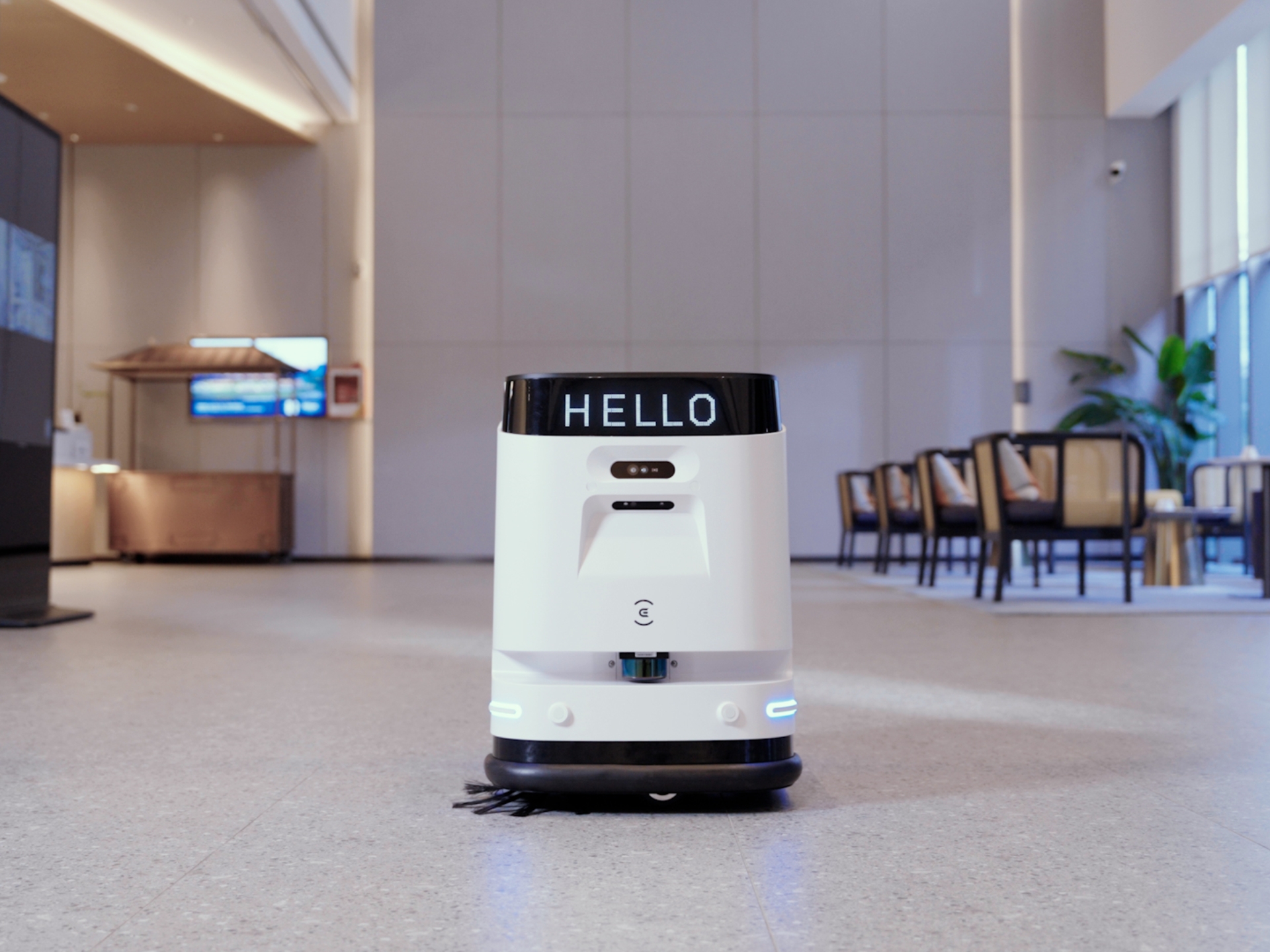
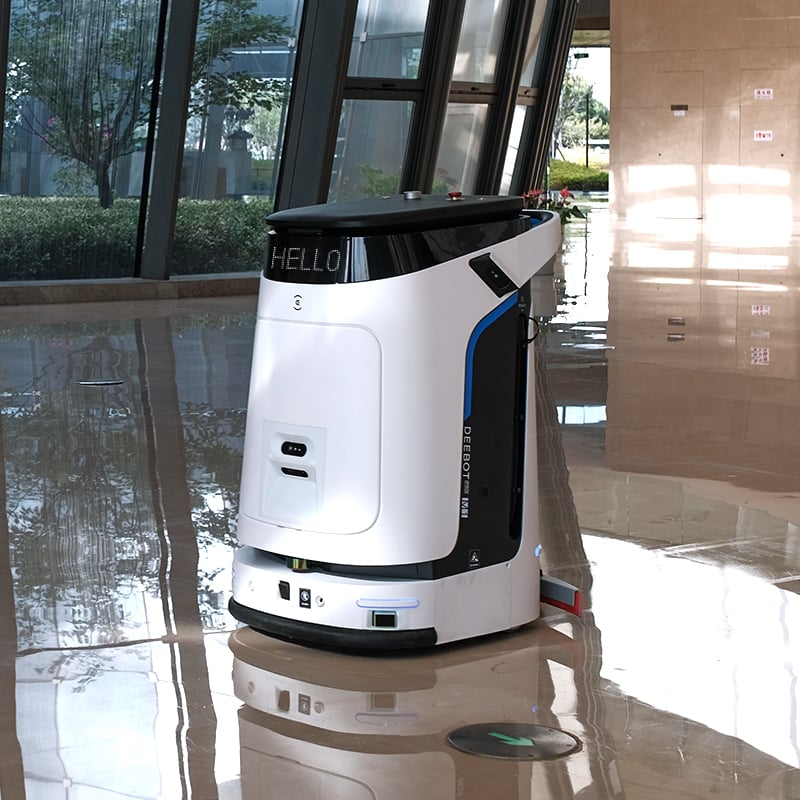
Advanced robotic scrubbers represent the cutting edge of industrial floor cleaning technology, offering consistent performance and operational efficiency that manual methods cannot match. These autonomous systems can operate during off-hours, providing continuous cleaning coverage without requiring dedicated staff oversight, which significantly reduces labor costs while improving cleaning consistency.
Modern robotic industrial floor cleaning systems incorporate intelligent navigation, allowing them to map complex warehouse layouts and optimize cleaning paths for maximum efficiency. These systems can detect obstacles, adjust cleaning patterns based on contamination levels, and even schedule maintenance alerts to ensure optimal performance throughout their operational cycles.
The precision of robotic systems ensures uniform cleaning results across entire facilities, eliminating the variability inherent in manual industrial floor cleaning processes. This consistency is particularly valuable in manufacturing environments where cleanliness standards directly impact product quality and regulatory compliance requirements.
High-Capacity Ride-On Scrubbers
For facilities requiring rapid coverage of large areas, ride-on scrubbers provide the productivity necessary for effective industrial floor cleaning in warehouse and factory environments. These machines combine substantial solution tank capacity with powerful scrubbing mechanisms capable of removing stubborn industrial contamination.
The ergonomic design of modern ride-on scrubbers reduces operator fatigue during extended cleaning sessions, enabling maintenance staff to cover more ground effectively. Advanced models feature intuitive controls and automated functions that simplify operation while ensuring consistent industrial floor cleaning results regardless of operator experience levels.
Variable pressure settings and adjustable brush configurations allow these machines to adapt to different floor surfaces and contamination types commonly found in industrial settings. This versatility makes them particularly valuable for facilities with mixed flooring materials or varying cleaning requirements across different operational areas.
Chemical Solutions and Surface Treatment Strategies
Industrial-Grade Cleaning Formulations
Effective industrial floor cleaning requires specialized chemical formulations designed to tackle the unique contamination challenges present in manufacturing and warehouse environments. These solutions must be powerful enough to dissolve oil, grease, and industrial residues while remaining safe for use around sensitive equipment and meeting environmental regulations.
Degreasing agents specifically formulated for industrial floor cleaning applications provide the chemical action necessary to break down hydrocarbon-based contaminants that are common in manufacturing environments. These specialized cleaners work synergistically with mechanical scrubbing action to achieve thorough soil removal from textured concrete surfaces.
pH-balanced formulations ensure that industrial floor cleaning processes do not damage floor surfaces or leave residues that could create slip hazards. The selection of appropriate cleaning chemicals requires understanding the specific types of contamination present and the flooring materials being treated to achieve optimal results.
Surface Protection and Maintenance Programs
Comprehensive industrial floor cleaning programs extend beyond basic cleaning to include surface protection measures that preserve floor integrity and reduce long-term maintenance requirements. Protective coatings and sealers applied as part of regular maintenance cycles help prevent contamination penetration and simplify future cleaning operations.
Regular application of floor conditioners during industrial floor cleaning routines helps maintain the porosity and texture necessary for slip resistance while preventing the buildup of embedded contaminants. These treatments also extend the lifespan of concrete floors by reducing wear from abrasive particles and chemical exposure.
Preventive maintenance scheduling ensures that industrial floor cleaning efforts remain effective over time. This approach identifies potential problems before they become major issues, allowing for targeted treatment that maintains floor performance and safety standards while controlling maintenance costs.
Operational Efficiency and Safety Integration
Workflow Integration and Scheduling
Successful industrial floor cleaning programs require careful integration with facility operations to minimize disruption while maintaining cleaning effectiveness. This involves developing cleaning schedules that work around production cycles, shift changes, and material handling activities to ensure floors can be properly maintained without impacting productivity.
Zone-based cleaning strategies allow industrial floor cleaning operations to focus on high-traffic or heavily contaminated areas more frequently while maintaining baseline cleanliness throughout the entire facility. This targeted approach optimizes resource allocation and ensures that critical areas receive appropriate attention.
Real-time monitoring capabilities in modern industrial floor cleaning equipment provide valuable data on cleaning performance, equipment utilization, and maintenance requirements. This information enables facility managers to make informed decisions about scheduling, resource allocation, and equipment upgrades to optimize cleaning operations.
Safety Compliance and Risk Management
Industrial floor cleaning operations must comply with strict safety regulations while contributing to overall workplace safety through effective contamination removal and slip hazard prevention. This requires understanding OSHA requirements, chemical handling protocols, and emergency response procedures that apply to industrial cleaning operations.
Proper training for industrial floor cleaning personnel ensures that safety protocols are followed and that cleaning operations themselves do not create additional hazards. This includes understanding proper chemical mixing, equipment operation, and personal protective equipment requirements for different cleaning scenarios.
Documentation and record-keeping requirements for industrial floor cleaning activities provide evidence of compliance with regulatory standards and support continuous improvement efforts. These records also help identify trends in contamination patterns and cleaning effectiveness that can inform operational adjustments.
FAQ
How often should industrial floors in warehouses and factories be cleaned?
The frequency of industrial floor cleaning depends on the specific operations, traffic levels, and contamination types present in each facility. High-traffic production areas typically require daily cleaning, while storage areas may need cleaning 2-3 times per week. Heavy manufacturing environments with oil or chemical exposure may require multiple cleaning cycles per day to maintain safety standards and prevent contamination buildup.
What are the most effective methods for removing oil and grease stains from factory floors?
Effective oil and grease removal requires a combination of appropriate degreasing chemicals and mechanical scrubbing action. Industrial floor cleaning systems should use alkaline degreasers specifically formulated for petroleum-based contaminants, followed by thorough rinsing to prevent residue buildup. Automated scrubbers with heated cleaning solutions provide superior results for embedded grease stains compared to manual methods.
Can robotic floor scrubbers handle the demanding conditions of industrial environments?
Modern robotic industrial floor cleaning systems are specifically designed to withstand demanding industrial conditions, including dust, temperature variations, and chemical exposure. These systems feature robust construction, sealed components, and advanced filtration to maintain reliable operation in challenging environments. They can effectively handle most industrial cleaning requirements while providing consistent results and operational efficiency.
What safety considerations are most important for industrial floor cleaning operations?
Key safety considerations include proper chemical handling and storage, ensuring adequate ventilation during cleaning operations, maintaining clear egress routes during cleaning activities, and using appropriate personal protective equipment. Industrial floor cleaning personnel must be trained on OSHA regulations, emergency response procedures, and the specific hazards associated with the chemicals and equipment used in their facility's cleaning operations.
Table of Contents
- Unique Challenges of Warehouse and Factory Floor Maintenance
- Specialized Equipment for Industrial Floor Cleaning Applications
- Chemical Solutions and Surface Treatment Strategies
- Operational Efficiency and Safety Integration
-
FAQ
- How often should industrial floors in warehouses and factories be cleaned?
- What are the most effective methods for removing oil and grease stains from factory floors?
- Can robotic floor scrubbers handle the demanding conditions of industrial environments?
- What safety considerations are most important for industrial floor cleaning operations?