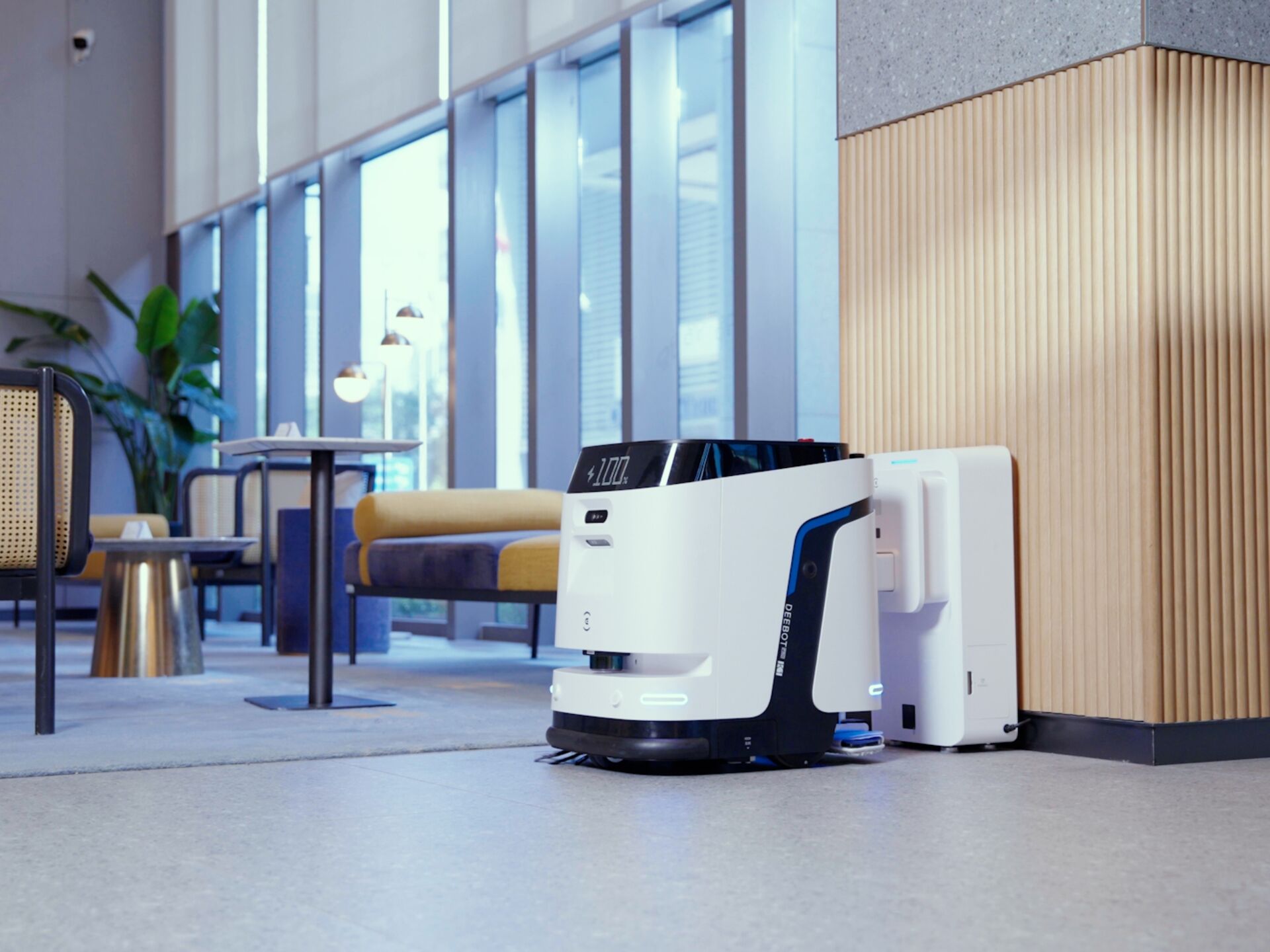
Healthcare facilities face unprecedented challenges in maintaining the highest hygiene standards while managing operational efficiency and cost control. Traditional cleaning methods, while effective to some degree, often fall short of delivering the consistent, thorough sanitization required in medical environments where patient safety depends on immaculate cleanliness. The integration of robotic cleaning technology represents a transformative shift in how healthcare facilities approach infection control and hygiene maintenance.
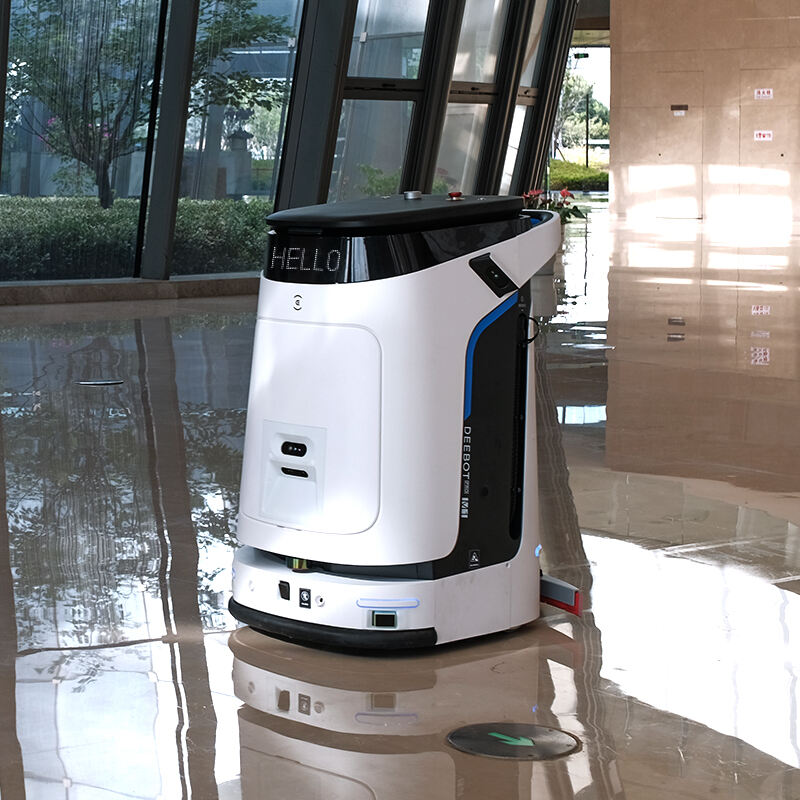
Advanced robotic cleaning systems are revolutionizing healthcare hygiene protocols by providing consistent, systematic cleaning that eliminates human error variability while maintaining continuous operation schedules. These automated solutions deliver measurable improvements in surface cleanliness, reduce cross-contamination risks, and enable healthcare staff to focus on patient care rather than routine cleaning tasks. The implementation of robotic floor scrubber technology specifically addresses the critical need for reliable floor sanitization in areas where pathogens can survive and spread through foot traffic.
Enhanced Consistency Through Automated Cleaning Protocols
Elimination of Human Variable Factors
Healthcare facilities require absolute consistency in cleaning protocols to maintain infection control standards, yet traditional manual cleaning introduces inherent variability based on individual performance, fatigue levels, and time constraints. Robotic cleaning systems eliminate these human variables by executing identical cleaning patterns with precise timing and pressure application every single time. The robotic floor scrubber operates according to programmed parameters that ensure complete coverage of designated areas without missing spots or rushing through procedures due to shift pressures.
This consistency proves particularly valuable in high-traffic areas such as emergency departments, surgical suites, and patient corridors where contamination risks remain elevated throughout operational hours. Robotic systems maintain their cleaning effectiveness regardless of the time of day, staffing levels, or external pressures that might compromise manual cleaning quality. Healthcare administrators can rely on predictable cleaning outcomes that support their infection prevention strategies.
Standardized Sanitization Procedures
Modern robotic cleaning technology enables healthcare facilities to establish standardized sanitization procedures that meet or exceed regulatory requirements while adapting to specific facility layouts and traffic patterns. These systems can be programmed to follow detailed cleaning maps that account for different contamination risks in various zones, applying appropriate cleaning solutions and contact times based on the specific requirements of each area.
The standardization extends beyond basic cleaning to include documentation capabilities that automatically record cleaning completion times, coverage areas, and solution usage rates. This automated documentation supports regulatory compliance efforts and provides facility managers with detailed data to optimize their hygiene protocols. Healthcare facilities can demonstrate adherence to cleaning standards through comprehensive digital records generated by their robotic cleaning systems.
Advanced Pathogen Detection and Response Capabilities
Real-Time Environmental Monitoring
Contemporary robotic cleaning systems incorporate sophisticated sensors and monitoring capabilities that enable real-time assessment of environmental conditions and contamination levels. These systems can detect variations in surface conditions, identify areas requiring additional attention, and adjust their cleaning protocols accordingly. The robotic floor scrubber technology includes sensors that monitor floor surface cleanliness and can trigger additional cleaning cycles when contamination levels exceed predetermined thresholds.
This real-time monitoring capability proves especially valuable during infectious disease outbreaks or when dealing with specific pathogens that require enhanced cleaning protocols. Robotic systems can be quickly reprogrammed to implement heightened cleaning frequencies or specialized sanitization procedures in response to emerging health threats. The ability to adapt cleaning protocols in real-time provides healthcare facilities with responsive infection control capabilities that static cleaning schedules cannot match.
Targeted Contamination Response
Advanced robotic cleaning systems can identify and respond to specific contamination events through integrated detection systems that recognize spills, tracked debris, or areas of elevated microbial activity. When contamination is detected, these systems can automatically deploy targeted cleaning responses that address the specific type and severity of contamination without requiring human intervention.
The targeted response capability includes the ability to select appropriate cleaning solutions, adjust application rates, and modify cleaning patterns based on the nature of the contamination detected. This precision approach ensures that cleaning resources are utilized efficiently while maintaining the highest standards of cleanliness. Healthcare facilities benefit from immediate contamination response that prevents the spread of pathogens before they can be dispersed through normal facility activities.
Operational Efficiency and Resource Optimization
24/7 Cleaning Capability
Healthcare facilities operate continuously, creating unique challenges for maintaining consistent cleaning schedules without interfering with patient care activities. Robotic cleaning systems provide 24/7 operational capability that enables facilities to maintain optimal hygiene standards during off-peak hours when patient and staff activities are reduced. The robotic floor scrubber can be programmed to operate during predetermined time windows that maximize cleaning effectiveness while minimizing disruption to healthcare operations.
This continuous cleaning capability proves particularly valuable in intensive care units, emergency departments, and other critical care areas where traditional cleaning schedules may be disrupted by patient needs. Robotic systems can adapt their operating schedules in real-time, postponing cleaning activities when patient care takes priority and automatically resuming when areas become available. The flexibility of robotic cleaning schedules ensures that hygiene standards are maintained without compromising patient care quality.
Staff Resource Reallocation
The implementation of robotic cleaning technology enables healthcare facilities to reallocate human resources from routine cleaning tasks to higher-value activities that directly support patient care. Environmental services staff can focus on specialized cleaning tasks that require human judgment and dexterity while robotic systems handle routine floor cleaning and sanitization duties.
This resource reallocation creates opportunities for staff development and career advancement while improving overall operational efficiency. Healthcare facilities can invest in training programs that enhance staff capabilities in infection control, specialized equipment maintenance, and patient interaction rather than spending resources on repetitive cleaning tasks. The strategic use of robotic floor scrubber technology supports workforce development initiatives while maintaining superior hygiene standards.
Quality Assurance and Compliance Enhancement
Automated Documentation and Reporting
Regulatory compliance in healthcare requires comprehensive documentation of cleaning activities, solution usage, and hygiene maintenance procedures. Robotic cleaning systems automatically generate detailed reports that document all cleaning activities with timestamps, coverage areas, and cleaning solution consumption data. This automated documentation eliminates the manual record-keeping requirements that consume staff time and introduce potential errors in compliance documentation.
The comprehensive data collection capabilities of modern robotic systems provide healthcare administrators with detailed insights into cleaning effectiveness, operational efficiency, and resource utilization patterns. These insights enable data-driven decisions about cleaning protocols, staffing requirements, and resource allocation that support both regulatory compliance and operational optimization objectives.
Performance Verification Systems
Advanced robotic cleaning systems include integrated performance verification capabilities that validate cleaning effectiveness through multiple measurement methods. These systems can conduct post-cleaning surface assessments, verify solution contact times, and confirm complete coverage of designated areas before marking cleaning tasks as completed.
The performance verification capabilities provide healthcare facilities with objective evidence of cleaning effectiveness that supports quality assurance programs and regulatory compliance efforts. Administrators can access real-time data about cleaning performance metrics and receive alerts when cleaning standards fall below acceptable thresholds. This continuous monitoring ensures that hygiene standards are maintained consistently across all facility areas.
Technology Integration and Future-Ready Infrastructure
Smart Building Integration
Modern healthcare facilities increasingly rely on integrated building management systems that coordinate various operational functions including HVAC, security, and environmental services. Robotic cleaning systems can integrate seamlessly with these smart building platforms to optimize cleaning schedules based on occupancy patterns, air quality measurements, and facility usage data.
The integration capabilities enable robotic floor scrubber systems to coordinate with other facility systems to maximize cleaning effectiveness while minimizing energy consumption and operational disruptions. For example, robotic cleaning can be synchronized with HVAC systems to optimize air filtration during cleaning activities or coordinated with security systems to ensure cleaning occurs in unoccupied areas.
Scalable Implementation Strategies
Healthcare facilities can implement robotic cleaning technology through scalable deployment strategies that begin with high-priority areas and expand gradually based on demonstrated results and available resources. This phased approach enables facilities to validate the effectiveness of robotic cleaning systems while building staff familiarity and operational expertise.
The scalable implementation approach allows healthcare facilities to customize their robotic cleaning deployments based on specific facility requirements, patient populations, and operational constraints. Facilities can start with robotic floor scrubber units in specific departments and expand to facility-wide implementation as staff become proficient with the technology and operational benefits are demonstrated.
FAQ
How do robotic cleaning systems maintain effectiveness in complex healthcare facility layouts?
Modern robotic cleaning systems use advanced mapping and navigation technology that enables them to operate effectively in complex healthcare environments with multiple rooms, corridors, and obstacles. These systems create detailed facility maps and can be programmed with specific cleaning routes that account for medical equipment, furniture, and facility-specific requirements. The robotic floor scrubber technology includes sensors that enable real-time navigation adjustments to avoid obstacles while maintaining complete coverage of designated cleaning areas.
What types of cleaning solutions can robotic systems use in healthcare settings?
Robotic cleaning systems can be configured to use a wide range of healthcare-approved cleaning and disinfection solutions including EPA-registered disinfectants, specialized antimicrobial cleaners, and facility-specific cleaning protocols. These systems can automatically adjust solution concentration rates, application methods, and contact times based on the specific requirements of different healthcare areas. The flexibility in cleaning solution compatibility enables facilities to maintain their existing infection control protocols while benefiting from automated application and monitoring capabilities.
How do robotic cleaning systems handle emergency situations or unplanned cleaning needs?
Advanced robotic cleaning systems include emergency response capabilities that enable immediate deployment for unplanned cleaning needs such as spills, contamination events, or infectious disease outbreaks. These systems can be rapidly reprogrammed through mobile applications or central control systems to implement enhanced cleaning protocols or target specific areas requiring immediate attention. The robotic floor scrubber can be manually directed to specific locations for immediate cleaning while maintaining its programmed schedule for routine maintenance activities.
What training requirements are needed for healthcare staff to work with robotic cleaning systems?
Healthcare facilities typically require minimal training for staff to work effectively with robotic cleaning systems due to their user-friendly interfaces and autonomous operation capabilities. Training programs usually focus on basic system operation, emergency procedures, and integration with existing workflows rather than complex technical maintenance. Most robotic cleaning systems include comprehensive training materials and ongoing support services that enable healthcare staff to become proficient quickly while maintaining focus on their primary patient care responsibilities.
Table of Contents
- Enhanced Consistency Through Automated Cleaning Protocols
- Advanced Pathogen Detection and Response Capabilities
- Operational Efficiency and Resource Optimization
- Quality Assurance and Compliance Enhancement
- Technology Integration and Future-Ready Infrastructure
-
FAQ
- How do robotic cleaning systems maintain effectiveness in complex healthcare facility layouts?
- What types of cleaning solutions can robotic systems use in healthcare settings?
- How do robotic cleaning systems handle emergency situations or unplanned cleaning needs?
- What training requirements are needed for healthcare staff to work with robotic cleaning systems?