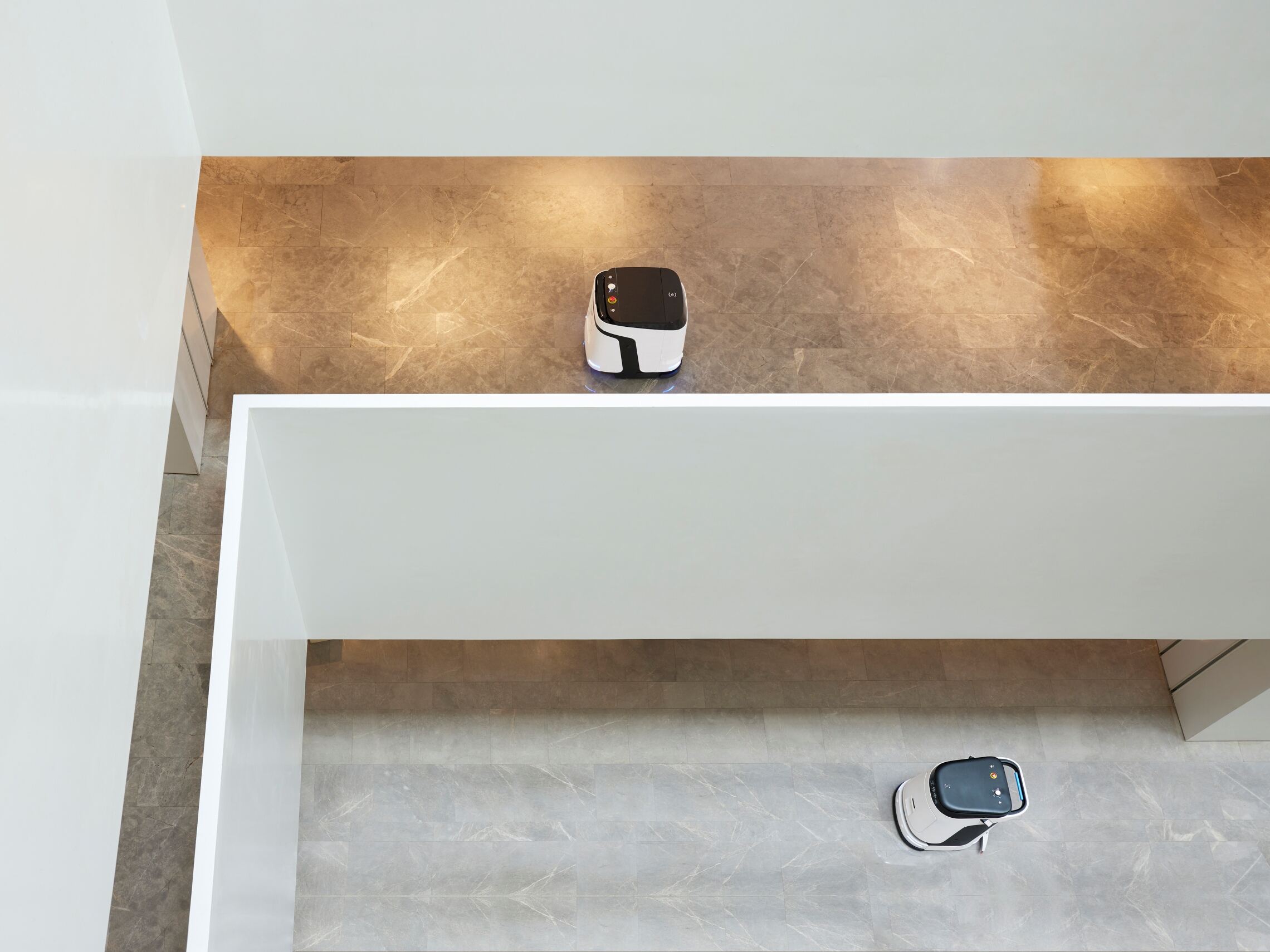
The hospitality industry has undergone a significant transformation as hotels increasingly prioritize guest satisfaction through innovative cleaning technologies. As travelers become more discerning about hygiene standards and service quality, hotels are discovering that traditional cleaning methods may not meet the elevated expectations of modern guests. This shift has led many hotel operators to embrace automated cleaning solutions, particularly robotic vacuums, as a strategic investment in guest experience enhancement.
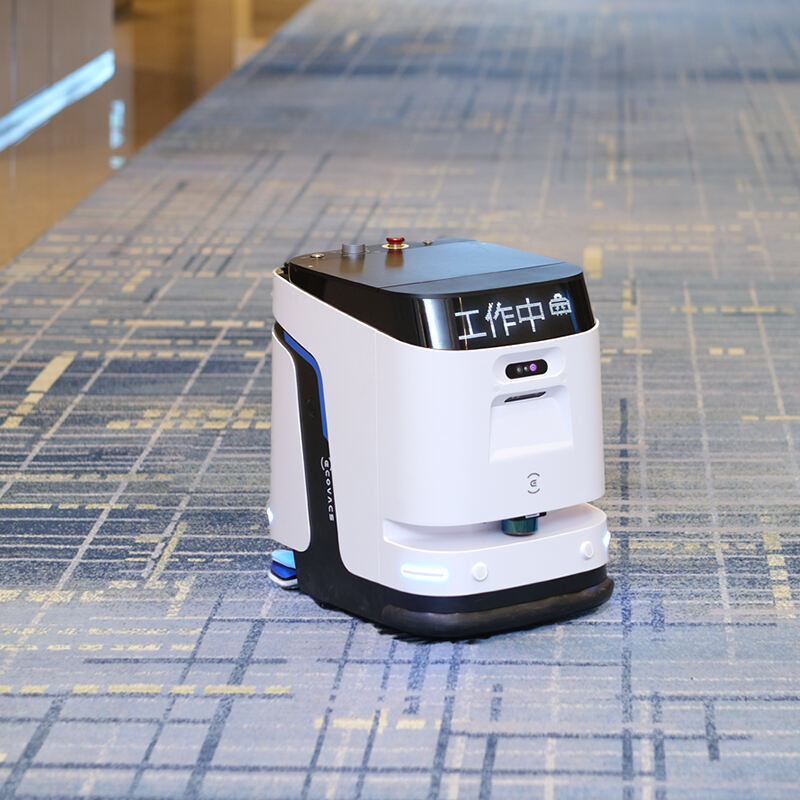
The decision to implement robotic vacuums in hotel operations stems from a deeper understanding of how cleanliness directly correlates with guest satisfaction scores, repeat bookings, and positive reviews. Hotels that have adopted these automated cleaning systems report measurable improvements in their operational efficiency while simultaneously delivering the pristine environments that guests expect. The integration of robotic vacuums represents more than just a technological upgrade; it reflects a fundamental commitment to exceeding guest expectations through consistent, reliable cleaning performance.
Enhanced Cleaning Consistency Drives Guest Confidence
Predictable Cleaning Standards Across All Areas
Hotels choosing robotic vacuums benefit from unprecedented cleaning consistency that human staff alone cannot always guarantee. These automated systems operate on predetermined schedules and follow exact cleaning patterns, ensuring that every guest room, hallway, and common area receives identical attention to detail. Unlike traditional cleaning methods that can vary based on staff fatigue, time constraints, or individual technique differences, robotic vacuums deliver uniform results that guests can rely upon.
The consistency factor becomes particularly crucial during peak occupancy periods when housekeeping teams face intense pressure to turn rooms quickly. Robotic vacuums continue operating at their optimal performance level regardless of external pressures, maintaining the same thorough cleaning approach whether the hotel is at 30% or 100% capacity. This reliability translates directly into guest confidence, as visitors experience the same immaculate conditions throughout their stay.
Elimination of Human Error Variables
Traditional vacuum cleaning in hotels depends heavily on individual staff performance, which can fluctuate due to various factors including training levels, experience, and physical condition. Robotic vacuums eliminate these human variables by executing programmed cleaning algorithms that cover every designated area systematically. This technological approach ensures that no corners are missed, no areas receive inadequate attention, and no cleaning cycles are shortened due to time pressures.
The elimination of human error extends beyond just thoroughness to include timing and frequency. Robotic vacuums can be programmed to clean guest rooms immediately after checkout and before the next guest's arrival, creating a seamless cleaning cycle that supports rapid room turnover without compromising quality. This precision timing helps hotels maintain their reputation for cleanliness while optimizing their operational workflow.
24/7 Cleaning Capability Maximizes Guest Comfort
Continuous Maintenance During Low-Traffic Hours
The ability of robotic vacuums to operate during off-peak hours provides hotels with a significant advantage in maintaining pristine conditions without disrupting guest activities. These automated systems can clean lobbies, corridors, and other common areas during late evening or early morning hours when guest foot traffic is minimal. This scheduling flexibility allows hotels to maintain consistently clean environments while ensuring guests never encounter cleaning disruptions during their stay.
Night-time operation of robotic vacuums proves particularly valuable in hotels with extensive common areas, restaurants, and conference facilities. These spaces accumulate significant debris throughout the day from high guest traffic, but traditional cleaning schedules may only address these areas once or twice daily. Robotic vacuums can perform multiple cleaning cycles throughout the night, ensuring guests always encounter immaculate conditions regardless of when they use these facilities.
Immediate Response to Cleaning Needs
Hotels utilizing robotic vacuums can respond immediately to unexpected cleaning situations without requiring staff redeployment or schedule adjustments. When conferences end, banquet events conclude, or high-traffic periods create additional debris, these automated systems can be activated instantly to restore cleanliness standards. This responsive capability prevents the accumulation of dirt and debris that might otherwise remain visible to guests until the next scheduled cleaning cycle.
The immediate response capability becomes particularly valuable during events or busy periods when housekeeping staff may be fully occupied with room cleaning duties. Robotic vacuums can handle routine floor maintenance independently, allowing human staff to focus on more complex cleaning tasks that require manual attention. This division of labor ensures that all cleaning needs are addressed promptly without overwhelming the housekeeping team.
Cost Efficiency Enables Investment in Guest Experience
Reduced Labor Costs Support Service Enhancement
The operational cost savings achieved through robotic vacuums allow hotels to reallocate financial resources toward guest experience improvements. While the initial investment in robotic vacuums represents a significant expenditure, the long-term reduction in labor costs creates budgetary flexibility for hotels to enhance other aspects of their service offerings. These savings can fund additional amenities, upgraded facilities, or enhanced guest services that directly contribute to satisfaction levels.
Labor cost reduction through robotic vacuums extends beyond simple wage savings to include benefits, training costs, and turnover-related expenses. Hotels in markets with high labor costs or significant staffing challenges find that robotic vacuums provide operational stability while reducing dependence on scarce human resources. This financial efficiency allows hotels to maintain competitive pricing while investing in technologies and services that differentiate their guest experience.
Predictable Maintenance and Operating Costs
Unlike human staffing costs that can fluctuate due to overtime, turnover, and benefit increases, robotic vacuums provide hotels with predictable operating expenses that simplify budget planning. The maintenance requirements for these systems follow regular schedules with known costs for replacement parts and service intervals. This predictability allows hotel financial managers to accurately forecast cleaning-related expenses and allocate resources more effectively toward guest satisfaction initiatives.
The long-term durability of commercial-grade robotic vacuums means that hotels can amortize their investment over multiple years while enjoying consistent performance benefits. This extended operational life, combined with minimal daily operating costs, creates a favorable return on investment that supports continued investment in guest experience enhancements. Hotels can confidently budget for robotic vacuum systems knowing that their cleaning performance will remain consistent throughout the equipment's operational life.
Advanced Technology Features Meet Modern Guest Expectations
Smart Navigation and Mapping Capabilities
Modern guests increasingly expect hotels to incorporate advanced technology throughout their operations, and robotic vacuums demonstrate technological sophistication that aligns with these expectations. The smart navigation systems used by contemporary robotic vacuums can map hotel layouts, avoid obstacles, and optimize cleaning paths in ways that impress tech-savvy guests. This technological advancement signals to guests that the hotel invests in innovative solutions to enhance their experience.
The mapping and navigation capabilities of robotic vacuums also enable hotels to maintain detailed cleaning records and demonstrate their commitment to hygiene standards. Guests can observe these sophisticated machines operating with precision and intelligence, creating confidence in the hotel's overall technological capabilities and attention to detail. This technological demonstration often translates into positive guest perceptions about the hotel's commitment to innovation and service quality.
Quiet Operation Preserves Guest Tranquility
Advanced robotic vacuums operate at significantly lower noise levels compared to traditional vacuum cleaners, allowing hotels to maintain cleaning activities without disturbing guest rest or relaxation. This quiet operation capability enables cleaning during sensitive hours when noise restrictions would typically prevent vacuum cleaning activities. Guests appreciate the unobtrusive nature of robotic vacuums, which maintain cleanliness standards without creating disturbances that could impact their stay experience.
The quiet operation of robotic vacuums becomes particularly important in boutique hotels or properties where guest rooms are located near common areas. Traditional vacuum cleaning during daytime hours can create noise complaints and guest dissatisfaction, but robotic vacuums can operate continuously without generating disruptive sound levels. This operational advantage allows hotels to maintain higher cleanliness standards while preserving the peaceful environment that guests value during their stays.
Environmental Sustainability Appeals to Conscious Travelers
Energy Efficiency Supports Green Initiatives
Hotels increasingly attract environmentally conscious guests by demonstrating commitment to sustainable practices, and robotic vacuums contribute to these green initiatives through their energy-efficient operation. These automated systems consume significantly less power than traditional vacuum cleaners while maintaining superior cleaning performance, supporting hotels' environmental goals without compromising cleanliness standards. Guests who prioritize sustainability appreciate visible evidence of hotels' commitment to reducing energy consumption.
The energy efficiency of robotic vacuums extends beyond direct power consumption to include operational efficiency that reduces overall environmental impact. By operating autonomously during off-peak hours, these systems can take advantage of lower-demand electricity periods that may utilize cleaner energy sources. Hotels can highlight their use of energy-efficient cleaning technology as part of broader sustainability messaging that appeals to environmentally conscious travelers.
Reduced Chemical Usage Through Superior Cleaning
The thorough and consistent cleaning performance of robotic vacuums often reduces the need for chemical cleaning products by maintaining higher baseline cleanliness levels. When floors receive regular, systematic cleaning through robotic vacuums, hotels can minimize the frequency and intensity of chemical cleaning treatments required to maintain hygiene standards. This reduction in chemical usage supports environmental sustainability goals while creating a healthier indoor environment for guests with chemical sensitivities.
Guests increasingly appreciate hotels that minimize chemical usage without compromising cleanliness standards, and robotic vacuums enable this balance through mechanical cleaning effectiveness. The HEPA filtration systems commonly integrated into commercial robotic vacuums capture allergens and fine particles without requiring chemical treatments, creating cleaner air quality that sensitive guests notice and appreciate. This chemical reduction strategy supports both environmental goals and guest health considerations.
FAQ
How do robotic vacuums improve guest satisfaction compared to traditional cleaning methods?
Robotic vacuums improve guest satisfaction by providing consistent, thorough cleaning that eliminates the variability inherent in human cleaning performance. Guests experience uniformly clean environments regardless of housekeeping staff workload, time pressures, or individual skill variations. The 24/7 cleaning capability ensures that common areas remain pristine throughout the day, while quiet operation prevents cleaning activities from disrupting guest comfort. Additionally, the visible use of advanced cleaning technology demonstrates the hotel's commitment to innovation and quality, creating positive guest impressions that contribute to overall satisfaction.
Are robotic vacuums cost-effective for hotels despite the initial investment?
Yes, robotic vacuums prove cost-effective for hotels through reduced labor costs, predictable maintenance expenses, and improved operational efficiency. While the initial purchase requires significant capital investment, hotels typically recover these costs within 18-24 months through labor savings and increased cleaning productivity. The extended operational life of commercial-grade robotic vacuums, combined with minimal daily operating costs, creates favorable long-term return on investment. Additionally, the labor cost savings can be reinvested into guest experience enhancements that drive higher satisfaction scores and repeat bookings.
Can robotic vacuums handle the unique cleaning challenges found in hotels?
Modern commercial robotic vacuums are specifically designed to handle hotel environments with advanced navigation systems that avoid furniture, stairs, and obstacles commonly found in guest rooms and public areas. These systems can clean various floor surfaces including carpet, hardwood, and tile while adapting their suction power automatically. The mapping capabilities allow them to clean efficiently around beds, desks, and bathroom areas while ensuring complete coverage. Many models include specialized features for pet hair removal, allergen capture, and debris handling that address the diverse cleaning challenges hotels encounter from different guest needs and activities.
What impact do robotic vacuums have on hotel staff and employment?
Robotic vacuums typically complement rather than replace hotel housekeeping staff by handling routine floor cleaning tasks while freeing human workers to focus on more complex cleaning duties that require manual attention. Staff can concentrate on bathroom cleaning, bed making, surface sanitization, and guest service activities that add greater value to the guest experience. Many hotels report that robotic vacuums help address staffing shortages and reduce the physical demands on housekeeping teams, leading to improved job satisfaction and reduced turnover. The technology enables existing staff to work more efficiently rather than eliminating positions, often resulting in enhanced career development opportunities as workers take on more skilled responsibilities.
Table of Contents
- Enhanced Cleaning Consistency Drives Guest Confidence
- 24/7 Cleaning Capability Maximizes Guest Comfort
- Cost Efficiency Enables Investment in Guest Experience
- Advanced Technology Features Meet Modern Guest Expectations
- Environmental Sustainability Appeals to Conscious Travelers
-
FAQ
- How do robotic vacuums improve guest satisfaction compared to traditional cleaning methods?
- Are robotic vacuums cost-effective for hotels despite the initial investment?
- Can robotic vacuums handle the unique cleaning challenges found in hotels?
- What impact do robotic vacuums have on hotel staff and employment?