
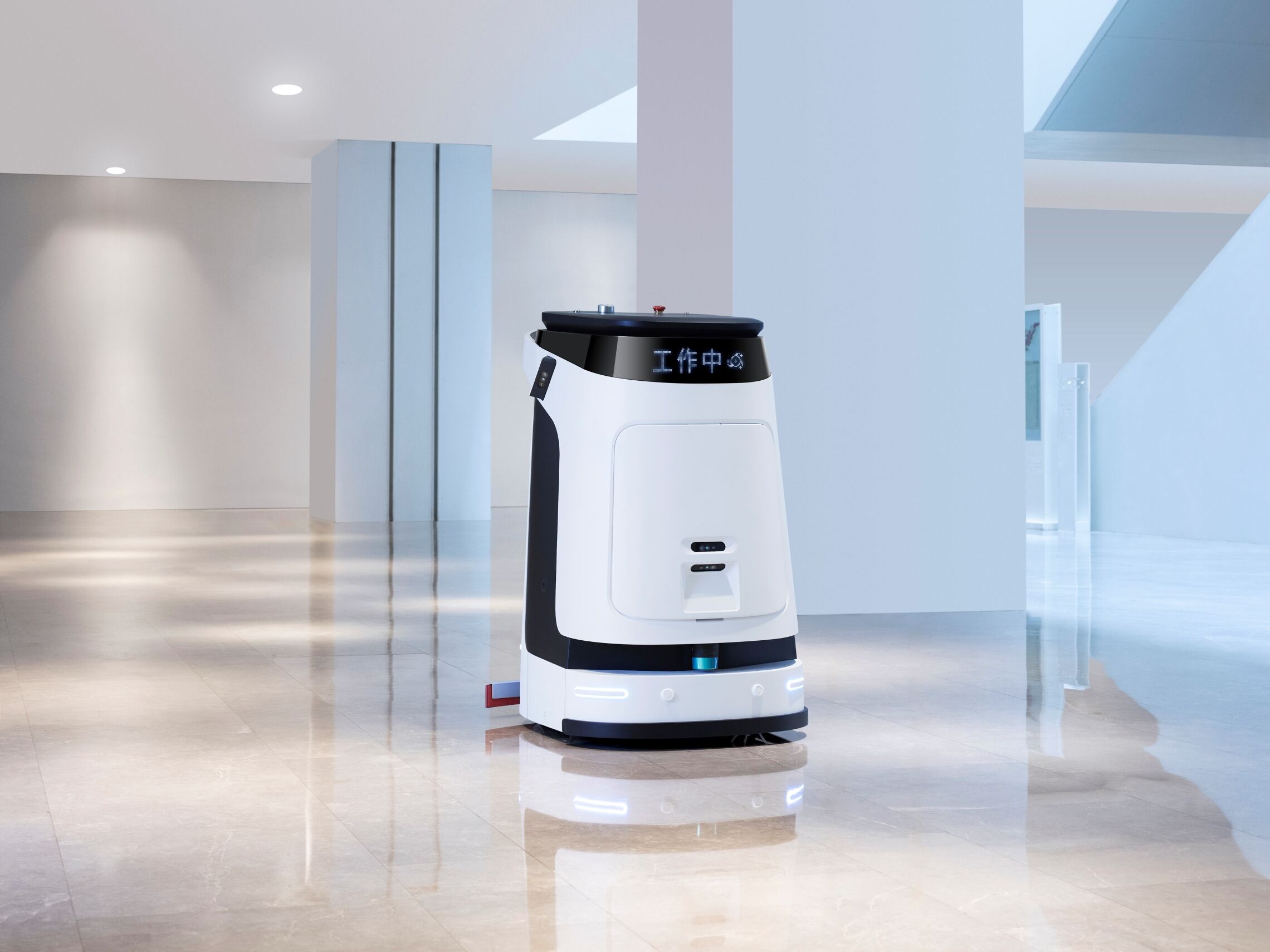
Integrationen af Internet of Things (IoT)-teknologi med intelligente bygningsstyringssystemer repræsenterer en grundlæggende ændring i, hvordan erhvervslokaler fungerer og vedligeholdes. Blandt de mest synlige og praktiske anvendelser af denne konvergens er autonome rengøringsrobotter, som er et eksempel på den nahtløse kombination af kunstig intelligens, sensornetværk og automatiseret facilitetsstyring. Disse intelligente maskiner omdanner traditionelle rengøringsoperationer fra arbejdskrævende, planlagte opgaver til kontinuerlige, datadrevne processer, der tilpasser sig bygningens reelle forhold og beboelsesmønstre i realtid.
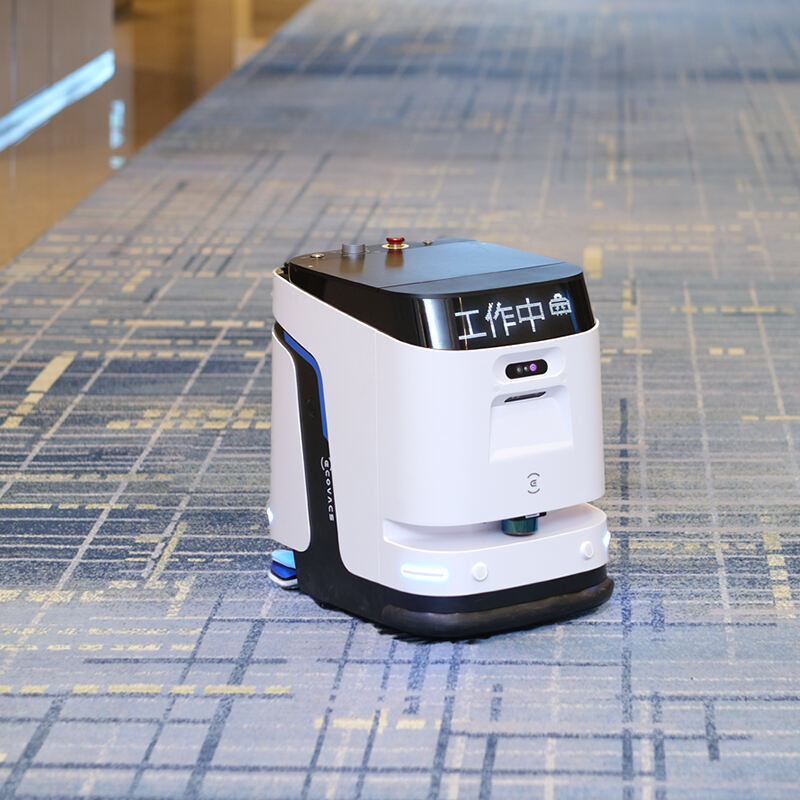
Smarte bygningsøkosystemer bygger på indbyrdes forbundne enheder, der kommunikerer kontinuerligt for at optimere energiforbruget, sikkerheden, luftkvaliteten og vedligeholdelsesplanlægningen. Inden for denne ramme fungerer autonome rengøringsrobotter som mobile IoT-noder, der bidrager med værdifuld data om beboelse, miljøovervågning og driftsindsigt, mens de udfører deres primære rengøringsfunktioner. Rollen for disse robotter strækker sig ud over simpel gulvvedligeholdelse og bliver til integreret dele af omfattende bygningsintelligenssystemer, der forbedrer driftseffektiviteten, reducerer omkostningerne og forbedrer brugeroplevelsen.
IoT-integrationsarkitektur for autonome rengøringsystemer
Sensornetværk og protokoller for dataindsamling
Autonome rengøringsrobotter udstyret med IoT-funktioner integrerer flere typer sensorer for at indsamle omfattende miljødata under deres rengøringscyklusser. Disse sensorer omfatter LIDAR til rumlig kortlægning, luftkvalitetsmonitorer til detektering af partikler, termiske sensorer til optælling af tilstedeværelse samt akustiske sensorer til overvågning af støjniveau. De indsamlede data leveres direkte til bygningsstyringssystemer via standardiserede kommunikationsprotokoller såsom MQTT, CoAP eller proprietære API'er, som sikrer problemfri integration med eksisterende infrastruktur.
Datainsamlingsprocessen foregår kontinuerligt og skaber detaljerede kort over fodtrafikmønstre, forurening niveauer og udnyttelsesgrader for rum. Denne information giver facilitetsledere mulighed for at træffe velovervejede beslutninger om rengøringsplaner, ressourcefordeling og rumoptimering. Avancerede autonome rengøringsrobotter kan registrere specifikke typer snavs, fugtniveauer og endda potentielle vedligeholdelsesproblemer som løse gulvplader eller slittet tæppe, og transmitterer disse observationer til centrale overvågningsystemer til proaktiv facilitetsstyring.
Cloud-tilslutning og fjernstyringsmuligheder
Moderne autonome rengøringsrobotter udnytter cloud-forbindelse til at aktivere fjernovervågning, konfigurationsopdateringer og prognostisk vedligeholdelsesplanlægning. Gennem sikre trådløse forbindelser uploader disse enheder driftsdata, rengøringsydelsesmål og diagnostisk information til cloud-baserede administrationsplatforme. Denne forbindelse giver bygningsoperatører mulighed for at overvåge flere lokationer samtidigt, sammenligne ydeevnen på forskellige steder og implementere standardiserede rengøringsprotokoller på tværs af hele ejendomsporfolier.
Cloud-integration gør det også muligt at udføre softwareopdateringer og ændre adfærd uden behov for fysisk adgang til enkelte robotter. Maskinlæringsalgoritmer, der kører i skyen, analyserer den samlede data for at optimere rengøringsruter, forudsige udstyrsfejl og foreslå forbedringer af rengøringsstrategier. Resultatet er et kontinuerligt udviklende system, der bliver mere effektivt og effektivt over tid, hvilket reducerer driftsomkostningerne samtidig med, at højere rengøringsstandarder opretholdes.
Echtid-bygningsintelligens og responsiv drift
Bevægelighedsdetektering og adaptiv planlægning
Integrationen af autonome rengøringsrobotter med bygningsbevægelsessensorer skaber dynamiske rengøringsplaner, der reagerer på den faktiske rumudnyttelse i stedet for forudbestemte tidsrum. Disse robotter kan registrere, når konferencerum er blevet forladt, når fodtrafikken i foyers falder, eller når bestemte områder kræver øjeblikkelig opmærksomhed på grund af spild eller usædvanlig akkumulation af snavs. Denne responsivitet sikrer, at rengøringsaktiviteterne finder sted på optimale tidspunkter, hvilket minimerer forstyrrelser for bygningsbrugerne samtidig med, at en konstant rengøringsstandard opretholdes.
Avanceret optagelsesdetektion går ud over simpel tilstedeværelsessensning og forstår brugsmønstre samt forudsiger fremtidige rengøringsbehov. For eksempel kan autonome rengøringsrobotter lære, at bestemte områder oplever stor trafik i frokosttimerne, eller at konferencerumme kræver mere hyppig rengøring efter efterfølgende møder. Denne prædiktive funktion gør det muligt for robotterne at placere sig strategisk og tildele rengøringsressourcer dér, hvor de vil have den største indvirkning på brugertilfredshed og bygningshygiejne.
Miljøovervågning og luftkvalitetsstyring
Autonome rengøringsrobotter udstyret med luftkvalitetssensorer bidrager til omfattende miljøovervågningssystemer i smarte bygninger. Mens disse robotter bevæger sig rundt i faciliteten, måler de partikelmateriale, flygtige organiske forbindelser, luftfugtighedsniveauer og temperaturvariationer og opretter detaljerede miljøkort, der informerer drift af VVK-systemer. Denne mobile overvågningsmetode giver mere omfattende dækning end fastmonterede sensorer alene og identificerer lokaliserede luftkvalitetsproblemer, som ellers kunne blive overset.
De miljømæssige data, der indsamles af autonome rengøringsrobotter integrerer sig med bygningsautomationsystemer for at udløse passende reaktioner, såsom øget ventilation i områder med forhøjede partikelkoncentrationer eller justering af fugtkontrol baseret på lokal fugtdetektering. Denne integration skaber en mere responsiv og effektiv bygningsmiljø, der automatisk tilpasser sig ændrede forhold, mens der opretholdes optimal indendørs luftkvalitet for beboernes sundhed og komfort.
Driftseffektivitet og omkostningsstyring gennem intelligent integration
Ressourceoptimering og lagerstyring
Integration med smarte bygninger gør det muligt for autonome rengøringsrobotter at optimere ressourceforbruget gennem intelligent overvågning af rengøringsmaterialer, batteriniveauer og vedligeholdelsesplaner. Disse robotter kan spore deres eget forbrug af forbrugsartikler, forudsige, hvornår materialer skal genopfyldes, og automatisk generere indkøbsanmodninger via integrerede facilitetsstyringssystemer. Denne funktion reducerer spild, forhindrer mangel på forsyninger og sikrer, at rengøringsoperationer fortsætter uden afbrydelser.
Dataene, som de autonome rengøringsrobotter genererer, informerer også bredere beslutninger inden for facilitetsstyring vedrørende arealtilordning, optimering af trafikstrømme og infrastrukturelle forbedringer. Ved at analysere mønstre i snavsophobning, slidindikatorer og krav til rengøringsfrekvens kan facilitetschefer identificere områder, der kunne drage fordel af designændringer eller forebyggende foranstaltninger, der reducerer de løbende vedligeholdelsesbehov.
Energistyring og bæredygtige driftsprocesser
Autonome rengøringsrobotter bidrager til intelligent energistyring i bygninger gennem koordinerede opladningsskemaer og driftstidspunkter, der er afstemt med tilgængeligheden af vedvarende energi og perioder med høj efterspørgsel. Intelligente opladningssystemer kan udskyde robotternes opladning, indtil solcelleanlæggene producerer overskydende energi, eller indtil elpriserne er lavest, hvilket reducerer de samlede energiomkostninger for bygningen uden at påvirke driftsklarheden.
Integrationen af autonome rengøringsrobotter med bygningsenergistyringssystemer muliggør også belastningsudligning i perioder med høj efterspørgsel. Disse robotter kan justere deres driftsintensitet, udskyde ikke-kritiske rengøringsopgaver eller køre i energibesparende tilstande, når bygningen nærmer sig grænserne for maksimal energiforbrug. Denne koordination bidrager til bygningens overordnede bæredygtigheds mål uden at kompromittere rengøringsstandarderne.
Sikkerhedsintegration og adgangskontrolsystemer
Overvågningsfunktioner og hændelsesdetektion
Moderne autonome rengøringsrobotter indeholder ofte kameraer og bevægelsessensorer, der kan tjene dobbelt formål – både til navigation og sikkerhedsovervågning. Når de integreres med bygnings sikkerhedssystemer, kan disse mobile platforme registrere usædvanlige aktiviteter, uautoriseret adgang eller potentielle sikkerhedstrusler under deres rengøringscyklusser. Den konstante bevægelse af disse robotter gennem faciliteten sikrer en omfattende overvågningsdækning, der supplerer fastmonterede sikkerhedskameraer.
Sikkerhedsintegrationen udvides til at omfatte hændelsesreaktionsfunktioner, hvor autonome rengøringsrobotter kan omdirigeres til at undersøge alarmer, levere videoer i realtid til sikkerhedspersonale eller fungere som første respondenter til at vurdere situationer før menneskelig indgriben. Denne funktion er særligt værdifuld i store faciliteter, hvor sikkerhedspersonale ikke kan være til stede på alle steder samtidigt.
Integration af adgangskontrol og sikre driftsprocesser
Autonome rengøringsrobotter integreres med bygningsadgangskontrolsystemer for at sikre, at de kun opererer i autoriserede områder og inden for godkendte tidsvinduer. Disse robotter kan bære digitale legitimationsmidler, der giver dem adgang gennem sikrede døre, elevatorer og begrænsede zoner, samtidig med at de opretholder detaljerede logfiler over deres bevægelser til sikkerhedsrevision. Denne integration sikrer, at rengøringsoperationer ikke kompromitterer bygningens sikkerhedsprotokoller.
Avanceret integration af adgangskontrol muliggør, at autonome rengøringsrobotter tilpasser deres ruter ud fra ændrede sikkerhedskrav eller midlertidige begrænsninger. For eksempel kan robotterne automatisk udelukke et bestemt etageområde fra deres rengøringscyklus, hvis det er lukket på grund af en sikkerhedshændelse, og i stedet omfordele deres indsats til andre lokationer i bygningen.
Fremtidige Udviklinger og Nye Teknologier
Fremdrift inden for kunstig intelligens og maskinlæring
Udviklingen af autonome rengøringsrobotter inden for intelligente bygningsøkosystemer fortsætter med at accelerere gennem fremskridt inden for kunstig intelligens og maskinlæringsfunktioner. Fremtidige udviklinger vil muliggøre, at disse robotter forstår komplekse miljømæssige sammenhænge, forudsiger rengøringsbehov med større nøjagtighed og samarbejder mere effektivt med andre bygningsystemer. Forbedret kunstig intelligens vil gøre det muligt for autonome rengøringsrobotter at skelne mellem forskellige typer af rum og tilpasse deres rengøringsstrategier derefter.
Maskinlæringsalgoritmer vil fortsat forbedre effektiviteten af autonome rengøringsrobotter ved at analysere store mængder driftsdata for at identificere optimale rengøringsmønstre, forudsige udstyrsvedligeholdelsesbehov og foreslå forbedringer af faciliteterne. Disse fremskridt vil resultere i mere autonome systemer, der kræver mindre menneskelig overvågning, samtidig med at de leverer bedre rengøringspræstation og bidrager med mere værdifulde indsigt til bygningsdriftens operationer.
Integration med fremadstormende smarte bygnings-teknologier
Den fremtidige integration af autonome rengøringsrobotter med fremadstormende teknologier såsom digitale tvillinger, vedligeholdelsessystemer baseret på udvidet virkelighed og avancerede bygningsanalyseplatforme vil skabe hidtil usete muligheder for facilitetsoptimering. Integrationen af digitale tvillinger vil gøre det muligt at foretage virtuelle tests af rengøringsstrategier og forudsigende modellering af facilitetens vedligeholdelsesbehov baseret på realtidsdata fra autonome rengøringsrobotter.
Fremadstormende teknologier vil også gøre det muligt for autonome rengøringsrobotter at deltage i mere sofistikerede interaktioner inden for bygningsøkosystemet, f.eks. koordinering med intelligente belysningssystemer for at optimere energiforbruget under rengøringsoperationer eller integration med avancerede luftrensningssystemer for at reagere dynamisk på forureningshændelser, der registreres under rengøringscyklusser.
Ofte stillede spørgsmål
Hvordan kommunikerer autonome rengøringsrobotter med bygningsstyringssystemer?
Autonome rengøringsrobotter kommunikerer med bygningsstyringssystemer via trådløse protokoller såsom Wi-Fi, Bluetooth eller dedikerede IoT-netværk ved hjælp af standardiserede kommunikationsprotokoller som MQTT eller CoAP. De sender driftsdata, sensorlæsninger og statusopdateringer til centrale styringsplatforme, der integrerer disse oplysninger med andre bygningsystemer til omfattende overvågning og styring af faciliteter.
Hvilke typer data indsamler autonome rengøringsrobotter til smarte bygningsdrift?
Autonome rengøringsrobotter indsamler forskellige data, herunder optagelsesmønstre, luftkvalitetsmålinger, temperatur- og fugtighedsangivelser, kort over snavsfordeling, trafikstrømmønstre samt mål for udstyrets ydeevne. Disse data bidrager til bygningsintelligenssystemer, der optimerer energiforbruget, forbedrer den indendørs miljøkvalitet og understøtter beslutningstagningen i facilitetsstyring for en forbedret driftseffektivitet.
Kan autonome rengøringsrobotter operere sikkert sammen med andre intelligente bygnings-teknologier?
Ja, autonome rengøringsrobotter er designet til at integreres sikkert med andre intelligente bygnings-teknologier via koordinerede kommunikationssystemer og sikkerhedsprotokoller. De kan interagere med elevatorstyring, automatiske døre, sikkerhedssystemer og HVAC-udstyr, mens de opretholder driftssikkerhed ved hjælp af kollisionsundgåelsessensorer, nødstopfunktioner og integration med bygningens systemer til nødreaktion.
Hvad er cybersikkerhedsovervejelserne vedrørende IoT-forbundne autonome rengøringsrobotter?
Cybersikkerhed for IoT-forbundne autonome rengøringsrobotter omfatter krypteret datatransmission, sikre godkendelsesprotokoller, regelmæssige firmwareopdateringer og netværkssegmentering for at isolere robotkommunikationen fra kritiske bygningsystemer. Organisationer skal implementere omfattende sikkerhedspolitikker, der inkluderer enhedsgodkendelse, datakryptering og overvågning af usædvanlig netværksaktivitet for at beskytte mod potentielle cybetrusler, samtidig med at den operative funktionalitet opretholdes.
Indholdsfortegnelse
- IoT-integrationsarkitektur for autonome rengøringsystemer
- Echtid-bygningsintelligens og responsiv drift
- Driftseffektivitet og omkostningsstyring gennem intelligent integration
- Sikkerhedsintegration og adgangskontrolsystemer
- Fremtidige Udviklinger og Nye Teknologier
-
Ofte stillede spørgsmål
- Hvordan kommunikerer autonome rengøringsrobotter med bygningsstyringssystemer?
- Hvilke typer data indsamler autonome rengøringsrobotter til smarte bygningsdrift?
- Kan autonome rengøringsrobotter operere sikkert sammen med andre intelligente bygnings-teknologier?
- Hvad er cybersikkerhedsovervejelserne vedrørende IoT-forbundne autonome rengøringsrobotter?