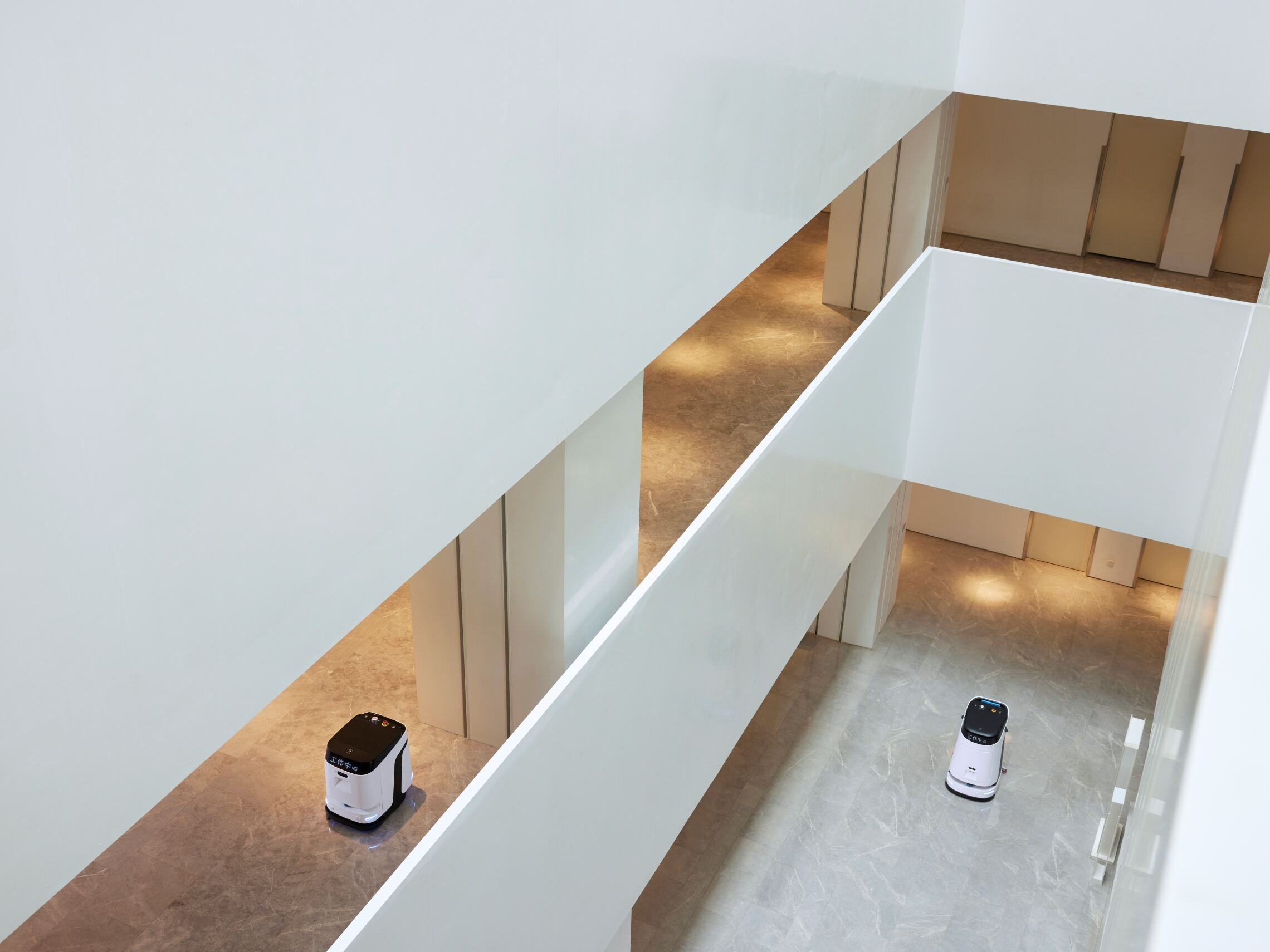
Miljöansvar har blivit en avgörande prioritet för företag inom alla branscher, vilket driver efterfrågan på hållbara rengöringslösningar som minimerar resursförbrukningen samtidigt som höga hygienstandarder upprätthålls. Rengöringsbranschen, som traditionellt är kopplad till betydande vattenanvändning och beroende av kemikalier, genomgår en omvandlingsprocess genom integreringen av robotbaserad golvrengöringsteknik som lovar att revolutionera hur anläggningar hanterar sitt miljöansvar.
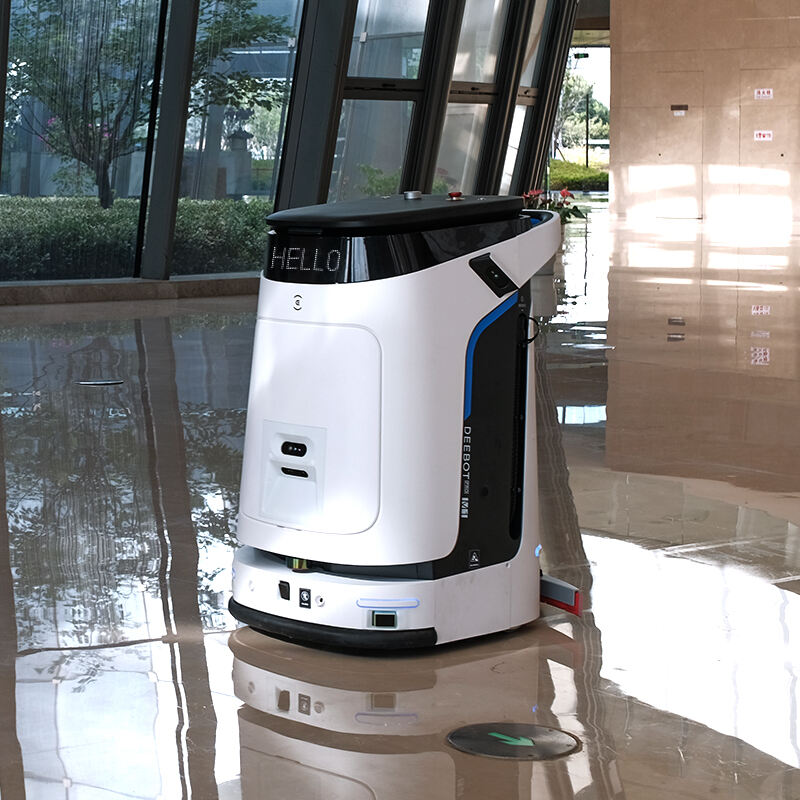
Modern robotbaserade golvrengöringssystem utnyttjar avancerad sensorteknik, precisionsapplikationsmekanismer och intelligenta algoritmer för resurshantering för att kraftigt minska den miljöpåverkan som uppstår, samtidigt som de ger överlägsna rengöringsresultat. Dessa automatiserade lösningar utgör en grundläggande avvikelse från traditionella rengöringsmetoder och erbjuder företag möjlighet att uppnå sina hållbarhetsmål utan att offra driftseffektivitet eller renlighetsstandarder.
Precisionsstyrning av vattenanvändning genom intelligent teknik
Sensorstyrd vattenapplikation
Robotbaserade golvrenoveringssystem integrerar sofistikerade fuktensorer som kontinuerligt övervakar golvvillkoren och justerar vattenmängden i realtid. Detta intelligenta tillvägagångssätt säkerställer att endast den mängd vatten som är nödvändig tillförs, baserat på smutsnivån, golvytan och miljöförhållandena. Till skillnad från traditionella tvättmetoder, som ofta leder till för hög fuktighet och slöseri, robotbaserad golvrenovering tekniken levererar exakt den mängd vatten som krävs, precis där det behövs.
De avancerade kartläggningsfunktionerna hos dessa system gör att de kan identifiera olika golvytor och justera vattenanvändningen därefter. Hårda ytor som kakel och betong kräver andra fuktnivåer jämfört med lackerat trä eller specialgolvmaterial. Denna teknik för ytigenkänning förhindrar onödig vattenslöseri samtidigt som optimal rengöringsprestanda säkerställs i olika anläggningstyper.
Undersökningar visar att robotbaserade golvrenoveringssystem kan minska vattenförbrukningen med upp till sextio procent jämfört med traditionella manuella rengöringsmetoder. Denna betydande minskning beror på att mänskliga fel vid vattentillförsel elimineras, spill under transport förhindras och mängden rengöringslösning kalibreras exakt utifrån de faktiska golvförhållandena snarare än uppskattningar.
Återvinning och återanvändning av vatten
Avancerade robotbaserade golvrenoveringsplattformar är utrustade med integrerade system för återvinning av vatten som samlar in använt rengöringsmedel för korrekt bortskaffning eller återanvändning. Dessa system förhindrar att förorenat vatten når avloppssystem eller grundvattenresurser, vilket löser en betydande miljöfråga som är förknippad med traditionella golvrenoveringsoperationer.
Insamlingsprocessen innebär kraftfulla sugmekanismer som omedelbart återvinner den applicerade rengöringslösningen, vilket förhindrar bildandet av vattenpölar och minskar förlusterna genom avdunstning. Denna omedelbara återvinning eliminerar också behovet av extra vatten för att skölja bort rengöringsrester, vilket ytterligare bidrar till allmänna vattensparåtgärder.
Vissa sofistikerade robotbaserade golvrenoveringssystem integrerar filtreringsteknik som möjliggör återanvändning av återvunnet vatten i efterföljande rengöringscykler. Denna sluten cykelmaximerar vatteneffektiviteten och minimerar anläggningens totala vattorfotavtryck, särskilt fördelaktigt för stora kommersiella utrymmen som kräver frekvent rengöring.
Kemikalieminskning genom optimerad applikation
Mikrodoseringsteknik
Robotiska golvrenoveringssystem använder mikrodoseringsteknik som levererar exakta mängder rengöringskemikalier baserat på smutsdetektering och ytkrav. Detta tillvägagångssätt eliminerar gissningar och överdriven användning, vilket är vanligt vid manuell rengöring där arbetare ofta använder mer kemikalier än nödvändigt för att säkerställa rengöringseffektiviteten.
Integrationen av smutssensorer gör det möjligt för robotiska golvrenoveringsutrustningar att bedöma föroreningsnivåerna och justera kemikalkoncentrationen därefter. Lätta smutsbelastningar får minimal kemisk behandling, medan kraftigt smutsiga områden får ökad koncentration endast där det behövs. Denna målriktade metod minskar den totala kemikalanvändningen samtidigt som konsekventa rengöringsstandarder upprätthålls i hela anläggningen.
Studier visar att robotbaserade golvrengöringssystem kan minska kemikalieanvändningen med upp till femtio procent jämfört med traditionella rengöringsmetoder. Denna minskning leder till lägre inköpskostnader, mindre lagringsutrymme och betydligt minskad miljöpåverkan från kemikaliernas produktion och bortskaffande.
Alternativa rengöringslösningar
Många robotbaserade golvrengöringsplattformar stödjer användning av miljövänliga rengöringsmedel, inklusive biologiskt nedbrytbara tvättmedel och enzymbaserade rengöringsmedel som bryts ner naturligt utan att skada ekosystemen. De exakta appliceringsmöjligheterna hos dessa system gör det möjligt att använda sådana alternativa lösningar effektivt, även om de kan kräva andra appliceringstekniker jämfört med traditionella kemikalier.
Den kontrollerade miljön som skapas av robotbaserade golvrenoveringssystem möjliggör också effektiv användning av UV-desinficering och ozoniserat vatten för rengöring. Dessa kemikalie-fria alternativ utnyttjar robotens förmåga att upprätthålla konstant kontakttid och täckningsmönster, vilket säkerställer grundlig desinficering utan att förlita sig på hårda kemiska medel.
Vissa avancerade robotbaserade golvrenoveringssystem kan fungera effektivt med rengöringsprotokoll som endast använder vatten för rutinunderhåll, och förbehåller användningen av kemikalier för specifika smutsförhållanden eller desinficeringskrav. Denna flexibilitet gör det möjligt för anläggningar att minimera kemikalieanvändningen samtidigt som de upprätthåller lämpliga hygienkrav för sina specifika driftsförutsättningar.
Energieffektivitet och driftsmässig hållbarhet
Batteriteknik och effekthantering
Moderna robotbaserade golvrengöringssystem använder avancerad litiumjonbatteriteknik som ger längre driftstider samtidigt som energiförbrukningen minimeras. Dessa system innehåller intelligenta kraftstyrningsalgoritmer som optimerar motordrift, sensordrift och rengöringsmekanismer för att maximera effektiviteten under hela rengöringscykeln.
Den autonoma karaktären hos robotbaserade golvrengöringsutrustningar eliminerar behovet av ständig mänsklig övervakning och minskar den energi som annars krävs för belysning och klimatreglering i de områden som rengörs. Många system kan fungera effektivt även i dämpad belysning eller under stängda tider, då anläggningar kan tillämpa energibesparande åtgärder.
Energirecirkulationssystem i vissa robotbaserade golvrengöringsplattformar fångar upp kinetisk energi under rörelse och bromsning, vilket förlänger batteriets livslängd och minskar den totala effektförbrukningen. Denna regenerativa ansats förstärker ytterligare de miljömässiga fördelarna med automatiserad rengöringsteknik.
Minskad påverkan på arbetsrelaterad transporter
Införandet av robotbaserade golvrenoveringssystem minskar kraftigt transportkraven kopplade till rengöringspersonalens resor till och mellan anläggningar. Denna minskning av fordonanvändning bidrar till lägre koldioxidutsläpp och stödjer bredare hållbarhetsinitiativ inom organisationer.
Autonoma robotbaserade golvrenoveringsoperationer eliminerar också behovet av frekventa leveranser, eftersom systemens effektiva resursanvändning förlänger intervallen mellan påfyllning av kemikalier och förbrukningsartiklar. Denna minskning av leveransfrekvensen minskar transportavtrycket kopplat till underhållsoperationer för anläggningar.
Den konsekventa och förutsägbara prestandan hos robotbaserade golvrenoveringssystem möjliggör mer effektiv schemaläggning och resursplanering, vilket minskar nödleveranser och övertidsdrift som annars bidrar till ökad miljöpåverkan i traditionella rengöringsoperationer.
Långsiktig bedömning av miljöpåverkan
Hållbarhetsfördelar under livscykeln
Robotiska golvrenoveringssystem visar betydande miljöfördelar under hela sin driftscykel, från minskad resursförbrukning under användning till förlängd utrustningslivslängd genom konsekventa underhållsprotokoll. Dessa systems precisionsdrift minskar slitage på golvytorna, vilket förlänger golvens livslängd och minskar den miljöpåverkan som är förknippad med frekvent golvbyte eller nybehandling.
Dataninsamlingsfunktionerna hos robotiska golvrenoveringssystem gör det möjligt för anläggningar att spåra och optimera sin förbrukning av rengöringsresurser över tid. Denna kontinuerliga övervakning stödjer evidensbaserad hållbarhetsrapportering och hjälper organisationer att identifiera ytterligare möjligheter till miljöförbättring.
Tillverkningsframsteg inom robotbaserad golvrenoveringsteknik inkluderar alltmer återvunna material och design för demontering, vilket stödjer initiativ för cirkulär ekonomi. Återvinningsprogram för dessa system vid livslängdens slut hjälper till att minimera avfallsgenerering och stödja ansvarsfullt bortskaffande av elektroniska komponenter.
Skalbarhet och systemintegration
Skalbarheten hos robotbaserad golvrenoveringsteknik gör det möjligt for organisationer att utöka sina hållbarhetsinitiativ över flera anläggningar utan proportionella ökningar av resursförbrukning. Centraliserade hanteringssystem möjliggör optimering av rengöringsprotokoll och resursfördelning över hela anläggningsportföljerna.
Integration med byggnadsstyrningssystem möjliggör att robotbaserade golvrenoveringsoperationer samordnas med VVS-, belysnings- och säkerhetssystem för maximal energieffektivitet. Denna helhetsinriktade ansats till anläggningshantering förstärker de miljömässiga fördelarna med enskilda systemförbättringar.
Standardiseringen som är möjlig med robotbaserade golvrenoveringssystem stödjer konsekvent mätning och redovisning av hållbarhetsprestanda över olika typer av anläggningar och platser. Denna konsekvens möjliggör mer effektiv miljöhäntering och visar på mätbar framgång mot organisationens hållbarhetsmål.
Vanliga frågor
Hur mycket vatten kan robotbaserade golvrenoveringssystem spara jämfört med traditionell tvättning med mop?
Robotbaserade golvrenoveringssystem minskar vanligtvis vattenförbrukningen med femtio till sextio procent jämfört med traditionella manuella rengöringsmetoder. Denna minskning beror på exakt sensorstyrda applikationer, undvikande av utspillning, omedelbar återvinning av vatten samt möjligheten att justera vattenanvändningen baserat på faktiska smutsförhållanden i stället för standardapplikationshastigheter.
Kräver robotbaserade golvrenoveringssystem specialkemikalier eller rengöringsmedel?
De flesta robotbaserade golvrengöringssystem är utformade för att fungera med standard kommersiella rengöringsmedel, men deras exakta appliceringsmöjligheter gör det också möjligt att effektivt använda miljövänliga alternativ, inklusive bionedbrytbara tvättmedel, enzymbaserade rengöringsmedel och till och med rengöring endast med vatten för rutinunderhåll i många applikationer.
Vad är den typiska avkastningen på investeringen vid införande av robotbaserad golvrengöringsteknik?
Avkastningen på investeringen för robotbaserade golvrengöringssystem ligger vanligtvis mellan arton och trettiosex månader, beroende på anläggningens storlek och nuvarande rengöringskostnader. Besparingar uppstår genom minskade arbetskrav, lägre förbrukning av kemikalier och vatten, minskad slitage på utrustning samt förbättrad driftseffektivitet – vilket ofta överstiger den ursprungliga teknikinvesteringen.
Kan robotbaserade golvrengöringssystem arbeta i anläggningar med komplexa layouter eller hinder?
Modernare robotbaserade golvrenoveringssystem använder avancerad kartläggnings- och navigeringsteknik som gör att de kan fungera effektivt i komplexa miljöer med möbler, utrustning och oregelbundna golvplan. Dessa system lär sig anläggningens layout över tid och kan anpassa sina rengöringsmönster för att ta hänsyn till tillfälliga hinder och förändrade rumskonfigurationer.
Innehållsförteckning
- Precisionsstyrning av vattenanvändning genom intelligent teknik
- Kemikalieminskning genom optimerad applikation
- Energieffektivitet och driftsmässig hållbarhet
- Långsiktig bedömning av miljöpåverkan
-
Vanliga frågor
- Hur mycket vatten kan robotbaserade golvrenoveringssystem spara jämfört med traditionell tvättning med mop?
- Kräver robotbaserade golvrenoveringssystem specialkemikalier eller rengöringsmedel?
- Vad är den typiska avkastningen på investeringen vid införande av robotbaserad golvrengöringsteknik?
- Kan robotbaserade golvrengöringssystem arbeta i anläggningar med komplexa layouter eller hinder?