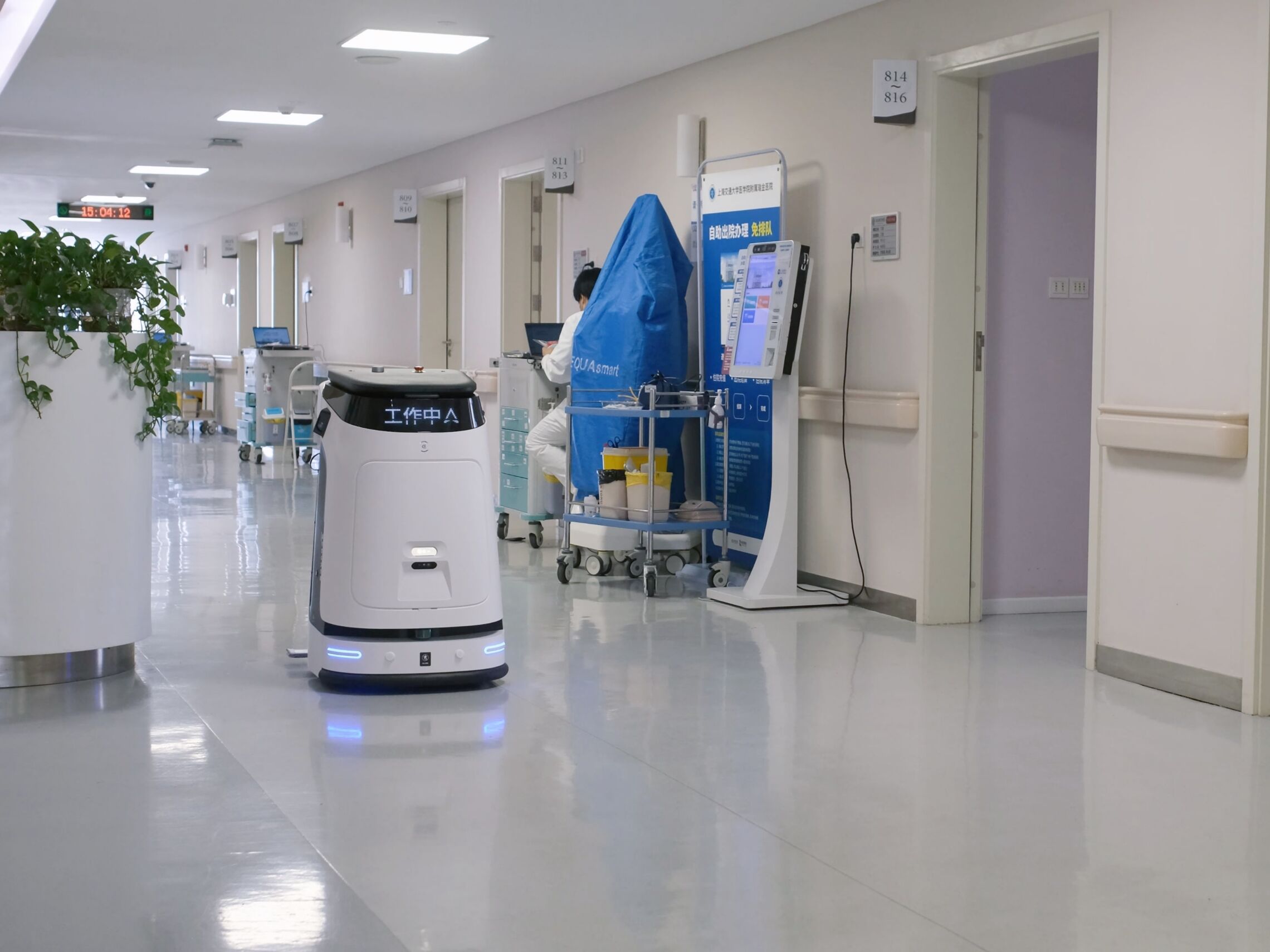
Industrial cleaning has undergone a revolutionary transformation with the introduction of automated cleaning technologies. Modern manufacturing facilities, warehouses, and commercial spaces face increasing pressure to maintain pristine environments while optimizing operational efficiency. The industrial robot vacuum represents a breakthrough solution that addresses these challenges by delivering consistent, autonomous cleaning performance across diverse industrial applications. These sophisticated systems combine advanced navigation technology, powerful suction capabilities, and intelligent programming to revolutionize how businesses approach facility maintenance. Understanding the comprehensive benefits of implementing an industrial robot vacuum can help organizations make informed decisions about upgrading their cleaning infrastructure.
Enhanced Operational Efficiency and Cost Reduction
Automated Cleaning Schedules Optimize Resource Allocation
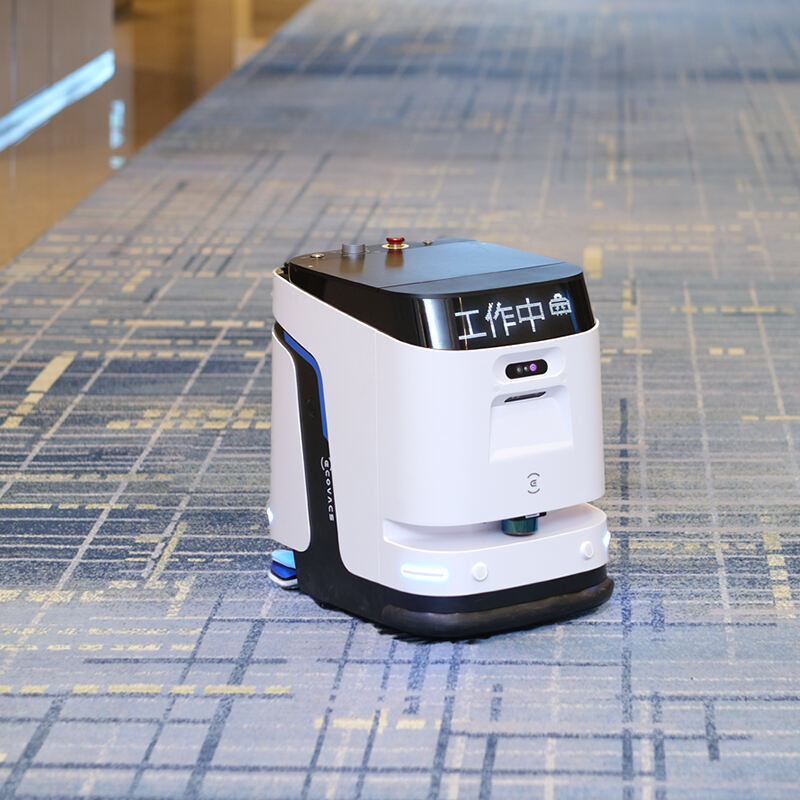
The implementation of an industrial robot vacuum system fundamentally transforms how organizations manage their cleaning operations. These autonomous units operate according to predetermined schedules, ensuring consistent cleaning coverage without requiring constant human supervision. Manufacturing facilities can program their industrial robot vacuum to operate during off-peak hours, maintaining cleanliness standards without disrupting production activities. This scheduling flexibility allows businesses to optimize labor allocation, redirecting human resources toward higher-value tasks that require specialized skills and decision-making capabilities.
Cost analysis reveals substantial long-term savings when comparing traditional cleaning methods to robotic alternatives. While the initial investment in an industrial robot vacuum may seem significant, the reduction in labor costs, decreased cleaning supply consumption, and improved operational efficiency generate measurable returns on investment. Organizations report average cost reductions of thirty to fifty percent within the first two years of implementation, primarily due to reduced staffing requirements and optimized cleaning supply usage.
Minimized Labor Dependencies and Staffing Challenges
Contemporary businesses face ongoing challenges in maintaining adequate cleaning staff, particularly in industrial environments that require specialized training and safety protocols. An industrial robot vacuum addresses these staffing difficulties by providing reliable, consistent cleaning performance regardless of labor market fluctuations or staff availability issues. These systems operate independently, eliminating concerns about sick days, vacation coverage, or employee turnover that traditionally impact cleaning consistency.
The reliability of robotic cleaning systems extends beyond simple staff replacement. Industrial robot vacuum units maintain consistent performance standards, ensuring that cleaning quality remains uniform regardless of external factors. This consistency proves particularly valuable in regulated industries where cleanliness standards must meet strict compliance requirements. Organizations can confidently maintain their cleaning protocols without worrying about human error or varying performance levels among different cleaning personnel.
Superior Cleaning Performance and Consistency
Advanced Navigation and Mapping Technologies
Modern industrial robot vacuum systems incorporate sophisticated navigation technologies that enable precise, methodical cleaning patterns. These units utilize laser mapping, sensor arrays, and artificial intelligence algorithms to create detailed facility maps, ensuring comprehensive coverage of all designated areas. The mapping capabilities allow the industrial robot vacuum to identify obstacles, navigate around equipment, and adapt to changing environmental conditions while maintaining optimal cleaning efficiency.
The precision of robotic navigation eliminates common cleaning inconsistencies associated with manual cleaning methods. Human cleaners may inadvertently miss areas, spend insufficient time in heavily soiled locations, or follow inefficient cleaning patterns. In contrast, an industrial robot vacuum follows programmed routes that ensure every designated square foot receives appropriate attention. This systematic approach results in more thorough cleaning coverage and improved overall facility cleanliness.
Consistent Cleaning Standards Across All Areas
Maintaining uniform cleaning standards across large industrial facilities presents ongoing challenges for traditional cleaning operations. Factors such as worker fatigue, time constraints, and varying skill levels can result in inconsistent cleaning quality throughout different facility areas. An industrial robot vacuum eliminates these variables by delivering identical cleaning performance across all programmed zones, ensuring that every area receives the same level of attention and care.
The consistency benefits extend to cleaning frequency and timing as well. These robotic systems can be programmed to clean specific areas multiple times per day, maintaining optimal cleanliness levels in high-traffic zones while providing standard maintenance cleaning in less frequently used areas. This flexibility allows organizations to customize their cleaning protocols based on actual usage patterns and cleanliness requirements rather than relying on generalized cleaning schedules.
Improved Safety and Workplace Environment
Reduced Human Exposure to Hazardous Materials
Industrial environments often contain potentially hazardous materials, chemical residues, or airborne particles that pose health risks to cleaning personnel. Implementing an industrial robot vacuum significantly reduces human exposure to these hazardous substances by automating the cleaning process in potentially dangerous areas. These robotic systems can safely navigate and clean areas where chemical spills, dust particles, or other contaminants might present health risks to human workers.
The safety benefits extend beyond hazardous material exposure to include reduced slip and fall risks. Traditional mopping and cleaning methods can create temporary safety hazards through wet surfaces or cleaning solution residues. An industrial robot vacuum eliminates these risks by providing dry cleaning methods that maintain surface safety while effectively removing dirt, debris, and contaminants from facility floors.
Enhanced Air Quality Through Advanced Filtration
Many industrial robot vacuum systems incorporate advanced filtration technologies that capture fine particles, allergens, and airborne contaminants that traditional cleaning methods might redistribute into the air. HEPA filtration systems commonly found in these units trap particles as small as 0.3 microns, significantly improving indoor air quality throughout cleaned facilities. This enhanced filtration capability proves particularly valuable in manufacturing environments where airborne particles can affect product quality or worker health.
The air quality improvements contribute to better working conditions and potentially reduced respiratory issues among facility personnel. Cleaner air environments can lead to improved employee satisfaction, reduced sick days, and enhanced overall productivity. Organizations operating in industries with strict air quality requirements find that industrial robot vacuum systems help maintain compliance with environmental regulations while creating healthier work environments for their employees.
Advanced Technology Integration and Smart Features
IoT Connectivity and Remote Monitoring Capabilities
Contemporary industrial robot vacuum systems integrate seamlessly with Internet of Things (IoT) platforms, enabling remote monitoring, control, and optimization of cleaning operations. Facility managers can track cleaning progress, monitor system performance, and adjust operational parameters from centralized control stations or mobile devices. This connectivity allows for real-time optimization of cleaning schedules based on facility usage patterns, weather conditions, or special events that might require additional cleaning attention.
The data collection capabilities of connected industrial robot vacuum systems provide valuable insights into facility usage patterns, cleaning effectiveness, and maintenance requirements. Analytics platforms can identify high-traffic areas that require more frequent cleaning, track cleaning efficiency metrics, and predict maintenance needs before system failures occur. This predictive maintenance capability reduces downtime and ensures consistent cleaning performance throughout the system's operational lifecycle.
Artificial Intelligence and Machine Learning Optimization
Advanced industrial robot vacuum systems incorporate artificial intelligence algorithms that continuously learn and adapt to specific facility environments. These learning capabilities enable the systems to optimize cleaning patterns, adjust suction power based on surface types and soil levels, and identify areas that consistently require additional attention. Over time, the industrial robot vacuum becomes more efficient and effective as it accumulates operational data and refines its cleaning algorithms.
Machine learning capabilities also enable predictive cleaning scheduling based on facility usage patterns and environmental conditions. The system can automatically adjust cleaning frequency in response to increased foot traffic, seasonal changes, or special events that might impact facility cleanliness requirements. This intelligent adaptation ensures optimal cleaning performance while minimizing unnecessary energy consumption and operational costs.
Environmental Sustainability and Energy Efficiency
Reduced Chemical Usage and Environmental Impact
Traditional industrial cleaning methods often require significant quantities of chemical cleaning agents, which can impact both environmental sustainability and operational costs. An industrial robot vacuum typically relies on mechanical cleaning action rather than chemical solutions, substantially reducing the facility's overall chemical consumption and environmental footprint. This reduction in chemical usage aligns with corporate sustainability initiatives while potentially reducing regulatory compliance requirements related to chemical storage and disposal.
The environmental benefits extend to waste reduction as well. Robotic cleaning systems generate less waste through optimized cleaning supply usage and reduced packaging waste associated with cleaning products. Many industrial robot vacuum systems utilize reusable components and filters that can be cleaned and maintained rather than replaced frequently, further contributing to waste reduction and environmental sustainability goals.
Energy Efficient Operations and Smart Power Management
Modern industrial robot vacuum systems incorporate energy-efficient motors, intelligent power management systems, and optimized cleaning algorithms that minimize energy consumption while maintaining superior cleaning performance. These systems can be programmed to operate during off-peak energy hours, taking advantage of lower electricity rates and reduced grid demand. Smart charging systems ensure that the industrial robot vacuum maintains optimal battery levels while avoiding unnecessary energy consumption.
The energy efficiency benefits compound over time, particularly in large facilities where traditional cleaning methods might require significant lighting and HVAC adjustments to accommodate cleaning personnel during off-hours. Robotic systems can operate effectively in reduced lighting conditions and don't require climate control adjustments for human comfort, further reducing the overall energy footprint of facility cleaning operations.
FAQ
How does maintenance differ between traditional cleaning equipment and an industrial robot vacuum
Industrial robot vacuum systems typically require less frequent maintenance compared to traditional cleaning equipment. While conventional cleaning machines need regular part replacements, oil changes, and mechanical adjustments, robotic systems primarily require filter cleaning, sensor calibration, and battery maintenance. Most industrial robot vacuum units feature self-diagnostic capabilities that alert maintenance personnel when service is needed, preventing unexpected downtime and optimizing maintenance scheduling.
What types of industrial environments are best suited for robotic vacuum systems
Industrial robot vacuum systems perform exceptionally well in warehouses, manufacturing facilities, retail spaces, healthcare facilities, and office environments. These systems excel in areas with predictable layouts, minimal liquid spills, and regular debris accumulation. Facilities with consistent floor surfaces and minimal elevation changes provide optimal operating conditions for an industrial robot vacuum, though many modern units can handle varied terrain and surface types effectively.
How do industrial robot vacuum systems handle unexpected obstacles or changes in facility layout
Advanced industrial robot vacuum systems utilize multiple sensor technologies including lidar, cameras, and proximity sensors to detect and navigate around unexpected obstacles. When encountering new obstacles, these systems can update their internal maps in real-time and adjust cleaning patterns accordingly. Most units can be easily reprogrammed to accommodate permanent layout changes, and some models feature learning algorithms that automatically adapt to evolving facility configurations.
What is the typical return on investment timeline for implementing industrial robot vacuum technology
Most organizations experience positive return on investment within eighteen to thirty-six months of implementing an industrial robot vacuum system. The actual timeline depends on facility size, current cleaning costs, labor rates, and operational requirements. Factors contributing to ROI include reduced labor costs, improved cleaning consistency, decreased supply consumption, and enhanced operational efficiency. Larger facilities with higher current cleaning costs typically achieve faster payback periods than smaller operations.
Table of Contents
- Enhanced Operational Efficiency and Cost Reduction
- Superior Cleaning Performance and Consistency
- Improved Safety and Workplace Environment
- Advanced Technology Integration and Smart Features
- Environmental Sustainability and Energy Efficiency
-
FAQ
- How does maintenance differ between traditional cleaning equipment and an industrial robot vacuum
- What types of industrial environments are best suited for robotic vacuum systems
- How do industrial robot vacuum systems handle unexpected obstacles or changes in facility layout
- What is the typical return on investment timeline for implementing industrial robot vacuum technology