
The cleaning industry has undergone a revolutionary transformation with the introduction of automated cleaning technologies. Modern facilities face increasing pressure to maintain pristine environments while reducing operational costs and improving efficiency. An industrial robot vacuum represents a significant advancement over traditional manual cleaning methods, offering unprecedented consistency, coverage, and cost-effectiveness. These sophisticated machines have become essential tools for warehouses, manufacturing plants, retail spaces, and commercial facilities seeking to optimize their cleaning operations. The debate between automated and manual cleaning solutions continues to evolve as businesses evaluate the long-term benefits of investing in robotic cleaning technology.
Understanding Industrial Robot Vacuum Technology
Advanced Navigation and Mapping Systems
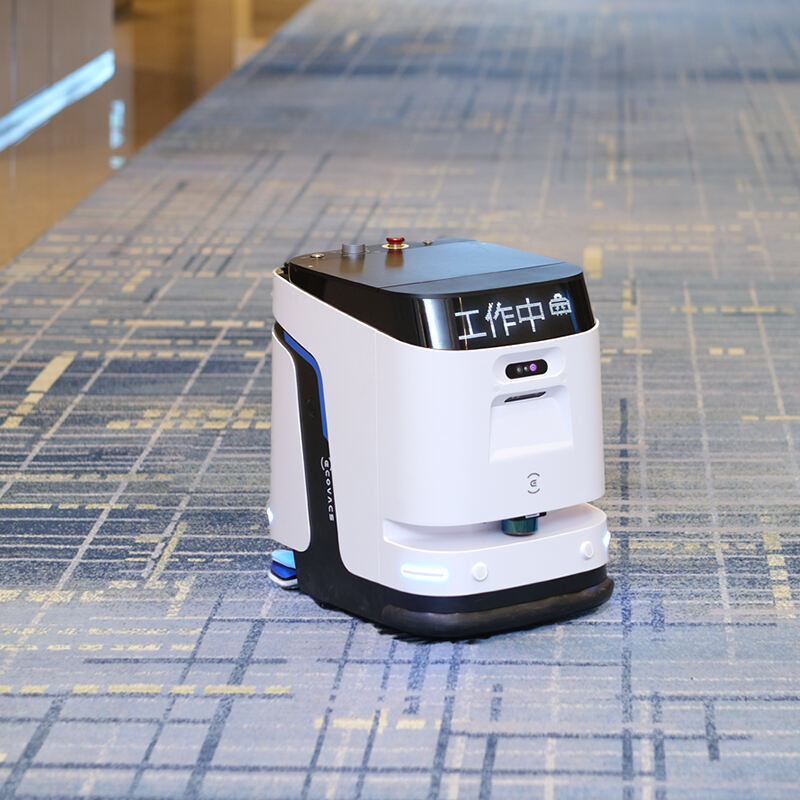
Modern industrial robot vacuum units utilize sophisticated navigation technologies including LiDAR sensors, computer vision, and simultaneous localization and mapping capabilities. These systems create detailed floor plans of facilities, enabling precise cleaning patterns and obstacle avoidance. The technology ensures comprehensive coverage while preventing collisions with equipment, furniture, and personnel. Advanced mapping capabilities allow these machines to adapt to changing environments and optimize cleaning routes for maximum efficiency.
The navigation systems in an industrial robot vacuum continuously update environmental maps, accounting for temporary obstacles and layout changes. This adaptability ensures consistent cleaning performance even in dynamic industrial environments where equipment placement frequently changes. The precision of these navigation systems eliminates the guesswork associated with manual cleaning, ensuring every accessible area receives appropriate attention.
Powerful Suction and Filtration Mechanisms
Industrial-grade suction systems in robotic vacuums deliver significantly more power than consumer models, making them capable of handling heavy debris, industrial dust, and challenging cleaning scenarios. These machines incorporate multiple filtration stages, including HEPA filters, to capture microscopic particles and maintain air quality standards. The robust construction ensures reliable performance in demanding industrial environments where dust, metal shavings, and other debris are common.
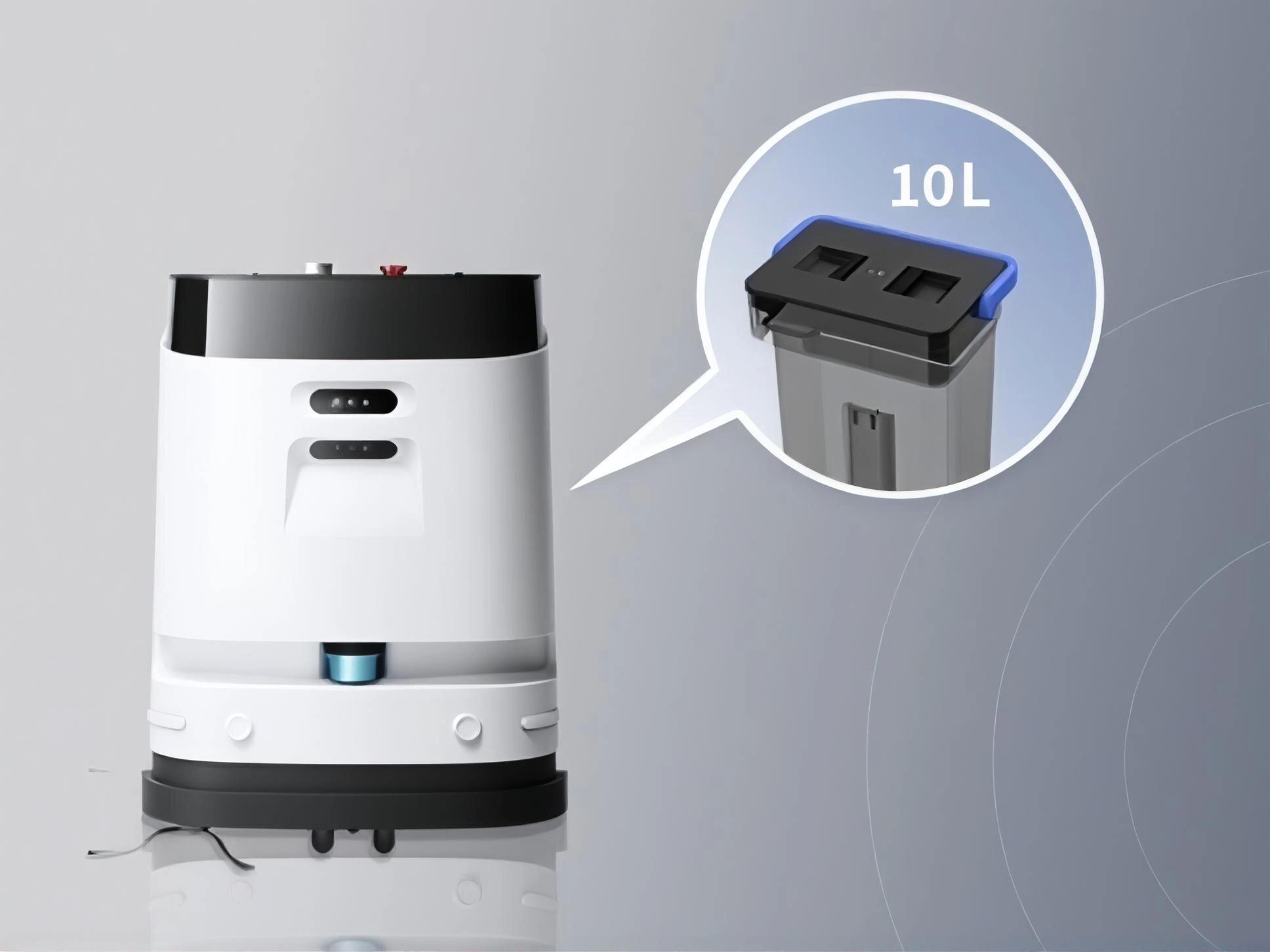
The filtration capabilities of an industrial robot vacuum extend beyond simple debris collection. Advanced models feature washable filters and large-capacity dust bins designed for extended operation periods. This engineering focus on durability and capacity makes robotic cleaning solutions particularly suitable for facilities requiring continuous cleaning throughout operational hours.
Comparing Operational Efficiency
Time Management and Coverage Consistency
Manual cleaning methods rely heavily on human performance variables, including energy levels, attention to detail, and time constraints. An industrial robot vacuum operates with consistent performance parameters, maintaining uniform cleaning quality regardless of time of day or operator fatigue. These machines can work continuously during off-hours, ensuring facilities are clean when employees arrive without disrupting daily operations.
The systematic approach of robotic cleaning ensures complete coverage of designated areas without missing spots that commonly occur with manual cleaning. Programmable cleaning schedules allow facilities to maintain optimal cleanliness levels without requiring constant supervision or manual intervention. This consistency translates to improved hygiene standards and reduced liability risks associated with inadequate cleaning.
Labor Allocation and Human Resource Optimization
Implementing an industrial robot vacuum allows facility managers to reallocate human resources to higher-value tasks requiring critical thinking and problem-solving abilities. Staff members can focus on detailed cleaning tasks, equipment maintenance, and customer service activities while robotic systems handle routine floor cleaning. This optimization improves job satisfaction and enables better utilization of skilled labor resources.
The reduction in repetitive cleaning tasks through robotic automation helps prevent worker fatigue and repetitive strain injuries common in manual cleaning operations. Employees can concentrate on specialized cleaning requirements, quality control, and facility maintenance tasks that require human judgment and expertise. This balanced approach creates a more efficient and sustainable cleaning operation.
Cost Analysis and Return on Investment
Initial Investment Versus Long-term Savings
While the upfront cost of an industrial robot vacuum represents a significant investment, the long-term financial benefits typically justify the expense within the first year of operation. Reduced labor costs, increased cleaning frequency, and improved efficiency create substantial savings over time. The elimination of overtime cleaning costs and reduced absenteeism due to repetitive strain injuries further enhance the financial advantages.
Energy consumption patterns of robotic cleaning systems often prove more economical than traditional cleaning methods when considering the total cost of operation. These machines operate during off-peak energy hours, reducing utility expenses while maintaining superior cleaning standards. The predictable operating costs associated with robotic cleaning make budget planning more accurate and manageable for facility managers.
Maintenance and Operational Costs
Regular maintenance requirements for an industrial robot vacuum include filter replacement, brush cleaning, and software updates, creating predictable maintenance schedules and costs. These routine maintenance tasks typically require less time and expense compared to managing human cleaning staff, including benefits, training, and turnover costs. The durability of quality robotic cleaning systems ensures reliable performance over extended periods with minimal downtime.
The operational costs associated with robotic cleaning systems remain relatively stable over time, providing better budget predictability compared to fluctuating labor costs and supply expenses. Advanced diagnostic capabilities in modern industrial robot vacuum systems provide early warning indicators for maintenance needs, preventing costly breakdowns and ensuring continuous operation.
Performance and Quality Considerations
Cleaning Effectiveness and Standards Compliance
Industrial robot vacuum systems deliver consistent cleaning results that meet or exceed industry hygiene standards through systematic coverage patterns and powerful suction capabilities. These machines can be programmed to focus on high-traffic areas requiring frequent attention while maintaining regular cleaning schedules for entire facilities. The precision and reliability of robotic cleaning help facilities maintain compliance with health and safety regulations.
Quality control measures built into robotic cleaning systems include sensors that detect cleaning effectiveness and automatically adjust suction power or cleaning patterns as needed. This adaptive capability ensures optimal cleaning results across different surface types and contamination levels. The data collection capabilities of an industrial robot vacuum provide valuable insights into facility cleanliness trends and maintenance requirements.
Adaptability to Different Environmental Conditions
Modern industrial robot vacuum systems demonstrate remarkable adaptability to various environmental conditions, including temperature variations, humidity levels, and different flooring types. These machines can transition seamlessly between hard surfaces, carpeted areas, and specialized industrial flooring while maintaining appropriate cleaning parameters. The versatility makes robotic cleaning suitable for diverse facility types and operational requirements.
Environmental sensors in advanced robotic cleaning systems monitor air quality, dust levels, and contamination patterns to optimize cleaning schedules and intensity. This intelligent adaptation ensures resources are allocated efficiently while maintaining superior cleanliness standards. The ability of an industrial robot vacuum to respond to changing environmental conditions provides advantages that manual cleaning methods cannot match.
Implementation and Integration Challenges
Infrastructure Requirements and Setup
Successful implementation of an industrial robot vacuum requires careful consideration of facility layout, charging station placement, and integration with existing cleaning protocols. Initial setup involves mapping facility layouts, establishing cleaning zones, and programming operational schedules to complement existing operations. The infrastructure modifications are typically minimal but require strategic planning to maximize effectiveness.
Integration challenges include coordinating robotic cleaning schedules with facility operations, ensuring adequate charging infrastructure, and training staff on system monitoring and basic maintenance procedures. The learning curve for facility managers adapting to robotic cleaning systems is generally manageable with proper training and support from manufacturers. These implementation considerations are important factors in achieving optimal results from automated cleaning investments.
Staff Training and Workflow Adaptation
Transitioning to robotic cleaning requires staff training on system operation, monitoring protocols, and troubleshooting procedures to ensure smooth integration with existing workflows. Employees need to understand how to work alongside an industrial robot vacuum, including safety protocols and communication procedures. The training investment typically pays dividends through improved system utilization and reduced operational issues.
Workflow adaptation involves establishing new protocols for facility access, scheduling coordination, and quality assurance procedures that complement robotic cleaning operations. Staff members learn to focus on specialized cleaning tasks while the robotic system handles routine floor maintenance. This collaboration between human workers and automated systems creates more efficient and comprehensive cleaning operations.
FAQ
How does an industrial robot vacuum handle different types of debris and surfaces
Industrial robot vacuum systems are engineered with powerful suction capabilities and adaptive cleaning modes to handle various debris types including dust, metal shavings, paper scraps, and small objects. These machines automatically adjust suction power and brush settings based on surface type detection, ensuring optimal cleaning performance on hard floors, carpets, and specialized industrial surfaces. The robust filtration systems capture particles ranging from large debris to microscopic dust, maintaining consistent cleaning quality across diverse facility environments.
What maintenance requirements are involved with robotic cleaning systems
Regular maintenance for an industrial robot vacuum includes emptying dust containers, cleaning or replacing filters, inspecting brushes for wear, and updating software as needed. Most systems provide maintenance alerts and diagnostic information to help facility managers plan upkeep activities efficiently. The maintenance requirements are generally less intensive than managing human cleaning staff and provide predictable scheduling for budget planning. Quality robotic systems are designed for durability and extended operation with minimal downtime for maintenance activities.
Can robotic cleaning systems operate safely around facility equipment and personnel
Modern industrial robot vacuum units incorporate comprehensive safety features including obstacle detection sensors, emergency stop capabilities, and programmable safety zones to ensure safe operation around equipment and personnel. These machines are designed to operate during off-hours or in coordination with facility activities to minimize disruption and safety concerns. The advanced navigation systems prevent collisions and can be programmed to avoid sensitive equipment areas or adjust cleaning schedules based on facility operations.
How do operating costs compare between robotic and manual cleaning methods
While an industrial robot vacuum requires a significant initial investment, the operating costs typically prove lower than manual cleaning methods when considering labor, benefits, training, and turnover expenses. Energy consumption for robotic systems is generally efficient, especially when operating during off-peak hours. The consistency and reliability of robotic cleaning often reduce the need for additional cleaning services and help facilities maintain higher cleanliness standards with predictable operational expenses. Most businesses see positive return on investment within the first year of implementation.
Table of Contents
- Understanding Industrial Robot Vacuum Technology
- Comparing Operational Efficiency
- Cost Analysis and Return on Investment
- Performance and Quality Considerations
- Implementation and Integration Challenges
-
FAQ
- How does an industrial robot vacuum handle different types of debris and surfaces
- What maintenance requirements are involved with robotic cleaning systems
- Can robotic cleaning systems operate safely around facility equipment and personnel
- How do operating costs compare between robotic and manual cleaning methods