
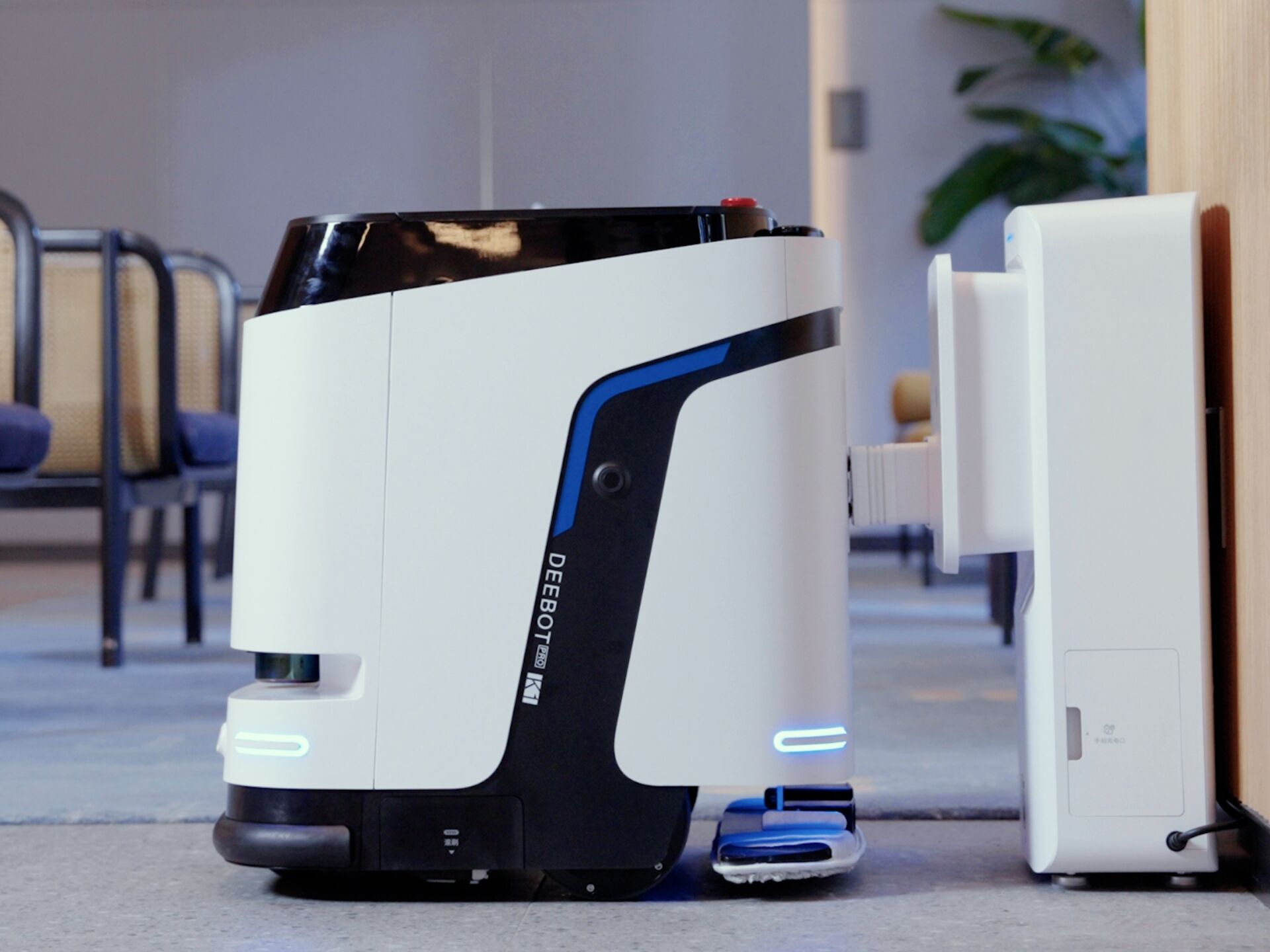
Workplace safety remains a critical concern for facility managers and cleaning professionals who operate industrial cleaning equipment daily. When using a commercial floor scrubber machine, understanding proper safety protocols can prevent accidents, reduce liability, and ensure optimal equipment performance. These powerful cleaning units require specific handling procedures to protect both operators and surrounding personnel while maintaining efficient cleaning operations across various commercial environments.
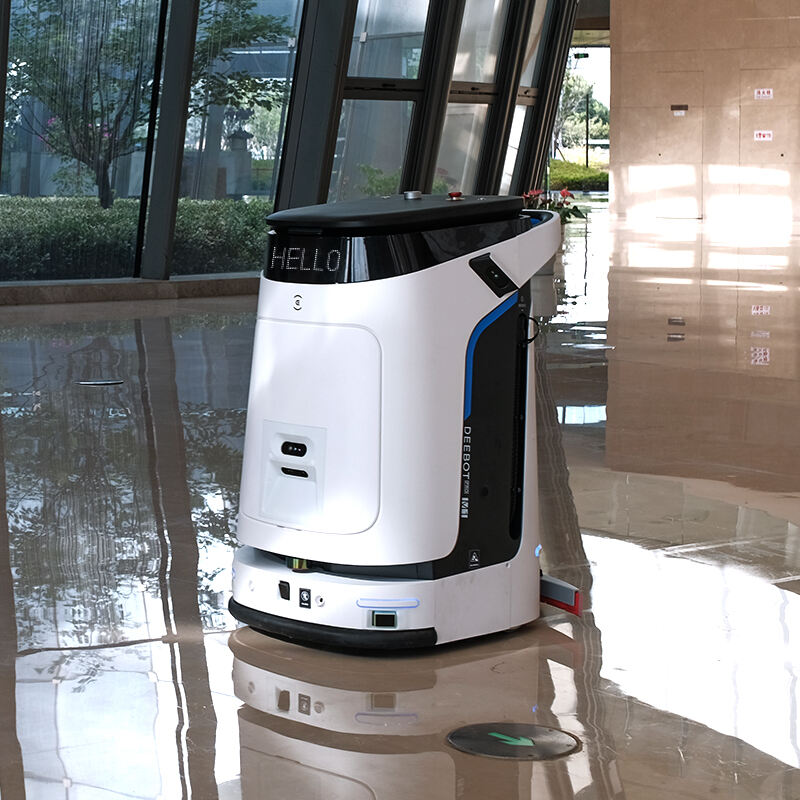
Modern commercial floor cleaning equipment incorporates advanced technology and powerful mechanical systems that demand careful attention to safety guidelines. Professional cleaning teams must establish comprehensive safety procedures that address equipment inspection, operator training, and environmental hazard assessment before deploying any commercial floor scrubber machine in active work areas.
Pre-Operation Safety Inspection Procedures
Equipment Condition Assessment
Before operating any commercial floor scrubber machine, conduct a thorough visual inspection of all mechanical components, electrical connections, and safety features. Check for damaged power cords, loose bolts, cracked housing, or worn brushes that could compromise equipment integrity during operation. Verify that all safety guards and protective covers are properly secured and functioning as designed.
Examine the solution tanks for cracks or leaks that might cause chemical spills or create slippery conditions around the equipment. Ensure that all drainage valves and connections are tight and properly sealed. A commercial floor scrubber machine with compromised tank integrity poses significant safety risks to operators and facility occupants.
Test all control systems, emergency stop buttons, and safety interlocks before beginning cleaning operations. Verify that steering mechanisms respond appropriately and that braking systems engage properly when activated. Document any deficiencies discovered during inspection and remove defective equipment from service until repairs are completed.
Chemical and Solution Safety Verification
Review all cleaning solution materials and chemicals before loading them into the commercial floor scrubber machine tank system. Verify that selected cleaning products are compatible with equipment materials and appropriate for the specific flooring type being cleaned. Check expiration dates and storage conditions of all chemical products to ensure optimal effectiveness and safety.
Confirm that personal protective equipment requirements match the chemical safety data sheets for all cleaning solutions being used. Some commercial cleaning chemicals require specific respiratory protection, eye protection, or skin protection measures that must be implemented before equipment operation begins.
Establish proper ventilation protocols for enclosed areas where chemical cleaning solutions will be dispersed through the commercial floor scrubber machine. Adequate air circulation prevents the buildup of potentially harmful vapors and ensures a safe working environment for all personnel in the cleaning area.
Operator Training and Certification Requirements
Basic Equipment Operation Training
Comprehensive operator training programs must cover all aspects of commercial floor scrubber machine operation, from basic controls to emergency procedures. New operators should receive hands-on instruction covering equipment startup sequences, control system navigation, and proper cleaning solution mixing procedures. Training should emphasize the importance of following manufacturer guidelines and safety protocols.
Operators must understand the specific capabilities and limitations of their assigned commercial floor scrubber machine model. Different equipment configurations require unique operating procedures, maintenance schedules, and safety considerations. Training programs should address these variations and ensure operators can adapt their techniques accordingly.
Practical training exercises should simulate various cleaning scenarios and potential emergency situations that operators might encounter during routine operations. This preparation helps operators respond appropriately to unexpected equipment malfunctions, chemical spills, or other safety incidents while using a commercial floor scrubber machine.
Advanced Safety Protocol Education
Advanced training modules should cover hazard recognition, risk assessment, and incident reporting procedures specific to commercial cleaning operations. Operators must learn to identify potential safety hazards such as electrical dangers, chemical exposure risks, and mechanical injury possibilities associated with their equipment.
Training programs should include instruction on proper personal protective equipment selection, use, and maintenance. Operators need to understand when specific PPE is required and how to properly inspect and maintain protective gear to ensure continued effectiveness during commercial floor scrubber machine operations.
Emergency response procedures form a critical component of operator education, covering equipment shutdown procedures, spill containment methods, and personnel evacuation protocols. Operators must be prepared to respond quickly and effectively to various emergency scenarios while minimizing risks to themselves and others.
Environmental Safety Considerations
Work Area Preparation and Hazard Assessment
Before deploying a commercial floor scrubber machine in any facility, conduct a comprehensive assessment of the work environment to identify potential safety hazards and operational challenges. Remove or secure loose objects, electrical cords, and other obstacles that could interfere with equipment operation or create tripping hazards for operators and pedestrians.
Establish clear boundaries around the cleaning area and implement appropriate warning signs or barriers to prevent unauthorized personnel from entering active work zones. A commercial floor scrubber machine creates wet surfaces and may generate noise levels that require additional safety precautions to protect facility occupants.
Evaluate lighting conditions throughout the cleaning area to ensure operators have adequate visibility for safe equipment operation. Poor lighting can mask potential hazards and increase the risk of accidents during commercial cleaning operations. Install temporary lighting if necessary to maintain safe working conditions.
Traffic Control and Pedestrian Safety
Implement comprehensive traffic control measures when operating cleaning equipment in areas with regular pedestrian or vehicle traffic. Coordinate cleaning schedules with facility managers to minimize conflicts between cleaning operations and normal business activities. Establish alternative routes for pedestrians when necessary to maintain safe passage around cleaning areas.
Use highly visible warning signs, cones, and barriers to clearly mark areas where a commercial floor scrubber machine is operating. These visual indicators help prevent accidents by alerting pedestrians to wet floor conditions and active equipment operation. Position signage at appropriate distances to provide adequate warning time for approaching individuals.
Establish communication protocols between equipment operators and facility security or management personnel to coordinate cleaning activities with other building operations. This coordination helps prevent conflicts and ensures that all parties are aware of ongoing cleaning operations that might affect building access or safety procedures.
Equipment Maintenance and Safety Inspections
Routine Maintenance Safety Procedures
Regular maintenance activities for commercial floor scrubber machine equipment require specific safety protocols to protect maintenance personnel from electrical hazards, chemical exposure, and mechanical injuries. Always disconnect power sources and discharge any stored energy before performing maintenance work on cleaning equipment.
Follow lockout/tagout procedures when performing maintenance on commercial floor scrubber machine components to prevent accidental equipment startup during repair activities. Use appropriate personal protective equipment including safety glasses, gloves, and protective clothing when handling cleaning solutions or mechanical components.
Maintain detailed maintenance logs documenting all service activities, safety inspections, and component replacements performed on each commercial floor scrubber machine unit. These records help track equipment condition trends and identify potential safety issues before they result in accidents or equipment failures.
Component Inspection and Replacement Guidelines
Establish regular inspection schedules for critical safety components including emergency stops, safety guards, and electrical connections on all commercial cleaning equipment. Replace worn or damaged components immediately to maintain equipment safety and reliability during operation.
Pay particular attention to brush and pad condition during routine inspections, as worn cleaning components can affect equipment stability and cleaning effectiveness. Replace brushes and pads according to manufacturer recommendations to ensure optimal performance and operator safety during commercial floor scrubber machine operation.
Monitor battery condition and charging systems for electric commercial floor scrubber machine models to prevent electrical hazards and ensure reliable equipment operation. Follow proper battery maintenance procedures and disposal protocols to protect both personnel and environmental safety.
Chemical Safety and Handling Protocols
Cleaning Solution Selection and Compatibility
Selecting appropriate cleaning chemicals for use in commercial floor scrubber machine equipment requires careful consideration of chemical compatibility, surface requirements, and safety factors. Always consult manufacturer guidelines and chemical safety data sheets before mixing or loading cleaning solutions into equipment tanks.
Verify that cleaning chemicals are compatible with the materials used in commercial floor scrubber machine construction to prevent corrosion or damage to equipment components. Incompatible chemicals can cause equipment failure and create dangerous conditions for operators and facility occupants.
Test cleaning solutions on inconspicuous areas of flooring material before beginning full-scale cleaning operations with any commercial floor scrubber machine. This testing helps identify potential adverse reactions between cleaning chemicals and flooring materials that could result in damage or safety hazards.
Chemical Storage and Mixing Safety
Implement proper chemical storage procedures to prevent accidental mixing of incompatible cleaning products and maintain chemical effectiveness over time. Store all cleaning chemicals in original containers with intact labels in designated storage areas away from heat sources and electrical equipment.
Follow precise mixing ratios when preparing cleaning solutions for commercial floor scrubber machine applications to ensure optimal cleaning performance while minimizing chemical exposure risks. Use appropriate measuring equipment and mixing containers designed for chemical handling to prevent accidents and ensure accurate dilution.
Provide adequate ventilation in chemical mixing areas and ensure that personnel have access to emergency eyewash stations and chemical spill cleanup materials. These safety measures help protect workers from chemical exposure incidents during commercial floor scrubber machine preparation activities.
Emergency Response and Incident Management
Equipment Malfunction Response Procedures
Develop comprehensive emergency response procedures for various types of commercial floor scrubber machine malfunctions including electrical failures, chemical leaks, and mechanical breakdowns. Train all operators on proper shutdown procedures and emergency contact information to ensure rapid response to equipment-related incidents.
Establish clear protocols for evacuating personnel from areas where commercial floor scrubber machine emergencies occur, particularly in situations involving chemical spills or electrical hazards. Ensure that evacuation routes remain clear and that emergency equipment is readily accessible during cleaning operations.
Maintain emergency response supplies including spill cleanup materials, first aid equipment, and communication devices in areas where commercial floor scrubber machine equipment operates regularly. Quick access to these resources can help minimize the severity of accidents and prevent secondary injuries.
Incident Documentation and Reporting
Implement comprehensive incident reporting procedures that document all safety-related events involving commercial floor scrubber machine operations. Detailed incident reports help identify trends, improve safety procedures, and demonstrate compliance with safety regulations and insurance requirements.
Train supervisors and operators on proper incident investigation techniques to gather accurate information about accidents or near-miss events involving commercial cleaning equipment. Thorough investigations help identify root causes and prevent similar incidents from occurring in the future.
Establish follow-up procedures for all reported incidents to ensure that corrective actions are implemented and verified. Regular review of incident reports helps identify opportunities for improving commercial floor scrubber machine safety procedures and operator training programs.
FAQ
What personal protective equipment is required when operating a commercial floor scrubber machine
Personal protective equipment requirements vary depending on the specific cleaning chemicals being used and the work environment conditions. Basic PPE typically includes safety glasses or goggles, non-slip footwear, and chemical-resistant gloves when handling cleaning solutions. Additional protection such as respiratory equipment or protective clothing may be required when using certain commercial cleaning chemicals or working in poorly ventilated areas.
How often should commercial floor scrubber machine equipment undergo safety inspections
Commercial floor scrubber machine equipment should receive daily pre-operation safety checks by operators, weekly detailed inspections by supervisory personnel, and comprehensive annual inspections by qualified maintenance technicians. Additionally, any equipment that has been involved in an accident or malfunction should undergo immediate safety inspection before returning to service. Maintaining detailed inspection records helps track equipment condition and ensures compliance with safety requirements.
What should operators do if they discover a safety hazard while using commercial cleaning equipment
Operators who discover safety hazards during commercial floor scrubber machine operation should immediately stop equipment operation and secure the work area to prevent access by other personnel. Report the hazard to supervisory personnel and document the specific nature of the safety concern. Do not attempt to resume equipment operation until the hazard has been properly evaluated and corrected by qualified maintenance personnel.
Are there specific training certifications required for commercial floor scrubber machine operators
While specific certification requirements vary by jurisdiction and employer policies, most commercial cleaning operations require operators to complete formal training programs covering equipment operation, safety procedures, and chemical handling protocols. Some facilities may require additional certifications for specialized cleaning chemicals or equipment types. Operators should maintain current training records and participate in periodic refresher training to stay current with safety requirements and equipment updates.
Table of Contents
- Pre-Operation Safety Inspection Procedures
- Operator Training and Certification Requirements
- Environmental Safety Considerations
- Equipment Maintenance and Safety Inspections
- Chemical Safety and Handling Protocols
- Emergency Response and Incident Management
-
FAQ
- What personal protective equipment is required when operating a commercial floor scrubber machine
- How often should commercial floor scrubber machine equipment undergo safety inspections
- What should operators do if they discover a safety hazard while using commercial cleaning equipment
- Are there specific training certifications required for commercial floor scrubber machine operators