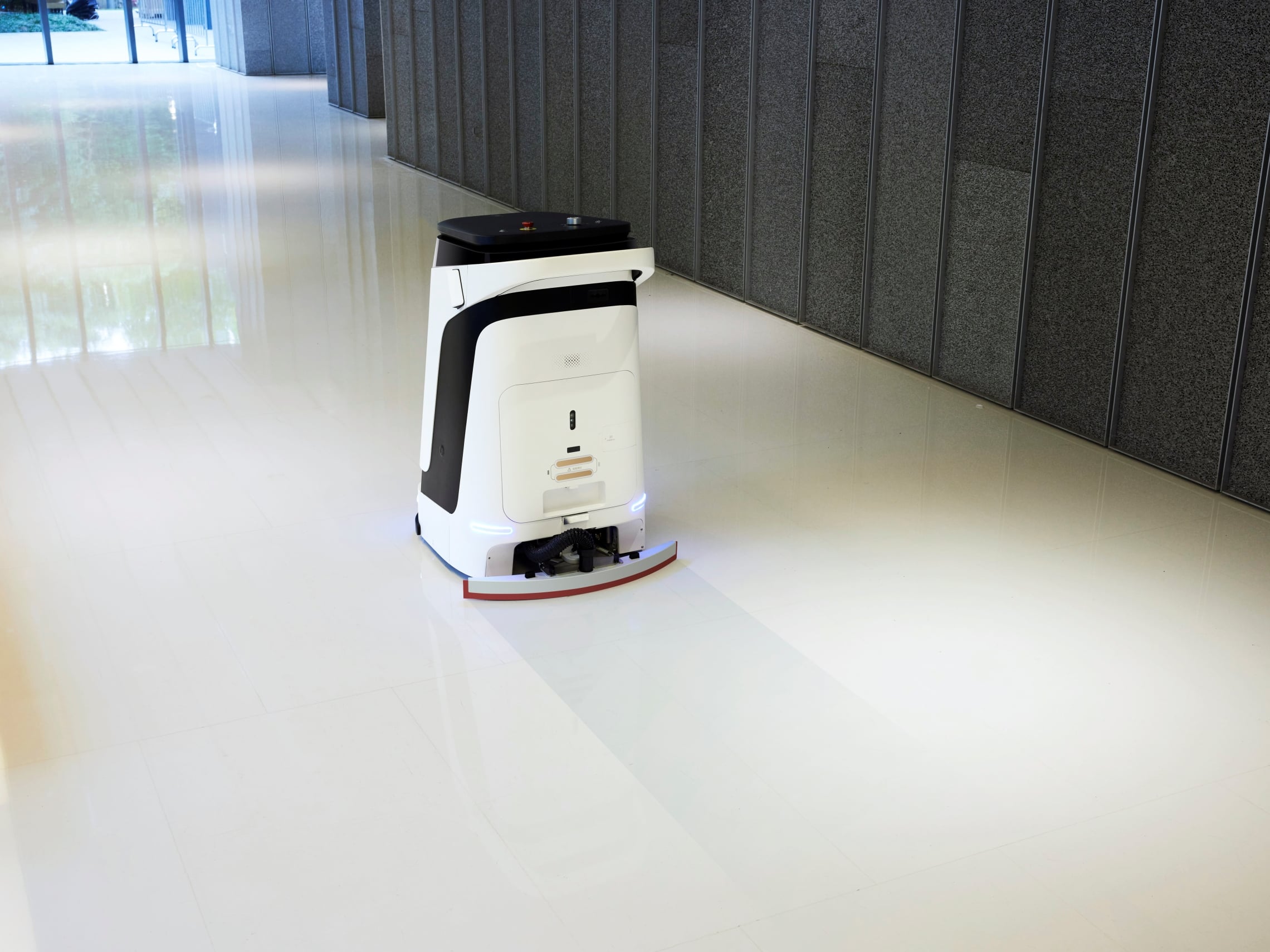
Investing in a commercial cleaning robot represents a significant decision that can transform your facility's cleaning operations and operational efficiency. With the rapid advancement in robotic cleaning technology, businesses across industries are increasingly turning to automated solutions to address labor shortages, reduce operational costs, and maintain consistent cleaning standards. However, choosing the right commercial cleaning robot requires careful consideration of multiple factors that directly impact performance, cost-effectiveness, and long-term operational success.
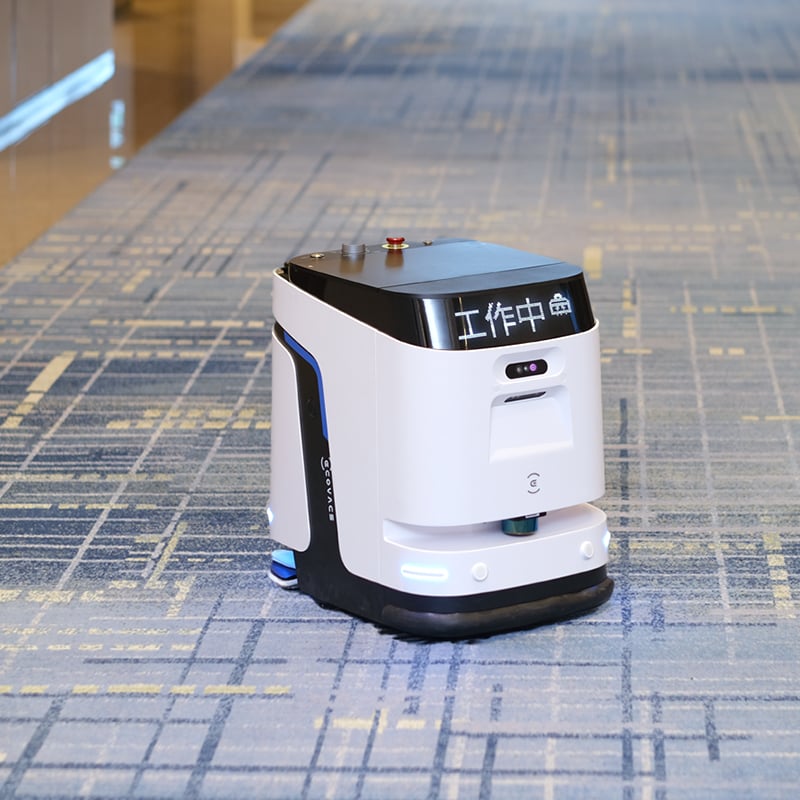
The decision to purchase a commercial cleaning robot should never be made hastily or without thorough evaluation of your specific operational requirements. This comprehensive guide outlines the five essential questions every facility manager, business owner, or procurement professional must ask before making this substantial investment. By systematically addressing these critical considerations, you can ensure that your chosen commercial cleaning robot delivers maximum value, operational efficiency, and return on investment for your specific cleaning challenges.
Understanding Your Facility's Cleaning Requirements and Coverage Needs
Assessing Floor Space and Layout Complexity
The first fundamental question you must address concerns the specific cleaning requirements and coverage needs of your facility. Every commercial cleaning robot has distinct capabilities regarding floor space coverage, surface types, and layout navigation. Understanding your facility's unique characteristics is crucial for selecting a robot that can effectively handle your cleaning demands. Consider the total square footage that requires regular cleaning, including open areas, corridors, and specialized zones.
Evaluate the complexity of your facility's layout, including the presence of obstacles, furniture arrangements, and architectural features that could impact robot navigation. Modern commercial cleaning robot systems utilize advanced mapping and navigation technologies, but different models vary significantly in their ability to handle complex layouts, multiple floor levels, and tight spaces. Document areas with high foot traffic, specialized flooring materials, and zones requiring different cleaning frequencies to ensure your chosen robot can accommodate these varied requirements.
Consider the types of debris and dirt commonly found in your facility, as this directly influences the cleaning mechanism and filtration requirements of your commercial cleaning robot. Different environments generate different types of waste, from fine dust in office settings to larger debris in retail spaces, and your robot must be equipped to handle your specific cleaning challenges effectively.
Evaluating Surface Types and Cleaning Specifications
Different commercial cleaning robot models are optimized for specific surface types and cleaning specifications. Assess whether your facility primarily features hard surfaces like tile, concrete, or hardwood, or includes carpeted areas that require different cleaning approaches. Some advanced commercial cleaning robot systems offer multi-surface capabilities, while others are specialized for particular flooring types. Understanding your surface requirements ensures optimal cleaning performance and prevents damage to sensitive flooring materials.
Determine the level of cleaning intensity required for different areas within your facility. High-traffic zones may need more frequent and thorough cleaning compared to storage areas or administrative spaces. Your commercial cleaning robot should offer adjustable cleaning modes and scheduling capabilities to accommodate these varying requirements. Consider whether your facility requires specialized cleaning functions such as disinfection, deep carpet cleaning, or handling of specific types of spills or contamination.
Evaluate any special cleaning protocols or compliance requirements that apply to your industry or facility type. Healthcare facilities, food service establishments, and manufacturing environments often have specific cleaning standards that must be met consistently. Ensure that your chosen commercial cleaning robot can deliver the required level of cleaning performance while maintaining compliance with relevant regulations and industry standards.
Budget Planning and Total Cost of Ownership Analysis
Initial Investment and Financing Considerations
The second critical question involves comprehensive budget planning and understanding the total cost of ownership for your commercial cleaning robot investment. While the initial purchase price is an important consideration, the true cost extends far beyond the upfront investment. Establish a realistic budget range that accounts for not only the robot's purchase price but also installation, training, and integration costs. Different commercial cleaning robot models vary significantly in price based on features, capacity, and technological sophistication.
Consider available financing options and evaluate whether leasing or purchasing makes more financial sense for your organization. Some suppliers offer flexible financing arrangements that can help spread the investment over time while providing immediate operational benefits. Factor in potential tax advantages, depreciation benefits, and the impact on your organization's cash flow when making financing decisions for your commercial cleaning robot purchase.
Assess the immediate budget impact against long-term savings potential. While a high-quality commercial cleaning robot may require a substantial initial investment, the long-term savings in labor costs, increased efficiency, and consistent cleaning quality often justify the expenditure. Calculate the payback period based on your current cleaning costs and projected savings to make an informed financial decision.
Ongoing Operational and Maintenance Costs
Understanding ongoing operational and maintenance costs is essential for accurate total cost of ownership calculations. Regular maintenance requirements for your commercial cleaning robot include filter replacements, battery maintenance or replacement, software updates, and periodic servicing. Different models have varying maintenance schedules and associated costs, which can significantly impact long-term operational expenses.
Factor in energy consumption costs, which vary based on the robot's efficiency, battery type, and operational schedule. Modern commercial cleaning robot systems are generally energy-efficient, but understanding the actual power consumption helps in budgeting and environmental impact assessment. Consider whether your facility has the necessary electrical infrastructure to support charging stations and any required electrical upgrades.
Evaluate warranty coverage, extended service plans, and support options available for your commercial cleaning robot. Comprehensive warranty coverage and reliable technical support can significantly reduce unexpected maintenance costs and minimize operational disruptions. Research the manufacturer's reputation for customer service and availability of local service technicians to ensure ongoing support throughout the robot's operational life.
Technology Integration and Compatibility Assessment
Existing Infrastructure Integration
The third essential question addresses technology integration and compatibility with your existing facility infrastructure and management systems. Modern commercial cleaning robot solutions offer various levels of technological sophistication, from basic autonomous operation to advanced connectivity and integration capabilities. Assess your current facility management systems, building automation infrastructure, and IT capabilities to determine compatibility requirements.
Evaluate whether your chosen commercial cleaning robot can integrate with existing security systems, access control mechanisms, and building management platforms. Advanced models offer cloud connectivity, remote monitoring, and integration with facility management software, enabling seamless operation within your existing technological ecosystem. Consider the benefits of real-time monitoring, performance analytics, and remote control capabilities for optimizing cleaning operations.
Assess your organization's IT infrastructure capacity and security requirements for connected commercial cleaning robot systems. Cloud-connected robots require reliable internet connectivity and may need specific network configurations or security protocols. Ensure that your IT team understands the connectivity requirements and can provide necessary support for implementation and ongoing operation.
Software Features and Monitoring Capabilities
Examine the software features and monitoring capabilities offered by different commercial cleaning robot systems. Advanced models provide detailed cleaning reports, performance analytics, and operational insights that can help optimize cleaning schedules and identify areas for improvement. These features enable data-driven decision making and continuous optimization of cleaning operations.
Consider the user interface and ease of operation for your staff members who will interact with the commercial cleaning robot system. Intuitive controls, clear status indicators, and simple programming interfaces reduce training requirements and minimize operational errors. Evaluate whether the system offers mobile app control, scheduling capabilities, and remote monitoring functions that align with your operational preferences.
Assess the scalability of the software platform and whether it can accommodate future expansion or integration of additional robotic cleaning units. As your cleaning needs evolve or your facility expands, having a scalable software platform ensures that your commercial cleaning robot investment remains valuable and adaptable to changing requirements.
Performance Evaluation and Reliability Considerations
Cleaning Effectiveness and Quality Standards
The fourth crucial question focuses on performance evaluation and reliability considerations that directly impact the success of your commercial cleaning robot investment. Cleaning effectiveness represents the primary measure of value for any robotic cleaning solution, and different models demonstrate varying levels of performance across different cleaning scenarios. Evaluate the cleaning mechanisms, suction power, brush systems, and filtration capabilities to ensure they meet your facility's cleanliness standards.
Research independent performance testing results, customer reviews, and case studies from similar facilities to understand real-world cleaning effectiveness. A commercial cleaning robot may perform well in controlled demonstrations but face challenges in actual operational environments with varying debris types, traffic patterns, and surface conditions. Seek opportunities to observe the robot in operation or request demonstration periods to evaluate performance firsthand.
Consider the consistency of cleaning performance over time and the robot's ability to maintain effectiveness as components wear or environmental conditions change. Reliable commercial cleaning robot systems maintain consistent cleaning quality throughout their operational life, while lower-quality models may experience performance degradation that impacts cleaning effectiveness and requires more frequent maintenance or replacement.
Durability and Operational Reliability
Assess the durability and operational reliability of your prospective commercial cleaning robot, as these factors directly impact total cost of ownership and operational continuity. Commercial environments present demanding operating conditions including high-frequency use, varied debris types, and potential impacts from facility users. Your chosen robot must demonstrate robust construction and reliable operation under these challenging conditions.
Evaluate the track record of different commercial cleaning robot manufacturers regarding product reliability, component quality, and longevity. Research failure rates, common maintenance issues, and typical operational lifespans to understand the long-term reliability expectations. Reliable operation minimizes unexpected downtime, reduces maintenance costs, and ensures consistent cleaning coverage for your facility.
Consider the availability and cost of replacement parts, as well as the manufacturer's commitment to long-term product support. A commercial cleaning robot represents a significant investment that should provide reliable service for several years. Ensure that your chosen manufacturer offers comprehensive parts availability and technical support throughout the expected operational life of the equipment.
Staff Training and Operational Implementation
Training Requirements and Learning Curve
The fifth and final essential question addresses staff training and operational implementation considerations that determine the successful integration of your commercial cleaning robot into daily operations. Even the most advanced autonomous cleaning systems require proper staff training for optimal operation, routine maintenance, and troubleshooting. Assess the complexity of the training requirements and the time investment needed to prepare your team for successful robot operation.
Evaluate the training resources provided by the commercial cleaning robot manufacturer, including documentation, video tutorials, hands-on training sessions, and ongoing support. Comprehensive training programs reduce the learning curve and help staff members feel confident in operating and maintaining the new equipment. Consider whether the manufacturer offers on-site training, remote training options, or certification programs that ensure proper implementation.
Assess the technical aptitude of your current staff and any additional training that may be required for successful commercial cleaning robot operation. While modern systems are designed for ease of use, some staff members may need additional support or training to become comfortable with robotic cleaning technology. Factor in the time and cost associated with training when evaluating different robot options.
Integration with Existing Cleaning Protocols
Consider how your commercial cleaning robot will integrate with existing cleaning protocols, staff schedules, and operational procedures. Successful implementation requires careful coordination between automated cleaning functions and human cleaning activities to ensure comprehensive coverage without conflicts or inefficiencies. Develop clear protocols for robot operation times, charging schedules, and coordination with other facility activities.
Evaluate the flexibility of the commercial cleaning robot system to accommodate changing facility needs, special events, or modified cleaning requirements. Your chosen robot should offer programmable scheduling, adjustable cleaning modes, and the ability to modify operational parameters as needed. This flexibility ensures that the robot remains valuable and effective as your facility's needs evolve over time.
Plan for the transition period during initial implementation, including backup cleaning procedures and gradual integration of robotic cleaning into daily operations. A well-planned implementation process minimizes disruptions to facility operations while allowing staff members to become familiar with the new commercial cleaning robot system gradually and effectively.
FAQ
How long does a typical commercial cleaning robot last before needing replacement?
A well-maintained commercial cleaning robot typically operates effectively for 5 to 7 years, depending on usage intensity, maintenance quality, and environmental conditions. High-quality models with robust construction and regular maintenance can exceed this timeframe, while budget models may require earlier replacement. The key factors affecting longevity include battery life, mechanical component wear, and availability of replacement parts. Regular maintenance, proper operation, and following manufacturer guidelines significantly extend operational life and maximize return on investment.
What happens if the commercial cleaning robot breaks down during critical cleaning periods?
Most reputable commercial cleaning robot manufacturers provide comprehensive warranty coverage and technical support to minimize downtime during equipment failures. Establish backup cleaning procedures and maintain relationships with service technicians to ensure rapid response during critical periods. Consider service level agreements that guarantee response times and temporary equipment loans during extended repairs. Having spare consumable parts and basic troubleshooting training for staff members also helps minimize operational disruptions.
Can commercial cleaning robots work safely alongside facility occupants during business hours?
Modern commercial cleaning robots incorporate advanced safety features including obstacle detection, collision avoidance, and emergency stop functions that enable safe operation in occupied environments. However, operational scheduling should consider noise levels, traffic patterns, and potential disruptions to facility users. Many facilities operate robots during off-hours or low-traffic periods to maximize cleaning effectiveness while minimizing interference with normal business activities. Proper staff training and clear operational protocols ensure safe coexistence between robots and facility occupants.
How do I measure the return on investment for a commercial cleaning robot purchase?
Calculate ROI by comparing total ownership costs against savings in labor expenses, increased cleaning efficiency, and improved cleaning consistency. Factor in initial purchase price, maintenance costs, energy consumption, and staff training expenses against reduced labor hours, lower turnover costs, and potential productivity improvements from cleaner facilities. Most commercial cleaning robots demonstrate positive ROI within 18 to 36 months through labor savings alone. Additional benefits include consistent cleaning quality, reduced liability risks, and improved facility appearance that contribute to overall value but may be harder to quantify directly.
Table of Contents
- Understanding Your Facility's Cleaning Requirements and Coverage Needs
- Budget Planning and Total Cost of Ownership Analysis
- Technology Integration and Compatibility Assessment
- Performance Evaluation and Reliability Considerations
- Staff Training and Operational Implementation
-
FAQ
- How long does a typical commercial cleaning robot last before needing replacement?
- What happens if the commercial cleaning robot breaks down during critical cleaning periods?
- Can commercial cleaning robots work safely alongside facility occupants during business hours?
- How do I measure the return on investment for a commercial cleaning robot purchase?