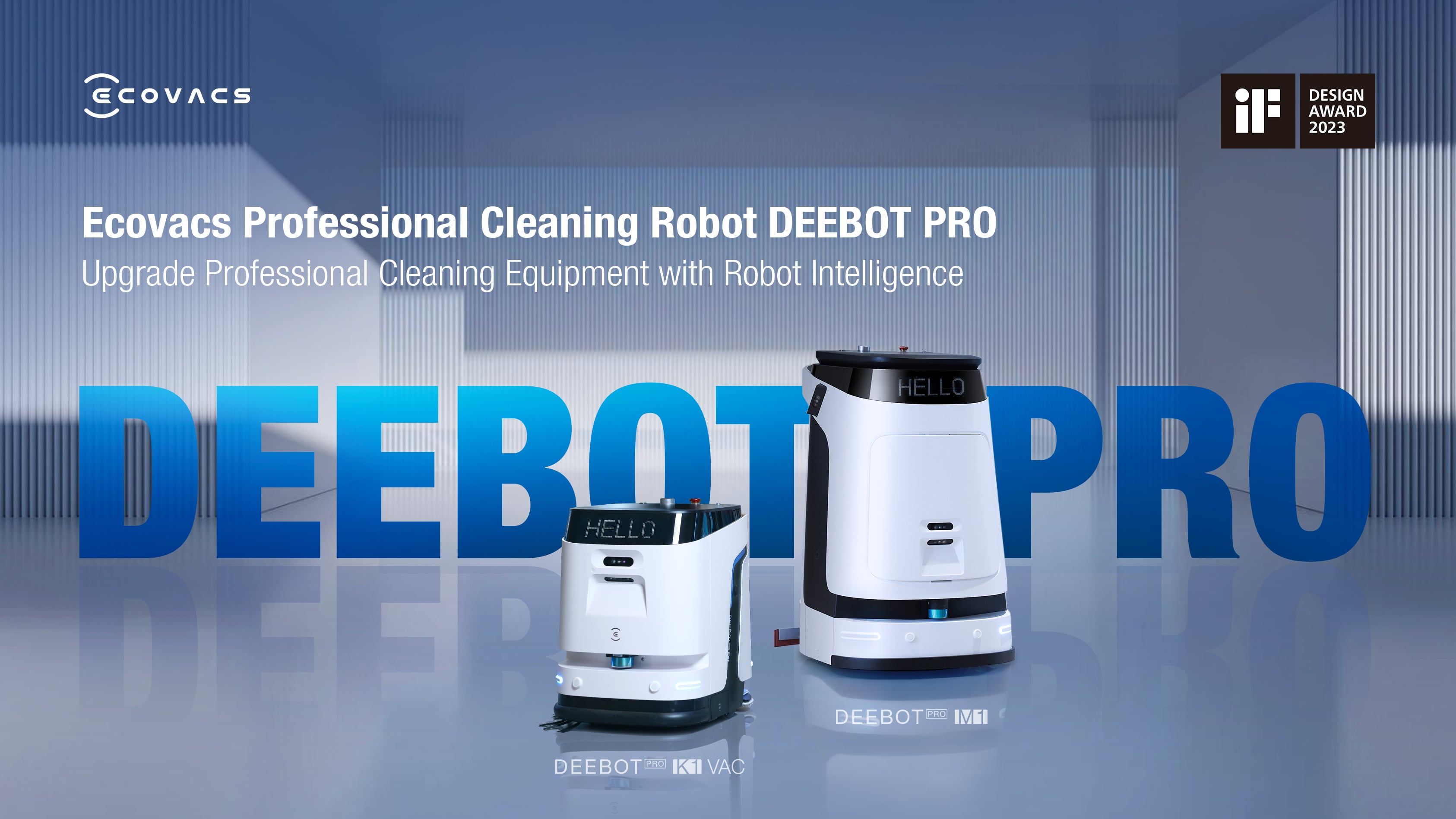
Commercial cleaning robots are revolutionizing facility management across industries, but their deployment requires adherence to specific certification standards that ensure safety, performance, and regulatory compliance. Understanding these certification requirements is essential for procurement managers, facility directors, and business owners who want to implement robotic cleaning solutions while meeting industry standards and avoiding regulatory complications.
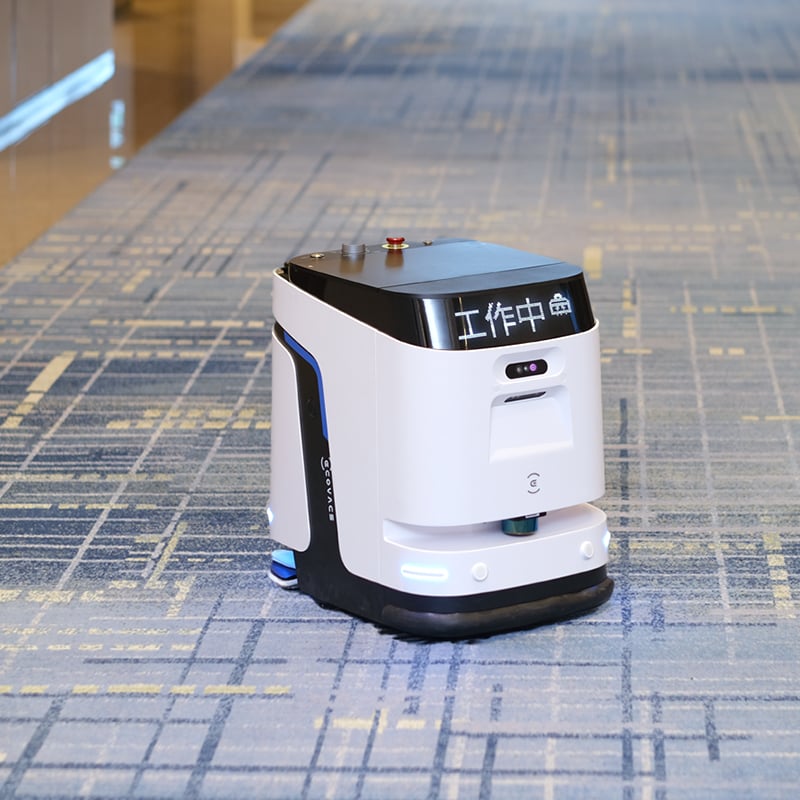
The certification landscape for commercial cleaning robots encompasses multiple regulatory frameworks, from electrical safety standards to environmental compliance requirements. These certifications not only protect end users and facilities but also ensure that manufacturers deliver reliable, professional-grade equipment that can withstand demanding commercial environments while maintaining consistent cleaning performance.
Safety and Electrical Certification Standards
UL Certification Requirements
Underwriters Laboratories (UL) certification represents the primary safety standard for commercial cleaning robots in North American markets. UL 2089 specifically addresses the safety requirements for commercial floor care machines, including robotic vacuum cleaners and scrubbers. This standard evaluates electrical safety, mechanical integrity, and operational hazards to ensure that commercial cleaning robots can operate safely in professional environments.
The UL certification process for commercial cleaning robots involves comprehensive testing of electrical components, battery systems, and charging mechanisms. Manufacturers must demonstrate that their robots can handle power fluctuations, prevent electrical hazards during operation, and maintain safe operation even when encountering obstacles or liquids commonly found in commercial facilities.
Commercial cleaning robots must also meet UL standards for electromagnetic interference (EMI) and radio frequency interference (RFI). These requirements ensure that the robots' wireless communication systems, sensors, and navigation technology do not interfere with other electronic equipment in commercial buildings, such as WiFi networks, security systems, or medical devices in healthcare facilities.
International Electrical Standards
For global deployment, commercial cleaning robots require IEC (International Electrotechnical Commission) certification under IEC 60335-2-72, which covers automatic electrical controls for household and similar use. While originally designed for residential applications, this standard has been adapted for commercial cleaning robots to address safety requirements in professional settings.
European markets require CE marking compliance, which demonstrates conformity with EU safety, health, and environmental protection standards. Commercial cleaning robots must undergo electromagnetic compatibility (EMC) testing and low voltage directive (LVD) assessment to achieve CE certification.
In Asian markets, commercial cleaning robots often require additional certifications such as Japan's PSE mark or China's CCC certification. These standards ensure that electrical components meet regional safety requirements and that the robots can operate safely within local electrical infrastructure and environmental conditions.
Environmental and Performance Certifications
EPA and Environmental Compliance
Environmental Protection Agency (EPA) guidelines affect commercial cleaning robots, particularly regarding chemical handling capabilities and air quality impact. While robots themselves may not require direct EPA certification, any integrated chemical dispensing systems or air filtration components must comply with relevant environmental standards.
HEPA filtration systems integrated into commercial cleaning robots must meet specific performance standards to ensure effective particle capture and indoor air quality maintenance. These requirements are particularly critical in healthcare facilities, laboratories, and other sensitive environments where air quality directly impacts occupant health and regulatory compliance.
Commercial cleaning robots used in food service environments must comply with NSF International standards for equipment sanitation and food safety. NSF certification ensures that robot materials, cleaning mechanisms, and maintenance procedures meet stringent hygiene requirements necessary for food preparation and service areas.
Industry-Specific Performance Standards
Healthcare facilities require commercial cleaning robots to meet additional certification standards related to infection control and patient safety. Joint Commission guidelines and CDC recommendations influence the certification requirements for cleaning equipment used in medical environments, ensuring that robots contribute to, rather than compromise, infection prevention protocols.
Educational institutions and government facilities often require commercial cleaning robots to meet Green Seal or GREENGUARD certification standards. These certifications verify that the robots' materials, operation, and maintenance procedures align with environmental sustainability goals and indoor air quality protection requirements.
Commercial cleaning robots deployed in industrial settings may require ATEX certification for use in explosive atmospheres, or IP65/IP67 ratings for dust and moisture protection. These specialized certifications ensure that robots can operate safely in challenging industrial environments while maintaining their cleaning effectiveness.
Connectivity and Data Security Certifications
Cybersecurity Standards
Modern commercial cleaning robots with IoT connectivity and remote management capabilities must comply with cybersecurity certification standards. The National Institute of Standards and Technology (NIST) Cybersecurity Framework provides guidelines for protecting connected devices, including commercial cleaning robots that collect operational data or connect to facility management systems.
FCC certification ensures that wireless communication components in commercial cleaning robots operate within authorized frequency bands and power levels. This certification is mandatory for robots that use WiFi, Bluetooth, or cellular connectivity for remote monitoring, software updates, or integration with building management systems.
Commercial cleaning robots handling sensitive data or operating in secure facilities may require additional cybersecurity certifications such as FIPS 140-2 for cryptographic modules or Common Criteria evaluation for information security. These certifications ensure that data collected during cleaning operations remains protected from unauthorized access.
Wireless Communication Standards
IEEE 802.11 compliance ensures that commercial cleaning robots can integrate seamlessly with existing WiFi infrastructure in commercial facilities. This certification covers not only basic connectivity but also security protocols, data transmission reliability, and network compatibility across different facility types and sizes.
Bluetooth SIG certification may be required for commercial cleaning robots that communicate with mobile devices or integrated facility management applications. This certification ensures reliable short-range communication and compatibility with standard mobile device operating systems used by facility management teams.
Commercial cleaning robots with GPS or indoor positioning capabilities may require additional certifications related to location services and privacy protection. These standards ensure that location data collection and sharing comply with applicable privacy regulations and data protection requirements.
Quality Assurance and Manufacturing Certifications
ISO Standards Compliance
ISO 9001 quality management system certification ensures that manufacturers of commercial cleaning robots maintain consistent production quality and continuous improvement processes. This certification covers design, development, production, installation, and servicing of cleaning robots, providing assurance of reliable manufacturing processes and product consistency.
ISO 14001 environmental management system certification demonstrates that commercial cleaning robots are manufactured using environmentally responsible processes. This certification becomes increasingly important as organizations seek to reduce their environmental footprint through equipment procurement decisions.
Commercial cleaning robots designed for international markets often require ISO 3744 certification for noise emission measurement and control. This standard ensures that robot operation remains within acceptable noise levels for different commercial environments, from open offices to healthcare facilities with strict quiet zone requirements.
Durability and Reliability Testing
Commercial cleaning robots must undergo accelerated life testing and durability certification to ensure reliable performance throughout their expected service life. These tests evaluate mechanical components, battery longevity, sensor accuracy, and software stability under conditions that simulate years of commercial use.
Ingress Protection (IP) rating certification determines the level of protection that commercial cleaning robots provide against dust, debris, and moisture intrusion. IP54 or higher ratings are typically required for commercial applications, ensuring that robots can operate effectively in demanding facility environments without component damage.
Commercial cleaning robots may require additional certifications for extreme temperature operation, vibration resistance, or chemical exposure tolerance depending on their intended application environment. These specialized certifications ensure that robots maintain their cleaning performance and safety standards across diverse commercial facility conditions.
FAQ
Are commercial cleaning robots required to have different certifications than residential models?
Yes, commercial cleaning robots require more stringent certifications than residential models due to their professional use environment, longer operating hours, and potential exposure to commercial cleaning chemicals. Commercial certifications address enhanced safety requirements, durability standards, and performance consistency that exceed residential product requirements.
How long does the certification process take for commercial cleaning robots?
The certification process for commercial cleaning robots typically takes 6-12 months, depending on the number of standards required and the complexity of testing. Multiple certifications may be pursued simultaneously, but each testing protocol requires specific timeframes for evaluation, documentation, and compliance verification.
Do commercial cleaning robots need recertification or periodic compliance updates?
Most certifications for commercial cleaning robots remain valid throughout the product lifecycle unless significant design changes occur. However, software updates, connectivity features, or safety modifications may trigger recertification requirements. Annual compliance audits may be required for quality management certifications like ISO 9001.
Can commercial cleaning robots be deployed without proper certifications?
Deploying commercial cleaning robots without proper certifications creates significant liability risks, potential regulatory violations, and insurance coverage issues. Most commercial facilities, healthcare institutions, and government agencies require proof of appropriate certifications before approving robotic cleaning equipment for operational use.
Table of Contents
- Safety and Electrical Certification Standards
- Environmental and Performance Certifications
- Connectivity and Data Security Certifications
- Quality Assurance and Manufacturing Certifications
-
FAQ
- Are commercial cleaning robots required to have different certifications than residential models?
- How long does the certification process take for commercial cleaning robots?
- Do commercial cleaning robots need recertification or periodic compliance updates?
- Can commercial cleaning robots be deployed without proper certifications?