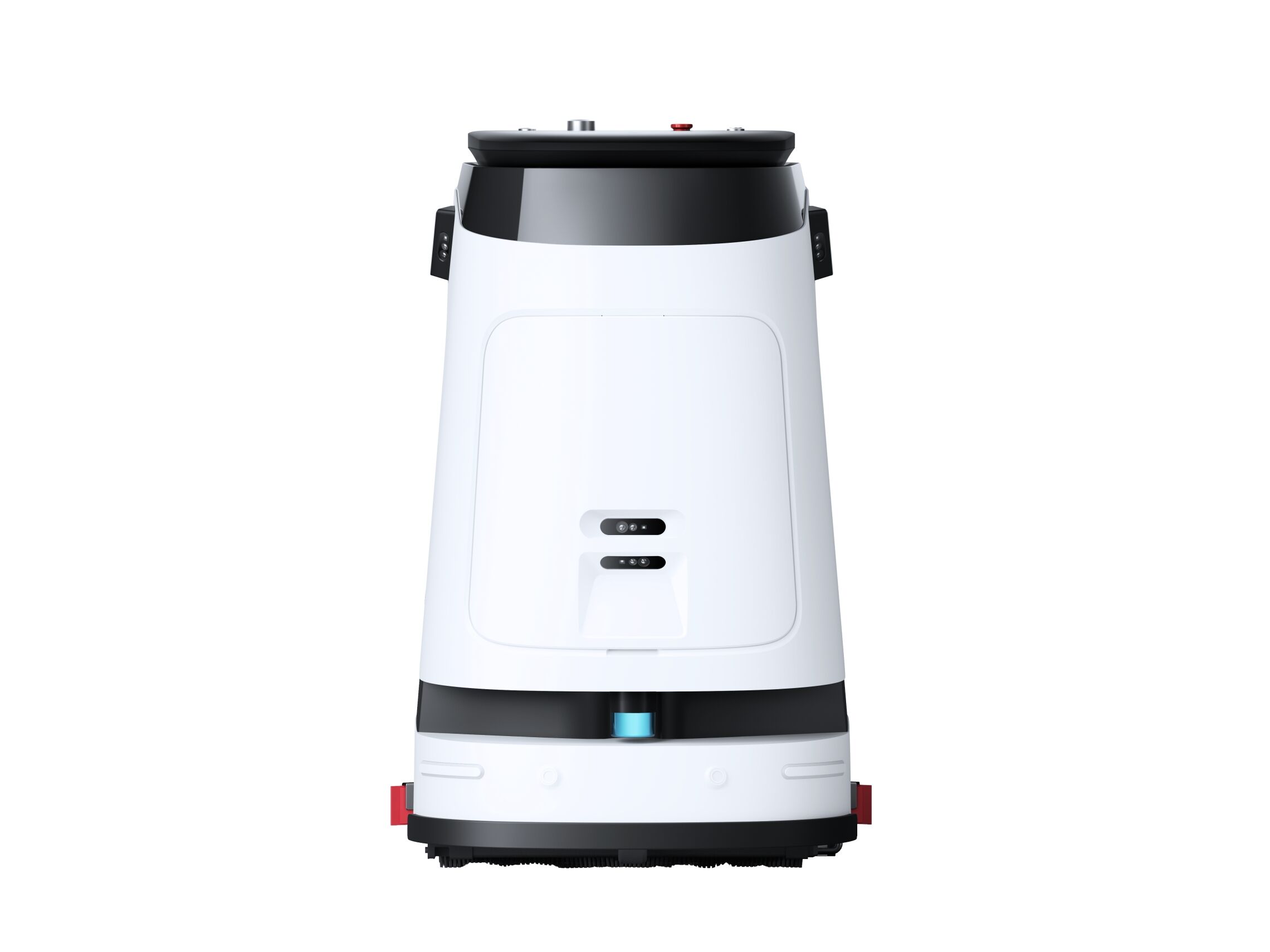
The cleaning industry has undergone significant transformation in recent years, with businesses increasingly evaluating the effectiveness and efficiency of their floor maintenance solutions. Traditional manual cleaning methods are being challenged by innovative automated systems, creating a complex decision-making landscape for facility managers and business owners. Understanding the fundamental differences between automated and manual commercial floor cleaners has become crucial for organizations seeking to optimize their cleaning operations while managing costs and maintaining high hygiene standards.
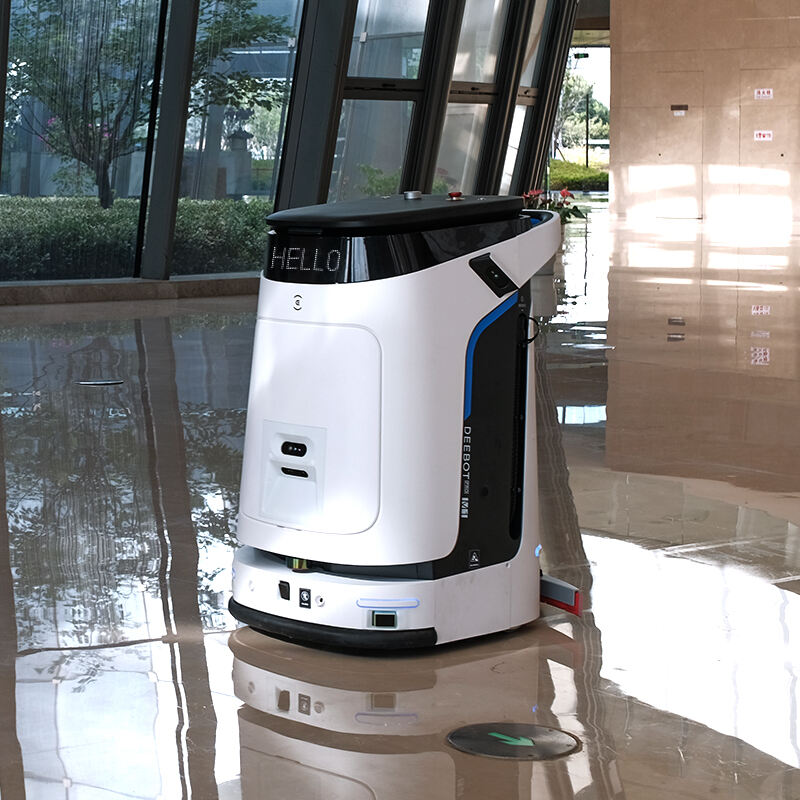
The evolution of floor cleaning technology has created new possibilities for maintaining commercial spaces more effectively than ever before. Modern facilities face increasing pressure to deliver consistent cleanliness standards while managing labor costs and operational efficiency. This comprehensive analysis examines the critical factors that influence the choice between automated and manual cleaning systems, providing insights into performance metrics, cost considerations, and practical applications across various commercial environments.
Understanding Manual Commercial Floor Cleaning Systems
Traditional Cleaning Equipment and Methods
Manual commercial floor cleaning relies on human operators using traditional equipment such as mops, buckets, floor scrubbers, and vacuum cleaners. These systems have served the cleaning industry for decades, providing reliable and straightforward solutions for maintaining various floor surfaces. The simplicity of manual systems allows for immediate deployment and requires minimal technical training for operators to achieve basic proficiency in floor maintenance tasks.
The versatility of manual cleaning equipment enables operators to address specific cleaning challenges as they arise during routine maintenance. Experienced cleaning professionals can adapt their techniques to handle different types of stains, debris, and surface materials without requiring specialized programming or technical adjustments. This flexibility makes manual systems particularly valuable in environments with unpredictable cleaning requirements or areas that require detailed attention to specific problem areas.
Labor Requirements and Operational Considerations
Manual cleaning systems depend heavily on skilled labor to achieve consistent results across commercial facilities. The quality of cleaning outcomes directly correlates with operator training, experience, and attention to detail throughout the cleaning process. Facilities must invest in comprehensive training programs to ensure staff members understand proper cleaning techniques, chemical handling procedures, and equipment maintenance requirements for optimal performance.
The scheduling flexibility offered by manual cleaning allows facilities to adjust cleaning activities based on occupancy patterns, special events, or emergency situations. Human operators can quickly respond to unexpected spills or cleaning requirements without the need for reprogramming or technical adjustments. However, this flexibility comes with increased labor costs and the ongoing challenge of maintaining consistent cleaning standards across different shifts and personnel changes.
Exploring Automated Commercial Floor Cleaning Technology
Robotic Floor Cleaning Capabilities
Automated commercial floor cleaners represent a significant advancement in cleaning technology, utilizing sophisticated sensors, navigation systems, and artificial intelligence to perform cleaning tasks autonomously. These systems can map facility layouts, identify optimal cleaning routes, and execute consistent cleaning patterns without direct human supervision. Advanced robotic cleaners integrate multiple cleaning functions, including sweeping, scrubbing, and drying operations in a single automated process.
Modern automated cleaning systems feature intelligent obstacle detection and navigation capabilities that enable safe operation in occupied commercial spaces. These machines can identify and avoid furniture, equipment, and people while maintaining thorough coverage of accessible floor areas. The precision mapping technology ensures consistent cleaning results by following predetermined paths and adjusting cleaning intensity based on floor conditions and traffic patterns detected through integrated sensors.
Integration with Facility Management Systems
Contemporary automated cleaning solutions offer seamless integration with building management systems and facility monitoring platforms. Real-time data collection capabilities provide facility managers with detailed insights into cleaning performance, maintenance schedules, and operational efficiency metrics. This connectivity enables proactive maintenance planning and allows for remote monitoring of cleaning operations across multiple locations or facilities.
The scheduling flexibility of automated systems allows for customized cleaning programs that align with facility usage patterns and operational requirements. Advanced programming capabilities enable different cleaning intensities for high-traffic areas, specialized cleaning protocols for sensitive environments, and coordinated cleaning schedules that minimize disruption to business operations. These systems can operate during off-hours, reducing interference with daily activities while maintaining optimal cleanliness standards.
Performance Comparison and Effectiveness Analysis
Cleaning Quality and Consistency Standards
Automated cleaning systems deliver remarkable consistency in cleaning performance, eliminating the variability associated with human factors such as fatigue, training differences, or attention lapses. Robotic cleaners follow precise programming protocols that ensure uniform coverage and cleaning intensity across all designated areas. This consistency proves particularly valuable in environments requiring strict hygiene standards or regulatory compliance, where documentation of cleaning activities and results becomes essential for operational approval.
Manual cleaning systems can achieve superior results in specialized situations requiring detailed attention or problem-solving capabilities that exceed current automated technology limitations. Experienced operators can identify and address specific cleaning challenges that may not be detected by automated sensors, such as subtle stains or areas requiring specialized treatment techniques. The adaptability of human operators allows for immediate adjustments to cleaning procedures based on real-time assessment of floor conditions and contamination levels.
Coverage Efficiency and Time Management
The operational efficiency of automated systems becomes apparent through their ability to maintain continuous cleaning operations without breaks, shift changes, or productivity fluctuations associated with human workers. Automated cleaners can operate for extended periods, limited primarily by battery life or maintenance requirements, resulting in more thorough coverage of large commercial spaces. The systematic approach of robotic cleaners ensures complete area coverage without missed spots or overlapping inefficiencies common in manual cleaning operations.
Manual cleaning operations offer superior flexibility in addressing immediate cleaning needs and can quickly respond to unexpected situations such as spills or high-traffic events. The speed advantage of manual cleaning becomes evident in small areas or when addressing specific problem spots that require immediate attention. However, the overall efficiency of manual systems depends heavily on operator skill levels, equipment condition, and management oversight to maintain consistent productivity standards across cleaning teams.
Cost Analysis and Return on Investment
Initial Investment and Equipment Costs
The upfront investment required for automated cleaning systems typically exceeds the initial costs associated with traditional manual cleaning equipment by a significant margin. Advanced robotic cleaners incorporate sophisticated technology, sensors, and programming capabilities that justify higher purchase prices compared to conventional mops, buckets, and basic floor scrubbers. However, this initial investment must be evaluated against long-term operational savings and performance improvements that automated systems can provide over their operational lifetime.
Manual cleaning systems require lower initial capital investment but generate ongoing costs through equipment replacement, maintenance supplies, and consumable materials such as cleaning chemicals and replacement parts. The total cost of ownership for manual systems includes regular equipment updates, training expenses, and the ongoing expense of cleaning supplies that must be factored into long-term budget planning. These recurring costs can accumulate significantly over time, potentially offsetting the lower initial investment advantages of manual systems.
Labor Costs and Operational Expenses
Labor costs represent the most significant ongoing expense associated with manual cleaning operations, encompassing wages, benefits, training, and management oversight required to maintain effective cleaning teams. The ongoing challenge of staff turnover in the cleaning industry creates additional expenses related to recruitment, training, and productivity losses during transition periods. These labor-related costs continue to increase over time due to wage inflation and changing employment market conditions affecting the cleaning industry.
Automated cleaning systems dramatically reduce labor requirements after initial installation and setup, with ongoing operational costs primarily related to maintenance, electricity consumption, and periodic software updates. The reduction in direct labor costs can provide substantial savings for facilities with large floor areas or those requiring frequent cleaning cycles. However, automated systems require technical support and maintenance expertise that may necessitate specialized training or service contracts to ensure optimal performance and longevity.
Practical Applications and Industry-Specific Considerations
Healthcare and Institutional Facilities
Healthcare environments present unique challenges for commercial floor cleaners due to stringent hygiene requirements, infection control protocols, and the need for continuous cleaning operations without disrupting patient care activities. Automated cleaning systems excel in these environments by providing consistent disinfection protocols and maintaining detailed cleaning logs required for regulatory compliance. The ability to operate during off-hours reduces disruption to medical procedures while ensuring thorough sanitization of high-traffic areas.
Manual cleaning remains essential in healthcare settings for addressing immediate contamination events, cleaning around sensitive medical equipment, and performing specialized disinfection procedures that require human judgment and adaptation. The combination of automated and manual cleaning approaches often provides optimal results in healthcare facilities, with robotic systems handling routine maintenance while human operators address specialized cleaning requirements and emergency situations that demand immediate response capabilities.
Retail and Commercial Office Environments
Retail environments benefit from automated cleaning systems that can operate during closed hours, ensuring pristine conditions for customer experiences without disrupting business operations. The consistent cleaning performance of robotic systems helps maintain the professional appearance essential for customer satisfaction and brand reputation. Advanced scheduling capabilities allow cleaning operations to align perfectly with store hours and special events, maximizing cleaning effectiveness while minimizing operational interference.
Office environments present ideal conditions for automated cleaning implementation due to predictable layouts, minimal obstacles, and consistent cleaning requirements across workspace areas. The quiet operation of modern robotic cleaners enables cleaning during occupied hours without disrupting employee productivity or creating workplace distractions. However, manual cleaning remains valuable for addressing conference rooms, executive offices, and areas requiring detailed attention that exceeds current automated capabilities.
Technology Integration and Future Considerations
Smart Building Integration and IoT Connectivity
The integration of automated cleaning systems with smart building technologies creates opportunities for enhanced facility management and operational optimization. Internet of Things connectivity enables real-time monitoring of cleaning performance, predictive maintenance scheduling, and coordination with other building systems such as HVAC and security operations. This technological convergence allows facility managers to optimize cleaning schedules based on occupancy patterns, air quality measurements, and traffic flow data collected throughout the facility.
Advanced data analytics capabilities provide insights into cleaning effectiveness, equipment utilization, and maintenance requirements that enable proactive decision-making and cost optimization. The ability to track cleaning performance metrics and generate detailed reports supports compliance requirements and helps justify cleaning program investments through documented performance improvements. Integration with facility management software creates comprehensive operational oversight that extends beyond individual cleaning tasks to encompass overall building maintenance strategies.
Emerging Technologies and Innovation Trends
Artificial intelligence and machine learning technologies continue advancing automated cleaning capabilities, enabling more sophisticated obstacle recognition, cleaning pattern optimization, and adaptive performance based on environmental conditions. Future developments in sensor technology, battery efficiency, and cleaning mechanisms promise to expand the capabilities of automated systems while reducing operational limitations that currently require manual intervention for optimal cleaning results.
The evolution of hybrid cleaning approaches combines the consistency of automated systems with the adaptability of manual cleaning to create comprehensive facility maintenance solutions. These integrated approaches leverage the strengths of both manual and automated methods while minimizing their respective limitations, resulting in more effective and cost-efficient cleaning programs that adapt to changing facility requirements and technological advancement opportunities.
FAQ
What factors should facilities consider when choosing between automated and manual cleaning systems
Facilities should evaluate several key factors including floor area size, cleaning frequency requirements, labor availability and costs, initial budget constraints, and specific cleaning quality standards. The complexity of the facility layout, presence of obstacles, and need for specialized cleaning procedures also influence the optimal choice between automated and manual systems. Additionally, consideration of long-term operational goals, technology integration requirements, and maintenance capabilities helps determine the most suitable cleaning approach for each unique facility environment.
How do maintenance requirements differ between automated and manual cleaning equipment
Automated cleaning systems require specialized technical maintenance including software updates, sensor calibration, battery replacement, and complex mechanical component servicing that may necessitate manufacturer support or trained technicians. Manual cleaning equipment typically requires more frequent but simpler maintenance tasks such as equipment cleaning, part replacement, and basic mechanical adjustments that can be performed by cleaning staff with minimal technical training. The total maintenance costs and complexity vary significantly between these approaches and should be factored into long-term operational planning.
Can automated and manual cleaning systems work together effectively in the same facility
Many successful facility cleaning programs integrate both automated and manual cleaning methods to maximize efficiency and cleaning effectiveness while optimizing operational costs. Automated systems handle routine maintenance cleaning of large open areas during off-hours, while manual cleaning addresses detailed work, immediate response needs, and areas requiring specialized attention or human judgment. This hybrid approach leverages the strengths of both systems while compensating for their respective limitations, resulting in comprehensive cleaning coverage that adapts to diverse facility requirements.
What return on investment timeframe can facilities expect from automated cleaning systems
The return on investment for automated cleaning systems typically occurs within two to four years, depending on facility size, labor costs, cleaning frequency requirements, and local market conditions. Larger facilities with high cleaning requirements and elevated labor costs generally experience shorter payback periods due to greater operational savings achieved through automation. The calculation should include reduced labor costs, improved cleaning consistency, decreased supply usage, and potential productivity gains from maintaining higher cleanliness standards that contribute to overall facility value and operational efficiency.
Table of Contents
- Understanding Manual Commercial Floor Cleaning Systems
- Exploring Automated Commercial Floor Cleaning Technology
- Performance Comparison and Effectiveness Analysis
- Cost Analysis and Return on Investment
- Practical Applications and Industry-Specific Considerations
- Technology Integration and Future Considerations
-
FAQ
- What factors should facilities consider when choosing between automated and manual cleaning systems
- How do maintenance requirements differ between automated and manual cleaning equipment
- Can automated and manual cleaning systems work together effectively in the same facility
- What return on investment timeframe can facilities expect from automated cleaning systems