
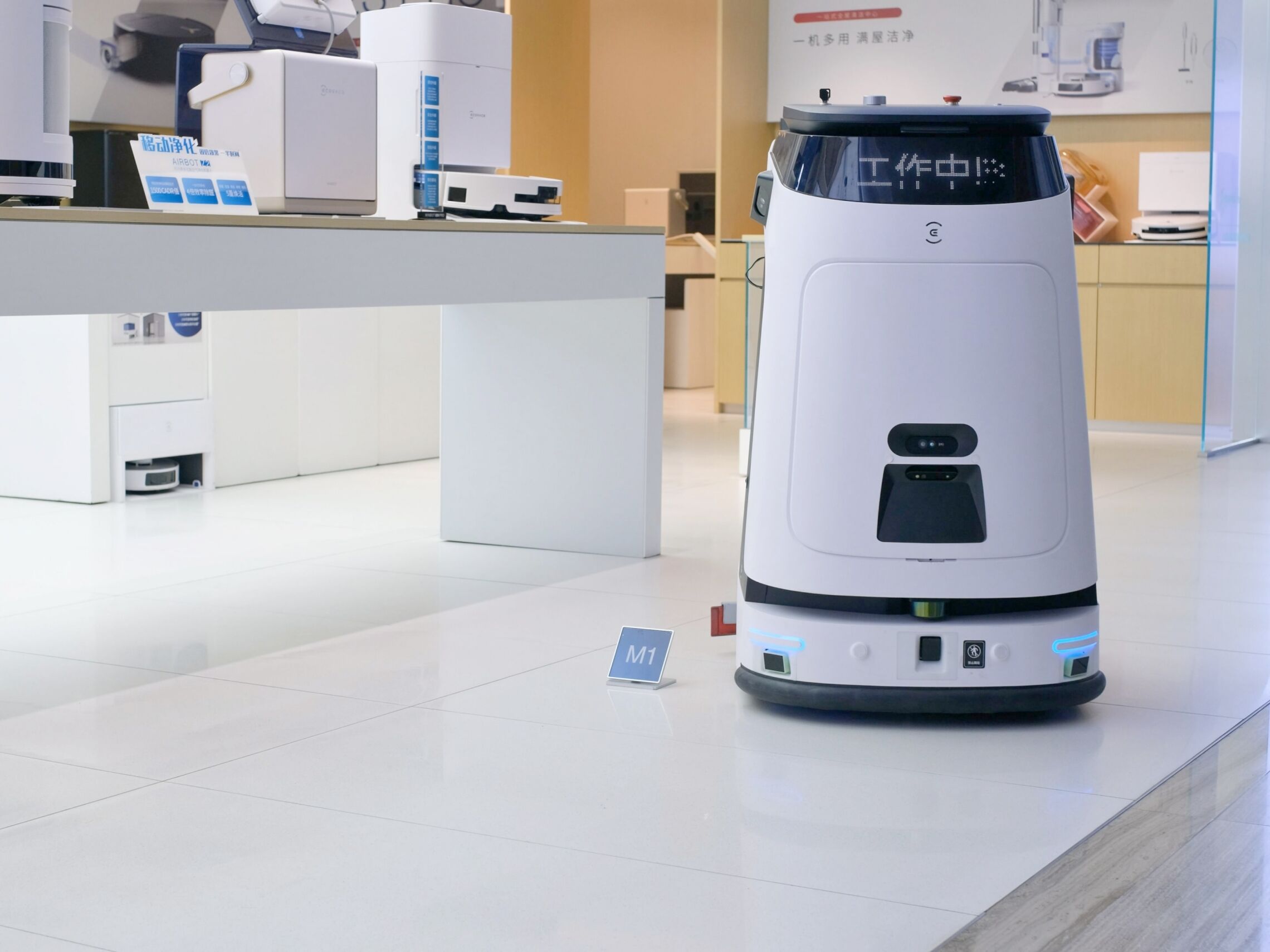
Workplace safety remains a critical concern for facility managers and maintenance teams across various industries. When it comes to maintaining clean and safe floors in industrial environments, understanding proper safety protocols for cleaning equipment is essential. The implementation of comprehensive safety guidelines not only protects workers but also ensures optimal equipment performance and longevity. Modern cleaning technology has revolutionized how businesses approach floor maintenance, yet the fundamental principles of safe operation remain unchanged.
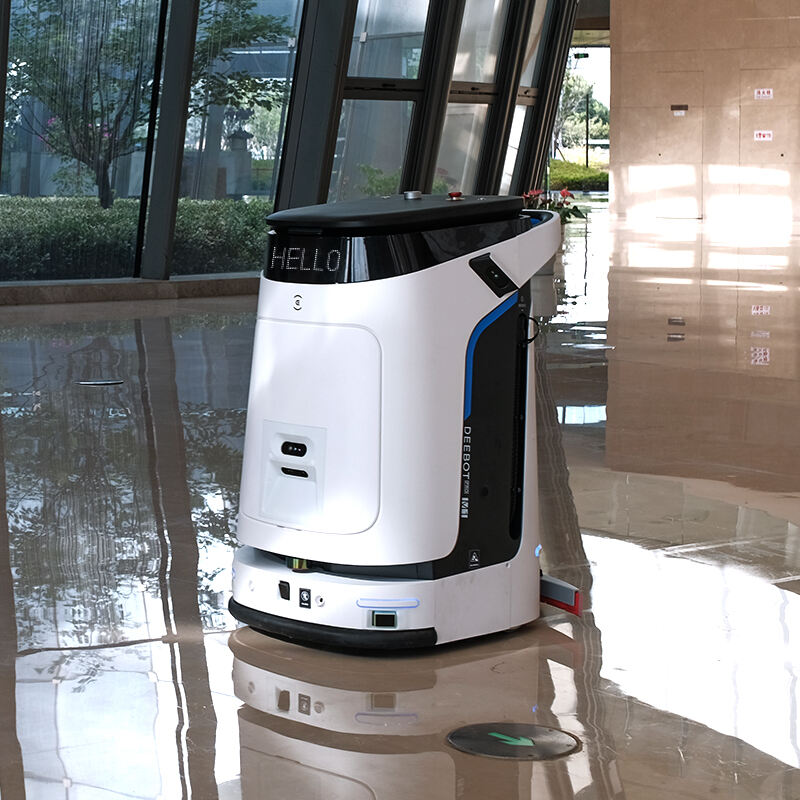
Industrial facilities face unique challenges when it comes to floor maintenance due to heavy foot traffic, machinery operations, and various contaminants. The selection and operation of appropriate cleaning equipment requires careful consideration of safety factors that extend beyond basic functionality. Proper training, equipment maintenance, and adherence to established protocols form the foundation of successful floor care programs in industrial settings.
Pre-Operation Safety Inspections
Equipment Condition Assessment
Before operating any cleaning equipment, conducting a thorough visual inspection ensures safe and effective performance. Check all electrical connections, power cords, and plugs for signs of damage, fraying, or wear. Damaged electrical components pose serious safety risks and should be addressed immediately by qualified technicians. The inspection process should include examining the solution and recovery tanks for cracks, leaks, or other structural issues that could compromise operation.
Verify that all safety features function properly, including emergency stops, warning lights, and audible alarms. Test the equipment's mobility components such as wheels, casters, and steering mechanisms to ensure smooth operation. Document any identified issues and remove defective equipment from service until repairs are completed. Regular inspections help prevent accidents and extend equipment lifespan through proactive maintenance.
Workspace Preparation
Proper workspace preparation significantly reduces the risk of accidents and improves cleaning efficiency. Remove or secure loose items, debris, and obstacles from the cleaning area before beginning operations. Identify and mark potential hazards such as wet spots, uneven surfaces, or areas with poor lighting. Ensure adequate ventilation in enclosed spaces to prevent the accumulation of cleaning solution vapors.
Post appropriate warning signs and barriers to alert other personnel of ongoing cleaning operations. Coordinate with facility management to minimize foot traffic during cleaning activities whenever possible. Establish clear communication protocols with other workers in the area to prevent conflicts between cleaning operations and regular business activities. These preparatory steps create a safer environment for both operators and other facility occupants.
Personal Protective Equipment Requirements
Essential Safety Gear
Operators must wear appropriate personal protective equipment to minimize exposure to cleaning chemicals and prevent injury from equipment operation. Non-slip footwear with closed toes provides essential protection against slips, falls, and potential contact with cleaning solutions. Safety glasses or goggles protect eyes from chemical splashes and airborne particles that may be disturbed during cleaning operations. Protective gloves resistant to cleaning chemicals prevent skin contact and potential chemical burns.
Consider wearing protective clothing such as aprons or coveralls when working with strong cleaning solutions or in environments with high contamination levels. Hearing protection may be necessary in facilities with high ambient noise levels or when operating particularly loud equipment. The specific PPE requirements may vary based on the cleaning chemicals used and the particular hazards present in the work environment.
PPE Maintenance and Replacement
Regular inspection and maintenance of personal protective equipment ensures continued effectiveness and safety. Check gloves for tears, punctures, or chemical degradation before each use, replacing them as needed. Clean and sanitize reusable PPE according to manufacturer recommendations to prevent contamination and extend useful life. Store protective equipment in clean, dry locations away from direct sunlight and extreme temperatures.
Establish replacement schedules for PPE based on usage frequency and manufacturer guidelines. Maintain adequate inventory of replacement items to ensure continuous availability. Train workers to recognize signs of PPE deterioration and provide clear procedures for reporting damaged equipment. Proper PPE management protects workers while controlling replacement costs through optimal utilization.
Chemical Handling and Storage
Safe Chemical Practices
Proper handling of cleaning chemicals requires understanding their properties, hazards, and safe usage procedures. Always read and follow manufacturer instructions and safety data sheets before using any cleaning product. Use only the recommended dilution ratios to ensure effective cleaning while minimizing chemical exposure risks. Mixing different cleaning products can create dangerous chemical reactions and should be strictly avoided unless specifically approved by manufacturers.
When an industrial floor scrubber requires chemical solutions, ensure proper filling procedures are followed to prevent spills and splashing. Use appropriate measuring tools and funnels to control chemical transfer and minimize waste. Maintain detailed records of chemical usage, including dates, quantities, and specific products used for regulatory compliance and inventory management purposes.
Storage and Inventory Management
Chemical storage areas must meet specific safety requirements to prevent accidents and environmental contamination. Store chemicals in their original containers with intact labels to maintain proper identification and safety information. Separate incompatible chemicals according to safety data sheet recommendations to prevent dangerous interactions. Maintain appropriate temperature and humidity conditions as specified by manufacturers to preserve chemical effectiveness and safety.
Implement proper inventory rotation using first-in-first-out principles to prevent chemicals from exceeding their shelf life. Regularly inspect storage areas for leaks, spills, or container damage that could create safety hazards. Provide adequate spill containment and cleanup materials in chemical storage areas. Train personnel in proper emergency response procedures for chemical spills or exposures.
Operational Safety Procedures
Equipment Operation Guidelines
Safe operation of cleaning equipment requires adherence to manufacturer specifications and established safety protocols. Begin operations at the slowest recommended speed to maintain full control while assessing floor conditions and obstacles. Maintain awareness of surroundings at all times, watching for pedestrians, other equipment, and changing environmental conditions. Use appropriate cleaning patterns that maximize efficiency while minimizing operator fatigue and equipment stress.
Never leave operating equipment unattended, even for brief periods, as this creates safety risks for other facility occupants. Ensure proper cord management to prevent tripping hazards and equipment damage. When operating in areas with multiple elevation levels, exercise extra caution near stairs, ramps, and loading docks. Follow established traffic patterns and yielding procedures when sharing workspace with other personnel or equipment.
Emergency Response Procedures
Develop and communicate clear emergency response procedures for various scenarios that may occur during cleaning operations. In case of equipment malfunction, immediately shut down the unit and disconnect power sources before attempting any troubleshooting. For chemical spills, follow established containment and cleanup procedures while ensuring proper ventilation and personnel evacuation if necessary. Report all incidents, regardless of severity, to supervisory personnel for proper documentation and investigation.
Maintain easily accessible emergency contact information and location maps for medical facilities and emergency services. Ensure all operators know the location of emergency eyewash stations, safety showers, and first aid equipment. Conduct regular emergency drills to maintain readiness and identify areas for improvement in response procedures. Quick and appropriate emergency response minimizes the impact of incidents on personnel safety and facility operations.
Maintenance and Service Safety
Routine Maintenance Protocols
Regular maintenance activities require specific safety precautions to protect service personnel and maintain equipment integrity. Always disconnect power sources and allow equipment to cool completely before beginning any maintenance work. Use appropriate lockout/tagout procedures to prevent accidental equipment activation during service activities. Refer to manufacturer service manuals for specific maintenance requirements and safety recommendations.
When performing maintenance tasks, ensure adequate lighting and ventilation in the work area. Use proper lifting techniques and mechanical aids when handling heavy components to prevent injury. Keep maintenance areas clean and organized to reduce the risk of accidents and improve work efficiency. Document all maintenance activities including dates, procedures performed, and any issues identified for future reference.
Professional Service Requirements
Certain maintenance and repair activities should only be performed by qualified service technicians to ensure safety and warranty compliance. Electrical repairs, motor replacement, and hydraulic system work typically require specialized training and tools. Attempting complex repairs without proper qualifications can create serious safety hazards and void equipment warranties. Establish relationships with certified service providers to ensure prompt and professional maintenance support.
Maintain detailed service records including warranty information, service dates, and technician qualifications. Regular professional inspections can identify potential safety issues before they become serious problems. Budget appropriately for professional maintenance services as part of overall equipment ownership costs. Quality professional service extends equipment life while maintaining optimal safety and performance standards.
Environmental Considerations
Waste Management Practices
Proper disposal of cleaning waste and used solutions requires compliance with local environmental regulations and safety standards. Never dispose of cleaning solutions in regular drains or sewer systems without proper treatment and approval from local authorities. Collect and store waste materials in appropriate containers clearly labeled with content information and disposal requirements. Separate different types of waste materials to facilitate proper processing and recycling where applicable.
Partner with licensed waste management companies that specialize in industrial cleaning waste disposal. Maintain documentation of all waste disposal activities for regulatory compliance and environmental reporting purposes. Train personnel in proper waste segregation and handling procedures to prevent contamination and ensure compliance. Implement waste reduction strategies through efficient chemical usage and equipment optimization.
Sustainability and Efficiency
Modern cleaning operations increasingly focus on sustainability and environmental responsibility while maintaining safety standards. Select cleaning products with reduced environmental impact while ensuring adequate cleaning performance and safety. Optimize water usage through proper equipment adjustment and efficient cleaning patterns. Consider the total environmental impact of cleaning operations including energy consumption, chemical usage, and waste generation.
Implement monitoring systems to track resource consumption and identify opportunities for improvement. Regular training on sustainable practices helps workers understand their role in environmental stewardship. Balance environmental goals with safety requirements to ensure worker protection remains the primary priority. Sustainable practices often result in cost savings while demonstrating corporate environmental responsibility.
FAQ
What personal protective equipment is required when operating industrial floor scrubbers?
Essential PPE includes non-slip closed-toe footwear, safety glasses or goggles, and chemical-resistant gloves. Additional protective clothing such as aprons may be necessary depending on the cleaning chemicals used and facility conditions. Hearing protection should be considered in high-noise environments. The specific PPE requirements may vary based on the particular hazards present in your work environment and local safety regulations.
How often should industrial floor scrubbers undergo safety inspections?
Daily pre-operation inspections should be conducted before each use to check for visible damage, proper function of safety features, and general equipment condition. More comprehensive weekly inspections should examine electrical connections, fluid levels, and mechanical components. Professional maintenance inspections should occur according to manufacturer recommendations, typically monthly or quarterly depending on usage intensity and operating conditions.
What should I do if cleaning chemicals accidentally come into contact with skin or eyes?
Immediately flush the affected area with clean water for at least 15 minutes while removing contaminated clothing if necessary. Do not attempt to neutralize chemical contact with other substances. Seek immediate medical attention for eye contact or if skin irritation develops. Keep safety data sheets readily available for emergency responders to provide specific treatment information. Report all chemical exposure incidents to supervisory personnel for proper documentation and investigation.
Are there specific areas where industrial floor scrubbers should not be used?
Avoid using floor scrubbers on surfaces that are not compatible with water or cleaning solutions, such as certain types of wood flooring or sensitive electronic equipment areas. Do not operate equipment in areas with standing water deeper than manufacturer specifications or near exposed electrical connections. Carpeted areas typically require different cleaning equipment designed specifically for textile surfaces. Always consult manufacturer guidelines and facility safety protocols before operating in unfamiliar areas.
Table of Contents
- Pre-Operation Safety Inspections
- Personal Protective Equipment Requirements
- Chemical Handling and Storage
- Operational Safety Procedures
- Maintenance and Service Safety
- Environmental Considerations
-
FAQ
- What personal protective equipment is required when operating industrial floor scrubbers?
- How often should industrial floor scrubbers undergo safety inspections?
- What should I do if cleaning chemicals accidentally come into contact with skin or eyes?
- Are there specific areas where industrial floor scrubbers should not be used?