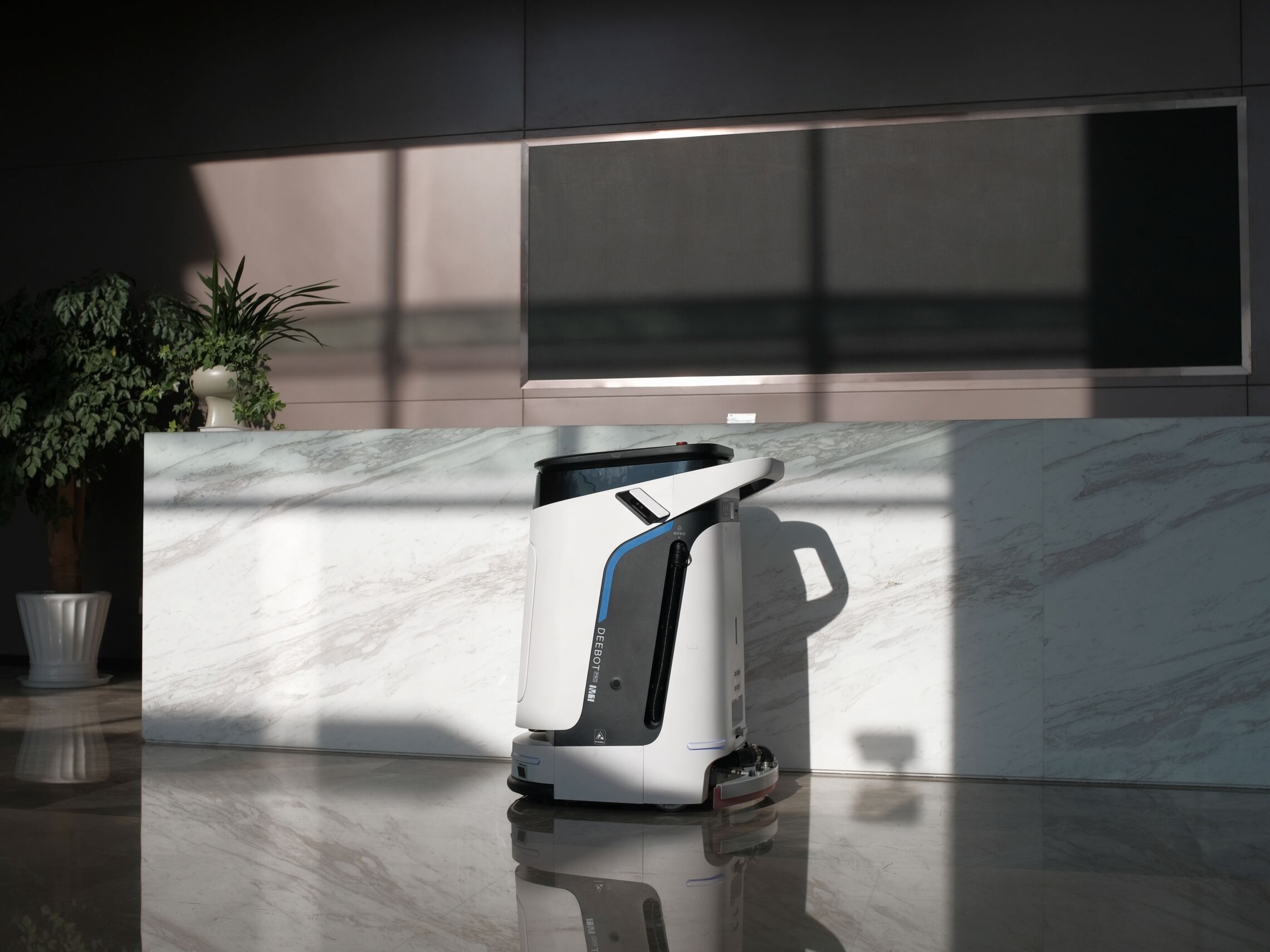
Modern industrial facilities face increasing pressure to maintain pristine cleanliness standards while adhering to environmental sustainability requirements. The emergence of eco-friendly industrial floor scrubber technology represents a significant advancement in commercial cleaning solutions, offering businesses the opportunity to reduce their environmental footprint without compromising operational efficiency. These innovative cleaning systems combine advanced engineering with environmentally conscious design principles to deliver superior cleaning performance while minimizing ecological impact.
Advanced Technology Integration in Sustainable Cleaning Systems
Robotic Automation and Smart Navigation
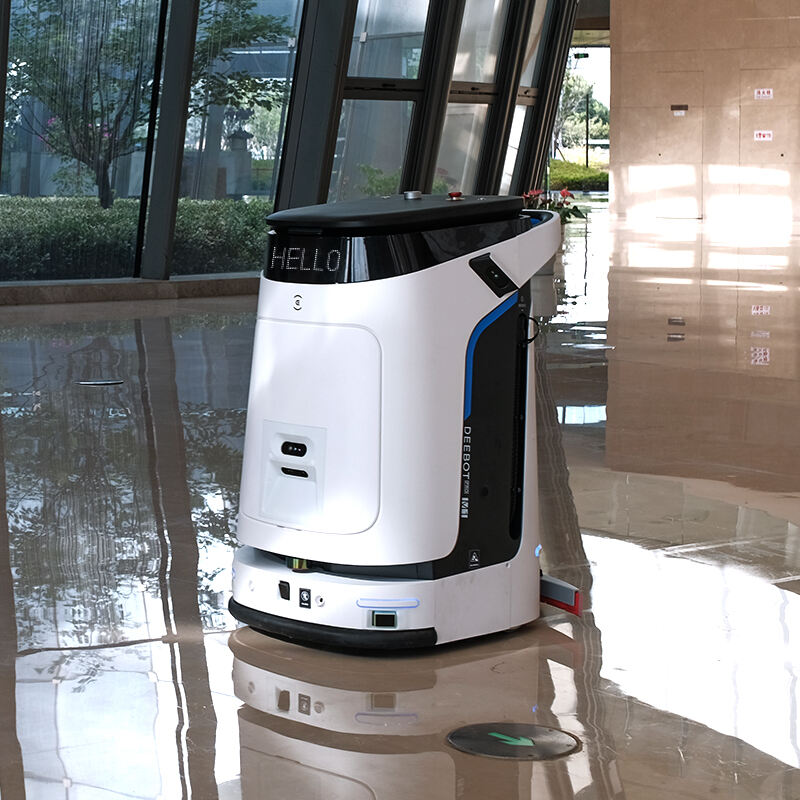
Contemporary eco-friendly industrial floor scrubber units incorporate sophisticated robotic automation systems that revolutionize facility maintenance protocols. These intelligent machines utilize advanced mapping technology and sensor arrays to navigate complex industrial environments autonomously, eliminating the need for continuous human supervision. The integration of artificial intelligence algorithms enables these systems to optimize cleaning patterns, reduce energy consumption, and minimize chemical usage through precise application methods.
Smart navigation capabilities allow these automated cleaning solutions to adapt to varying floor surfaces and obstacle configurations dynamically. The systems employ real-time environmental scanning to identify high-traffic areas requiring intensive cleaning while avoiding unnecessary processing of already clean zones. This targeted approach significantly reduces operational costs and environmental impact through efficient resource utilization.
Energy Efficiency and Battery Management
Modern sustainable floor cleaning equipment features advanced battery management systems designed to maximize operational efficiency while minimizing energy consumption. Lithium-ion battery technology provides extended operational periods with reduced charging frequency, contributing to lower electricity usage and decreased carbon footprint. These systems incorporate intelligent power management algorithms that adjust motor speeds and suction power based on surface conditions and cleaning requirements.
Regenerative braking systems and energy recovery mechanisms further enhance the environmental credentials of contemporary cleaning equipment. These features capture kinetic energy during operation and redirect it to extend battery life, reducing overall power consumption and operational costs. The implementation of solar charging capabilities in some models demonstrates the industry's commitment to renewable energy integration.
Environmental Benefits and Sustainability Features
Chemical Reduction and Water Conservation
The implementation of eco-friendly industrial floor scrubber technology significantly reduces dependency on harsh chemical cleaning agents through innovative mechanical cleaning processes. Advanced brush systems and high-pressure water application eliminate the need for toxic solvents and aggressive detergents, protecting both environmental resources and human health. Water recycling systems integrated into these machines capture and filter used cleaning water for reuse, reducing overall water consumption by up to forty percent.
Precision dosing systems ensure optimal chemical application when cleaning agents are necessary, preventing overuse and minimizing environmental contamination. Biodegradable cleaning solutions specifically formulated for automated systems break down naturally without leaving harmful residues or contributing to water pollution. These environmentally conscious formulations maintain cleaning effectiveness while supporting ecosystem preservation efforts.
Waste Reduction and Material Efficiency
Sustainable industrial cleaning equipment incorporates durable construction materials designed for extended operational lifespans, reducing replacement frequency and associated waste generation. Modular component design enables selective part replacement rather than complete unit disposal, supporting circular economy principles and minimizing landfill contributions. Recyclable materials used in housing and component construction facilitate responsible end-of-life disposal practices.
Advanced filtration systems capture and contain debris and contaminants effectively, preventing their redistribution into the environment. HEPA filtration technology ensures microscopic particles are trapped and properly disposed of, improving indoor air quality and reducing respiratory health risks for facility occupants. These comprehensive waste management features demonstrate the holistic approach to environmental responsibility inherent in modern cleaning technology.
Operational Efficiency and Cost Effectiveness
Labor Optimization and Productivity Enhancement
Automated eco-friendly cleaning systems dramatically reduce labor requirements while improving overall cleaning consistency and quality. Human operators can focus on specialized tasks and equipment oversight rather than repetitive manual cleaning activities, enhancing workforce productivity and job satisfaction. The reliable performance of robotic systems ensures consistent cleaning standards regardless of staff availability or scheduling constraints.
Predictive maintenance capabilities built into advanced cleaning equipment minimize unexpected downtime and extend operational lifespans. Real-time monitoring systems track component wear patterns and performance metrics, enabling proactive maintenance scheduling that prevents costly repairs and service interruptions. These intelligent systems generate detailed operational reports that facilitate data-driven decision-making and continuous process improvement.
Long-term Investment Value
The initial investment in sustainable industrial cleaning technology generates substantial long-term cost savings through reduced labor expenses, lower chemical consumption, and decreased utility costs. Energy-efficient operation and extended equipment lifespans provide favorable return on investment calculations that justify the adoption of environmentally responsible cleaning solutions. Government incentives and tax benefits for sustainable technology adoption further enhance the financial attractiveness of these systems.
Reduced maintenance requirements and improved reliability contribute to lower total cost of ownership compared to traditional cleaning methods. The elimination of consumable cleaning supplies and reduced water usage generate ongoing operational savings that compound over time. These economic benefits align perfectly with environmental stewardship goals, creating a compelling business case for sustainable cleaning technology adoption.
Implementation Strategies and Best Practices
Facility Assessment and System Selection
Successful implementation of eco-friendly industrial cleaning systems requires comprehensive facility assessment to identify specific operational requirements and environmental constraints. Floor surface materials, traffic patterns, and contamination types must be carefully evaluated to select appropriate cleaning technologies and configurations. Professional consultation services help organizations navigate complex technical specifications and ensure optimal system selection for their unique operational contexts.
Integration planning should consider existing infrastructure compatibility, power supply requirements, and operational workflow modifications necessary for automated cleaning system deployment. Pilot testing programs allow organizations to evaluate system performance under actual operating conditions before committing to full-scale implementation. These preliminary assessments identify potential challenges and optimization opportunities that enhance overall system effectiveness.
Training and Change Management
Successful technology adoption requires comprehensive training programs that prepare facility staff for new operational procedures and equipment management responsibilities. Training curricula should cover system operation, maintenance protocols, troubleshooting procedures, and safety considerations specific to automated cleaning equipment. Ongoing education ensures staff remain current with software updates and advanced features that enhance system performance.
Change management strategies must address potential workforce concerns about automation and demonstrate how new technologies enhance rather than replace human capabilities. Clear communication about job role evolution and skill development opportunities helps ensure positive reception and adoption of sustainable cleaning technologies. Regular feedback sessions and performance reviews facilitate continuous improvement and system optimization.
FAQ
How do eco-friendly industrial floor scrubbers reduce environmental impact
Eco-friendly industrial floor scrubbers reduce environmental impact through multiple mechanisms including decreased chemical usage, water conservation through recycling systems, energy-efficient operation, and elimination of harsh cleaning agents. These systems typically use biodegradable cleaning solutions and incorporate advanced filtration to prevent environmental contamination while maintaining superior cleaning performance.
What maintenance requirements do robotic cleaning systems have
Robotic cleaning systems require routine maintenance including brush replacement, filter cleaning, battery monitoring, and software updates. Most systems feature self-diagnostic capabilities that alert operators to maintenance needs and provide predictive maintenance scheduling to prevent unexpected downtime. Regular maintenance ensures optimal performance and extends equipment lifespan significantly.
Can automated floor scrubbers work effectively in complex industrial environments
Modern automated floor scrubbers are specifically designed for complex industrial environments with advanced navigation systems that adapt to obstacles, varying floor surfaces, and dynamic operational conditions. These systems use sophisticated mapping and sensor technology to navigate around equipment, inventory, and personnel while maintaining thorough cleaning coverage throughout facility operations.
What cost savings can organizations expect from sustainable cleaning technology
Organizations typically experience significant cost savings through reduced labor requirements, lower chemical and water consumption, decreased energy usage, and minimized maintenance expenses. Total cost savings often range from twenty to forty percent compared to traditional cleaning methods, with return on investment typically achieved within eighteen to thirty-six months depending on facility size and usage patterns.