
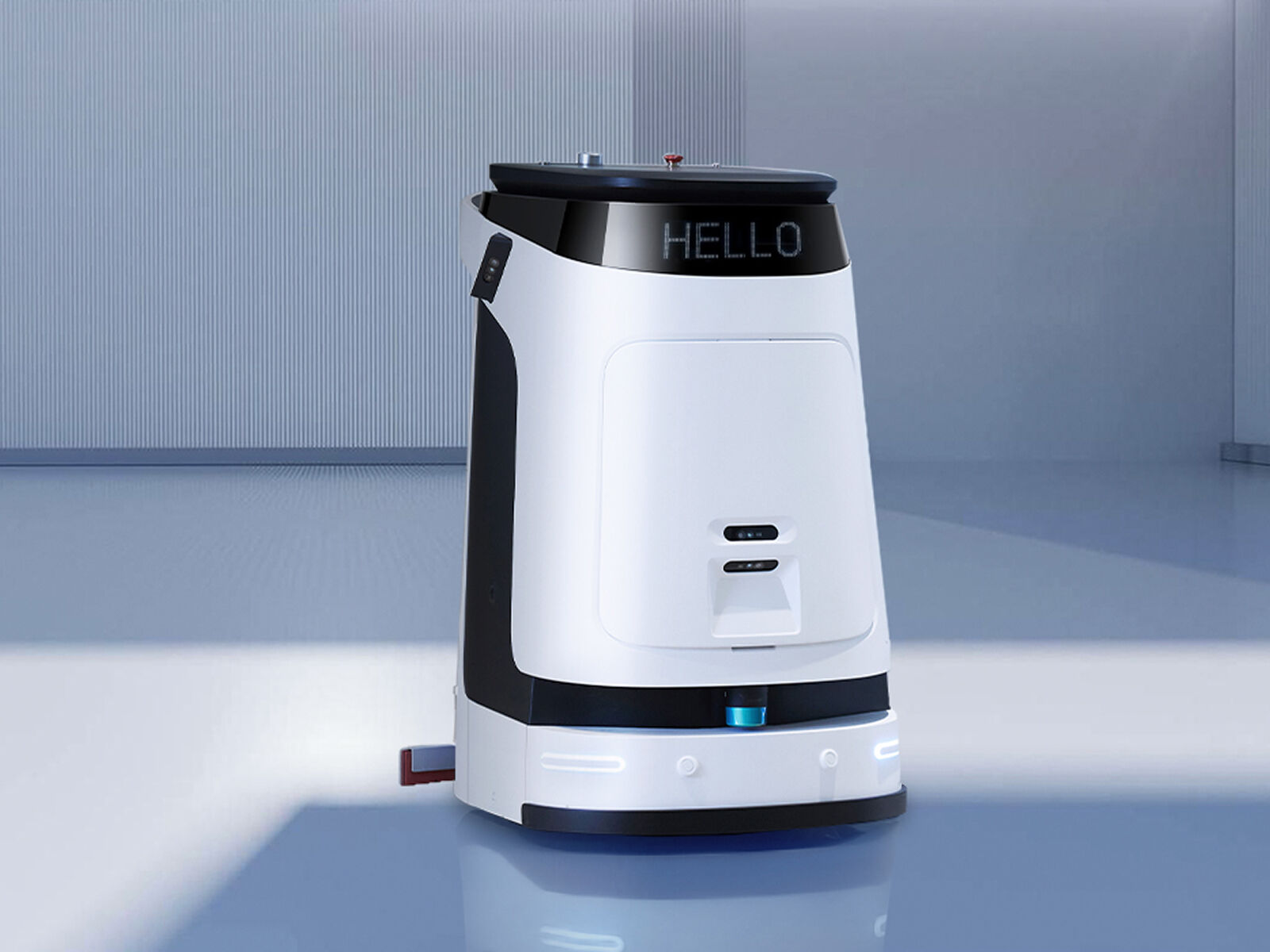
Maintaining clean and safe commercial floors requires more than just the right equipment—it demands adherence to proven safety protocols that protect both cleaning staff and facility occupants. Commercial facilities face unique challenges when it comes to floor maintenance, from high-traffic areas that accumulate dirt and debris quickly to specialized surfaces that require specific cleaning approaches. Understanding proper safety procedures while using commercial floor cleaning equipment can prevent workplace injuries, reduce liability risks, and ensure optimal cleaning results that maintain professional standards.
Essential Pre-Cleaning Safety Preparations
Equipment Inspection and Maintenance Protocols
Before operating any commercial floor cleaner, conducting a thorough equipment inspection serves as the foundation of workplace safety. Check all electrical connections, ensuring cords are free from fraying, cuts, or exposed wiring that could create electrocution hazards. Examine the machine's brushes, pads, and squeegees for wear patterns that might affect performance or create safety risks during operation. Water tanks should be inspected for cracks or leaks that could compromise the cleaning process or create slip hazards on surrounding surfaces.
Regular maintenance schedules prevent equipment failures that can lead to accidents or injuries during cleaning operations. Lubricate moving parts according to manufacturer specifications, replace worn components before they fail completely, and maintain detailed service records that track equipment performance over time. This proactive approach not only extends equipment lifespan but also ensures consistent safety standards across all cleaning operations.
Personal Protective Equipment Requirements
Proper personal protective equipment forms a critical barrier against workplace hazards during commercial floor cleaning operations. Non-slip footwear with adequate tread patterns prevents falls on wet or freshly cleaned surfaces, while waterproof clothing protects against chemical splashes and excessive moisture exposure. Eye protection becomes essential when using chemical cleaners or operating equipment that might generate spray or debris.
Respiratory protection may be necessary depending on the cleaning chemicals used and facility ventilation conditions. Gloves should be chemical-resistant and provide adequate grip for equipment operation, while back support belts can help prevent injury when lifting or maneuvering heavy cleaning equipment. Training staff on proper PPE selection, use, and maintenance ensures consistent protection across all cleaning activities.
Chemical Handling and Storage Safety
Proper Chemical Selection and Mixing Procedures
Selecting appropriate cleaning chemicals for specific floor types and soil conditions requires understanding both efficacy and safety considerations. Always verify chemical compatibility with floor surfaces before application, as improper chemical selection can damage flooring materials or create hazardous conditions. Follow manufacturer dilution ratios precisely, as over-concentration can create safety hazards while under-dilution reduces cleaning effectiveness.
Never mix different cleaning chemicals unless specifically recommended by manufacturers, as chemical reactions can produce toxic gases or corrosive solutions. Use dedicated measuring tools for each chemical type to prevent cross-contamination, and always add chemicals to water rather than water to chemicals to minimize splashing and heat generation. Maintain detailed logs of chemical usage and mixing procedures to ensure consistency and track potential safety issues.
Storage and Transportation Guidelines
Proper chemical storage prevents accidents, maintains product effectiveness, and ensures regulatory compliance in commercial facilities. Store cleaning chemicals in original containers with intact labels, keeping them in well-ventilated areas away from heat sources, direct sunlight, and incompatible materials. Implement secondary containment systems for liquid chemicals to prevent spills from spreading and contaminating other areas.
Transportation of chemicals within facilities should follow established protocols that minimize spill risks and exposure hazards. Use appropriate carts or containers designed for chemical transport, avoid overfilling containers, and establish clear routes that minimize interaction with facility occupants. Emergency spill kits should be readily available in areas where chemicals are stored, mixed, or transported.
Operational Safety During Floor Cleaning
Traffic Management and Area Isolation
Effective traffic management during commercial floor cleaning operations protects both cleaning staff and facility users from accidents and injuries. Establish clear boundaries around work areas using appropriate signage, barriers, or cones that provide adequate warning of wet floors and cleaning activities in progress. Plan cleaning schedules during low-traffic periods whenever possible to minimize disruptions and reduce accident risks.
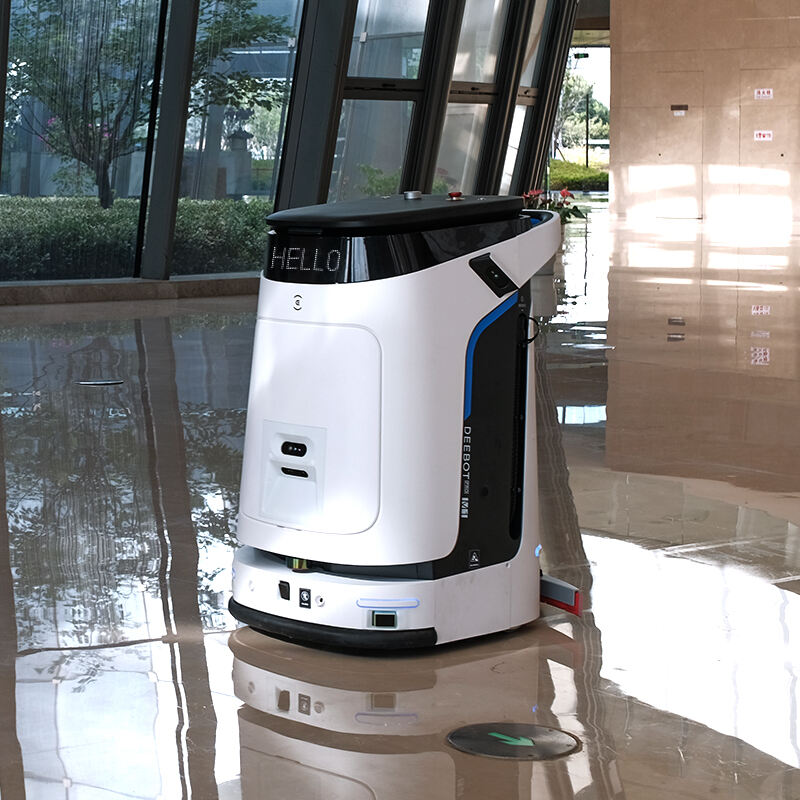
Communicate cleaning schedules to facility management and occupants in advance, allowing them to plan alternate routes or adjust activities accordingly. When cleaning must occur during busy periods, implement staged cleaning approaches that maintain safe passage routes while allowing continuous facility operations. Consider using commercial floor cleaner equipment that operates with minimal disruption to normal facility activities.
Equipment Operation Best Practices
Safe operation of commercial floor cleaning equipment requires understanding machine capabilities, limitations, and proper operating procedures. Maintain steady, controlled movements when operating equipment to prevent accidents and ensure thorough cleaning coverage. Avoid rushing cleaning processes, as hurried operations often lead to safety shortcuts and reduced cleaning effectiveness.
Monitor equipment performance continuously during operation, watching for unusual sounds, vibrations, or performance changes that might indicate developing problems. Keep cleaning solution tanks properly filled according to manufacturer specifications, and never operate equipment beyond its designed capacity or in conditions outside normal operating parameters. Establish clear communication protocols when multiple team members are working in the same area.
Post-Cleaning Safety Protocols
Equipment Shutdown and Cleaning Procedures
Proper equipment shutdown procedures prevent accidents and extend machine lifespan while ensuring readiness for future operations. Always disconnect power sources before performing any cleaning or maintenance activities on commercial floor cleaner equipment. Empty and rinse all solution and recovery tanks thoroughly to prevent bacterial growth and chemical residue buildup that could affect future cleaning operations.
Clean and inspect brushes, pads, and squeegees after each use, replacing worn components as necessary to maintain optimal performance and safety standards. Store equipment in designated areas where it cannot create obstacles or hazards for other facility activities. Document any maintenance needs or performance issues discovered during shutdown procedures for follow-up action.
Floor Drying and Area Restoration
Ensuring floors are properly dried before removing safety barriers protects facility occupants from slip and fall accidents while maintaining cleaning effectiveness. Allow adequate drying time based on floor material, humidity levels, and air circulation conditions in the cleaned area. Use additional ventilation or drying equipment when necessary to accelerate the drying process safely.
Remove safety barriers and signage only after confirming floors are completely dry and safe for normal traffic. Inspect cleaned areas for any remaining hazards such as chemical residue, equipment marks, or moisture that could create safety risks. Restore normal facility operations gradually, monitoring initial traffic patterns to ensure surfaces remain safe and properly cleaned.
Training and Compliance Requirements
Staff Training and Certification Programs
Comprehensive training programs ensure all cleaning staff understand safety protocols, equipment operation, and emergency procedures related to commercial floor cleaning operations. Develop standardized training curricula that cover equipment-specific procedures, chemical safety, and facility-specific requirements that address unique environmental or operational considerations.
Implement regular refresher training sessions to reinforce safety concepts and introduce new procedures or equipment. Document all training activities and maintain individual training records that demonstrate compliance with safety requirements and professional development progress. Consider certification programs that validate staff competency and provide recognition for safety excellence.
Regulatory Compliance and Documentation
Maintaining compliance with relevant safety regulations requires understanding applicable standards and implementing appropriate documentation systems. Keep current safety data sheets for all cleaning chemicals readily accessible to staff and emergency responders. Develop written procedures that address specific regulatory requirements and facility policies related to floor cleaning operations.
Conduct regular safety audits to identify potential compliance gaps and opportunities for improvement in commercial floor cleaner safety practices. Document all incidents, near-misses, and corrective actions taken to address safety concerns. This systematic approach demonstrates commitment to safety excellence and provides valuable data for continuous improvement efforts.
FAQ
What personal protective equipment is required when operating commercial floor cleaning equipment
Essential PPE includes non-slip footwear with good tread, waterproof or water-resistant clothing, chemical-resistant gloves, and eye protection when using cleaning chemicals. Respiratory protection may be necessary depending on chemical types and ventilation conditions. Back support belts can help prevent injury when handling heavy equipment or moving furniture during cleaning operations.
How often should commercial floor cleaning equipment be inspected for safety
Daily pre-use inspections should check electrical connections, brushes, squeegees, and tank conditions. Weekly inspections should examine more detailed mechanical components and perform basic maintenance tasks. Monthly comprehensive inspections should involve detailed mechanical checks and replacement of worn parts according to manufacturer recommendations.
What are the most common safety hazards associated with commercial floor cleaning
The primary hazards include slip and fall accidents on wet surfaces, electrical shock from damaged equipment or improper use around water, chemical exposure from improper handling or mixing, and back injuries from lifting heavy equipment or repetitive motions. Proper training and adherence to safety protocols significantly reduce these risks.
How should cleaning chemicals be stored to maintain safety standards
Store chemicals in original containers with intact labels in well-ventilated areas away from heat sources and incompatible materials. Implement secondary containment for liquid chemicals, maintain appropriate temperatures, and ensure easy access to safety data sheets. Regular inventory checks help identify expired products and potential storage issues before they become safety hazards.
Table of Contents
- Essential Pre-Cleaning Safety Preparations
- Chemical Handling and Storage Safety
- Operational Safety During Floor Cleaning
- Post-Cleaning Safety Protocols
- Training and Compliance Requirements
-
FAQ
- What personal protective equipment is required when operating commercial floor cleaning equipment
- How often should commercial floor cleaning equipment be inspected for safety
- What are the most common safety hazards associated with commercial floor cleaning
- How should cleaning chemicals be stored to maintain safety standards