
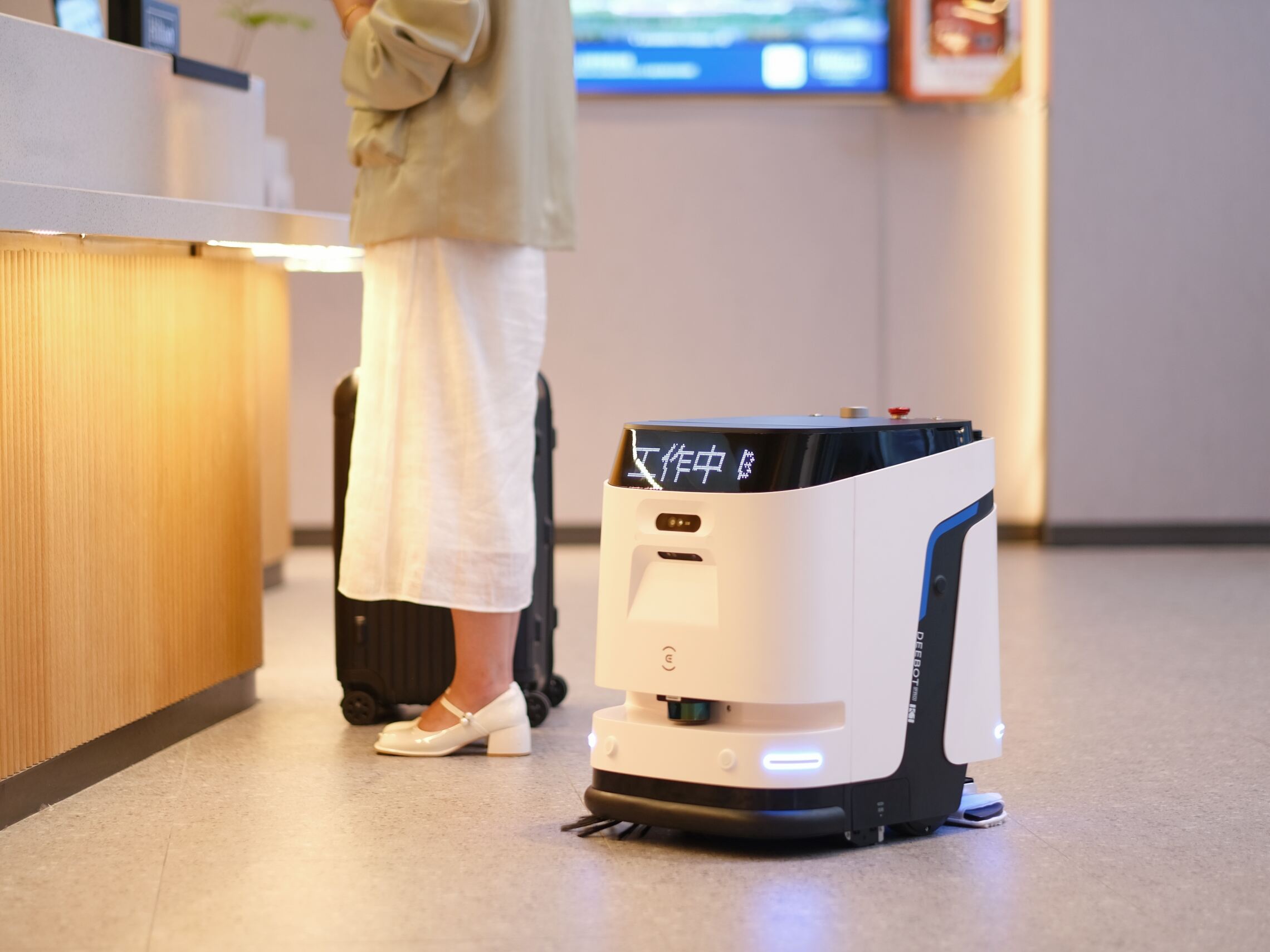
Modern warehouse operations demand efficient cleaning solutions that can maintain pristine floor conditions while minimizing operational disruptions. The right industrial floor scrubber transforms how facilities manage their cleaning protocols, delivering consistent results across vast square footage while reducing labor costs and improving workplace safety standards.
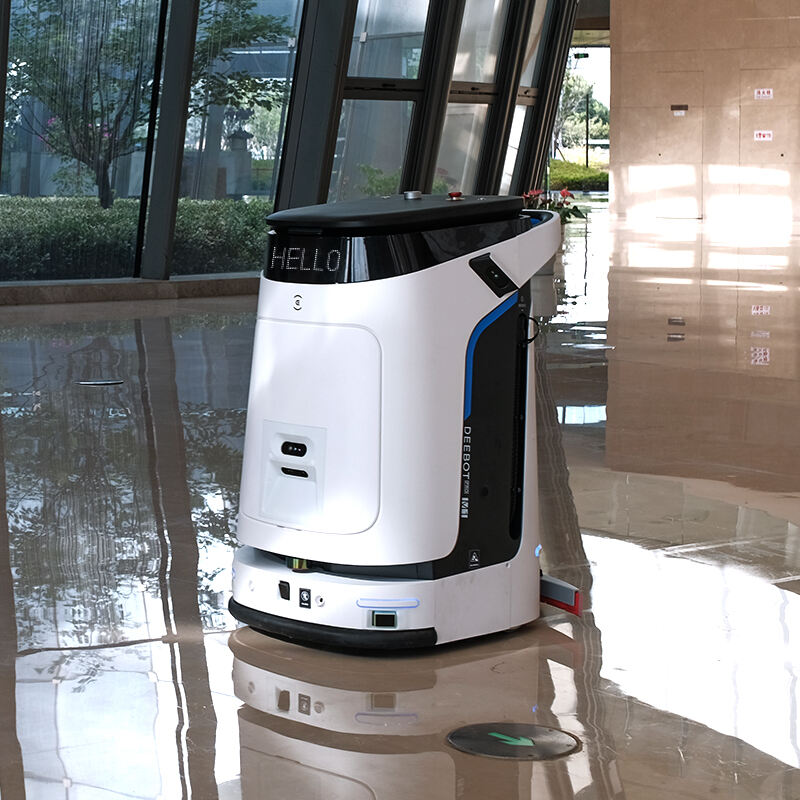
Warehouse environments present unique cleaning challenges that require specialized equipment designed for heavy-duty performance. From concrete surfaces exposed to forklift traffic to epoxy coatings that accumulate industrial residues, selecting the appropriate cleaning technology directly impacts operational efficiency and long-term facility maintenance costs.
The evolution of automated cleaning technology has revolutionized warehouse maintenance protocols, offering solutions that operate autonomously while maintaining the thorough cleaning performance traditionally associated with manual operations. These advanced systems integrate seamlessly into existing workflows, providing consistent cleaning quality without requiring dedicated operator supervision.
Understanding Industrial Floor Scrubber Technology
Core Cleaning Mechanisms
Contemporary industrial floor scrubber systems employ sophisticated brush configurations and suction technologies to achieve superior cleaning performance across diverse surface types. The combination of rotational brush action and high-capacity vacuum systems ensures complete debris removal while controlling moisture levels to prevent slip hazards and accelerate drying times.
Advanced filtration systems within these machines capture microscopic particles and contaminants that traditional cleaning methods often leave behind. This comprehensive approach to surface cleaning addresses both visible debris and invisible particulates that can compromise air quality and create long-term maintenance issues.
The integration of adjustable pressure settings allows operators to customize cleaning intensity based on specific surface conditions and contamination levels. This flexibility ensures optimal cleaning results while protecting delicate floor finishes from unnecessary wear and extending overall surface lifespan.
Automated Navigation Systems
Modern robotic cleaning systems utilize sophisticated mapping technology to navigate complex warehouse layouts efficiently. These systems create detailed floor plans that enable systematic cleaning patterns while avoiding obstacles and optimizing coverage areas to ensure no zones are overlooked during cleaning cycles.
Sensor arrays built into advanced units provide real-time environmental awareness, allowing machines to detect and respond to changing conditions such as temporary obstacles, spilled materials, or varying surface textures. This intelligent adaptation capability ensures consistent performance across dynamic warehouse environments.
The scheduling capabilities of automated systems allow facilities to program cleaning operations during off-peak hours, maximizing productivity while minimizing disruption to daily operations. Remote monitoring features enable facility managers to track cleaning progress and receive maintenance alerts without direct supervision.
Warehouse-Specific Cleaning Requirements
Surface Type Considerations
Warehouse flooring materials vary significantly in their cleaning requirements and durability characteristics. Polished concrete surfaces demand different cleaning approaches compared to epoxy-coated floors or industrial-grade vinyl compositions. Understanding these material-specific needs ensures appropriate equipment selection and optimal cleaning protocols.
High-traffic areas where forklifts and heavy machinery operate require robust cleaning solutions capable of removing embedded debris and industrial residues. The industrial floor scrubber designed for these environments must provide sufficient cleaning pressure while maintaining gentle contact to preserve surface integrity.
Specialized floor treatments and sealers commonly used in warehouse environments require compatible cleaning chemistries and appropriate agitation levels. Selecting equipment that accommodates these specific requirements prevents damage to protective coatings while maintaining effective cleaning performance.
Operational Efficiency Factors
Warehouse cleaning operations must balance thoroughness with speed to minimize impact on productivity schedules. Equipment selection should prioritize systems that can cover large areas efficiently while maintaining consistent cleaning quality throughout extended operating periods.
Battery life and charging requirements significantly impact operational scheduling in large facilities. Advanced systems offer extended runtime capabilities and rapid charging features that align with typical warehouse operating hours and shift patterns.
Maintenance accessibility and component durability directly influence total cost of ownership in demanding warehouse environments. Equipment designed for easy servicing and featuring robust construction materials provides better long-term value and reduced operational interruptions.
Key Performance Features for Warehouse Applications
Coverage Capacity and Speed
Effective warehouse cleaning requires equipment capable of covering substantial square footage within reasonable timeframes. Modern industrial cleaning systems typically process between 10,000 to 30,000 square feet per hour, depending on cleaning intensity settings and surface conditions.
Path width optimization ensures maximum coverage efficiency while minimizing overlap areas that waste time and resources. Advanced units feature adjustable cleaning widths that accommodate narrow aisles while maximizing productivity in open floor areas.
Variable speed controls allow operators to adjust cleaning pace based on contamination levels and surface requirements. This flexibility ensures thorough cleaning in heavily soiled areas while maintaining productivity in routine maintenance zones.
Debris Management Systems
Industrial environments generate diverse debris types that require specialized collection and containment systems. Effective units incorporate large-capacity debris hoppers with easy-empty mechanisms that minimize operator interaction and reduce maintenance downtime.
Advanced filtration prevents fine particles from recirculating into the air during cleaning operations. HEPA-grade filtration systems capture microscopic contaminants that contribute to poor air quality and potential health concerns in enclosed warehouse spaces.
Wet and dry cleaning capabilities within single units provide versatility for addressing various spill types and contamination scenarios common in warehouse operations. This dual functionality eliminates the need for multiple specialized machines and simplifies equipment management.
Technology Integration and Smart Features
Connectivity and Monitoring
Contemporary cleaning systems offer comprehensive connectivity features that enable remote monitoring and management through cloud-based platforms. These systems provide real-time operational data, maintenance scheduling, and performance analytics that support data-driven facility management decisions.
Integration with existing facility management systems allows seamless coordination between cleaning operations and other warehouse activities. This connectivity ensures optimal timing for cleaning cycles while avoiding conflicts with shipping schedules and inventory management tasks.
Predictive maintenance capabilities utilize operational data to anticipate service needs before equipment failures occur. This proactive approach reduces unexpected downtime and extends equipment lifespan through timely maintenance interventions.
Safety and Compliance Features
Advanced safety systems built into modern cleaning equipment include obstacle detection, emergency stop mechanisms, and compliance with industrial safety standards. These features ensure safe operation in environments where personnel and machinery interact regularly.
Automated documentation of cleaning activities supports compliance with health and safety regulations while providing audit trails for quality management systems. This documentation capability simplifies regulatory compliance and supports continuous improvement initiatives.
Low-noise operation characteristics make modern systems suitable for use during regular business hours without disrupting warehouse operations or creating uncomfortable working conditions for personnel.
Implementation and Operational Considerations
Installation and Setup Requirements
Successful implementation of advanced cleaning systems requires careful planning of charging stations, storage areas, and operational pathways. Proper infrastructure setup ensures optimal system performance and minimizes operational disruptions during daily cleaning cycles.
Staff training requirements for automated systems are typically minimal compared to traditional cleaning equipment, but proper orientation ensures maximum utilization of available features and capabilities. Comprehensive training programs support efficient operation and proper maintenance protocols.
Initial mapping and programming procedures establish optimal cleaning patterns and schedules tailored to specific facility layouts and operational requirements. This customization ensures maximum efficiency and coverage while respecting facility-specific constraints and priorities.
Cost-Benefit Analysis
Investment in advanced cleaning technology typically provides measurable returns through reduced labor costs, improved cleaning consistency, and extended floor surface lifespan. Comprehensive cost analysis should include both direct operational savings and indirect benefits such as improved workplace safety and reduced maintenance requirements.
Energy efficiency features in modern systems contribute to reduced operational costs while supporting sustainability initiatives. Advanced battery technologies and efficient motor systems minimize power consumption compared to traditional cleaning methods.
Reduced chemical usage through optimized cleaning processes provides environmental benefits while lowering ongoing operational costs. Precise application systems ensure effective cleaning while minimizing waste and environmental impact.
FAQ
What factors determine the optimal industrial floor scrubber size for warehouse operations
The optimal size depends on your facility's square footage, aisle width configurations, and cleaning frequency requirements. Larger facilities typically benefit from wide-path machines or multiple smaller units, while facilities with narrow aisles require compact designs that maintain maneuverability without sacrificing cleaning effectiveness.
How does automated cleaning technology compare to traditional manual cleaning methods
Automated systems provide consistent cleaning quality, reduce labor costs, and operate during off-peak hours without supervision. While initial investment costs are higher, automated solutions typically achieve better long-term cost efficiency through reduced labor requirements, consistent performance, and lower maintenance costs for floor surfaces.
What maintenance requirements should be expected for industrial cleaning equipment
Regular maintenance includes daily debris removal, weekly filter cleaning, monthly brush inspection, and periodic battery servicing. Advanced systems provide maintenance alerts and diagnostic information that simplify scheduling and ensure optimal performance. Proper maintenance protocols typically extend equipment lifespan and maintain warranty coverage.
How do modern systems handle different types of warehouse debris and spills
Contemporary systems feature adjustable suction power, multiple brush types, and variable cleaning solutions that adapt to different contamination types. Wet-dry capabilities handle liquid spills while specialized filters manage fine particles. Advanced models automatically adjust cleaning intensity based on detected debris levels and surface conditions.
Table of Contents
- Understanding Industrial Floor Scrubber Technology
- Warehouse-Specific Cleaning Requirements
- Key Performance Features for Warehouse Applications
- Technology Integration and Smart Features
- Implementation and Operational Considerations
-
FAQ
- What factors determine the optimal industrial floor scrubber size for warehouse operations
- How does automated cleaning technology compare to traditional manual cleaning methods
- What maintenance requirements should be expected for industrial cleaning equipment
- How do modern systems handle different types of warehouse debris and spills