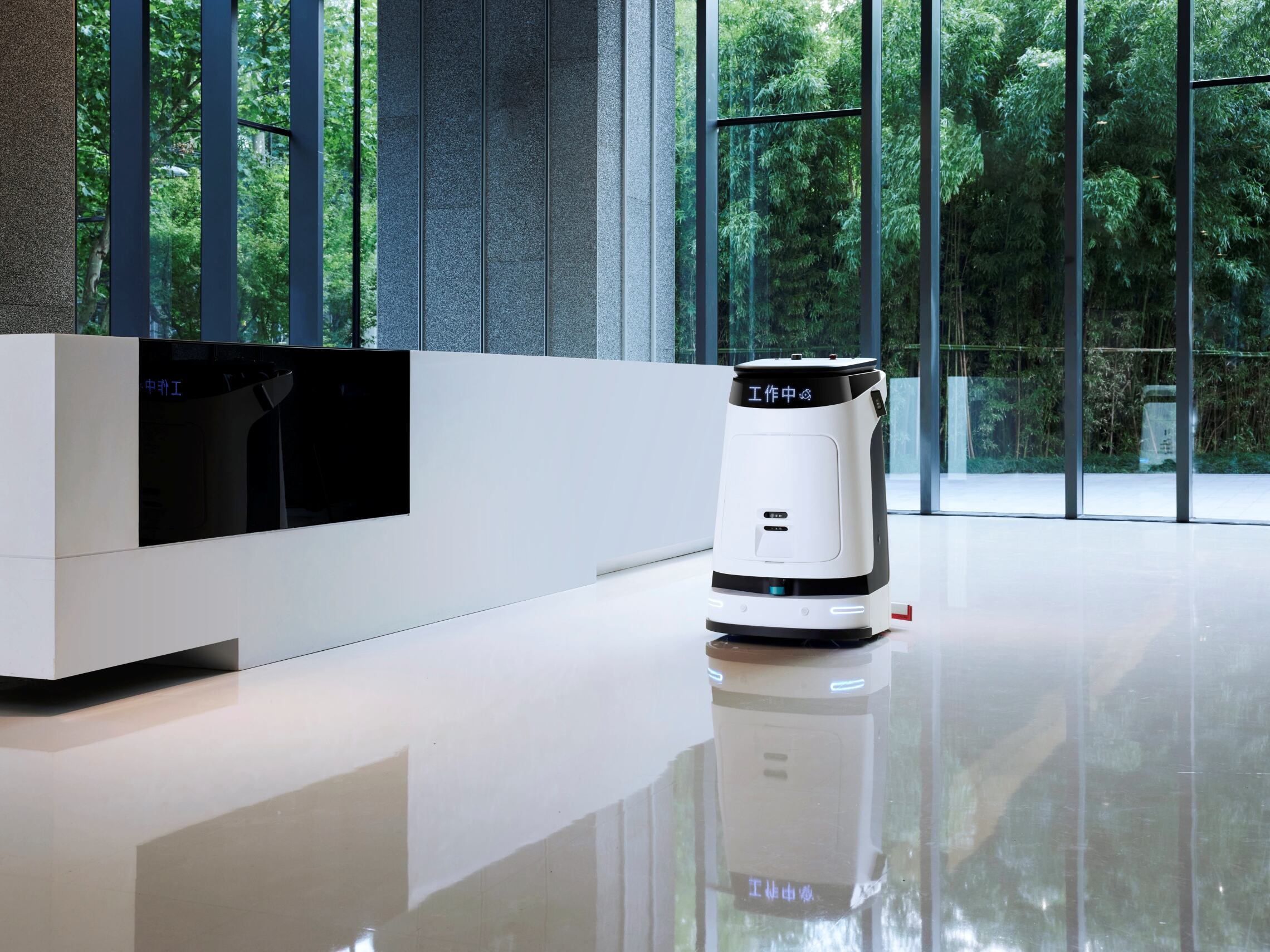
Investing in a commercial floor scrubber machine represents one of the most significant decisions facility managers face when evaluating cleaning equipment budgets. These powerful cleaning systems have revolutionized how businesses maintain their floors, offering unprecedented efficiency compared to traditional mopping methods. The question isn't whether your facility needs professional floor cleaning equipment, but rather which commercial floor scrubber machine delivers the optimal balance of upfront investment and long-term operational benefits. Understanding the true cost versus benefit equation requires examining not just the initial purchase price, but the comprehensive impact on labor costs, cleaning effectiveness, and facility maintenance over time.
Initial Investment Analysis for Commercial Floor Cleaning Equipment
Purchase Price Considerations Across Different Models
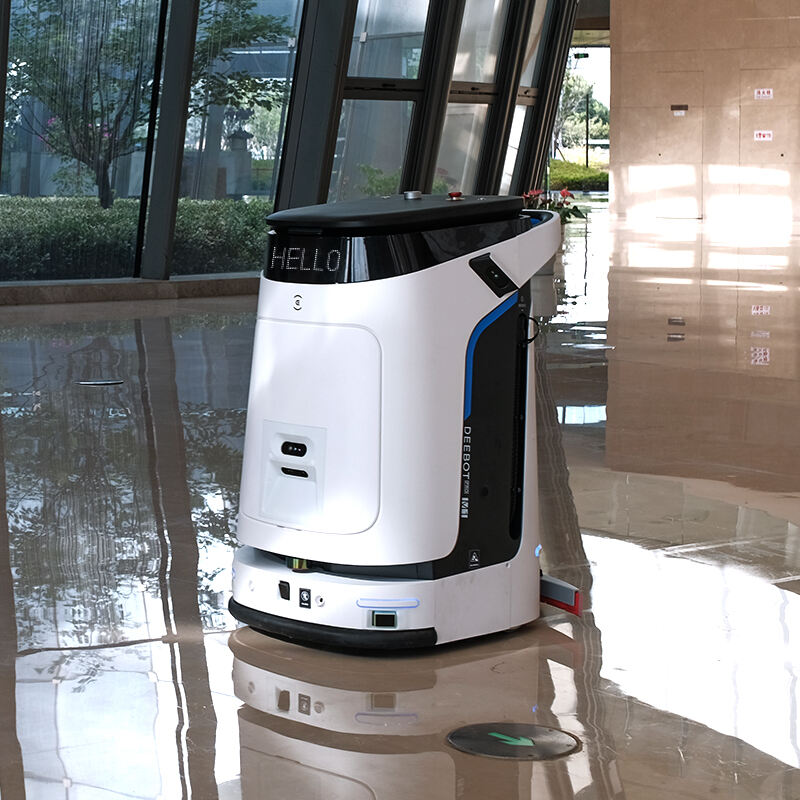
The upfront cost of a commercial floor scrubber machine varies dramatically depending on size, features, and automation level. Walk-behind models typically range from $3,000 to $8,000, while ride-on units can cost between $15,000 and $50,000. Robotic commercial floor scrubber machine options represent the premium end of the market, with prices ranging from $20,000 to $80,000 depending on sophistication and coverage area. These price ranges reflect significant differences in cleaning capacity, durability, and technological integration that directly impact long-term value propositions.
When evaluating purchase prices, facility managers must consider the total cost of ownership rather than just the initial expenditure. Higher-priced units often incorporate advanced features like automated navigation, real-time monitoring, and predictive maintenance alerts that reduce operational complexity. The commercial floor scrubber machine market has evolved to offer financing options, leasing programs, and service packages that can significantly impact the effective cost structure. Understanding these financial arrangements helps organizations align equipment investments with cash flow requirements and operational budgets.
Hidden Costs and Additional Equipment Requirements
Beyond the base unit price, commercial floor scrubber machine ownership involves several additional costs that impact the total investment calculation. Replacement parts, specialized cleaning solutions, and consumable items like brushes and squeegees represent ongoing expenses that accumulate over the equipment lifecycle. Training costs for operators, particularly with advanced robotic systems, can add thousands of dollars to the initial implementation budget. Storage requirements, charging infrastructure for battery-powered units, and potential facility modifications should be factored into comprehensive cost projections.
Insurance considerations also influence the true cost of commercial floor scrubber machine ownership, as these valuable assets require appropriate coverage for theft, damage, and liability protection. Maintenance agreements, while optional, often provide cost predictability and ensure optimal performance throughout the equipment lifecycle. The complexity of calculating total ownership costs underscores the importance of working with experienced suppliers who can provide detailed cost breakdowns and realistic operational projections based on facility-specific requirements and usage patterns.
Operational Cost Reduction Through Automated Floor Cleaning
Labor Cost Savings and Efficiency Improvements
The most significant benefit of implementing a commercial floor scrubber machine lies in dramatic labor cost reductions compared to manual cleaning methods. Traditional mopping requires multiple staff members working extended shifts to cover large floor areas, while automated scrubbing systems can accomplish the same tasks with minimal supervision. A robotic commercial floor scrubber machine can clean up to 10,000 square feet per hour without human intervention, compared to 1,500-2,000 square feet per hour for manual methods. This efficiency translates to immediate payroll savings and allows cleaning staff to focus on higher-value tasks requiring human expertise.
Labor cost calculations must account for not just hourly wages, but also benefits, training time, and productivity variations between different cleaning methods. Commercial floor scrubber machine deployment reduces dependency on finding and retaining specialized cleaning staff, a challenge many facilities face in today's competitive labor market. The consistency of automated cleaning eliminates variations in quality and coverage that commonly occur with manual processes, ensuring reliable results regardless of staff availability or experience levels.
Chemical and Supply Cost Optimization
Modern commercial floor scrubber machine systems optimize cleaning solution usage through precise dispensing mechanisms and recycling capabilities. These machines typically use 50-70% less cleaning chemicals compared to traditional mopping, as they apply solutions more efficiently and recover dirty water for proper disposal. The controlled application prevents waste from over-application and ensures consistent cleaning results across all floor surfaces. Advanced models incorporate solution mixing systems that automatically dilute concentrates to optimal ratios, eliminating guesswork and reducing chemical consumption.
Water consumption represents another area where commercial floor scrubber machine technology delivers cost savings. Recycling systems capture and filter cleaning solutions for reuse, significantly reducing fresh water requirements and waste disposal costs. The environmental benefits of reduced chemical and water usage often align with corporate sustainability goals while generating measurable cost reductions. Facility managers report 30-50% reductions in cleaning supply costs within the first year of commercial floor scrubber machine implementation, making supply optimization one of the most immediate benefits.
Performance Benefits and Quality Improvements
Cleaning Effectiveness and Consistency Standards
Commercial floor scrubber machine technology delivers superior cleaning results compared to manual methods through mechanical action, controlled solution application, and immediate soil recovery. The combination of rotating brushes, consistent downward pressure, and continuous solution flow removes embedded dirt and stains that traditional mopping cannot address effectively. Automated systems maintain consistent cleaning patterns and dwell times, ensuring uniform results across entire floor surfaces without the variations common in manual cleaning processes.
Quality consistency becomes particularly important in healthcare, food service, and manufacturing environments where cleanliness standards directly impact safety and regulatory compliance. A commercial floor scrubber machine provides documented cleaning cycles, solution usage records, and coverage maps that support audit requirements and quality assurance programs. The ability to maintain consistent cleaning standards regardless of staff availability or training levels represents a significant operational advantage for facilities requiring reliable cleanliness outcomes.
Time Savings and Scheduling Flexibility
The speed advantage of commercial floor scrubber machine systems transforms cleaning schedules and operational flexibility for busy facilities. Robotic units can operate during off-hours without supervision, completing cleaning tasks while buildings are unoccupied and eliminating disruptions to normal business operations. This scheduling flexibility allows facilities to maintain higher cleanliness standards without impacting productivity or customer experience during peak operating hours.
Time savings extend beyond the actual cleaning process to include setup, breakdown, and transition between areas. Modern commercial floor scrubber machine designs minimize preparation time and allow rapid deployment across different floor types and areas. The ability to complete comprehensive floor cleaning in significantly less time enables more frequent cleaning cycles, supporting higher hygiene standards and better facility appearance without proportional increases in labor costs or operational disruption.
Return on Investment Analysis and Payback Periods
Calculating ROI for Different Facility Types
Return on investment calculations for commercial floor scrubber machine purchases must account for facility-specific variables including floor area, cleaning frequency requirements, current labor costs, and operational schedules. Large facilities with extensive hard flooring typically achieve payback periods of 18-36 months through labor savings alone, while smaller operations may require 3-5 years to realize full cost recovery. Healthcare facilities often experience faster payback due to stringent cleaning requirements and higher labor costs associated with specialized cleaning protocols.
ROI calculations should include both direct cost savings and indirect benefits such as improved facility appearance, reduced liability exposure, and enhanced operational efficiency. Commercial floor scrubber machine deployment often enables facilities to reduce cleaning staff or reallocate labor to higher-value maintenance tasks, creating additional value beyond direct cleaning cost reductions. The compound effect of multiple benefit categories typically results in total returns that significantly exceed simple labor cost replacement calculations.
Long-term Value Creation Through Equipment Durability
Quality commercial floor scrubber machine systems provide 7-10 years of reliable service with proper maintenance, creating sustained value long after initial payback periods. The durability of professional-grade equipment ensures consistent performance throughout the operational lifecycle, maintaining cleaning effectiveness and cost savings over extended periods. Advanced diagnostic systems and predictive maintenance features help optimize equipment lifespan and prevent costly unexpected failures that could disrupt cleaning operations.
Residual equipment value also contributes to long-term investment returns, as well-maintained commercial floor scrubber machine units retain significant worth in secondary markets. The established track record of leading manufacturers supports strong resale values and provides options for equipment upgrades or fleet modifications as facility requirements evolve. This residual value component enhances overall investment returns and provides financial flexibility for future equipment decisions.
Environmental and Safety Considerations
Sustainability Benefits and Environmental Impact
Modern commercial floor scrubber machine technology contributes significantly to environmental sustainability through reduced chemical consumption, water conservation, and improved waste management practices. Automated systems optimize resource usage through precise application controls and recovery mechanisms that minimize environmental impact while maintaining superior cleaning results. The reduction in packaging waste from concentrated cleaning solutions and decreased frequency of supply deliveries further supports sustainability objectives.
Energy efficiency represents another environmental advantage of contemporary commercial floor scrubber machine designs, with battery-powered units offering clean operation without emissions or noise pollution. Advanced battery management systems maximize operational runtime while minimizing energy consumption, supporting green building certifications and corporate environmental initiatives. The ability to operate during off-peak electricity hours can also reduce energy costs and support grid stability in facilities with time-of-use utility rates.
Workplace Safety Improvements and Risk Reduction
Commercial floor scrubber machine deployment significantly reduces workplace safety risks associated with manual floor cleaning, including slip and fall hazards, chemical exposure, and repetitive strain injuries. Automated systems eliminate the need for workers to handle heavy mop buckets, work in awkward positions, or be exposed to cleaning solution vapors during extended cleaning cycles. The immediate recovery of cleaning solutions reduces slip hazards and creates safer walking surfaces throughout the cleaning process.
Safety benefits extend to reduced liability exposure for facilities, as consistent cleaning results and documented processes support risk management programs. Commercial floor scrubber machine systems provide detailed operational logs that can be valuable in insurance claims or regulatory inspections, demonstrating compliance with safety protocols and maintenance standards. The predictable operation of automated systems also eliminates safety risks associated with human error or inconsistent cleaning procedures.
Technology Integration and Future-Ready Features
Smart Connectivity and Data Analytics
Advanced commercial floor scrubber machine models incorporate Internet of Things connectivity and data analytics capabilities that transform cleaning operations from reactive to predictive maintenance approaches. Real-time monitoring systems track equipment performance, cleaning coverage, solution usage, and maintenance requirements, providing facility managers with comprehensive operational insights. Cloud-based dashboards enable remote monitoring and management of cleaning operations across multiple locations, supporting centralized facility management strategies.
Data analytics from commercial floor scrubber machine operations support continuous improvement initiatives by identifying optimization opportunities, usage patterns, and maintenance trends. Predictive algorithms can anticipate equipment service needs, optimize cleaning schedules based on traffic patterns, and adjust operational parameters for maximum efficiency. The integration of cleaning data with broader facility management systems creates comprehensive operational intelligence that supports strategic decision-making and resource allocation.
Automation Evolution and Scalability Options
The commercial floor scrubber machine market continues evolving toward greater automation and artificial intelligence integration, with newer models offering autonomous navigation, obstacle avoidance, and adaptive cleaning protocols. These technological advances promise even greater efficiency improvements and reduced operational complexity as the technology matures. Early adoption of advanced automation positions facilities to benefit from ongoing technological improvements through software updates and modular hardware enhancements.
Scalability considerations become increasingly important as facilities grow or change operational requirements over time. Modern commercial floor scrubber machine systems offer modular designs and fleet management capabilities that support expansion without requiring complete equipment replacement. The ability to integrate new units seamlessly with existing systems provides operational flexibility and protects initial technology investments as facility needs evolve.
FAQ
What factors should I consider when choosing between different commercial floor scrubber machine types
The choice between walk-behind, ride-on, and robotic commercial floor scrubber machine options depends primarily on your facility size, layout complexity, and operational requirements. Walk-behind models work well for areas under 20,000 square feet with frequent obstacles, while ride-on units excel in large, open spaces exceeding 30,000 square feet. Robotic systems provide optimal value for facilities requiring after-hours cleaning or consistent coverage without supervision. Consider your current labor costs, cleaning frequency needs, and available storage space when evaluating different machine types.
How long does it typically take to see return on investment from a commercial floor scrubber machine
Most facilities achieve payback on commercial floor scrubber machine investments within 2-4 years through labor savings, reduced supply costs, and improved operational efficiency. Larger facilities with extensive hard flooring often see faster returns, sometimes within 18-24 months, while smaller operations may require 3-5 years for full cost recovery. The actual payback period depends on current cleaning costs, facility size, usage frequency, and the specific machine type selected. Include both direct cost savings and indirect benefits like improved cleaning quality and reduced liability when calculating total return on investment.
What ongoing maintenance costs should I budget for commercial floor cleaning equipment
Annual maintenance costs for commercial floor scrubber machine ownership typically range from 8-15% of the initial purchase price, including replacement brushes, squeegees, filters, and periodic service appointments. Battery replacement may be required every 3-5 years for battery-powered units, representing a significant but predictable expense. Many manufacturers offer maintenance agreements that provide cost predictability and ensure optimal performance throughout the equipment lifecycle. Budget approximately $2,000-5,000 annually for maintenance on most commercial units, with higher costs for larger or more complex robotic systems.
Can commercial floor scrubber machines work effectively on all floor types
Modern commercial floor scrubber machine systems work effectively on most hard flooring surfaces including tile, concrete, vinyl, sealed hardwood, and specialized industrial flooring. Different brush types and cleaning solutions optimize performance for specific floor materials, with adjustable pressure settings accommodating delicate or heavily textured surfaces. However, unsealed wood, carpet, and certain specialty flooring may require alternative cleaning methods. Consult with equipment specialists to ensure compatibility with your specific flooring types and identify any necessary accessories or modifications for optimal cleaning results across all facility areas.
Table of Contents
- Initial Investment Analysis for Commercial Floor Cleaning Equipment
- Operational Cost Reduction Through Automated Floor Cleaning
- Performance Benefits and Quality Improvements
- Return on Investment Analysis and Payback Periods
- Environmental and Safety Considerations
- Technology Integration and Future-Ready Features
-
FAQ
- What factors should I consider when choosing between different commercial floor scrubber machine types
- How long does it typically take to see return on investment from a commercial floor scrubber machine
- What ongoing maintenance costs should I budget for commercial floor cleaning equipment
- Can commercial floor scrubber machines work effectively on all floor types