
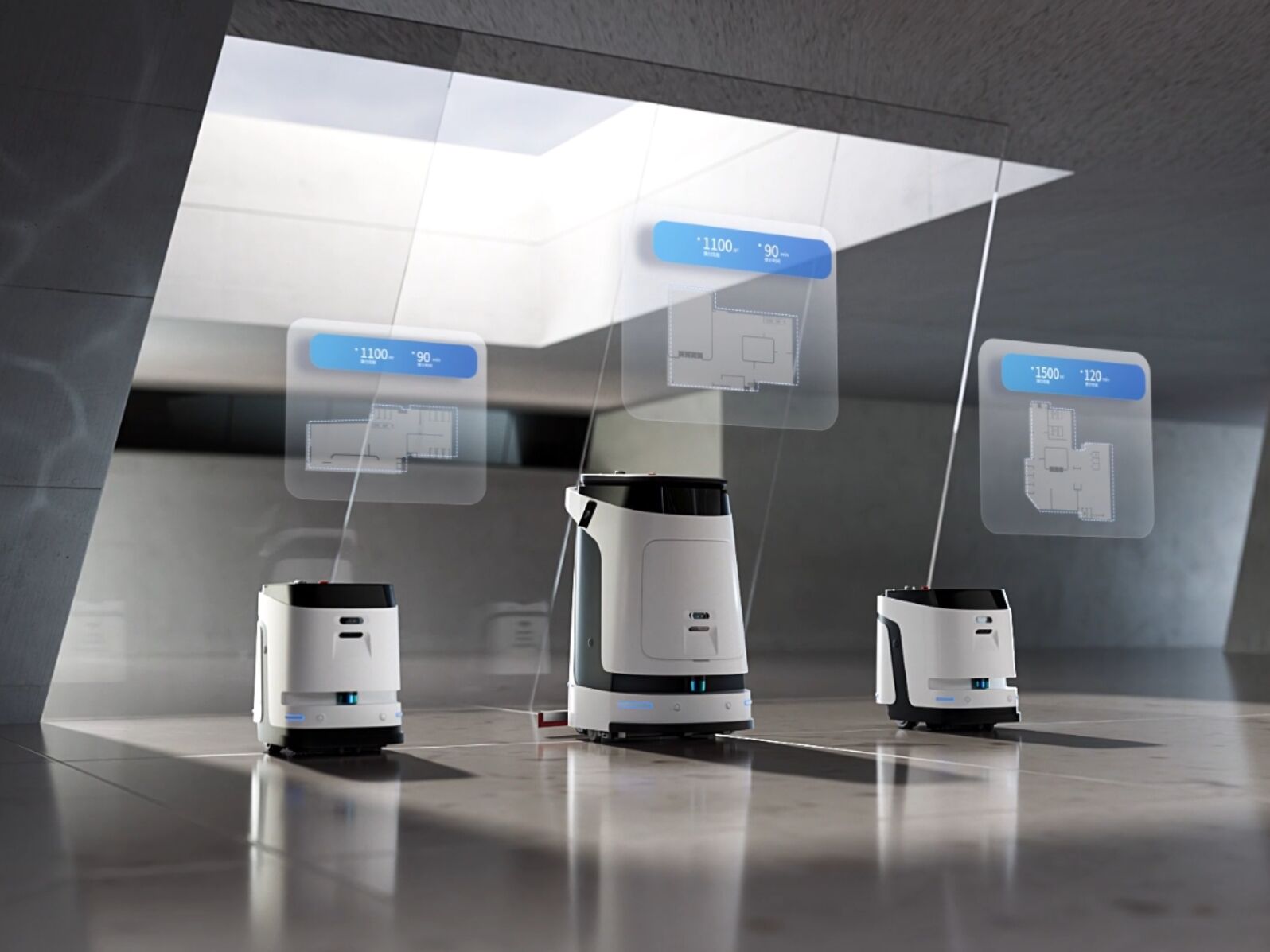
Modern manufacturing facilities face constant challenges in maintaining cleanliness standards while maximizing operational efficiency. An industrial robot vacuum represents a revolutionary solution that addresses these concerns by automating floor cleaning processes in demanding factory environments. These advanced machines combine cutting-edge technology with robust engineering to deliver consistent cleaning performance across diverse industrial settings. Manufacturing leaders increasingly recognize that investing in automated cleaning solutions not only improves workplace safety but also enhances overall productivity by reducing manual labor requirements and ensuring continuous facility maintenance.
Advanced Navigation and Mapping Systems
LiDAR Technology Integration
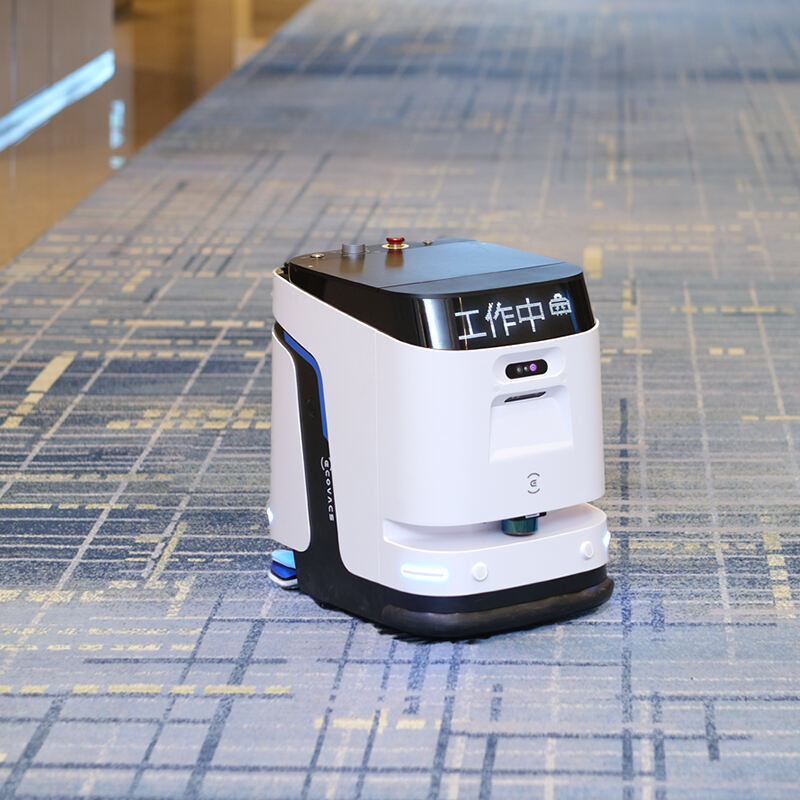
State-of-the-art industrial robot vacuum systems utilize sophisticated LiDAR technology to create precise three-dimensional maps of factory floors. This advanced sensing capability enables machines to navigate complex industrial environments with remarkable accuracy, identifying obstacles, machinery, and designated cleaning zones. The real-time mapping functionality ensures optimal cleaning paths while avoiding collision with expensive equipment or personnel. Manufacturing facilities benefit from this technology as it reduces the need for human supervision and increases cleaning efficiency across large floor areas.
The precision mapping capabilities of modern systems allow for customizable cleaning schedules that adapt to production cycles and workflow patterns. Factory managers can program specific routes that align with operational requirements, ensuring thorough cleaning without interrupting critical manufacturing processes. This intelligent navigation system continuously updates facility maps, accommodating changes in equipment placement or layout modifications that commonly occur in dynamic industrial environments.
Multi-Floor Recognition Capabilities
Advanced industrial cleaning robots incorporate multi-floor recognition systems that automatically adjust cleaning parameters based on surface types and contamination levels. These intelligent machines can differentiate between concrete floors, epoxy coatings, and specialized industrial flooring materials, optimizing suction power and brush settings accordingly. The adaptive recognition technology ensures consistent cleaning results across diverse floor surfaces commonly found in manufacturing facilities.
This sophisticated feature eliminates the need for manual adjustments when transitioning between different floor areas, saving valuable time and ensuring comprehensive cleaning coverage. The system's ability to recognize and adapt to various flooring materials demonstrates the advanced engineering that makes these machines suitable for complex industrial applications where surface types vary significantly throughout the facility.
Heavy-Duty Construction and Durability
Industrial-Grade Materials
The construction quality of an industrial robot vacuum directly impacts its longevity and performance in demanding manufacturing environments. Premium models feature reinforced steel chassis, impact-resistant housings, and components specifically engineered to withstand the harsh conditions typical of industrial settings. These robust materials ensure reliable operation even when exposed to temperature fluctuations, vibrations from machinery, and occasional impacts that occur in busy factory environments.
Manufacturers prioritize durability by incorporating corrosion-resistant coatings and sealed components that protect internal electronics from dust, moisture, and chemical exposure. This attention to construction quality translates into reduced maintenance requirements and extended operational lifespans, providing excellent return on investment for facilities that require dependable cleaning automation solutions.
Enhanced Motor and Component Protection
Industrial-grade cleaning robots feature specially designed motor housings and filtration systems that prevent contamination from affecting critical internal components. These protective measures ensure consistent performance even in environments with high levels of particulate matter or industrial debris. The enhanced protection systems extend component life and reduce the frequency of maintenance interventions, making these machines ideal for continuous operation in demanding industrial applications.
Advanced thermal management systems regulate internal temperatures, preventing overheating during extended cleaning cycles common in large manufacturing facilities. This thermal protection ensures optimal motor performance and prevents premature component failure, maintaining cleaning efficiency throughout demanding operational schedules that industrial environments typically require.
High-Capacity Debris Collection Systems
Large-Volume Dust Bins
Industrial applications demand robust debris collection capabilities that can handle substantial amounts of dirt, dust, and manufacturing residue without frequent emptying. Modern industrial robot vacuum models incorporate oversized collection chambers that significantly exceed residential counterparts in capacity. These large-volume systems enable extended cleaning cycles without interruption, maximizing efficiency in facilities that generate considerable amounts of debris during manufacturing processes.
The enhanced collection capacity reduces labor requirements for maintenance personnel while ensuring continuous cleaning coverage throughout extended production shifts. Factory managers appreciate this feature as it minimizes operational disruptions and maintains consistent cleanliness standards without requiring frequent human intervention for debris disposal.
Advanced Filtration Technology
Sophisticated filtration systems incorporated in industrial cleaning robots capture fine particulates and allergens that traditional cleaning methods often miss. HEPA-grade filters and multi-stage filtration processes ensure that collected debris remains securely contained while preventing redistribution of contaminants into the facility atmosphere. This advanced filtration capability is particularly valuable in manufacturing environments where air quality standards are critical for product quality and worker health.
The multi-layer filtration approach includes primary separation chambers, fine particle filters, and exhaust filtration systems that work together to maintain clean air circulation during cleaning operations. This comprehensive filtration technology supports compliance with industrial hygiene standards while contributing to overall facility cleanliness and air quality improvement.
Powerful Suction and Cleaning Performance
Variable Suction Control
Professional-grade industrial robot vacuum systems feature adjustable suction power that adapts to different cleaning requirements and debris types encountered in manufacturing environments. This variable control capability ensures optimal cleaning performance while conserving energy during routine maintenance tasks. The intelligent suction adjustment responds automatically to debris density and surface conditions, maintaining consistent cleaning quality across diverse industrial floor areas.
Advanced models incorporate sensors that detect debris accumulation and automatically increase suction power when encountering heavy contamination areas. This responsive functionality ensures thorough cleaning without manual intervention, making these machines highly effective for maintaining cleanliness standards in dynamic industrial environments where debris levels vary significantly throughout the facility.
Specialized Brush Systems
Industrial cleaning robots utilize specialized brush configurations designed specifically for factory floor maintenance requirements. These brush systems incorporate rotating elements that effectively dislodge embedded debris while being gentle enough to avoid damaging sensitive floor coatings. The engineered brush patterns ensure comprehensive cleaning coverage while minimizing wear on both the machine components and facility flooring surfaces.
The brush systems feature replaceable components that maintain cleaning effectiveness throughout extended operational periods. This modular design approach reduces maintenance costs while ensuring consistent cleaning performance, making these machines cost-effective solutions for facilities requiring reliable automated floor maintenance capabilities.
Smart Scheduling and Automation Features
Production-Integrated Cleaning Cycles
Modern industrial robot vacuum systems offer sophisticated scheduling capabilities that integrate seamlessly with production workflows and operational requirements. These intelligent scheduling features allow facility managers to program cleaning cycles during low-activity periods, shift changes, or maintenance windows, maximizing cleaning efficiency without disrupting critical manufacturing processes. The flexible scheduling options accommodate complex operational patterns typical of modern industrial facilities.
Advanced systems can interface with facility management software to automatically adjust cleaning schedules based on production demands and workforce patterns. This integration capability ensures optimal resource utilization while maintaining consistent cleanliness standards throughout varying operational conditions that characterize dynamic manufacturing environments.
Remote Monitoring and Control
Contemporary industrial cleaning robots incorporate connectivity features that enable remote monitoring and control through mobile applications or web-based interfaces. These digital control systems allow facility managers to monitor cleaning progress, adjust operational parameters, and receive maintenance alerts from anywhere within the facility or remotely. The real-time monitoring capabilities provide valuable operational insights that support informed decision-making regarding facility maintenance strategies.
The remote control functionality includes diagnostic capabilities that help identify potential issues before they impact cleaning performance. This proactive monitoring approach reduces unexpected downtime while ensuring consistent cleaning coverage throughout the facility, supporting operational efficiency and maintaining high cleanliness standards.
Energy Efficiency and Battery Technology
Extended Battery Life
Industrial robot vacuum systems require robust battery technology to support extended cleaning cycles characteristic of large manufacturing facilities. Advanced lithium-ion battery systems provide sustained power delivery throughout demanding cleaning schedules while maintaining consistent suction performance. These high-capacity batteries enable continuous operation for several hours, accommodating the extensive floor areas typical of industrial environments without requiring frequent recharging interruptions.
The sophisticated battery management systems incorporated in these machines optimize power consumption patterns to extend operational time while protecting battery components from damage due to overcharging or deep discharge conditions. This intelligent power management ensures reliable performance throughout the battery lifecycle, reducing replacement costs and maintaining consistent cleaning capabilities.
Automatic Recharging Capabilities
Autonomous recharging features enable industrial cleaning robots to automatically return to charging stations when battery levels reach predetermined thresholds. This intelligent charging behavior ensures continuous availability for cleaning operations without requiring human intervention to manage power levels. The automatic recharging capability is particularly valuable in industrial settings where consistent cleaning coverage is essential for maintaining operational standards.
Advanced charging systems incorporate rapid charging technology that minimizes downtime while extending battery life through optimal charging protocols. These systems can resume cleaning operations quickly after recharging cycles, ensuring maximum cleaning coverage throughout extended operational periods typical of industrial facility requirements.
Safety Features and Compliance
Collision Avoidance Systems
Industrial robot vacuum systems incorporate comprehensive safety features designed to protect both equipment and personnel in busy manufacturing environments. Advanced collision avoidance systems utilize multiple sensor technologies to detect obstacles, moving equipment, and personnel, automatically adjusting cleaning paths to prevent accidents. These safety systems are critical in industrial settings where expensive machinery and worker safety must be protected during automated cleaning operations.
The multi-layered safety approach includes proximity sensors, visual detection systems, and emergency stop capabilities that ensure safe operation even in complex industrial environments. These safety features meet stringent industrial safety standards while providing peace of mind for facility managers responsible for maintaining safe working conditions.
Compliance with Industrial Standards
Professional-grade industrial robot vacuum systems are engineered to comply with relevant industrial safety and performance standards, ensuring suitability for regulated manufacturing environments. This compliance includes certifications for electromagnetic compatibility, noise levels, and safety protocols that align with industrial facility requirements. Meeting these standards ensures that automated cleaning systems integrate smoothly with existing facility operations without creating compliance issues.
The adherence to industrial standards also encompasses environmental considerations, including energy efficiency ratings and materials compatibility that support sustainable manufacturing practices. This comprehensive compliance approach makes these machines suitable for facilities operating under strict regulatory requirements while supporting corporate sustainability initiatives.
Maintenance and Service Features
User-Friendly Maintenance Design
Industrial robot vacuum systems feature maintenance-friendly designs that minimize service time and complexity, supporting efficient facility operations. Tool-free access to key components, clearly marked service points, and intuitive maintenance procedures enable facility staff to perform routine maintenance tasks without specialized training. This user-friendly approach reduces maintenance costs while ensuring consistent machine performance throughout operational lifecycles.
The modular component design facilitates quick replacement of wear items, minimizing downtime during maintenance activities. This approach to maintenance accessibility ensures that industrial robot vacuum systems remain operational and effective throughout demanding industrial cleaning applications, supporting continuous facility cleanliness standards.
Diagnostic and Alert Systems
Advanced diagnostic capabilities incorporated in modern industrial cleaning robots provide real-time monitoring of system performance and component condition. These intelligent monitoring systems generate alerts for preventive maintenance requirements, component wear indicators, and operational anomalies that could impact cleaning effectiveness. The proactive diagnostic approach helps facility managers optimize maintenance schedules while preventing unexpected equipment failures.
The comprehensive diagnostic systems include performance tracking features that provide valuable data regarding cleaning coverage, operational efficiency, and component utilization patterns. This information supports informed decision-making regarding facility maintenance strategies and helps optimize the return on investment for automated cleaning systems in industrial applications.
Integration with Facility Management Systems
IoT Connectivity and Data Analytics
Contemporary industrial robot vacuum systems incorporate Internet of Things connectivity that enables integration with broader facility management systems and data analytics platforms. This connectivity capability provides valuable operational insights, including cleaning coverage patterns, operational efficiency metrics, and maintenance requirements that support informed facility management decisions. The data analytics capabilities help optimize cleaning schedules and resource allocation while supporting continuous improvement initiatives.
The IoT integration enables real-time monitoring of cleaning operations across multiple facility areas, providing comprehensive visibility into automated cleaning system performance. This connectivity supports centralized facility management while enabling data-driven optimization of cleaning operations throughout industrial facilities of various sizes and complexities.
Scalability for Large Facilities
Industrial robot vacuum systems are designed with scalability considerations that accommodate facilities ranging from small manufacturing areas to extensive production complexes. The modular approach to system deployment enables facilities to implement automated cleaning solutions gradually, expanding coverage as operational requirements evolve. This scalable implementation approach makes industrial robot vacuum technology accessible to facilities of varying sizes while supporting future expansion plans.
The scalability features include fleet management capabilities that coordinate multiple cleaning robots across large facility areas, ensuring comprehensive coverage while optimizing operational efficiency. This multi-unit coordination capability makes industrial robot vacuum systems suitable for extensive manufacturing facilities that require comprehensive automated cleaning coverage throughout diverse operational areas.
FAQ
How do industrial robot vacuums differ from commercial cleaning robots
Industrial robot vacuum systems are specifically engineered for demanding manufacturing environments, featuring reinforced construction, enhanced debris capacity, and specialized filtration systems that exceed commercial cleaning robot specifications. These industrial-grade machines incorporate heavy-duty components, extended battery life, and advanced safety features designed to operate reliably in harsh conditions typical of factory environments, including temperature fluctuations, vibrations, and exposure to industrial debris.
What maintenance requirements should facilities expect with industrial robot vacuum systems
Industrial robot vacuum maintenance typically involves routine tasks such as emptying debris containers, cleaning or replacing filters, and inspecting brush components for wear. Advanced models feature user-friendly maintenance designs with tool-free access to key components and diagnostic systems that alert operators to maintenance requirements. Most systems require minimal daily maintenance while providing comprehensive diagnostic information that supports preventive maintenance scheduling and optimal operational performance.
Can industrial robot vacuum systems operate during production hours
Modern industrial robot vacuum systems incorporate advanced safety features and quiet operation capabilities that enable cleaning during production hours in many manufacturing environments. The sophisticated collision avoidance systems and intelligent navigation technology ensure safe operation around personnel and equipment, while programmable scheduling features allow cleaning cycles to be coordinated with production workflows to minimize operational disruptions while maintaining continuous facility cleanliness.
What return on investment can facilities expect from industrial robot vacuum implementation
Facilities typically experience significant return on investment through reduced labor costs, improved cleaning consistency, and enhanced operational efficiency when implementing industrial robot vacuum systems. The automated cleaning capabilities reduce manual labor requirements while ensuring continuous facility maintenance that supports improved workplace safety and compliance with cleanliness standards. Most facilities see measurable cost savings within the first year of implementation, with ongoing benefits including reduced maintenance overhead and improved facility appearance that supports professional operational standards.
Table of Contents
- Advanced Navigation and Mapping Systems
- Heavy-Duty Construction and Durability
- High-Capacity Debris Collection Systems
- Powerful Suction and Cleaning Performance
- Smart Scheduling and Automation Features
- Energy Efficiency and Battery Technology
- Safety Features and Compliance
- Maintenance and Service Features
- Integration with Facility Management Systems
-
FAQ
- How do industrial robot vacuums differ from commercial cleaning robots
- What maintenance requirements should facilities expect with industrial robot vacuum systems
- Can industrial robot vacuum systems operate during production hours
- What return on investment can facilities expect from industrial robot vacuum implementation