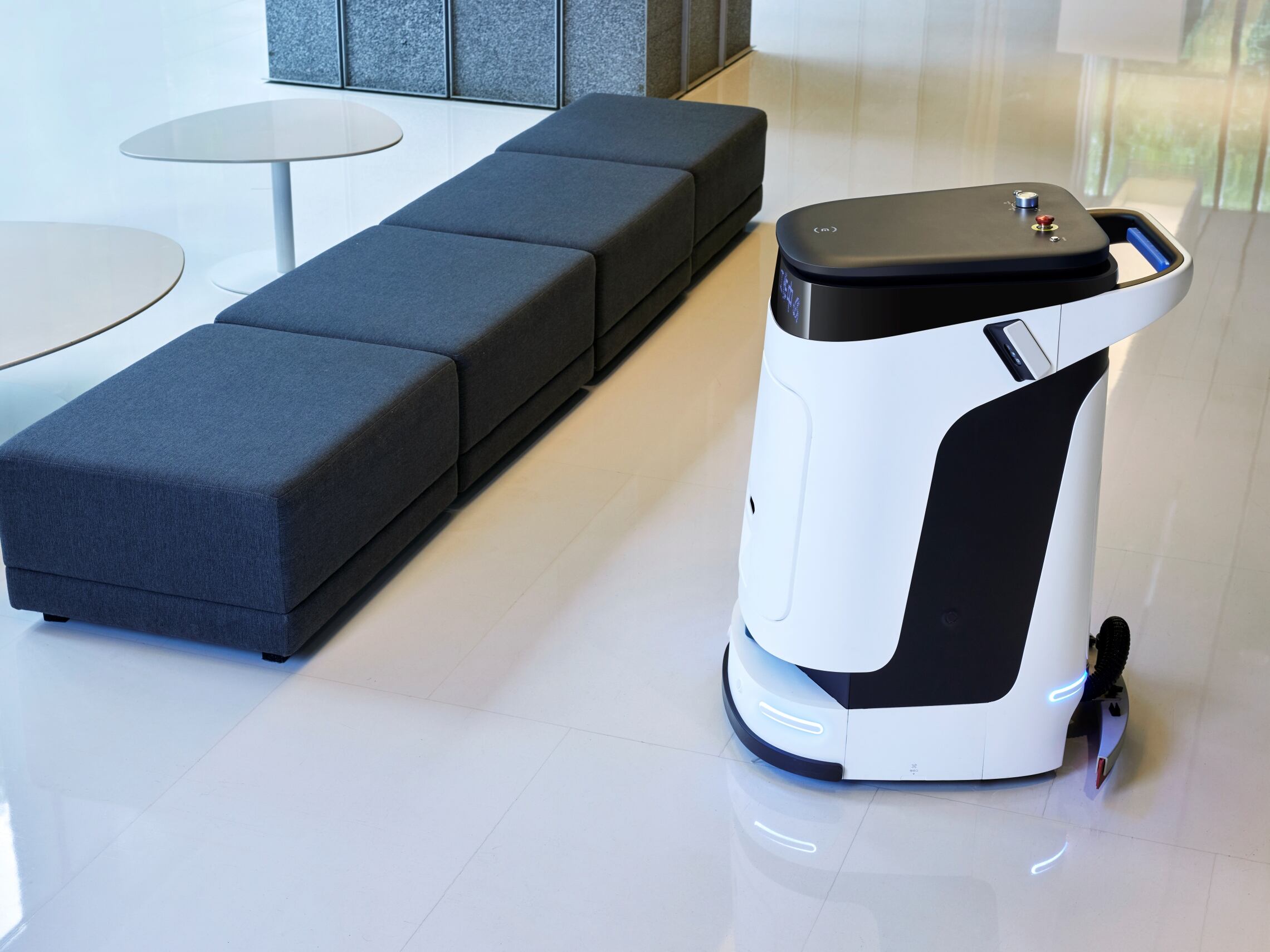
Modern manufacturing and commercial facilities face increasing pressure to maintain spotless floors while controlling operational costs. An industrial floor scrubber represents a strategic investment that delivers measurable returns through enhanced cleaning efficiency, reduced labor expenses, and improved workplace safety standards. Understanding the comprehensive return on investment helps facility managers make informed decisions about upgrading their cleaning equipment infrastructure.
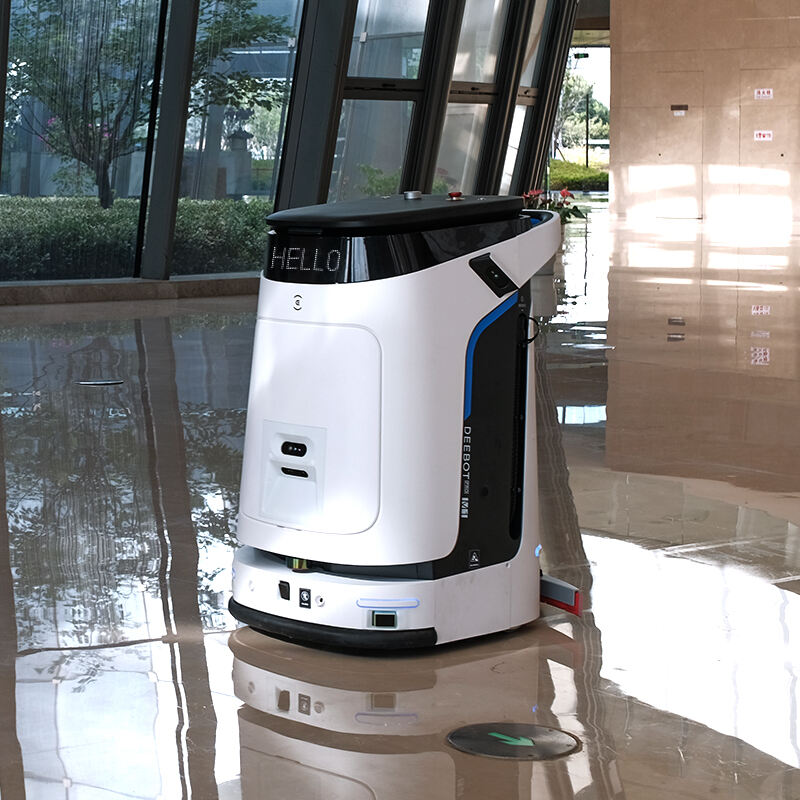
The financial benefits extend far beyond simple cost replacement calculations. Professional-grade cleaning equipment transforms maintenance operations through automated processes, consistent results, and reduced dependency on manual labor. These improvements translate directly into bottom-line savings while elevating overall facility presentation standards.
Labor Cost Reduction Analysis
Workforce Efficiency Optimization
Manual floor cleaning requires significant human resources, particularly in large commercial spaces. Traditional mopping methods typically cover 800-1,200 square feet per hour, depending on soil conditions and floor type. An industrial floor scrubber can clean 15,000-20,000 square feet per hour with superior results. This dramatic productivity increase allows facilities to reassign cleaning staff to other critical maintenance tasks or reduce overall labor requirements.
The time savings become particularly significant during overnight cleaning operations when labor costs include shift differentials. Automated cleaning equipment operates independently, eliminating the need for constant supervision while delivering consistent cleaning patterns. This operational efficiency translates into substantial monthly savings on payroll expenses.
Training and Skill Requirements
Professional cleaning equipment reduces the skill level required for effective floor maintenance. While manual cleaning techniques require extensive training to achieve consistent results, modern scrubbing machines feature intuitive controls and standardized operating procedures. This simplification reduces training costs and minimizes the impact of employee turnover on cleaning quality.
Standardized equipment operation also ensures consistent results regardless of the individual operator. This reliability eliminates variations in cleaning quality that often occur with manual methods, contributing to improved overall facility appearance and reduced complaints from building occupants.
Operational Efficiency Improvements
Chemical Consumption Optimization
Industrial floor scrubber systems utilize precise chemical metering systems that eliminate waste and ensure optimal cleaning solution concentrations. Manual cleaning methods often result in overuse of chemicals due to inconsistent mixing ratios and application techniques. Automated dispensing systems reduce chemical consumption by 20-30% while maintaining superior cleaning effectiveness.
The controlled chemical application also improves environmental compliance and reduces disposal costs associated with excess cleaning solutions. Many modern systems incorporate recycling features that filter and reuse cleaning solutions, further reducing chemical expenses and environmental impact.
Water Usage and Waste Management
Advanced scrubbing equipment incorporates water recovery systems that capture and filter used cleaning solutions for reuse. This technology dramatically reduces water consumption compared to traditional mopping methods that require frequent bucket changes and rinse cycles. Facilities typically see 40-50% reduction in water usage for floor cleaning operations.
The improved waste management also reduces sewage costs and environmental impact. Recovered water systems minimize the volume of contaminated water requiring disposal, contributing to sustainability goals while reducing operational expenses.
Maintenance and Equipment Longevity
Floor Surface Protection
Consistent, gentle cleaning action provided by industrial floor scrubber equipment helps preserve floor surfaces and extend their operational lifespan. Manual cleaning methods often involve aggressive scrubbing that can damage floor finishes and accelerate replacement cycles. Automated equipment applies consistent pressure and appropriate cleaning techniques that maintain floor integrity while achieving superior cleanliness.
Protected floor surfaces require less frequent refinishing and replacement, resulting in significant long-term cost savings. The preservation of floor appearance also maintains property values and reduces the need for emergency repairs or premature renovations.
Preventive Maintenance Benefits
Regular, thorough cleaning provided by professional equipment prevents the accumulation of damaging substances that can cause permanent floor damage. Consistent removal of oils, chemicals, and abrasive materials protects floor surfaces from degradation that would otherwise require expensive restoration treatments.
The systematic cleaning approach also identifies potential maintenance issues early, allowing for proactive repairs before major problems develop. This preventive approach reduces emergency repair costs and minimizes disruptions to facility operations.
Safety and Liability Considerations
Workplace Safety Enhancement
Clean, dry floors significantly reduce slip and fall accidents that represent major liability exposures for commercial facilities. Industrial floor scrubber equipment provides superior soil removal and faster drying times compared to manual cleaning methods. The improved traction and reduced moisture content create safer walking surfaces for employees and visitors.
Reduced accident rates translate directly into lower workers' compensation claims and insurance premiums. The quantifiable safety improvements often justify equipment investments through reduced liability costs alone, making the cleaning efficiency benefits additional value.
Compliance and Inspection Standards
Many industries face regulatory requirements for cleanliness standards that automated cleaning equipment helps maintain consistently. Food processing, healthcare, and manufacturing facilities must demonstrate compliance with strict sanitation protocols. Professional cleaning equipment provides documentation capabilities and consistent results that support regulatory compliance efforts.
The ability to maintain required cleanliness standards reduces risks of regulatory violations and associated penalties. Consistent compliance also supports facility certifications and quality management systems that contribute to business competitiveness.
Quantifying Return on Investment
Financial Calculation Framework
Calculating ROI for industrial floor scrubber investments requires comprehensive analysis of direct and indirect cost savings. Direct savings include reduced labor costs, chemical expenses, and water consumption. Indirect benefits encompass improved safety records, extended floor life, and enhanced facility appearance that supports business operations.
Most facilities achieve payback periods of 12-18 months through labor savings alone, with additional benefits extending the value proposition significantly. The combination of operational efficiency and cost reduction typically generates ROI exceeding 200% within the first three years of operation.
Long-term Value Creation
Beyond immediate cost savings, professional cleaning equipment contributes to long-term facility value through improved maintenance standards and operational efficiency. Well-maintained facilities command higher property values and rental rates while reducing vacancy periods and tenant complaints.
The enhanced operational efficiency also supports business growth by ensuring facilities can accommodate increased activity without proportional increases in cleaning costs. This scalability becomes particularly valuable as businesses expand their operations or facility usage intensity.
Implementation and Best Practices
Equipment Selection Criteria
Successful ROI realization depends on selecting appropriate equipment for specific facility requirements and usage patterns. Factors including floor surface types, soil conditions, and cleaning frequency determine optimal equipment specifications. Professional consultation ensures selection of systems that maximize efficiency and minimize operational challenges.
Consider total cost of ownership including initial purchase price, maintenance expenses, and consumable costs when evaluating options. Higher-quality equipment often provides superior long-term value through reduced maintenance requirements and extended operational life.
Staff Training and Change Management
Proper training ensures operators maximize equipment capabilities while minimizing operational issues. Comprehensive training programs should cover equipment operation, maintenance procedures, and safety protocols. Ongoing training updates help staff adapt to equipment improvements and maintain peak performance levels.
Change management processes help facilities transition from manual cleaning methods while maintaining operational continuity. Gradual implementation allows staff to adapt to new procedures while identifying optimization opportunities specific to facility requirements.
FAQ
What factors most significantly impact industrial floor scrubber ROI calculations
Labor cost reduction typically represents the largest component of ROI, often accounting for 60-70% of total savings. Facility size, cleaning frequency, and local labor rates directly influence these calculations. Chemical and water savings, safety improvements, and floor preservation provide additional value that varies based on facility-specific conditions and industry requirements.
How quickly can facilities expect to see return on their cleaning equipment investment
Most facilities achieve positive cash flow within 12-18 months through labor savings alone. Facilities with high cleaning requirements or expensive labor markets often see payback periods as short as 8-10 months. Additional benefits including safety improvements and floor preservation extend value realization over the equipment's operational life, typically 7-10 years with proper maintenance.
Are there industry-specific considerations that affect cleaning equipment ROI
Healthcare and food processing facilities often see accelerated ROI due to strict cleanliness requirements and high-cost compliance risks. Manufacturing environments with heavy soiling conditions benefit significantly from consistent cleaning performance that manual methods struggle to achieve. Retail and office environments typically realize returns through improved appearance standards and reduced labor requirements during non-business hours.
What ongoing costs should facilities budget for automated cleaning equipment
Regular maintenance costs typically range from 8-12% of initial equipment cost annually, including parts, labor, and consumables. Battery replacement for electric models occurs every 2-3 years depending on usage intensity. Facilities should also budget for operator training and occasional equipment upgrades to maintain optimal performance and take advantage of technological improvements.
Table of Contents
- Labor Cost Reduction Analysis
- Operational Efficiency Improvements
- Maintenance and Equipment Longevity
- Safety and Liability Considerations
- Quantifying Return on Investment
- Implementation and Best Practices
-
FAQ
- What factors most significantly impact industrial floor scrubber ROI calculations
- How quickly can facilities expect to see return on their cleaning equipment investment
- Are there industry-specific considerations that affect cleaning equipment ROI
- What ongoing costs should facilities budget for automated cleaning equipment