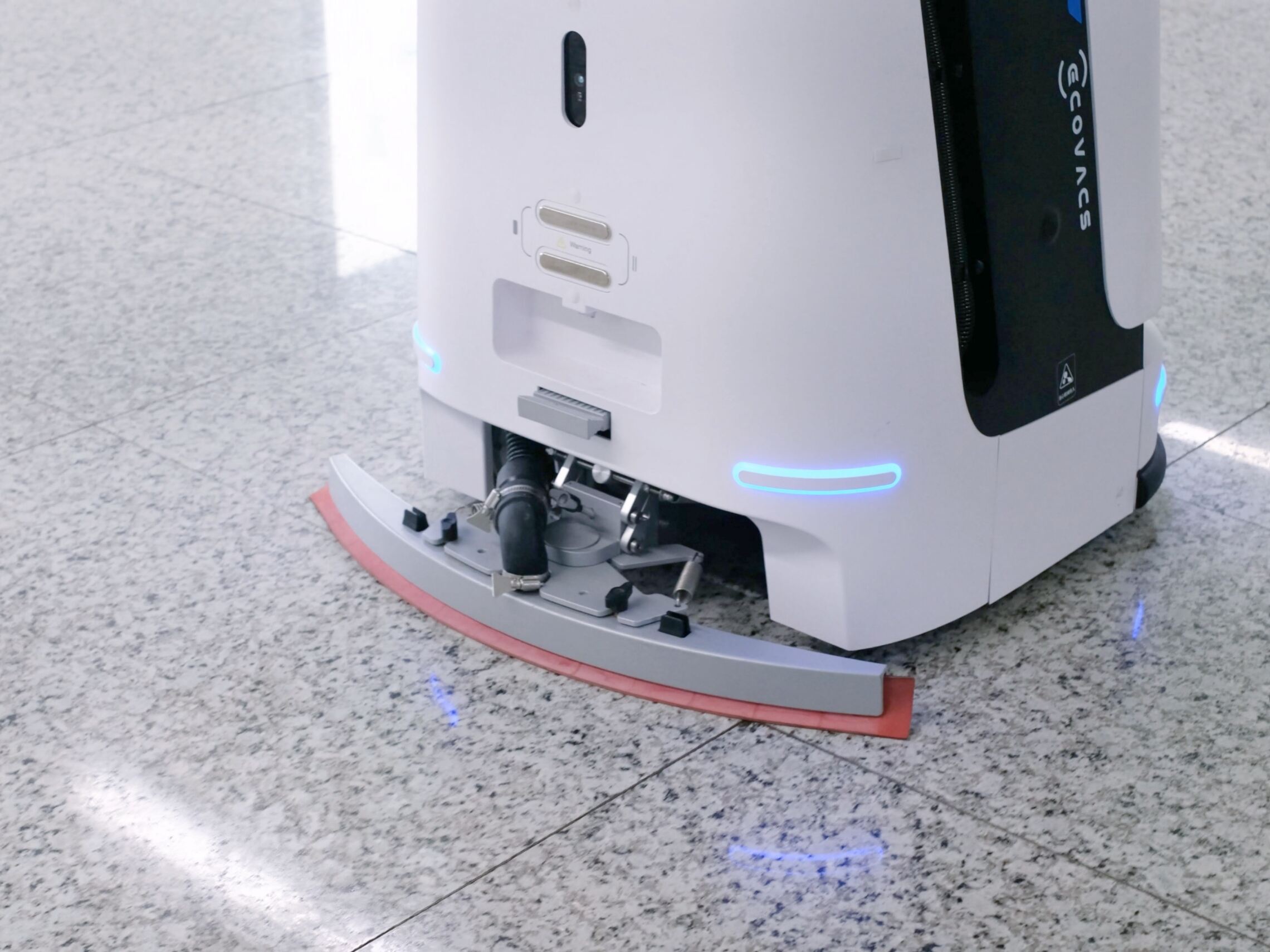
Modern industrial facilities face unprecedented challenges in maintaining clean, safe, and productive work environments. The evolution of commercial cleaning equipment has transformed how businesses approach floor maintenance, with advanced industrial floor scrubber systems leading the charge in operational efficiency. These sophisticated machines have become indispensable tools for facilities ranging from manufacturing plants to large retail spaces, where traditional cleaning methods simply cannot meet the demands of high-traffic areas.
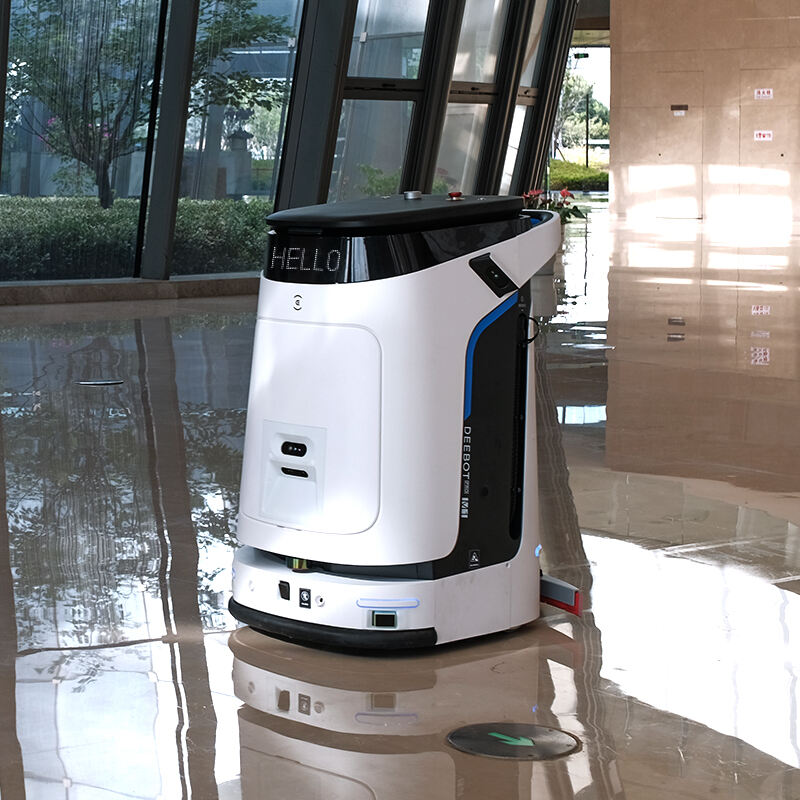
The investment in professional-grade cleaning equipment directly impacts both operational costs and workplace safety standards. Industrial floor scrubber technology has advanced significantly over the past decade, incorporating smart sensors, automated navigation systems, and enhanced cleaning mechanisms. These improvements deliver measurable results in cleaning efficiency while reducing labor costs and chemical consumption. The strategic implementation of automated cleaning solutions enables facility managers to allocate human resources to more critical tasks while maintaining consistent cleanliness standards.
Understanding the various types of industrial cleaning equipment available in today's market is crucial for making informed procurement decisions. Each facility presents unique challenges that require tailored solutions, from surface material compatibility to operational scheduling constraints. The selection process involves evaluating multiple factors including floor surface types, facility size, traffic patterns, and budget considerations. Modern industrial floor scrubber models offer versatile configurations that can adapt to diverse cleaning requirements across different industry sectors.
Advanced Technology Integration in Commercial Floor Cleaning
Robotic Navigation and Mapping Systems
Contemporary industrial floor scrubber units incorporate sophisticated mapping technologies that enable autonomous operation across complex facility layouts. These systems utilize laser guidance, computer vision, and artificial intelligence to navigate around obstacles while maintaining optimal cleaning patterns. The precision mapping capabilities ensure complete floor coverage without human intervention, significantly reducing operational overhead while maintaining consistent cleaning quality. Advanced sensors detect changes in surface conditions and automatically adjust cleaning parameters to optimize performance across different floor materials.
The integration of smart navigation systems eliminates the need for manual operation, allowing cleaning cycles to occur during off-peak hours without disrupting normal business operations. Machine learning algorithms continuously improve cleaning efficiency by analyzing facility layouts and identifying high-traffic areas that require additional attention. This technological advancement represents a fundamental shift from traditional cleaning methods toward intelligent, data-driven maintenance solutions that deliver superior results with minimal human oversight.
Environmental Monitoring and Adaptive Cleaning
Modern cleaning equipment incorporates environmental sensors that monitor floor conditions in real-time, enabling adaptive cleaning protocols based on actual contamination levels. These sensors detect variations in dirt accumulation, spill locations, and surface moisture content, automatically adjusting cleaning intensity and chemical application rates. The result is more efficient resource utilization while ensuring thorough cleaning performance across all areas of the facility. This intelligent approach minimizes waste while maximizing cleaning effectiveness.
The environmental monitoring capabilities extend beyond basic dirt detection to include air quality assessment and chemical vapor management. Advanced industrial floor scrubber systems monitor cleaning solution concentrations and adjust application rates to maintain optimal cleaning performance while minimizing environmental impact. These features align with corporate sustainability initiatives while delivering superior cleaning results that meet stringent health and safety standards.
Operational Efficiency and Cost Management
Labor Cost Reduction Strategies
The implementation of automated cleaning systems delivers substantial labor cost savings by eliminating the need for dedicated cleaning staff during regular operational hours. industrial floor scrubber technology enables facilities to maintain high cleanliness standards while redirecting human resources toward value-added activities. The reduction in manual cleaning requirements translates directly into decreased payroll expenses and improved operational margins.
Automated cleaning schedules can be programmed to operate during non-business hours, ensuring facilities are thoroughly cleaned without interrupting daily operations. This scheduling flexibility eliminates the need for cleaning crews to work around employees and customers, improving both cleaning efficiency and workplace productivity. The consistent application of cleaning protocols through automation also reduces variability in cleaning quality that often occurs with manual cleaning methods.
Chemical Usage Optimization
Precision chemical dispensing systems in modern cleaning equipment significantly reduce cleaning solution consumption while maintaining superior cleaning performance. These systems calculate optimal chemical concentrations based on soil conditions and surface types, eliminating waste associated with manual mixing and application. The controlled dispensing mechanism ensures consistent cleaning results while minimizing chemical costs and environmental impact. Advanced industrial floor scrubber models incorporate multiple cleaning solution tanks that enable targeted treatment of different contamination types.
The optimization of chemical usage extends beyond cost savings to include improved safety conditions for facility occupants. Automated systems eliminate exposure risks associated with manual chemical handling and mixing procedures. The precise application of cleaning solutions also reduces residue accumulation that can create slip hazards or indoor air quality concerns. These safety improvements contribute to reduced liability exposure and enhanced workplace conditions.
Surface Compatibility and Material Considerations
Multi-Surface Cleaning Capabilities
Contemporary industrial floor scrubber systems are engineered to handle diverse flooring materials commonly found in commercial and industrial environments. These machines automatically adjust brush pressure, rotation speed, and cleaning solution application based on surface material properties. The versatility enables single equipment units to clean everything from sealed concrete and vinyl composite tiles to specialized industrial coatings without risk of surface damage.
Surface detection technology ensures appropriate cleaning parameters are applied to each floor type within a facility, preventing damage that could result from incorrect settings. The adaptive cleaning approach maintains the integrity of expensive flooring installations while delivering thorough cleaning performance. This capability is particularly valuable in mixed-use facilities where different areas may have varying flooring requirements based on operational needs and safety considerations.
Specialized Treatment for High-Traffic Areas
High-traffic zones in industrial facilities require specialized cleaning approaches that address accelerated wear patterns and increased contamination levels. Advanced cleaning systems identify these areas through traffic pattern analysis and apply intensified cleaning protocols to maintain appearance and safety standards. The targeted approach ensures that heavily used areas receive appropriate attention while preventing over-cleaning in low-traffic zones.
The specialized treatment capabilities extend to dealing with specific types of industrial contamination such as oils, chemicals, and particulate matter. Modern industrial floor scrubber units incorporate multiple cleaning modes that can be automatically selected based on contamination type and severity. This adaptability ensures effective removal of various soil types while protecting floor surfaces from damage that could result from inappropriate cleaning methods.
Maintenance Requirements and Service Considerations
Preventive Maintenance Protocols
Successful implementation of automated cleaning systems requires comprehensive preventive maintenance programs that ensure reliable operation and extend equipment lifespan. Regular maintenance schedules include component inspection, fluid level monitoring, and performance calibration to maintain optimal cleaning effectiveness. The preventive approach minimizes unexpected downtime while preserving the substantial investment in cleaning equipment technology.
Modern equipment incorporates self-diagnostic capabilities that monitor system performance and alert maintenance personnel to potential issues before they result in equipment failure. These predictive maintenance features enable proactive service scheduling that minimizes operational disruptions while ensuring consistent cleaning performance. The integration of remote monitoring capabilities allows service technicians to assess equipment status and schedule maintenance activities efficiently.
Component Replacement and Upgrades
The modular design of contemporary cleaning equipment facilitates component replacement and system upgrades that extend operational lifespan and improve performance capabilities. Key consumable components such as brushes, squeegees, and filters are designed for quick replacement without requiring specialized tools or extensive downtime. This serviceability ensures that cleaning operations can continue with minimal interruption while maintaining peak performance standards.
Technology upgrade pathways enable facilities to enhance cleaning capabilities as new features become available, protecting the initial equipment investment while ensuring access to the latest cleaning innovations. Software updates can add new functionality and improve existing features without requiring hardware replacement. This evolutionary approach to equipment management provides long-term value while maintaining competitive cleaning performance.
Implementation Strategy and Best Practices
Facility Assessment and Planning
Successful deployment of industrial cleaning systems begins with comprehensive facility assessment that identifies specific cleaning requirements, operational constraints, and performance objectives. This evaluation process examines floor surface types, traffic patterns, contamination sources, and existing cleaning protocols to develop tailored implementation strategies. The thorough assessment ensures that selected equipment will meet facility-specific requirements while delivering optimal performance and return on investment.
The planning phase includes consideration of operational scheduling, staff training requirements, and integration with existing facility management systems. Proper planning addresses potential challenges such as equipment storage, charging infrastructure, and cleaning supply management. The comprehensive approach ensures smooth implementation while minimizing disruptions to normal facility operations during the transition to automated cleaning systems.
Staff Training and Change Management
The transition to automated cleaning systems requires comprehensive staff training programs that address both technical operation and safety considerations. Training protocols ensure that facility personnel can effectively operate, monitor, and maintain cleaning equipment while understanding the capabilities and limitations of automated systems. Proper training reduces the risk of equipment damage while maximizing the benefits of advanced cleaning technology.
Change management initiatives help facility staff adapt to new cleaning protocols and understand how automated systems enhance rather than replace human oversight. The successful integration of industrial floor scrubber technology requires clear communication about operational changes and the benefits they provide to both facility management and cleaning personnel. This approach ensures buy-in from all stakeholders while facilitating smooth adoption of new cleaning procedures.
FAQ
What factors should be considered when selecting an industrial floor scrubber for a manufacturing facility
The selection process should evaluate floor surface types, facility size, contamination levels, and operational scheduling requirements. Key considerations include cleaning width, battery life, chemical compatibility, and navigation capabilities. The chosen system should handle the specific types of industrial soils present in the facility while providing adequate coverage for the total floor area within acceptable time frames.
How do automated cleaning systems integrate with existing facility management protocols
Modern industrial floor scrubber systems offer connectivity options that enable integration with building management systems and facility maintenance software. These connections allow for remote monitoring, scheduling coordination, and performance reporting that align with existing operational procedures. The integration capabilities ensure that automated cleaning becomes part of comprehensive facility management rather than an isolated function.
What maintenance requirements are associated with robotic floor cleaning equipment
Regular maintenance includes daily cleaning of collection tanks, weekly brush and squeegee inspection, and monthly filter replacement. Battery maintenance and charging system care are critical for reliable operation. Most systems include self-diagnostic features that monitor component condition and alert operators to maintenance needs, simplifying the maintenance process while ensuring optimal performance.
How do industrial cleaning systems handle different types of floor contamination
Advanced systems incorporate multiple cleaning modes and adjustable parameters that address various contamination types including oils, chemicals, and particulate matter. Sensor technology identifies contamination levels and automatically adjusts cleaning intensity, chemical application, and brush pressure. This adaptive approach ensures effective cleaning while protecting floor surfaces from damage that could result from inappropriate cleaning methods.
Table of Contents
- Advanced Technology Integration in Commercial Floor Cleaning
- Operational Efficiency and Cost Management
- Surface Compatibility and Material Considerations
- Maintenance Requirements and Service Considerations
- Implementation Strategy and Best Practices
-
FAQ
- What factors should be considered when selecting an industrial floor scrubber for a manufacturing facility
- How do automated cleaning systems integrate with existing facility management protocols
- What maintenance requirements are associated with robotic floor cleaning equipment
- How do industrial cleaning systems handle different types of floor contamination