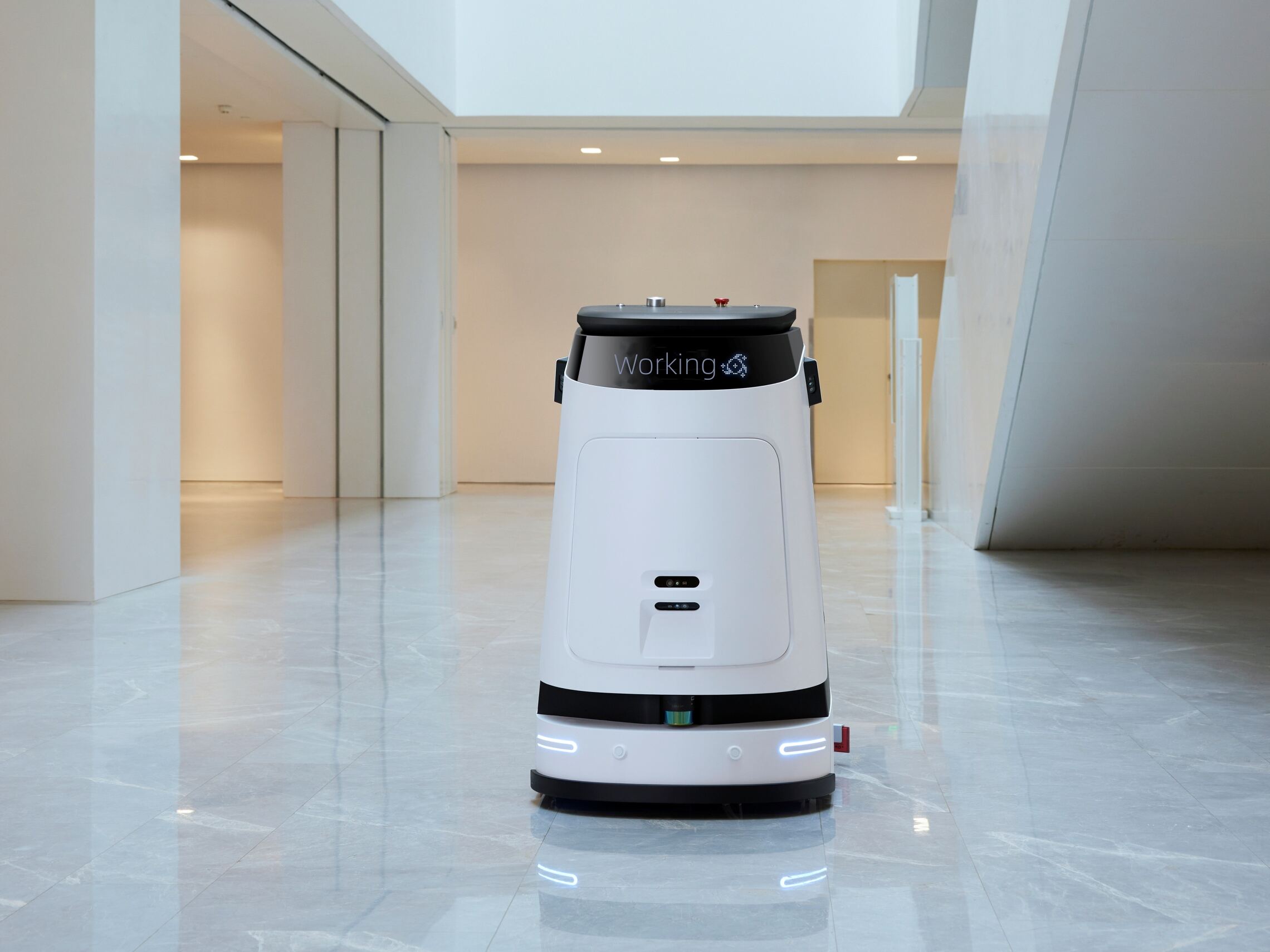
Selecting the right commercial floor cleaner is essential for maintaining professional facilities and ensuring optimal cleanliness standards across various business environments. Modern commercial spaces require powerful cleaning solutions that can handle heavy foot traffic, diverse flooring materials, and demanding hygiene requirements. The commercial floor cleaner market has evolved significantly, offering advanced technologies and specialized formulations designed to meet the unique challenges faced by facility managers, cleaning professionals, and business owners.
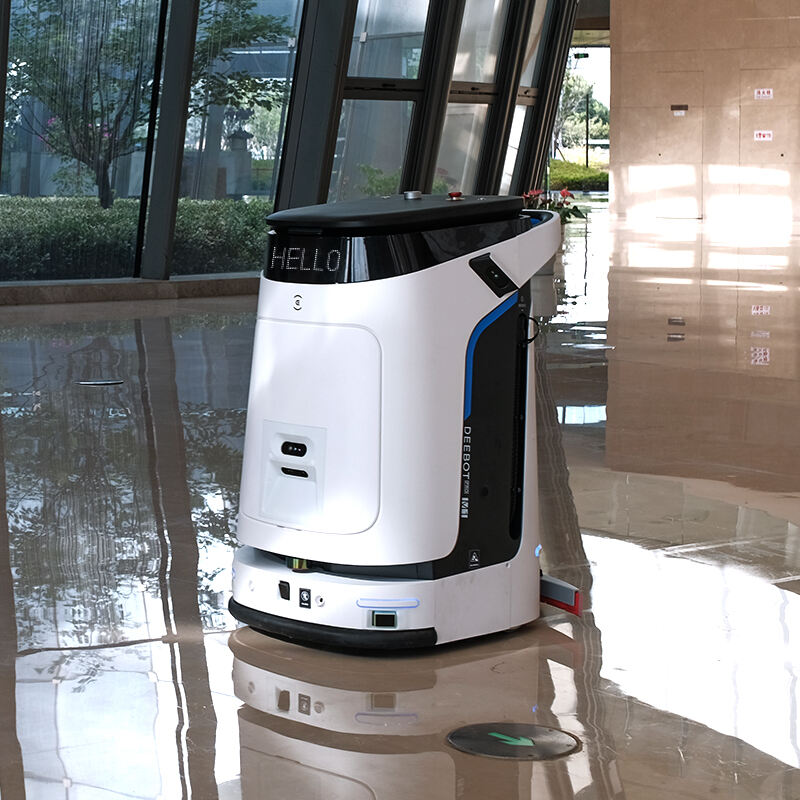
The importance of choosing an effective commercial floor cleaner cannot be overstated, as it directly impacts workplace safety, aesthetic appeal, and operational efficiency. Professional-grade cleaning equipment and solutions are specifically engineered to deliver consistent results while minimizing labor costs and reducing environmental impact. Understanding the key features and capabilities of leading commercial floor cleaner brands enables businesses to make informed decisions that align with their specific cleaning requirements and budget constraints.
Leading Commercial Floor Cleaner Technologies
Robotic Floor Cleaning Systems
The emergence of robotic commercial floor cleaner systems has revolutionized the cleaning industry by providing autonomous cleaning capabilities that operate efficiently without constant human supervision. These advanced systems incorporate sophisticated navigation technology, mapping capabilities, and intelligent sensors that enable them to navigate complex commercial environments while delivering thorough cleaning results. Robotic commercial floor cleaner units offer significant advantages in terms of labor reduction, consistent performance, and the ability to operate during off-hours when facilities are not in active use.
Modern robotic commercial floor cleaner technologies feature advanced water management systems, adjustable cleaning pressure settings, and integrated debris collection mechanisms. These systems can adapt to different flooring types and cleaning requirements, making them versatile solutions for diverse commercial applications. The precision and reliability of robotic commercial floor cleaner equipment make them particularly valuable for large facilities, healthcare environments, and retail spaces where consistent cleanliness is critical.
Traditional Mechanical Floor Scrubbers
Traditional mechanical commercial floor cleaner machines continue to play an important role in professional cleaning operations, offering powerful scrubbing action and immediate operator control. These systems typically feature rotating brushes or pads, adjustable water flow rates, and efficient squeegee systems for optimal water recovery. Walk-behind and ride-on commercial floor cleaner models provide different levels of productivity and are selected based on facility size, cleaning frequency, and operational requirements.
The reliability and proven performance of traditional commercial floor cleaner machines make them popular choices for businesses that require flexible cleaning schedules and immediate response to spills or contamination. These systems offer excellent value for facilities with experienced cleaning staff who can maximize the efficiency and effectiveness of manual operation. Advanced features such as adjustable brush pressure, multiple cleaning solution tanks, and ergonomic design elements enhance the overall performance and user experience of traditional commercial floor cleaner equipment.
Key Features of Professional Cleaning Equipment
Water Management and Recovery Systems
Effective water management is a crucial component of any high-quality commercial floor cleaner, as it directly impacts cleaning efficiency and floor drying times. Advanced water recovery systems ensure that excess moisture is thoroughly removed during the cleaning process, reducing slip hazards and minimizing the time required for floors to become safe for foot traffic. Professional commercial floor cleaner equipment typically features powerful vacuum systems and precisely engineered squeegee assemblies that maximize water pickup while maintaining optimal contact with various floor surfaces.
The integration of smart water management technology in modern commercial floor cleaner systems allows for precise control of solution dispensing and recovery rates. This precision helps optimize cleaning chemical usage, reduces waste, and ensures consistent cleaning results across different areas of a facility. Advanced commercial floor cleaner models may include sensors that automatically adjust water flow based on floor conditions, contamination levels, and cleaning speed, providing optimal performance while minimizing resource consumption.
Battery Technology and Runtime Performance
Battery technology has become increasingly important in the commercial floor cleaner market, as wireless operation provides greater flexibility and eliminates the constraints associated with power cord management. Modern lithium-ion battery systems offer extended runtime capabilities, rapid charging features, and consistent power delivery throughout the cleaning cycle. The integration of intelligent battery management systems in commercial floor cleaner equipment helps optimize energy usage and provides real-time monitoring of power levels and charging status.
Professional-grade commercial floor cleaner systems with advanced battery technology can typically operate for several hours on a single charge, making them suitable for large facilities and extended cleaning sessions. The ability to quickly recharge batteries during breaks or shift changes ensures maximum productivity and minimizes downtime. Some commercial floor cleaner models feature swappable battery systems that allow continuous operation by alternating between charged and depleted battery packs.
Industry Applications and Specialized Requirements
Healthcare and Medical Facilities
Healthcare environments present unique challenges for commercial floor cleaner systems due to strict hygiene requirements, infection control protocols, and the need for specialized cleaning solutions. Medical facilities require commercial floor cleaner equipment that can effectively remove biological contaminants, withstand frequent disinfection procedures, and operate quietly to minimize disruption to patients and staff. The selection of appropriate commercial floor cleaner technology for healthcare applications must consider factors such as chemical compatibility, ease of sanitization, and compliance with regulatory standards.
Advanced commercial floor cleaner systems designed for healthcare use often incorporate features such as sealed water tanks to prevent cross-contamination, specialized brush materials that resist bacterial growth, and integrated UV sterilization capabilities. The ability to use hospital-grade disinfectants and cleaning solutions is essential for commercial floor cleaner equipment in medical environments. These specialized systems must also provide detailed cleaning logs and documentation capabilities to support quality assurance programs and regulatory compliance requirements.
Retail and Commercial Spaces
Retail environments and commercial spaces require commercial floor cleaner solutions that can operate efficiently during business hours while minimizing disruption to customers and employees. The aesthetic appearance of flooring in retail spaces directly impacts customer perception and brand image, making consistent and thorough cleaning essential. Commercial floor cleaner systems for retail applications must be capable of handling diverse contaminants, from food spills to tracked-in dirt, while maintaining quiet operation and compact design for easy navigation around merchandise displays and customer areas.
The flexibility and adaptability of commercial floor cleaner equipment in retail environments are crucial for accommodating changing layouts, seasonal decorations, and varying cleaning schedules. Advanced commercial floor cleaner systems can be programmed to avoid specific areas during peak business hours and automatically adjust cleaning intensity based on foot traffic patterns. The integration of smart scheduling capabilities allows retail facilities to optimize cleaning operations while maintaining excellent floor appearance throughout business hours.
Maintenance and Operational Considerations
Preventive Maintenance Requirements
Regular maintenance is essential for ensuring optimal performance and longevity of commercial floor cleaner equipment. Preventive maintenance programs should include routine inspection of brush systems, water management components, and electrical systems to identify potential issues before they result in equipment failures. The design of modern commercial floor cleaner systems typically incorporates easily accessible maintenance points and user-friendly diagnostic features that simplify routine servicing and troubleshooting procedures.
Proper maintenance of commercial floor cleaner equipment includes regular cleaning of solution tanks, replacement of wear components, and calibration of cleaning systems to maintain peak performance. Advanced commercial floor cleaner models may include automated maintenance alerts and diagnostic systems that notify operators when specific maintenance tasks are required. The availability of comprehensive maintenance support and readily accessible replacement parts is an important consideration when selecting commercial floor cleaner equipment for long-term operation.
Training and Operational Efficiency
The effectiveness of commercial floor cleaner systems depends significantly on proper operator training and understanding of equipment capabilities. Comprehensive training programs should cover equipment operation, maintenance procedures, safety protocols, and optimization techniques for different cleaning scenarios. Modern commercial floor cleaner systems often feature intuitive control interfaces and automated functions that reduce the learning curve for new operators while maintaining the flexibility required for experienced cleaning professionals.
Operational efficiency with commercial floor cleaner equipment can be maximized through proper scheduling, route optimization, and integration with facility management systems. The ability to monitor cleaning performance, track equipment utilization, and analyze operational data helps facility managers optimize their commercial floor cleaner programs and identify opportunities for improvement. Advanced commercial floor cleaner systems may include connectivity features that enable remote monitoring and management of cleaning operations.
Cost Analysis and Return on Investment
Initial Investment Considerations
The initial cost of commercial floor cleaner equipment varies significantly based on features, capacity, and technology level, making careful evaluation essential for budget planning and procurement decisions. While advanced robotic commercial floor cleaner systems typically require higher upfront investment compared to traditional equipment, the potential for labor savings and operational efficiency improvements can provide substantial long-term value. A comprehensive cost analysis should consider equipment purchase price, installation requirements, training costs, and ongoing maintenance expenses.
Financing options and leasing programs are often available for commercial floor cleaner equipment, allowing businesses to access advanced cleaning technology while managing cash flow and budget constraints. The selection of appropriate commercial floor cleaner systems should align with facility requirements, cleaning frequency, and available resources to ensure optimal return on investment. Consideration of total cost of ownership, including energy consumption, consumables, and replacement parts, provides a more accurate assessment of long-term commercial floor cleaner expenses.
Labor Cost Reduction and Productivity Benefits
The implementation of efficient commercial floor cleaner systems can result in significant labor cost reductions through improved productivity and reduced manual cleaning requirements. Automated commercial floor cleaner equipment enables cleaning staff to focus on higher-value tasks while maintaining consistent floor cleanliness standards. The ability to operate commercial floor cleaner systems during off-hours or with minimal supervision further enhances labor efficiency and reduces operational costs.
Productivity improvements from advanced commercial floor cleaner technology extend beyond direct labor savings to include reduced cleaning time, improved consistency, and enhanced overall facility appearance. The reliability and effectiveness of professional commercial floor cleaner systems contribute to better workplace safety, reduced liability exposure, and improved employee satisfaction. These indirect benefits should be factored into the overall value proposition when evaluating commercial floor cleaner investments.
FAQ
What factors should be considered when selecting a commercial floor cleaner for a large facility
When selecting a commercial floor cleaner for large facilities, key factors include cleaning capacity, battery runtime, navigation capabilities, and maintenance requirements. The equipment should be able to cover extensive areas efficiently while maintaining consistent cleaning quality. Consider the types of flooring materials, typical contamination levels, and operational schedules to ensure the commercial floor cleaner system can meet your specific facility requirements. Advanced features such as automated scheduling, remote monitoring, and integration with facility management systems can provide additional value for large-scale operations.
How often should commercial floor cleaner equipment undergo maintenance
Commercial floor cleaner equipment maintenance frequency depends on usage intensity and environmental conditions, but daily cleaning and weekly inspections are generally recommended for optimal performance. Routine maintenance should include cleaning of solution tanks, brush inspection, and checking of key components for wear or damage. More comprehensive maintenance procedures, such as motor servicing and system calibration, should be performed monthly or quarterly based on manufacturer recommendations. Establishing a preventive maintenance schedule helps prevent unexpected equipment failures and ensures consistent cleaning performance.
What are the advantages of robotic versus traditional commercial floor cleaner systems
Robotic commercial floor cleaner systems offer advantages in labor reduction, consistency, and the ability to operate autonomously during off-hours, while traditional systems provide immediate operator control and flexibility for addressing specific cleaning challenges. Robotic systems excel in routine maintenance cleaning of large, open areas with predictable layouts, while traditional commercial floor cleaner equipment is often preferred for variable cleaning tasks and facilities requiring frequent manual intervention. The choice between robotic and traditional commercial floor cleaner systems should be based on facility characteristics, staffing resources, and operational requirements.
How do commercial floor cleaner systems handle different types of flooring materials
Modern commercial floor cleaner systems are designed to accommodate various flooring materials through adjustable brush pressure, selectable cleaning programs, and specialized pad or brush options. Most professional commercial floor cleaner equipment can effectively clean hard surfaces such as tile, concrete, vinyl, and sealed hardwood floors. Advanced systems may include sensors that automatically adjust cleaning parameters based on floor type, while others require manual adjustment of settings. Proper selection of cleaning solutions and accessories ensures optimal performance across different flooring materials while preventing damage or excessive wear.
Table of Contents
- Leading Commercial Floor Cleaner Technologies
- Key Features of Professional Cleaning Equipment
- Industry Applications and Specialized Requirements
- Maintenance and Operational Considerations
- Cost Analysis and Return on Investment
-
FAQ
- What factors should be considered when selecting a commercial floor cleaner for a large facility
- How often should commercial floor cleaner equipment undergo maintenance
- What are the advantages of robotic versus traditional commercial floor cleaner systems
- How do commercial floor cleaner systems handle different types of flooring materials