Maintaining clean and hygienic floors in commercial environments requires comprehensive training programs that ensure proper use of commercial floor cleaner equipment and techniques. Professional facility management teams understand that effective floor cleaning goes beyond simply mopping surfaces, as it involves understanding different flooring materials, selecting appropriate cleaning solutions, and implementing systematic cleaning protocols that maximize both efficiency and safety.
The modern commercial cleaning landscape demands sophisticated training approaches that combine theoretical knowledge with hands-on experience. Facilities ranging from hospitals and schools to retail spaces and manufacturing plants each present unique cleaning challenges that require specialized commercial floor cleaner expertise. Training programs must address these diverse environments while establishing standardized procedures that ensure consistent results across different locations and cleaning teams.
Essential Components of Commercial Floor Cleaner Training Programs
Equipment Familiarization and Safety Protocols
Professional training begins with comprehensive equipment orientation, where cleaning staff learn to operate various types of commercial floor cleaner machines safely and effectively. This includes understanding the mechanical components, electrical safety requirements, and proper handling techniques for both manual and automated cleaning equipment. Staff members must demonstrate proficiency in equipment setup, operation, and shutdown procedures before advancing to independent cleaning tasks.
Safety protocols form the foundation of any effective commercial floor cleaner training program. Workers learn proper lifting techniques, chemical handling procedures, and personal protective equipment requirements that protect both themselves and building occupants. Emergency response procedures, including spill containment and equipment malfunction protocols, ensure that cleaning teams can handle unexpected situations while maintaining workplace safety standards.
Chemical Knowledge and Application Techniques
Understanding cleaning chemistry represents a critical component of commercial floor cleaner training, as different flooring materials require specific cleaning solutions and application methods. Training programs cover pH levels, chemical compatibility, dilution ratios, and proper mixing procedures that optimize cleaning effectiveness while preventing damage to floor surfaces. This knowledge enables cleaning staff to select appropriate products for various cleaning challenges and environmental conditions.
Application techniques vary significantly depending on the type of commercial floor cleaner equipment being used and the specific flooring material being treated. Training emphasizes proper solution application, dwell times, and removal techniques that ensure thorough cleaning while minimizing water damage and reducing drying times. These skills directly impact cleaning quality and facility operational efficiency.
Specialized Training for Different Commercial Environments
Healthcare Facility Floor Cleaning Requirements
Healthcare environments present unique challenges that require specialized commercial floor cleaner training focused on infection control and regulatory compliance. Cleaning staff learn advanced disinfection protocols, cross-contamination prevention techniques, and documentation requirements that meet healthcare industry standards. These specialized skills ensure that floor cleaning activities support patient safety and regulatory compliance objectives.
Training programs for healthcare facilities emphasize the importance of using EPA-registered disinfectants and following manufacturer guidelines for contact times and application methods. Staff learn to recognize high-risk areas that require enhanced cleaning protocols and understand how proper commercial floor cleaner techniques contribute to overall infection prevention strategies within healthcare settings.
Educational Institution Cleaning Protocols
Schools and universities require commercial floor cleaner training programs that address the unique challenges of high-traffic educational environments. Training covers strategies for cleaning around student activities, managing cleaning schedules that minimize disruption to educational programs, and addressing specific challenges such as art supplies, laboratory chemicals, and food service areas that require specialized cleaning approaches.
Educational facility training emphasizes the importance of maintaining healthy learning environments through effective floor cleaning practices. This includes understanding how proper commercial floor cleaner techniques contribute to indoor air quality, reduce allergens, and create safe walking surfaces that prevent slips and falls in areas with heavy foot traffic from students, staff, and visitors.
Advanced Training Techniques and Technology Integration
Robotic and Automated Cleaning Systems
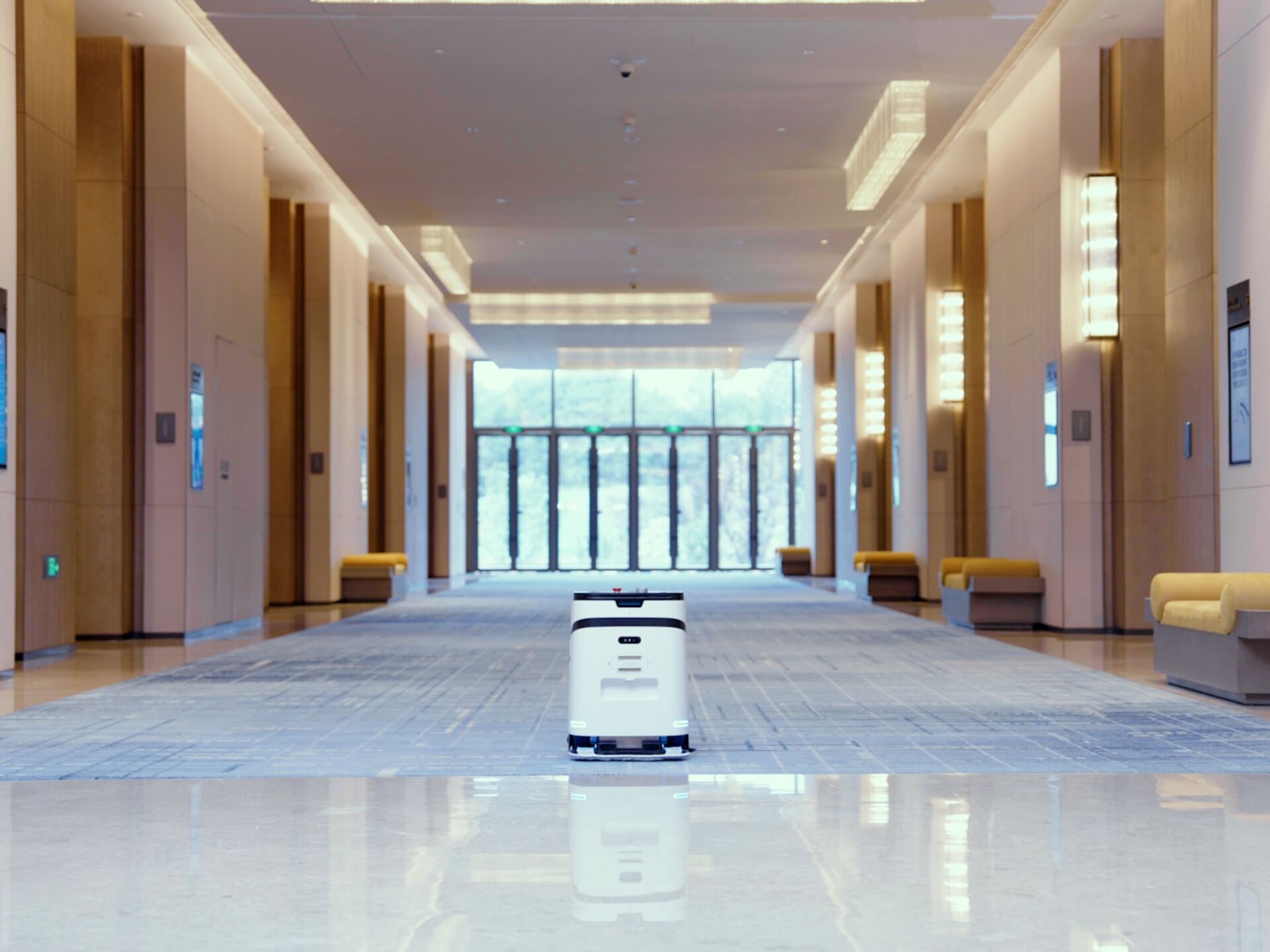
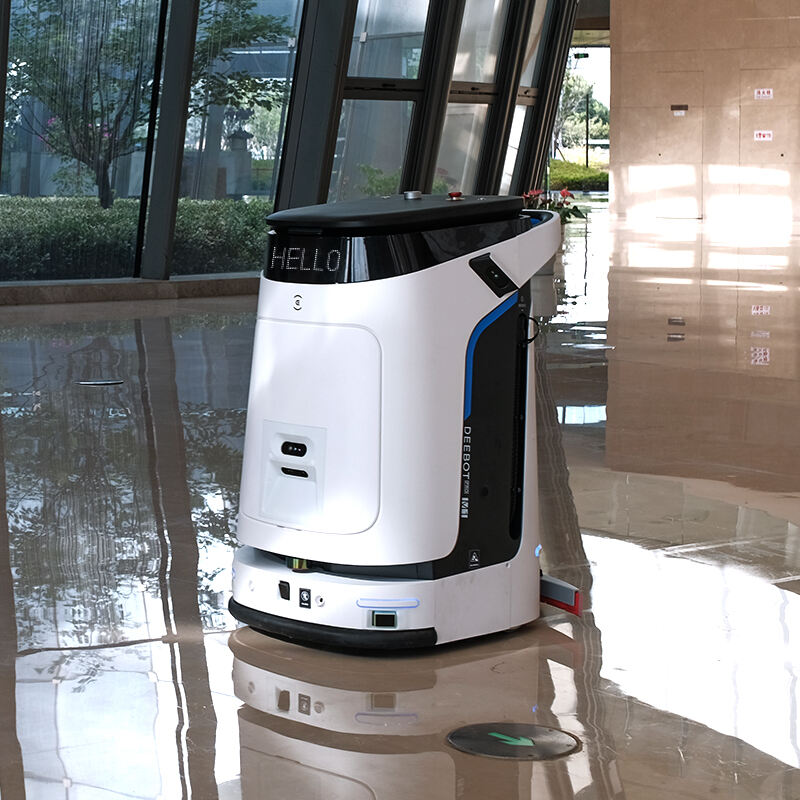
Modern commercial facilities increasingly rely on robotic and automated cleaning systems that require specialized training programs. Staff learn to program, monitor, and maintain sophisticated commercial floor cleaner equipment that can operate autonomously while delivering consistent cleaning results. This training includes understanding navigation systems, obstacle detection features, and integration with building management systems.
Training programs address the changing role of cleaning staff in facilities that utilize automated commercial floor cleaner systems. Workers learn to shift from hands-on cleaning tasks to equipment supervision, quality control, and troubleshooting responsibilities that ensure automated systems continue to deliver optimal cleaning performance throughout their operational cycles.
Data Analytics and Performance Monitoring
Contemporary commercial floor cleaner training incorporates data analytics and performance monitoring techniques that enable cleaning teams to measure and improve their effectiveness. Staff learn to collect and analyze cleaning data, including coverage patterns, chemical usage rates, and equipment performance metrics that inform continuous improvement initiatives and demonstrate cleaning program value to facility management.
Performance monitoring training covers the use of digital tools and mobile applications that track cleaning activities, document compliance with established protocols, and generate reports that demonstrate commercial floor cleaner program effectiveness. This data-driven approach enables facilities to optimize cleaning schedules, reduce costs, and improve overall cleaning quality through evidence-based decision making.
Quality Control and Continuous Improvement Strategies
Inspection Protocols and Performance Standards
Effective commercial floor cleaner training programs establish clear quality control measures that ensure consistent cleaning results across all facility areas. Training covers inspection techniques, performance standards, and corrective action procedures that maintain high cleaning quality while identifying opportunities for improvement. These protocols help cleaning teams understand expectations and develop the skills necessary to meet or exceed established performance benchmarks.
Quality control training emphasizes the importance of regular self-assessment and peer review processes that promote continuous improvement in commercial floor cleaner operations. Staff learn to identify common cleaning deficiencies, implement corrective measures, and document improvements that enhance overall cleaning program effectiveness and customer satisfaction.
Customer Communication and Service Excellence
Commercial cleaning operations require excellent customer service skills that complement technical commercial floor cleaner expertise. Training programs address professional communication techniques, conflict resolution strategies, and customer relationship management skills that ensure positive interactions with facility occupants and management personnel. These soft skills contribute significantly to overall program success and client retention.
Service excellence training covers proactive communication strategies that keep facility managers informed about cleaning activities, equipment maintenance needs, and potential issues that may impact operations. This approach builds trust and demonstrates the value of professional commercial floor cleaner services while identifying opportunities for program expansion and improvement.
Implementation Strategies for Training Programs
Structured Learning Pathways and Certification
Successful commercial floor cleaner training programs utilize structured learning pathways that progress from basic concepts to advanced techniques through clearly defined modules and assessment criteria. These pathways ensure that all cleaning staff receive comprehensive training while allowing for specialization in specific areas such as healthcare cleaning, industrial environments, or advanced equipment operation.
Certification programs validate commercial floor cleaner training completion and demonstrate professional competency to clients and regulatory agencies. These credentials enhance staff confidence, improve career advancement opportunities, and provide facilities with documented evidence of training program effectiveness and regulatory compliance.
Ongoing Education and Skills Development
The commercial cleaning industry continues to evolve with new technologies, regulations, and best practices that require ongoing education and skills development programs. Training initiatives must incorporate regular updates on commercial floor cleaner innovations, environmental regulations, and industry standards that affect cleaning operations and service delivery expectations.
Continuous learning programs ensure that cleaning staff remain current with industry developments while developing advanced skills that enhance their value to employers and improve overall cleaning program effectiveness. These programs contribute to staff retention, career advancement, and sustained improvement in commercial floor cleaner service quality.
FAQ
What are the key safety considerations for commercial floor cleaner training?
Safety training for commercial floor cleaner operations covers proper lifting techniques, chemical handling procedures, personal protective equipment use, and emergency response protocols. Workers learn to identify potential hazards, follow established safety procedures, and maintain safe working conditions that protect themselves and facility occupants during cleaning activities.
How often should commercial floor cleaner training be updated?
Commercial floor cleaner training should be updated annually to incorporate new technologies, revised safety regulations, and improved cleaning techniques. Additional training may be required when introducing new equipment, changing cleaning protocols, or entering specialized market segments such as healthcare or food service that have specific regulatory requirements.
What qualifications should commercial floor cleaner trainers possess?
Effective commercial floor cleaner trainers should possess extensive hands-on cleaning experience, knowledge of industry regulations and best practices, and proven teaching abilities. Many successful trainers hold certifications from recognized cleaning industry organizations and maintain current knowledge of equipment technologies and cleaning chemistry developments.
How can facilities measure the effectiveness of their commercial floor cleaner training programs?
Training program effectiveness can be measured through performance assessments, customer satisfaction surveys, incident reduction rates, and equipment efficiency metrics. Regular evaluation of these indicators helps identify training program strengths and areas for improvement while demonstrating the value of investing in comprehensive commercial floor cleaner education initiatives.
Table of Contents
- Essential Components of Commercial Floor Cleaner Training Programs
- Specialized Training for Different Commercial Environments
- Advanced Training Techniques and Technology Integration
- Quality Control and Continuous Improvement Strategies
- Implementation Strategies for Training Programs
-
FAQ
- What are the key safety considerations for commercial floor cleaner training?
- How often should commercial floor cleaner training be updated?
- What qualifications should commercial floor cleaner trainers possess?
- How can facilities measure the effectiveness of their commercial floor cleaner training programs?