
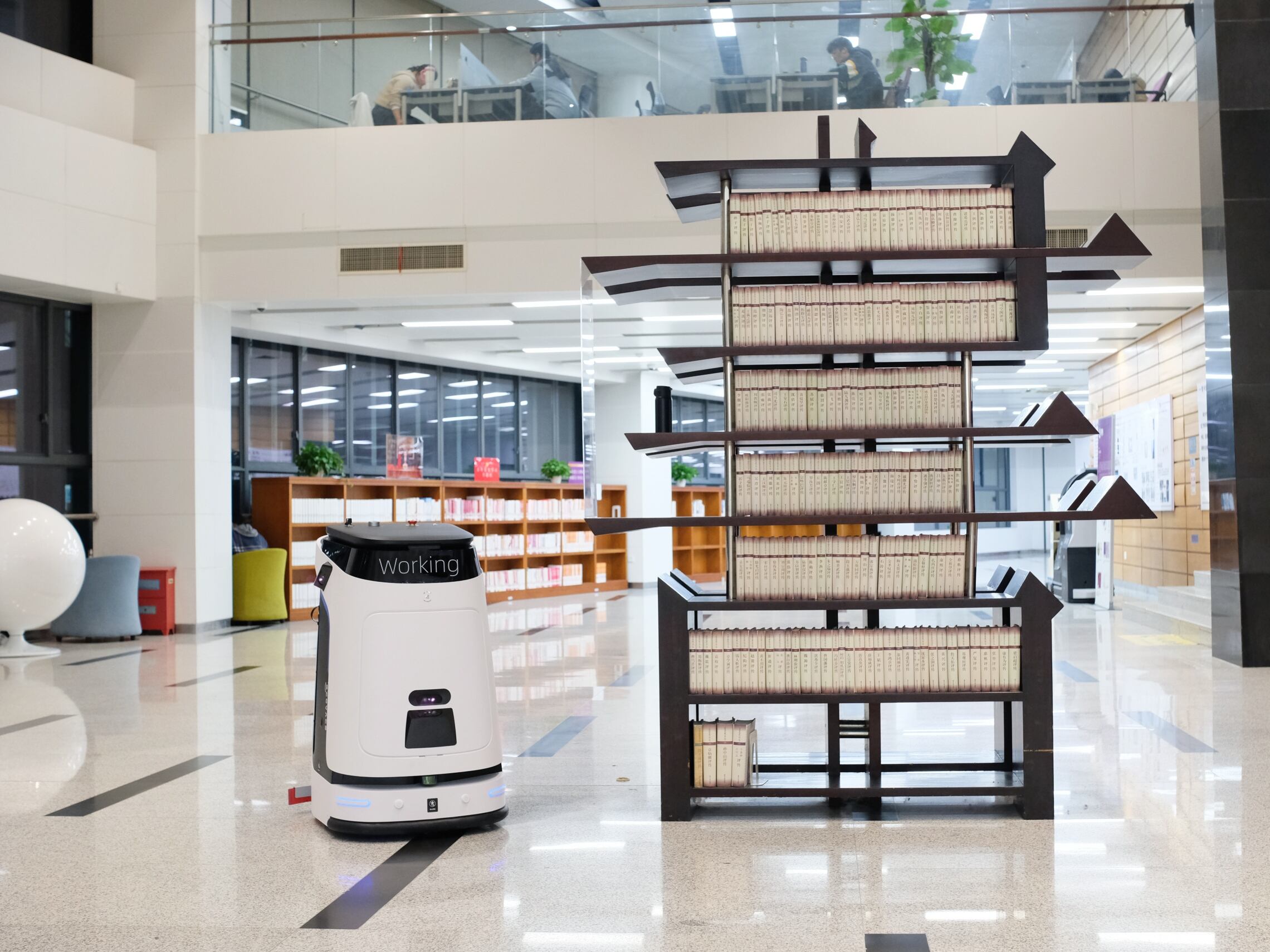
Understanding the essential components of industrial floor scrubber parts is crucial for maintaining efficient cleaning operations in commercial and industrial facilities. These sophisticated cleaning machines rely on numerous interconnected components that work together to deliver superior floor cleaning performance. Whether you're managing a warehouse, manufacturing facility, or large commercial space, having comprehensive knowledge of industrial floor scrubber parts ensures optimal equipment performance and longevity.
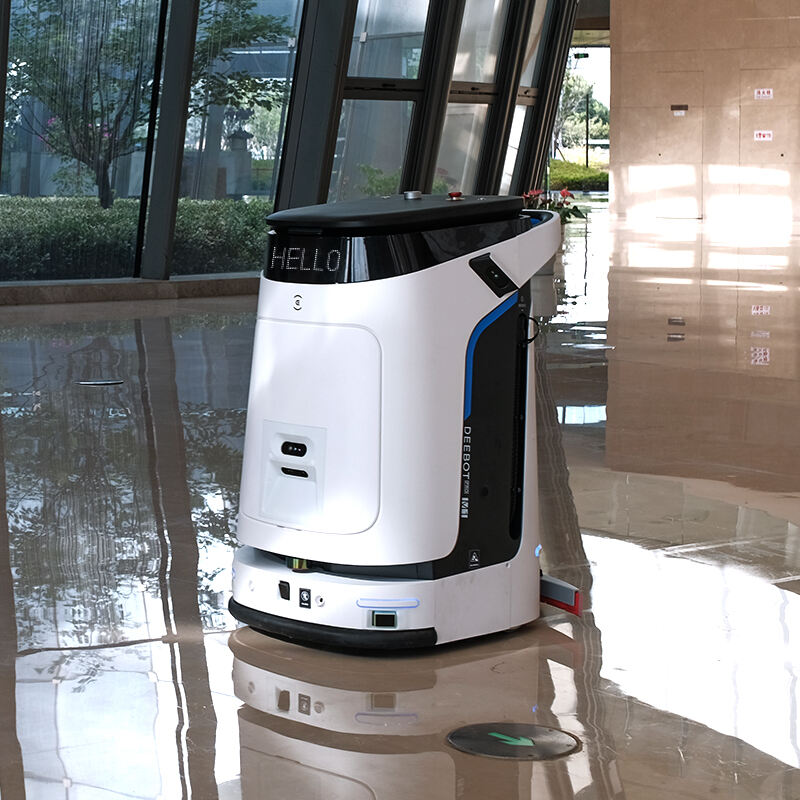
Modern industrial cleaning equipment has evolved significantly, incorporating advanced technologies and durable materials to handle demanding cleaning environments. From basic manual units to sophisticated robotic systems, each type of floor scrubber utilizes specific industrial floor scrubber parts designed for maximum efficiency and reliability. Proper identification and maintenance of these components directly impacts cleaning effectiveness, operational costs, and equipment lifespan.
The complexity of industrial floor scrubber parts varies depending on the machine type, size, and intended application. Facility managers and maintenance professionals must understand how each component functions within the overall system to make informed decisions about replacements, upgrades, and preventive maintenance schedules. This comprehensive understanding helps organizations minimize downtime, reduce operational costs, and maintain consistent cleaning standards across their facilities.
Essential Mechanical Components
Brush Systems and Configurations
The brush assembly represents one of the most critical industrial floor scrubber parts, directly affecting cleaning performance and surface compatibility. Cylindrical brushes excel at aggressive scrubbing action on textured surfaces, while disc brushes provide gentler cleaning for smooth floors. The brush housing, drive mechanism, and pressure adjustment systems must work in perfect harmony to deliver consistent cleaning results across different floor types and contamination levels.
Brush bristle materials vary significantly among industrial floor scrubber parts, with polypropylene offering durability for general cleaning, nylon providing excellent scrubbing power for stubborn soils, and specialized abrasive-filled bristles designed for heavy-duty applications. The brush drive motor, typically ranging from 0.5 to 2 horsepower, generates the rotational force necessary for effective soil removal. Proper brush alignment and tension are essential for preventing premature wear and ensuring uniform cleaning patterns.
Advanced brush systems incorporate features like automatic brush pressure adjustment, multiple brush configurations, and quick-change mechanisms that simplify maintenance procedures. These sophisticated industrial floor scrubber parts allow operators to adapt cleaning parameters to specific surface requirements without extensive downtime. The brush lifting mechanism enables easy transitions over thresholds and obstacles, while the brush wear indicator helps maintenance teams schedule timely replacements.
Squeegee Assembly and Water Recovery
The squeegee system comprises several critical industrial floor scrubber parts responsible for water recovery and surface drying. The squeegee blade, typically manufactured from polyurethane or rubber compounds, creates a seal against the floor surface to collect dirty water and cleaning solution. Front and rear squeegee blades work together to maximize water pickup efficiency, while the squeegee frame provides structural support and proper angle adjustment capabilities.
Vacuum motor performance directly impacts water recovery effectiveness, with most industrial floor scrubber parts featuring motors rated between 1 and 3 horsepower depending on machine size and application requirements. The vacuum hose, recovery tank connection, and debris screen prevent clogs and maintain consistent suction power throughout cleaning operations. Proper squeegee adjustment ensures optimal water pickup while preventing excessive drag that could strain the drive system.
Modern squeegee assemblies incorporate adjustable side skirts, flexible mounting systems, and easy-access maintenance points that simplify cleaning and blade replacement procedures. These enhanced industrial floor scrubber parts reduce operator fatigue while improving cleaning consistency and equipment reliability. The squeegee lift mechanism allows operators to raise the assembly when moving between cleaning areas or navigating obstacles.
Fluid Management Systems
Solution Tank and Dispensing Components
The solution tank system includes numerous industrial floor scrubber parts designed to store, meter, and dispense cleaning chemicals at optimal concentrations. Tank construction typically utilizes corrosion-resistant polyethylene or stainless steel materials capable of withstanding various chemical formulations. The solution pump, pressure regulator, and flow control valves work together to deliver precise amounts of cleaning solution to the brush or pad contact points.
Chemical injection systems represent sophisticated industrial floor scrubber parts that automatically proportion cleaning chemicals with water to achieve consistent cleaning results while minimizing waste. These systems feature adjustable flow rates, multiple chemical compatibility options, and safety interlocks that prevent accidental chemical mixing. The solution filter prevents debris from clogging spray nozzles or damaging pump components, while the low-solution indicator alerts operators when refilling is necessary.
Advanced solution dispensing includes features like industrial floor scrubber parts with programmable flow rates, automatic chemical dosing, and remote monitoring capabilities. These intelligent systems optimize chemical usage based on soil conditions and surface types while maintaining detailed usage logs for inventory management. The solution tank drain valve and cleaning port facilitate thorough tank sanitization between different chemical applications.
Recovery Tank and Waste Management
Recovery tank systems incorporate multiple industrial floor scrubber parts designed to collect, separate, and contain dirty water and debris removed during cleaning operations. Tank capacity typically ranges from 15 to 200 gallons depending on machine size and intended application. The tank construction must withstand continuous exposure to dirty water, chemicals, and collected debris while maintaining structural integrity under vacuum conditions.
The debris separator and filter assembly prevent large particles from entering the vacuum system while allowing efficient water collection. These industrial floor scrubber parts require regular maintenance to prevent clogs and maintain optimal suction performance. The tank drain valve, typically featuring a large diameter for rapid emptying, includes safety features that prevent accidental opening during operation. Float switches and level sensors provide automatic shutoff when the recovery tank reaches capacity.
Modern recovery systems include features like automatic tank rinsing, debris catching baskets, and transparent tank walls for easy level monitoring. These enhanced industrial floor scrubber parts reduce maintenance time while improving operator safety and cleaning efficiency. The vacuum relief valve prevents excessive negative pressure that could damage tank components or create safety hazards during operation.
Power and Drive Systems
Battery Technology and Management
Battery systems represent some of the most expensive industrial floor scrubber parts, requiring careful selection and maintenance to ensure optimal performance and longevity. Lead-acid batteries remain popular for their proven reliability and lower initial cost, while lithium-ion batteries offer advantages in charging speed, cycle life, and maintenance requirements. Battery voltage typically ranges from 24 to 36 volts, with ampere-hour capacity determining runtime and cleaning area coverage.
The battery charger, considered one of the critical industrial floor scrubber parts, must match battery chemistry and capacity specifications to prevent damage and optimize charging cycles. Modern chargers incorporate multiple charging algorithms, temperature compensation, and automatic maintenance modes that extend battery life. The battery management system monitors individual cell voltages, temperature, and state of charge to prevent overcharging and deep discharge conditions that could permanently damage battery components.
Advanced battery systems include features like opportunity charging capability, wireless monitoring, and predictive maintenance alerts that help facility managers optimize equipment utilization. These sophisticated industrial floor scrubber parts provide real-time performance data and usage analytics that support informed maintenance decisions. The battery compartment ventilation system prevents gas accumulation while maintaining proper operating temperatures during charging and discharge cycles.
Drive Motor and Transmission Components
The drive system encompasses numerous industrial floor scrubber parts responsible for machine propulsion and maneuverability in diverse facility environments. Traction motors typically range from 0.5 to 2 horsepower, providing sufficient torque for climbing ramps and navigating obstacles while maintaining precise speed control. The transmission system, whether direct drive or geared, must deliver reliable power transfer while accommodating frequent start-stop operations and direction changes.
Electronic speed controllers represent sophisticated industrial floor scrubber parts that regulate motor performance based on operator input and load conditions. These controllers incorporate features like soft-start acceleration, regenerative braking, and overload protection that extend motor life while improving operator comfort. The drive wheel assembly includes tires specifically designed for traction on wet surfaces, with tread patterns and compounds optimized for different floor types and cleaning conditions.
Modern drive systems include features like automatic speed adjustment, obstacle detection, and programmable performance parameters that enhance operational efficiency. These advanced industrial floor scrubber parts enable precise control in tight spaces while maintaining consistent cleaning speeds across large open areas. The steering mechanism, whether manual or power-assisted, must provide responsive control while minimizing operator fatigue during extended cleaning sessions.
Control and Monitoring Systems
Operator Interface and Controls
The control panel houses numerous industrial floor scrubber parts that enable operators to monitor system status and adjust cleaning parameters for optimal performance. Modern interfaces feature intuitive touchscreen displays that provide real-time information about battery status, water levels, system diagnostics, and maintenance schedules. The control system must be designed for durability in harsh cleaning environments while remaining accessible to operators wearing protective equipment.
Safety interlocks represent critical industrial floor scrubber parts that prevent equipment operation under unsafe conditions or when maintenance access panels are open. These systems include seat sensors, emergency stops, and automatic shutoff features that protect both operators and equipment from potential hazards. The hour meter and usage tracking systems provide valuable data for scheduling preventive maintenance and managing equipment lifecycle costs.
Advanced control systems incorporate features like programmable cleaning cycles, remote monitoring capabilities, and fleet management integration that optimize equipment utilization across multiple facilities. These sophisticated industrial floor scrubber parts enable predictive maintenance scheduling and performance optimization based on actual usage patterns and environmental conditions. The diagnostic system provides detailed fault codes and troubleshooting guidance that reduces downtime and simplifies maintenance procedures.
Sensor Technology and Automation
Sensor systems include various industrial floor scrubber parts designed to monitor cleaning performance and environmental conditions in real-time. Water level sensors in both solution and recovery tanks prevent overfilling and dry running conditions that could damage pump components. Brush pressure sensors ensure consistent contact with floor surfaces while preventing excessive wear that reduces cleaning effectiveness and increases maintenance costs.
Proximity sensors and obstacle detection systems represent advanced industrial floor scrubber parts that enable safe autonomous operation in populated facilities. These sensors use various technologies including ultrasonic, infrared, and lidar to detect obstacles, map cleaning areas, and navigate complex environments without human intervention. The navigation system processes sensor data to create efficient cleaning paths while avoiding furniture, equipment, and personnel.
Modern sensor technology includes features like automatic debris detection, surface type recognition, and adaptive cleaning parameter adjustment that optimize performance for specific conditions. These intelligent industrial floor scrubber parts continuously monitor cleaning effectiveness and adjust brush pressure, solution flow, and travel speed to maintain consistent results across diverse floor surfaces and contamination levels.
Maintenance and Service Components
Filtration and Air Management
Air filtration systems incorporate multiple industrial floor scrubber parts designed to protect internal components from dust and debris while maintaining optimal vacuum performance. The primary filter prevents large debris from entering the vacuum motor, while secondary filters capture fine particles that could damage motor bearings or reduce suction efficiency. Filter housing designs must facilitate easy access for regular cleaning and replacement while maintaining proper sealing under vacuum conditions.
The cooling fan and ventilation system represent important industrial floor scrubber parts that maintain proper operating temperatures for electrical components and batteries. Adequate airflow prevents overheating that could trigger thermal protection systems and interrupt cleaning operations. The air intake screens and filters require regular maintenance to prevent clogging that could reduce cooling effectiveness and lead to premature component failure.
Advanced filtration systems include features like automatic filter cleaning, clog detection, and service reminder systems that help maintenance teams optimize system performance. These sophisticated industrial floor scrubber parts monitor pressure differentials and airflow rates to alert operators when filter service is required. The exhaust system includes sound dampening materials that reduce noise levels for operator comfort and facility noise compliance.
Lubrication and Fluid Systems
Lubrication points throughout the machine require specific industrial floor scrubber parts including grease fittings, oil reservoirs, and automatic lubrication systems that ensure smooth operation of moving components. The brush drive gearbox typically requires periodic oil changes using manufacturer-specified lubricants that provide proper protection under demanding operating conditions. Bearing lubrication systems must accommodate continuous operation while preventing contamination from cleaning chemicals and debris.
Hydraulic systems in larger machines include numerous industrial floor scrubber parts such as pumps, cylinders, filters, and reservoirs that require specialized maintenance procedures and fluid specifications. The hydraulic fluid must provide consistent performance across a wide temperature range while resisting degradation from continuous use. Pressure relief valves and accumulators protect system components from pressure spikes that could cause damage or safety hazards.
Modern lubrication systems incorporate features like automatic dispensing, service interval monitoring, and fluid condition sensors that optimize maintenance schedules and prevent premature wear. These advanced industrial floor scrubber parts help maintenance teams identify potential problems before they result in costly repairs or equipment downtime. The centralized lubrication panel provides convenient access to all service points while maintaining proper contamination protection.
FAQ
How often should industrial floor scrubber parts be replaced
Replacement intervals for industrial floor scrubber parts vary significantly based on usage intensity, environmental conditions, and maintenance practices. Brush assemblies typically require replacement every 200-500 operating hours depending on floor surface abrasiveness and debris levels. Squeegee blades may need replacement every 100-300 hours based on floor texture and chemical exposure. Battery systems generally last 3-5 years with proper maintenance, while filters and seals may require monthly or quarterly replacement depending on operating conditions. Regular inspection and preventive maintenance help optimize replacement schedules and reduce unexpected downtime.
What are the most common failure points in industrial floor scrubber parts
The most frequent failure points among industrial floor scrubber parts include brush motors due to debris ingestion and overload conditions, squeegee blades from normal wear and chemical degradation, and battery systems from improper charging practices or deep discharge events. Vacuum motors often fail due to inadequate filtration allowing debris to enter the motor housing. Solution pumps may fail from running dry or chemical incompatibility issues. Water level sensors frequently malfunction due to mineral buildup or chemical residue. Regular maintenance addressing these common failure modes significantly extends equipment life and reduces repair costs.
How do environmental conditions affect industrial floor scrubber parts performance
Environmental factors significantly impact the performance and longevity of industrial floor scrubber parts across various applications. Extreme temperatures affect battery capacity and charging efficiency, while high humidity can cause electrical component corrosion and premature failure. Dusty environments accelerate filter clogging and increase wear on moving parts, requiring more frequent maintenance intervals. Chemical exposure from cleaning agents or industrial processes may degrade seals, gaskets, and plastic components. Proper environmental assessment and component selection help ensure optimal performance and minimize maintenance requirements in challenging operating conditions.
What safety considerations apply when servicing industrial floor scrubber parts
Safety protocols for servicing industrial floor scrubber parts include proper lockout/tagout procedures when working on electrical systems, appropriate personal protective equipment for chemical exposure, and safe lifting techniques for heavy components like batteries and motors. Confined space procedures may apply when working inside large recovery tanks, while proper ventilation prevents accumulation of battery gases during charging system maintenance. Chemical compatibility testing ensures cleaning agents won't damage seals or plastic components. Training programs should cover specific hazards associated with different industrial floor scrubber parts and establish clear procedures for safe maintenance practices.