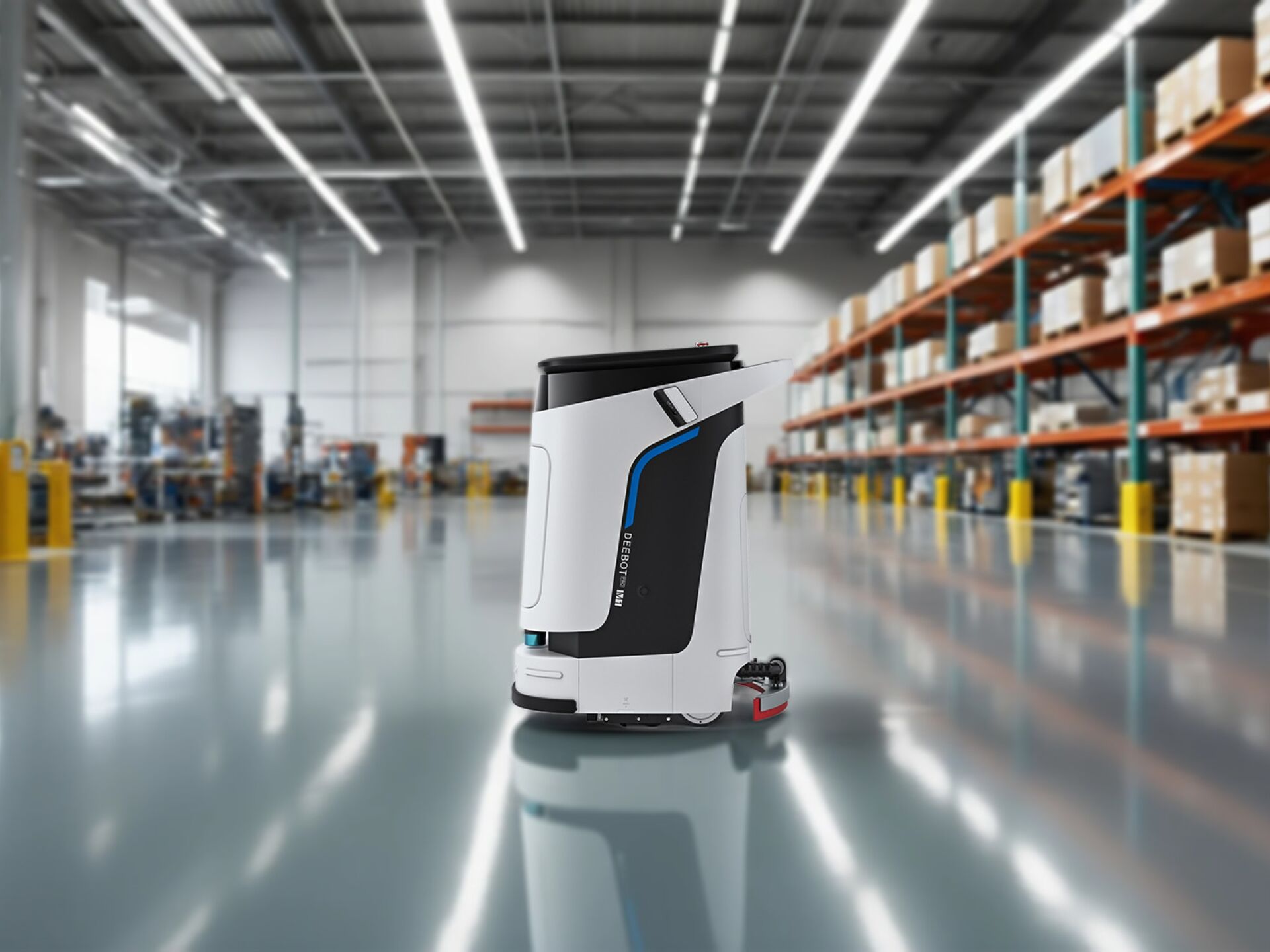
Training employees on proper industrial floor scrubber operation is essential for maintaining clean, safe, and efficient work environments in commercial and industrial facilities. Effective training programs not only ensure optimal cleaning results but also extend equipment lifespan, reduce maintenance costs, and minimize workplace accidents. Understanding the fundamentals of floor scrubber operation, safety protocols, and maintenance procedures creates a foundation for successful facility management across various industries including manufacturing, warehouses, healthcare facilities, and retail spaces.
Essential Pre-Operation Safety Training
Personal Protective Equipment Requirements
Before operating any industrial floor scrubber, employees must understand the importance of wearing appropriate personal protective equipment. Safety glasses protect operators from splashing cleaning solutions and debris that may be stirred up during operation. Non-slip footwear with adequate tread prevents accidents on wet surfaces, while gloves protect hands from chemical exposure and provide better grip on equipment controls. Training should emphasize that PPE requirements may vary depending on the specific cleaning chemicals being used and the environment where cleaning occurs.
Proper clothing selection also plays a crucial role in operator safety. Loose clothing, jewelry, or long hair should be secured to prevent entanglement with moving parts of the scrubber. Training programs should include demonstrations of proper PPE usage and regular reminders about maintaining equipment in good condition. Establishing clear protocols for PPE inspection and replacement ensures consistent safety standards across all cleaning operations.
Workspace Assessment and Preparation
Comprehensive workspace assessment forms the backbone of safe industrial floor scrubber operation. Operators must be trained to identify potential hazards such as electrical cords, loose debris, oil spills, or uneven surfaces before beginning cleaning operations. This preliminary inspection prevents equipment damage and reduces the risk of accidents during operation. Training should include specific checklists for different types of facilities and cleaning scenarios.
Area preparation involves clearing obstacles, securing loose items, and ensuring adequate ventilation when using chemical cleaning solutions. Operators should understand the importance of marking wet floor areas and establishing proper traffic patterns to prevent interference with cleaning operations. Effective training emphasizes the relationship between thorough preparation and both cleaning efficiency and safety outcomes.
Equipment Familiarization and Controls
Understanding Machine Components
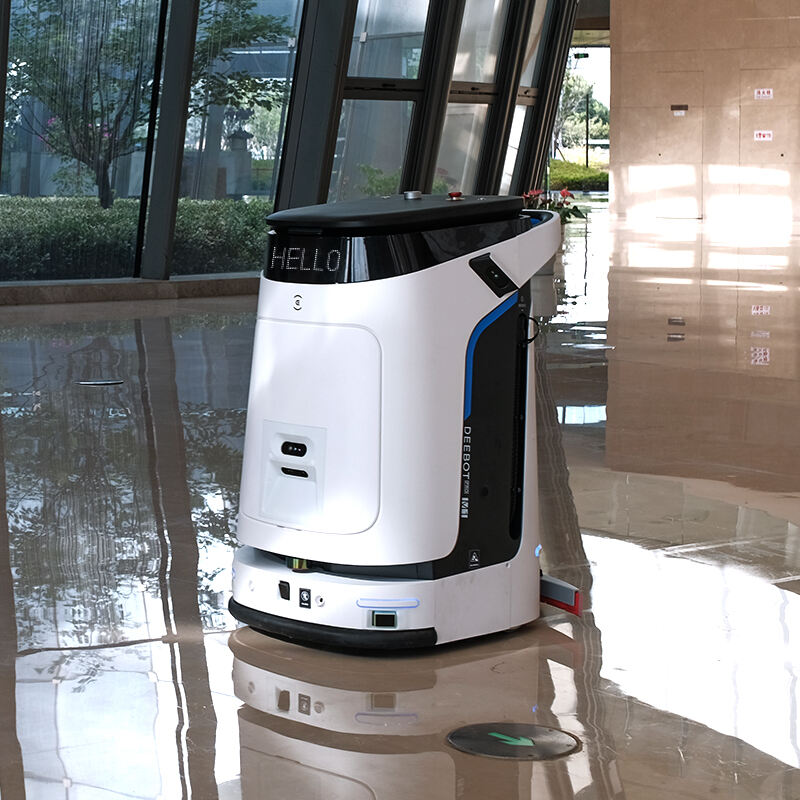
Successful operation of an industrial floor scrubber requires thorough understanding of all major components and their functions. Training should begin with identification of key parts including the solution tank, recovery tank, brush deck, squeegee assembly, and vacuum motor. Operators need to understand how each component contributes to the overall cleaning process and how proper maintenance of these parts affects performance.
Hands-on demonstration of component operation helps reinforce theoretical knowledge. Trainees should practice filling and emptying tanks, adjusting brush pressure, and positioning squeegees for optimal water recovery. Understanding the relationship between brush selection, cleaning solution concentration, and surface type enables operators to make informed decisions about equipment settings for different cleaning scenarios.
Control Panel Operation and Settings
Modern industrial floor scrubbers feature sophisticated control panels with multiple settings for different cleaning applications. Training must cover the function of each control including brush speed adjustment, solution flow rate, vacuum power settings, and any automated features. Operators should understand how to modify settings based on soil conditions, floor type, and desired cleaning results while maintaining efficiency and equipment longevity.
Practice sessions should include scenarios requiring different control settings such as heavy soil removal, routine maintenance cleaning, and delicate surface care. Trainees need to understand the consequences of improper settings including inadequate cleaning, excessive water usage, or potential surface damage. Developing proficiency with control adjustments enables operators to adapt to varying cleaning challenges throughout their facilities.
Proper Operating Techniques and Procedures
Effective Movement Patterns and Speed Control
Optimal cleaning results depend heavily on consistent movement patterns and appropriate operating speed. Training should emphasize the importance of maintaining steady, overlapping passes to ensure complete soil removal without leaving streaks or missed areas. Operators must understand how walking speed affects cleaning performance, with slower speeds typically providing better soil removal but requiring more time to complete tasks.
Direction changes and turning techniques significantly impact cleaning efficiency and equipment wear. Proper training includes demonstrations of smooth directional transitions that maintain consistent brush contact with the floor while preventing excessive stress on mechanical components. Operators should practice various movement patterns suitable for different room configurations and obstacle arrangements commonly found in their specific work environments.
Solution Management and Chemical Safety
Proper handling and mixing of cleaning solutions requires careful attention to manufacturer specifications and safety protocols. Training must cover correct dilution ratios, measuring techniques, and the importance of using only approved chemicals with specific equipment models. Operators need to understand how solution concentration affects cleaning performance and equipment components, with excessive concentrations potentially causing damage or creating safety hazards.
Chemical safety training includes proper storage, handling procedures, and emergency response protocols for spills or exposure incidents. Operators should be familiar with safety data sheets for all cleaning products used in their facilities and understand the importance of proper ventilation when working with chemical solutions. Regular refresher training on chemical safety helps maintain awareness and prevents complacency that can lead to accidents.
Maintenance and Troubleshooting Skills
Daily Maintenance Procedures
Consistent daily maintenance significantly extends equipment life and maintains optimal cleaning performance. Training should establish clear routines for post-operation procedures including tank cleaning, brush inspection, squeegee blade examination, and basic component lubrication. Operators must understand the importance of removing debris from brushes and ensuring proper drying of all components to prevent bacterial growth and corrosion.
Documentation of daily maintenance activities helps identify patterns and potential issues before they become major problems. Training should include proper completion of maintenance logs and recognition of signs indicating the need for professional service or component replacement. Establishing accountability for daily maintenance tasks ensures consistent equipment care across all operating shifts and personnel.
Common Problem Identification and Solutions
Effective troubleshooting skills enable operators to address minor issues promptly and recognize situations requiring professional intervention. Training should cover common problems such as poor water pickup, streaking, unusual noises, or reduced cleaning performance. Operators need to understand systematic approaches to problem identification including checking obvious causes before assuming complex mechanical failures.
Hands-on troubleshooting exercises help develop confidence and competence in addressing routine issues. Training scenarios should simulate real-world problems and guide operators through logical diagnostic procedures. Understanding when to attempt repairs versus calling for professional service prevents equipment damage and ensures operator safety while maintaining operational efficiency.
Performance Optimization and Quality Control
Cleaning Standards and Inspection Protocols
Establishing clear cleaning standards and inspection procedures ensures consistent results across all facility areas and operating personnel. Training must define acceptable cleanliness levels for different zones and surface types while providing objective criteria for quality assessment. Operators should understand how environmental factors such as traffic patterns, soil types, and humidity levels affect cleaning requirements and expectations.
Regular quality inspections help identify training needs and equipment performance issues before they compromise overall facility cleanliness. Training should include proper documentation of inspection results and procedures for addressing deficiencies promptly. Developing a culture of quality consciousness among operators contributes to overall facility management success and professional pride in work performance.
Efficiency Improvements and Cost Management
Training programs should emphasize the relationship between proper operation techniques and operational costs including chemical usage, energy consumption, and equipment maintenance expenses. Operators who understand these connections are more likely to adopt practices that optimize resource utilization while maintaining cleaning effectiveness. Regular monitoring of consumption patterns helps identify opportunities for improvement and cost reduction.
Continuous improvement initiatives encourage operators to suggest modifications to procedures or schedules that could enhance efficiency. Training should foster an environment where feedback is valued and innovations are tested systematically. Recognizing and rewarding efficiency improvements helps maintain operator engagement and promotes ongoing optimization of cleaning operations.
FAQ
How often should industrial floor scrubber operators receive refresher training
Refresher training for industrial floor scrubber operators should occur at least annually, with additional sessions when introducing new equipment, chemicals, or procedures. High-turnover environments may benefit from quarterly refreshers, while specialized applications or safety-critical areas might require more frequent training updates. Regular assessment of operator performance helps determine optimal training frequency for specific situations.
What are the most common mistakes made by new industrial floor scrubber operators
Common mistakes include using incorrect solution concentrations, operating at inappropriate speeds, neglecting proper squeegee adjustment, and insufficient overlap between cleaning passes. New operators often underestimate the importance of daily maintenance or fail to recognize early signs of equipment problems. Comprehensive initial training and mentoring programs help prevent these issues and establish proper operating habits from the beginning.
How can facilities measure the effectiveness of their floor scrubber training programs
Training effectiveness can be measured through multiple metrics including accident rates, equipment maintenance costs, cleaning quality scores, chemical consumption levels, and operator confidence assessments. Regular skills evaluations and feedback sessions provide additional insights into training program success. Tracking these measurements over time helps identify areas for improvement and demonstrates the value of comprehensive training investments.
What should be included in emergency procedures training for industrial floor scrubber operation
Emergency procedures training should cover chemical spill response, equipment malfunction protocols, electrical safety procedures, and first aid for chemical exposure or slip-and-fall accidents. Operators need to know how to safely shut down equipment, when to evacuate areas, and whom to contact for various emergency situations. Regular drills and scenario-based training help ensure operators can respond effectively during actual emergencies.
Table of Contents
- Essential Pre-Operation Safety Training
- Equipment Familiarization and Controls
- Proper Operating Techniques and Procedures
- Maintenance and Troubleshooting Skills
- Performance Optimization and Quality Control
-
FAQ
- How often should industrial floor scrubber operators receive refresher training
- What are the most common mistakes made by new industrial floor scrubber operators
- How can facilities measure the effectiveness of their floor scrubber training programs
- What should be included in emergency procedures training for industrial floor scrubber operation