
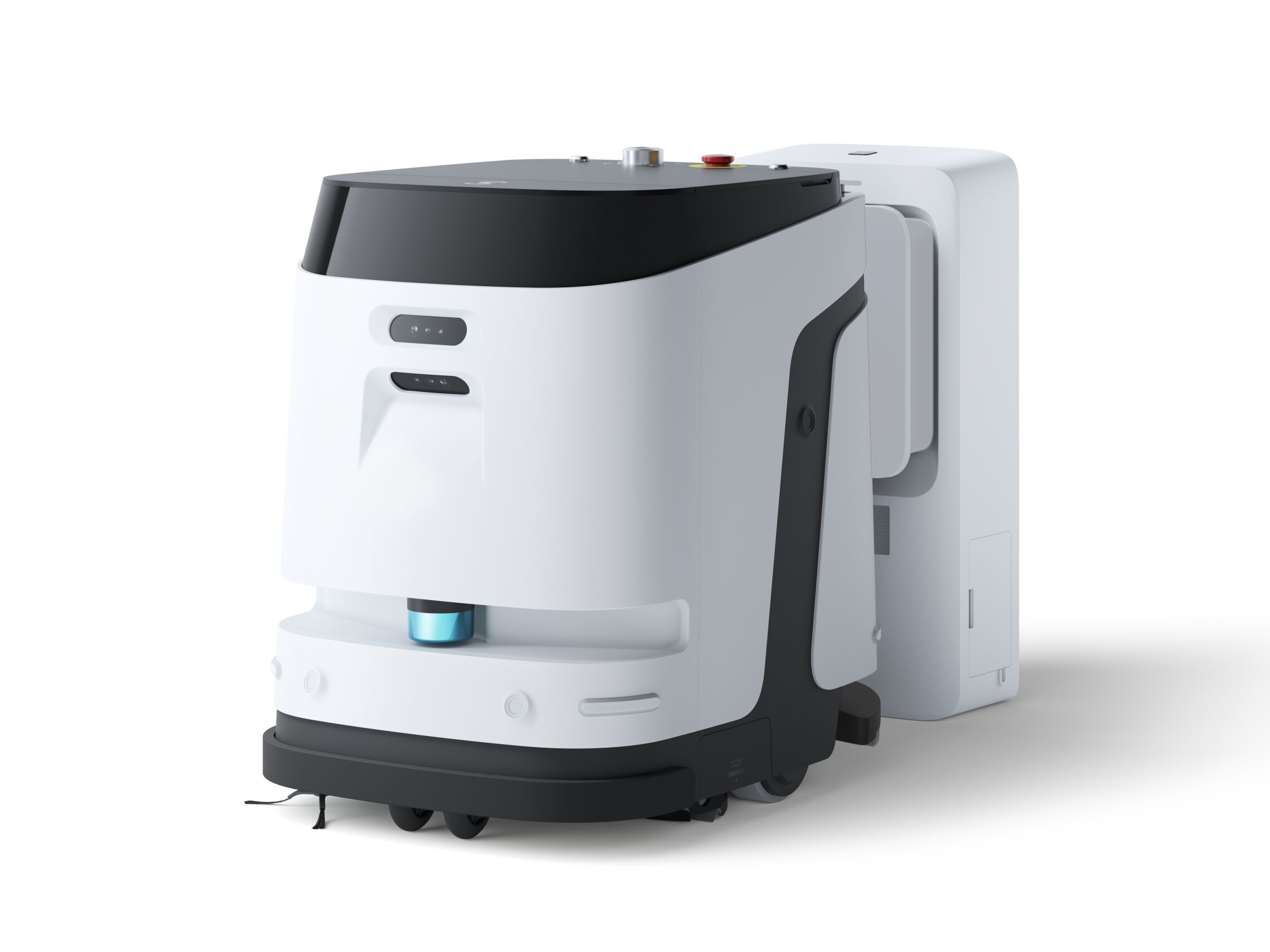
The commercial cleaning industry has undergone a dramatic transformation in recent years, with smart technology revolutionizing how businesses maintain their facilities. Modern commercial establishments demand efficient, reliable, and cost-effective cleaning solutions that can handle large floor areas while maintaining consistent results. As we enter 2025, the integration of artificial intelligence, automation, and advanced cleaning technologies has made commercial floor cleaner systems more sophisticated than ever before. These innovations not only reduce labor costs but also enhance cleaning quality, improve safety standards, and provide detailed operational insights that help businesses optimize their maintenance strategies.
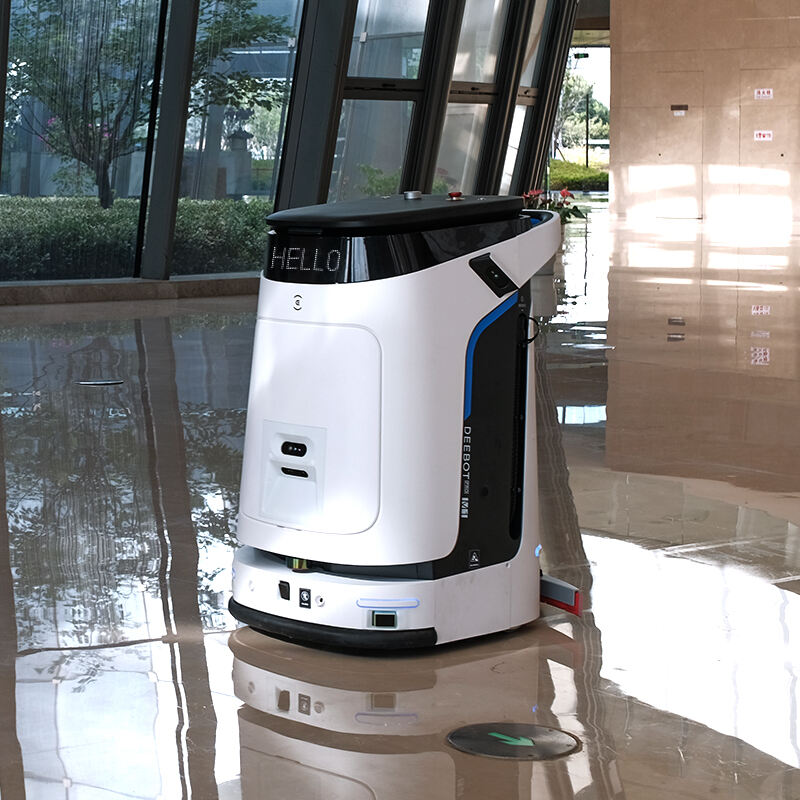
The evolution from traditional manual cleaning methods to automated systems represents a significant shift in commercial facility management. Today's smart commercial floor cleaner technologies incorporate multiple cleaning mechanisms, real-time monitoring capabilities, and predictive maintenance features that ensure optimal performance across various floor types and environments. Understanding the capabilities and benefits of these advanced cleaning systems is essential for facility managers, business owners, and cleaning service providers who want to stay competitive in an increasingly demanding market.
Understanding Modern Commercial Floor Cleaning Technology
Robotic Automation Systems
Robotic commercial floor cleaner systems have emerged as game-changers in the facility maintenance industry. These intelligent machines combine sophisticated navigation algorithms, advanced sensor arrays, and powerful cleaning mechanisms to deliver consistent results without human intervention. Modern robotic cleaners utilize LIDAR technology, computer vision, and artificial intelligence to map facility layouts, identify obstacles, and optimize cleaning paths for maximum efficiency. The integration of these technologies allows robotic systems to adapt to changing environments, avoid potential hazards, and maintain cleaning schedules with remarkable precision.
The operational advantages of robotic systems extend beyond simple automation. These devices can operate during off-hours, reducing disruption to business operations while ensuring facilities remain clean and presentable. Advanced models feature multi-surface cleaning capabilities, allowing them to transition seamlessly between different floor types such as tile, concrete, carpet, and hardwood. The ability to customize cleaning intensity based on traffic patterns and soil levels makes these systems particularly valuable for high-traffic commercial environments.
Smart Monitoring and Analytics
Contemporary commercial floor cleaner systems incorporate comprehensive monitoring capabilities that provide real-time insights into cleaning performance, equipment status, and maintenance requirements. These smart features enable facility managers to track cleaning coverage, monitor consumable levels, and identify potential issues before they impact operations. Advanced analytics platforms process data from multiple sensors to generate detailed reports on cleaning efficiency, energy consumption, and equipment utilization patterns.
The integration of Internet of Things technology allows remote monitoring and control of cleaning equipment from centralized management platforms. This connectivity enables predictive maintenance scheduling, automatic supply ordering, and performance optimization based on historical data and usage patterns. Facility managers can receive alerts about equipment status, maintenance requirements, and cleaning completion notifications, ensuring continuous operational awareness and proactive maintenance management.
Key Features and Capabilities
Advanced Navigation and Mapping
Modern commercial floor cleaner systems employ sophisticated navigation technologies that enable precise movement and comprehensive coverage of cleaning areas. Simultaneous Localization and Mapping technology allows these machines to create detailed facility maps while navigating through complex environments. Advanced sensor fusion combines data from multiple sources including ultrasonic sensors, cameras, and inertial measurement units to ensure accurate positioning and obstacle avoidance.
The mapping capabilities of contemporary systems extend beyond simple navigation to include zone-based cleaning scheduling, virtual boundary setting, and custom cleaning pattern programming. These features allow facility managers to optimize cleaning routes, exclude sensitive areas, and adjust cleaning intensity based on specific zone requirements. The ability to store multiple map configurations enables efficient cleaning of different facility layouts or multi-floor operations.
Multi-Surface Cleaning Performance
Today's commercial floor cleaner technology incorporates versatile cleaning mechanisms designed to handle diverse surface types and soil conditions. Advanced brush systems, powerful suction capabilities, and adjustable water flow controls ensure effective cleaning across various floor materials and contamination levels. Modern systems can automatically adjust cleaning parameters based on surface detection algorithms, optimizing performance for each specific cleaning scenario.
The integration of multiple cleaning technologies within single platforms provides comprehensive cleaning solutions that can address different maintenance requirements. Combination sweeping and mopping functions, edge cleaning capabilities, and specialized attachment options enable thorough facility cleaning without requiring multiple separate devices. This versatility reduces equipment costs, simplifies maintenance procedures, and ensures consistent cleaning quality across entire facilities.
Benefits and Applications
Operational Efficiency Improvements
Implementing smart commercial floor cleaner systems delivers substantial operational efficiency improvements that directly impact business performance and cost structures. Automated cleaning operations reduce labor requirements while maintaining consistent cleaning quality, allowing staff to focus on higher-value tasks and specialized maintenance activities. The ability to operate during off-hours eliminates disruption to business operations and ensures facilities remain clean and professional-looking at all times.
Energy efficiency features built into modern cleaning systems contribute to reduced operational costs and environmental sustainability goals. Advanced battery management systems, optimized cleaning path algorithms, and intelligent power management ensure maximum cleaning coverage per energy unit consumed. These efficiency improvements translate to lower utility costs, reduced carbon footprints, and enhanced corporate sustainability profiles that appeal to environmentally conscious customers and stakeholders.
Industry-Specific Applications
Different commercial environments present unique cleaning challenges that modern commercial floor cleaner systems are specifically designed to address. Retail facilities benefit from quiet operation capabilities that allow cleaning during business hours without disturbing customers or staff. Healthcare environments require specialized sanitization features and contamination control protocols that ensure proper infection control and regulatory compliance.
Manufacturing and warehouse facilities demand robust cleaning systems capable of handling heavy debris, industrial contaminants, and large area coverage requirements. Educational institutions need reliable systems that can maintain multiple building types while operating within budget constraints and noise limitations. Hospitality venues require cleaning solutions that maintain aesthetic standards while accommodating irregular schedules and varying soil conditions throughout different facility areas.
Selection Criteria and Considerations
Facility Assessment Requirements
Selecting the appropriate commercial floor cleaner system requires comprehensive facility assessment that considers multiple operational factors and performance requirements. Floor surface types, traffic patterns, soil conditions, and operational schedules all influence system selection decisions. Facility size, layout complexity, and accessibility constraints determine navigation requirements and equipment specifications necessary for effective cleaning operations.
Environmental considerations such as noise restrictions, chemical sensitivity, and sustainability requirements impact system selection and operational parameters. Facilities with sensitive equipment, special materials, or regulatory compliance requirements need cleaning systems with appropriate certifications and operational capabilities. Understanding these facility-specific requirements ensures optimal system selection and successful implementation outcomes.
Performance and Reliability Standards
Evaluating commercial floor cleaner performance capabilities involves assessing cleaning effectiveness, operational reliability, and maintenance requirements across various operational scenarios. Cleaning coverage rates, soil removal efficiency, and surface protection capabilities determine system suitability for specific applications and performance expectations. Battery life, charging requirements, and operational uptime specifications impact scheduling flexibility and operational continuity.
Reliability metrics including mean time between failures, maintenance intervals, and component durability affect long-term operational costs and system availability. Warranty coverage, service support availability, and replacement part accessibility influence total cost of ownership and operational risk management. These performance and reliability factors are critical for ensuring successful long-term system deployment and operational satisfaction.
Implementation and Maintenance
Deployment Strategies
Successful commercial floor cleaner implementation requires careful planning and systematic deployment approaches that minimize operational disruption while maximizing system benefits. Initial facility mapping, staff training, and system configuration establish the foundation for effective operations and user adoption. Gradual deployment phases allow for system optimization, performance validation, and operational procedure refinement before full-scale implementation.
Integration with existing facility management systems, cleaning protocols, and maintenance schedules ensures seamless operational integration and maximum efficiency benefits. Staff training programs covering system operation, maintenance procedures, and troubleshooting protocols are essential for successful adoption and optimal performance outcomes. Clear communication about system capabilities, limitations, and operational expectations helps ensure realistic performance expectations and user satisfaction.
Ongoing Maintenance Requirements
Maintaining optimal commercial floor cleaner performance requires systematic maintenance procedures that address both routine care and preventive maintenance requirements. Daily maintenance tasks including filter cleaning, water tank servicing, and basic system inspection ensure consistent performance and prevent operational issues. Weekly and monthly maintenance procedures covering sensor cleaning, battery care, and component inspection maintain system reliability and extend equipment lifespan.
Professional service intervals for comprehensive system inspection, software updates, and component replacement ensure long-term reliability and performance optimization. Proper maintenance record keeping, performance monitoring, and proactive issue identification help maximize system uptime and minimize unexpected maintenance costs. Understanding and following recommended maintenance procedures is essential for protecting equipment investments and ensuring consistent cleaning performance.
Future Trends and Innovations
Artificial Intelligence Integration
The integration of advanced artificial intelligence capabilities represents the next frontier in commercial floor cleaner technology development. Machine learning algorithms that analyze cleaning patterns, optimize operational efficiency, and predict maintenance requirements will enhance system performance and reduce operational costs. AI-powered systems will adapt to changing facility conditions, learn from operational data, and continuously improve cleaning effectiveness through intelligent algorithm updates.
Computer vision technologies will enable more sophisticated soil detection, surface analysis, and cleaning quality assessment capabilities that ensure optimal results across diverse cleaning scenarios. Advanced AI integration will also facilitate improved human-machine interaction through natural language processing, voice commands, and intuitive user interfaces that simplify system operation and management.
Sustainability and Environmental Impact
Environmental sustainability considerations are driving significant innovations in commercial floor cleaner technology design and operational capabilities. Advanced water recycling systems, biodegradable cleaning solutions, and energy-efficient operational algorithms reduce environmental impact while maintaining cleaning effectiveness. Green technology integration including solar charging capabilities, recyclable component materials, and reduced chemical consumption aligns with corporate sustainability goals and environmental regulations.
Future developments will focus on circular economy principles through improved product lifecycle management, component recyclability, and sustainable manufacturing processes. These environmental improvements will become increasingly important as businesses prioritize sustainability initiatives and seek cleaning solutions that align with environmental responsibility commitments and regulatory requirements.
FAQ
What factors should be considered when selecting a commercial floor cleaner system
When selecting a commercial floor cleaner system, consider facility size and layout complexity, floor surface types and conditions, traffic patterns and soil levels, operational schedule requirements, noise restrictions, budget constraints, and integration requirements with existing facility management systems. Additionally, evaluate maintenance requirements, service support availability, warranty coverage, and total cost of ownership to ensure optimal system selection for your specific operational needs and performance expectations.
How do robotic commercial floor cleaners compare to traditional cleaning methods
Robotic commercial floor cleaners offer significant advantages over traditional methods including consistent cleaning quality, reduced labor costs, ability to operate during off-hours, comprehensive coverage through systematic navigation, and detailed performance monitoring capabilities. While initial investment costs may be higher, robotic systems provide long-term operational savings through reduced labor requirements, improved efficiency, and predictable maintenance schedules that traditional methods cannot match.
What maintenance requirements do modern commercial floor cleaning systems have
Modern commercial floor cleaning systems require daily maintenance including filter cleaning, water tank servicing, and basic inspection procedures. Weekly tasks involve sensor cleaning, battery care, and component verification. Monthly maintenance includes comprehensive system inspection, software updates, and replacement of consumable components. Professional service intervals ensure optimal performance, software updates, and major component maintenance to maximize system reliability and operational lifespan.
How can businesses measure the return on investment for automated cleaning systems
Businesses can measure ROI for automated cleaning systems by calculating labor cost savings, improved cleaning efficiency, reduced consumable usage, decreased equipment maintenance costs, and enhanced operational productivity. Additional benefits include reduced insurance costs through improved safety, enhanced facility appearance, and increased staff productivity through reallocation of human resources to higher-value activities. Most organizations achieve positive ROI within 12-24 months through cumulative operational savings and efficiency improvements.
Table of Contents
- Understanding Modern Commercial Floor Cleaning Technology
- Key Features and Capabilities
- Benefits and Applications
- Selection Criteria and Considerations
- Implementation and Maintenance
- Future Trends and Innovations
-
FAQ
- What factors should be considered when selecting a commercial floor cleaner system
- How do robotic commercial floor cleaners compare to traditional cleaning methods
- What maintenance requirements do modern commercial floor cleaning systems have
- How can businesses measure the return on investment for automated cleaning systems