When evaluating commercial cleaning equipment for large-scale facilities, understanding the differences between various industrial floor scrubber models becomes crucial for operational efficiency and cost management. Modern manufacturing plants, warehouses, and distribution centers require powerful cleaning solutions that can handle diverse flooring materials while maintaining consistent performance standards. The evolution of industrial floor scrubber technology has introduced sophisticated features that dramatically improve cleaning outcomes while reducing labor costs and environmental impact.
Facility managers across multiple industries now face complex decisions when selecting appropriate cleaning equipment that aligns with their operational requirements and budget constraints. The market offers an extensive range of options, from traditional walk-behind units to advanced robotic systems that operate autonomously. Each category presents distinct advantages and limitations that must be carefully evaluated against specific facility characteristics, cleaning frequency requirements, and long-term maintenance considerations.
Traditional Walk-Behind Models
Basic Operational Features
Walk-behind industrial floor scrubber units represent the foundation of commercial cleaning operations, offering reliable performance for facilities with moderate square footage requirements. These machines typically feature adjustable brush pressure settings, variable speed controls, and ergonomic handle designs that reduce operator fatigue during extended cleaning sessions. The simplicity of their mechanical systems translates to lower initial investment costs and straightforward maintenance procedures that can be handled by in-house technical staff.
Most walk-behind models incorporate dual-tank systems that separate clean solution from recovered dirty water, preventing cross-contamination and ensuring consistent cleaning quality throughout the operational cycle. The brush deck configurations vary significantly between manufacturers, with options ranging from cylindrical brushes for aggressive scrubbing to disc brushes for gentler surface treatment. Water flow rates and detergent injection systems can be calibrated to match specific soil conditions and flooring materials.
Performance Limitations and Considerations
Despite their widespread adoption, traditional walk-behind units present certain operational constraints that must be acknowledged during the selection process. Labor requirements remain substantial, as these machines require continuous operator presence and cannot function during off-hours without human supervision. The cleaning path width typically ranges from 20 to 32 inches, which may prove insufficient for facilities exceeding 50,000 square feet of floor space.
Operator training requirements vary depending on machine complexity, but most walk-behind models can be mastered within a few hours of hands-on instruction. However, consistent cleaning quality depends heavily on operator technique and attention to detail, creating potential variability in results across different shifts or personnel changes. Maintenance scheduling becomes critical, as brush wear patterns and squeegee blade condition directly impact cleaning effectiveness and may require frequent adjustments.
Ride-On Scrubber Systems
Enhanced Productivity Capabilities
Ride-on industrial floor scrubber models deliver substantially improved productivity metrics compared to walk-behind alternatives, particularly in large-scale applications where coverage area exceeds 100,000 square feet. These machines typically feature cleaning path widths ranging from 28 to 40 inches, combined with higher travel speeds that can reduce overall cleaning time by 40-60 percent. The operator comfort improvements include padded seating, intuitive control panels, and enhanced visibility features that reduce physical strain during extended operations.
Advanced ride-on models incorporate sophisticated water management systems with larger tank capacities, extending operational time between refill cycles and reducing workflow interruptions. Many units feature programmable cleaning settings that can be customized for different floor zones within a facility, automatically adjusting brush pressure, water flow, and chemical dispensing rates based on predetermined parameters. These automation features help ensure consistent cleaning quality regardless of operator experience level.
Investment and Operational Considerations
The financial investment required for ride-on scrubber systems typically ranges from two to four times the cost of comparable walk-behind units, necessitating careful return-on-investment calculations based on facility size and cleaning frequency requirements. Operating costs must factor in higher fuel or battery consumption, increased maintenance complexity, and potential training requirements for operators unfamiliar with larger equipment. However, the productivity gains often justify the additional expense for facilities with substantial floor areas.
Storage and transportation considerations become more significant with ride-on models, as these machines require adequate ceiling height and doorway clearances for movement between cleaning zones. Maintenance requirements typically involve more sophisticated diagnostic systems and may require specialized service technicians for complex repairs. Battery-powered models offer environmental advantages but require charging infrastructure and backup power management during peak operational periods.
Robotic Floor Scrubbing Technology
Autonomous Operation Advantages
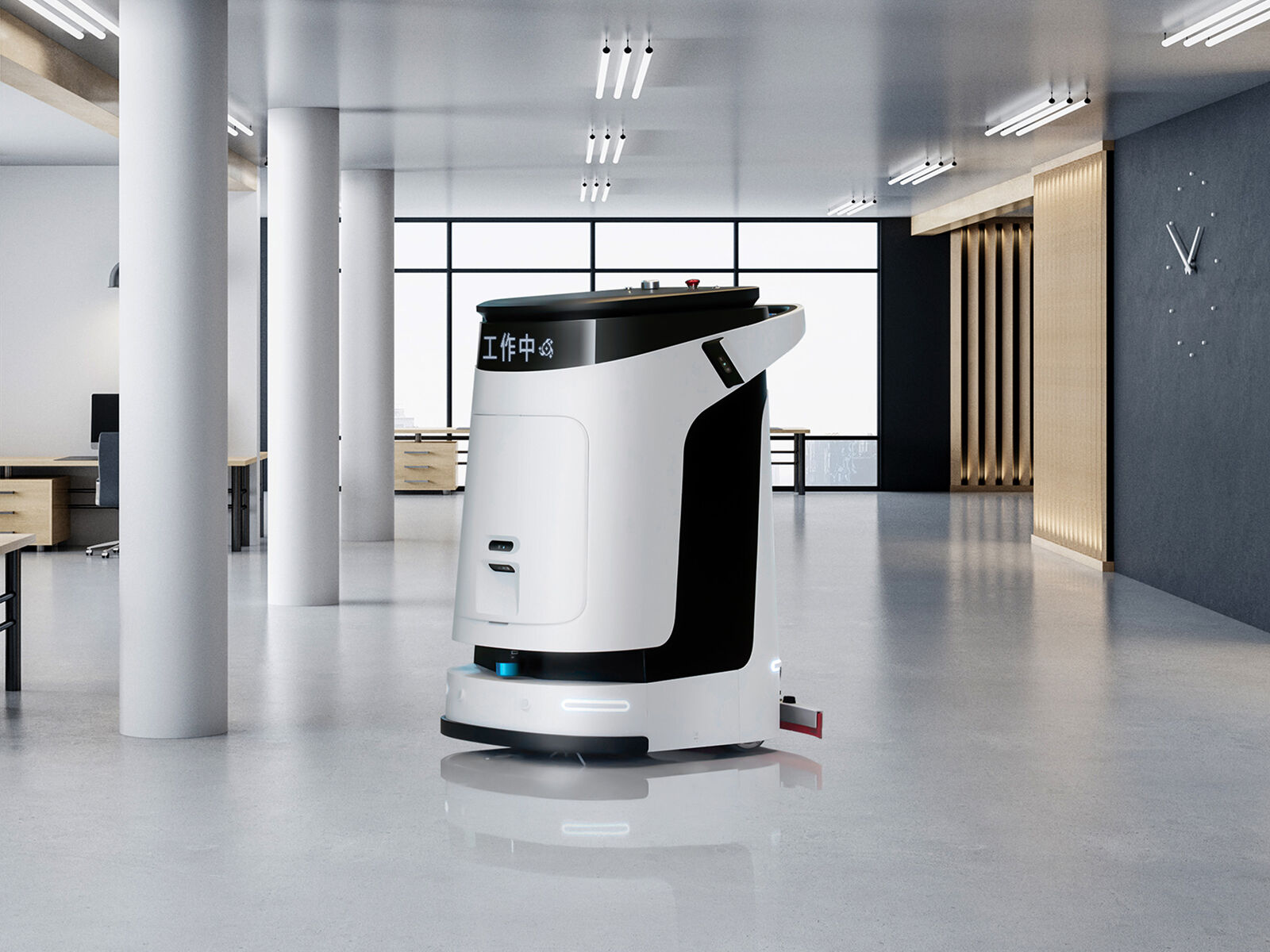
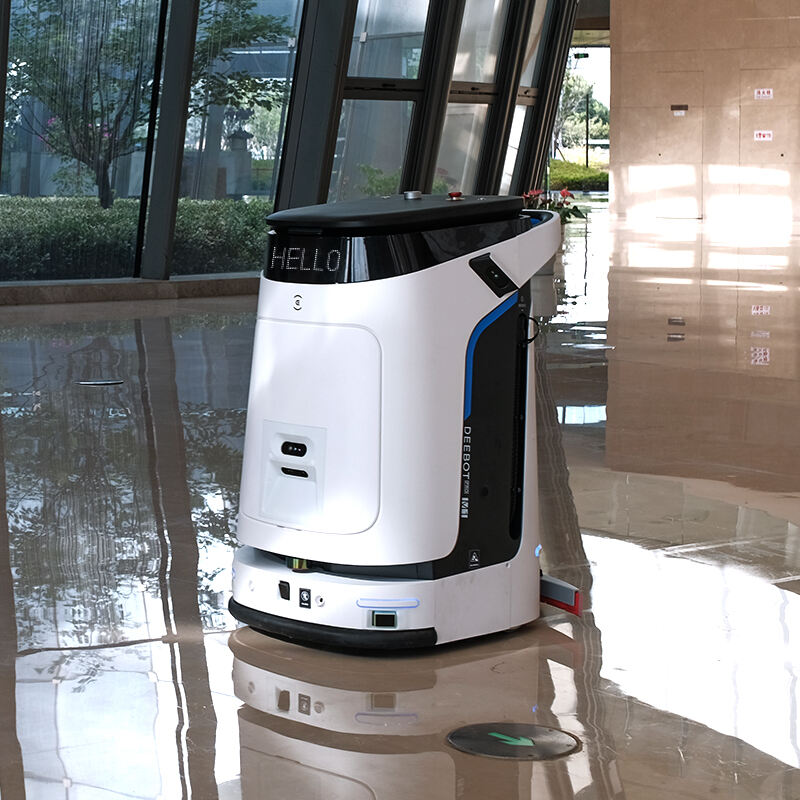
Robotic industrial floor scrubber systems represent the latest advancement in commercial cleaning technology, offering unprecedented operational flexibility through autonomous navigation and scheduling capabilities. These intelligent machines utilize advanced sensor arrays, mapping technology, and artificial intelligence algorithms to navigate complex facility layouts without human intervention. The ability to operate during off-hours maximizes cleaning effectiveness while minimizing disruption to normal business operations.
Modern robotic units feature sophisticated obstacle detection systems that can identify and navigate around equipment, personnel, and temporary obstructions while maintaining optimal cleaning patterns. Water and chemical usage optimization occurs through intelligent dispensing systems that adjust application rates based on real-time soil detection and surface conditions. Remote monitoring capabilities enable facility managers to track cleaning progress, receive maintenance alerts, and adjust operational parameters from centralized control systems.
Implementation and Integration Challenges
While robotic cleaning systems offer compelling advantages, successful implementation requires careful consideration of facility layout characteristics and operational workflows. Open floor plans with minimal obstructions provide optimal conditions for robotic navigation, while facilities with frequent layout changes or high-density equipment placement may experience reduced effectiveness. Initial programming and mapping procedures typically require several weeks of optimization to achieve maximum performance levels.
The substantial upfront investment for robotic cleaning systems often exceeds traditional equipment costs by 300-500 percent, requiring comprehensive cost-benefit analysis that considers labor savings, operational efficiency improvements, and long-term maintenance requirements. Technical support infrastructure becomes critical, as these sophisticated machines require specialized service capabilities and may experience longer downtime periods during complex repairs. Integration with existing facility management systems may require additional software licensing and technical consultation services.
Performance Comparison Metrics
Cleaning Effectiveness Standards
Objective evaluation of cleaning effectiveness across different industrial floor scrubber categories requires standardized measurement protocols that account for soil removal efficiency, water recovery rates, and surface treatment consistency. Laboratory testing demonstrates that robotic systems achieve 95-98 percent soil removal rates under controlled conditions, while traditional walk-behind and ride-on models typically achieve 90-95 percent effectiveness with proper operator technique and maintenance.
Real-world performance varies significantly based on facility conditions, operator training levels, and maintenance consistency across all equipment categories. Robotic systems maintain more consistent performance over time due to programmed cleaning patterns and automated parameter adjustments, while manual operation introduces variability factors that can impact overall effectiveness. Chemical usage efficiency typically favors robotic systems due to precise dispensing controls and optimized application patterns.
Operational Cost Analysis
Comprehensive cost analysis must encompass initial equipment investment, ongoing operational expenses, maintenance requirements, and labor costs over a typical 5-7 year equipment lifecycle. Walk-behind models offer the lowest initial investment but require the highest labor input, resulting in elevated long-term operational costs for large facilities. Ride-on systems provide improved productivity metrics that can justify higher initial costs through reduced labor requirements and increased coverage efficiency.
Robotic cleaning systems present the highest initial investment but offer substantial labor cost reductions that can generate positive return-on-investment within 18-36 months for facilities exceeding 200,000 square feet. Energy consumption varies significantly between electric and fuel-powered options, with battery-operated models typically offering lower operational costs but requiring charging infrastructure investments. Maintenance cost projections must account for parts availability, service technician requirements, and potential technology obsolescence factors.
Selection Criteria and Decision Framework
Facility Assessment Requirements
Successful equipment selection begins with comprehensive facility assessment that evaluates floor area coverage requirements, surface material characteristics, soil contamination levels, and operational scheduling constraints. Facilities with complex layouts, multiple elevation changes, or frequent equipment repositioning may not achieve optimal results with robotic systems, making traditional manual options more practical despite higher labor requirements.
Traffic pattern analysis helps determine appropriate cleaning frequency and identifies high-wear zones that may require specialized attention or more aggressive cleaning parameters. Environmental considerations include ventilation requirements, noise restrictions, and chemical usage limitations that may influence equipment selection and operational procedures. Integration with existing maintenance protocols and staff capabilities represents another critical evaluation factor.
Long-Term Strategic Planning
Equipment selection decisions should align with broader facility management strategies and anticipated operational changes over the equipment lifecycle period. Expansion plans, workforce availability projections, and technology adoption timelines all influence the optimal balance between initial investment and long-term operational benefits. Scalability considerations become important for organizations managing multiple facilities or planning future acquisitions.
Vendor support capabilities, parts availability, and service network coverage represent crucial factors that can significantly impact long-term ownership costs and operational reliability. Equipment standardization across multiple facilities can provide advantages in training efficiency, maintenance procedures, and bulk purchasing opportunities. However, site-specific requirements may necessitate customized solutions that optimize performance for unique operational conditions.
FAQ
What factors determine the ideal cleaning path width for different facility sizes
Cleaning path width selection depends primarily on facility layout, obstacle density, and total floor area coverage requirements. Facilities under 25,000 square feet typically achieve optimal efficiency with 20-26 inch cleaning paths, while larger warehouses and manufacturing plants benefit from 32-40 inch widths that reduce overall cleaning time. Narrow aisles, dense equipment placement, and frequent turns favor smaller cleaning paths despite potentially longer completion times.
How do maintenance requirements differ between manual and robotic cleaning systems
Manual industrial floor scrubber systems require routine maintenance of brushes, squeegees, filters, and basic mechanical components that can typically be handled by facility maintenance staff. Robotic systems involve more complex maintenance procedures including sensor calibration, software updates, navigation system optimization, and specialized diagnostic equipment that may require certified service technicians. However, robotic systems often provide predictive maintenance alerts that can prevent unexpected failures and optimize service scheduling.
What ROI timeline should facilities expect when upgrading to robotic cleaning systems
Return on investment for robotic cleaning systems typically ranges from 18-48 months depending on facility size, current labor costs, and operational efficiency improvements. Facilities exceeding 200,000 square feet with multiple shift operations generally achieve faster ROI through significant labor cost reductions and improved cleaning consistency. Smaller facilities may require 3-4 years to realize positive returns, making traditional equipment more cost-effective for limited coverage areas.
How do different scrubber types handle various flooring materials and contamination levels
Walk-behind and ride-on models offer greater flexibility for aggressive cleaning applications and can accommodate specialized brush types for different flooring materials such as textured concrete, epoxy coatings, or anti-slip surfaces. Robotic systems excel with consistent soil levels and smooth flooring but may require manual intervention for heavy contamination or specialized surface treatments. All system types can be configured with appropriate brushes and cleaning solutions to match specific flooring requirements and contamination challenges.
Table of Contents
- Traditional Walk-Behind Models
- Ride-On Scrubber Systems
- Robotic Floor Scrubbing Technology
- Performance Comparison Metrics
- Selection Criteria and Decision Framework
-
FAQ
- What factors determine the ideal cleaning path width for different facility sizes
- How do maintenance requirements differ between manual and robotic cleaning systems
- What ROI timeline should facilities expect when upgrading to robotic cleaning systems
- How do different scrubber types handle various flooring materials and contamination levels