
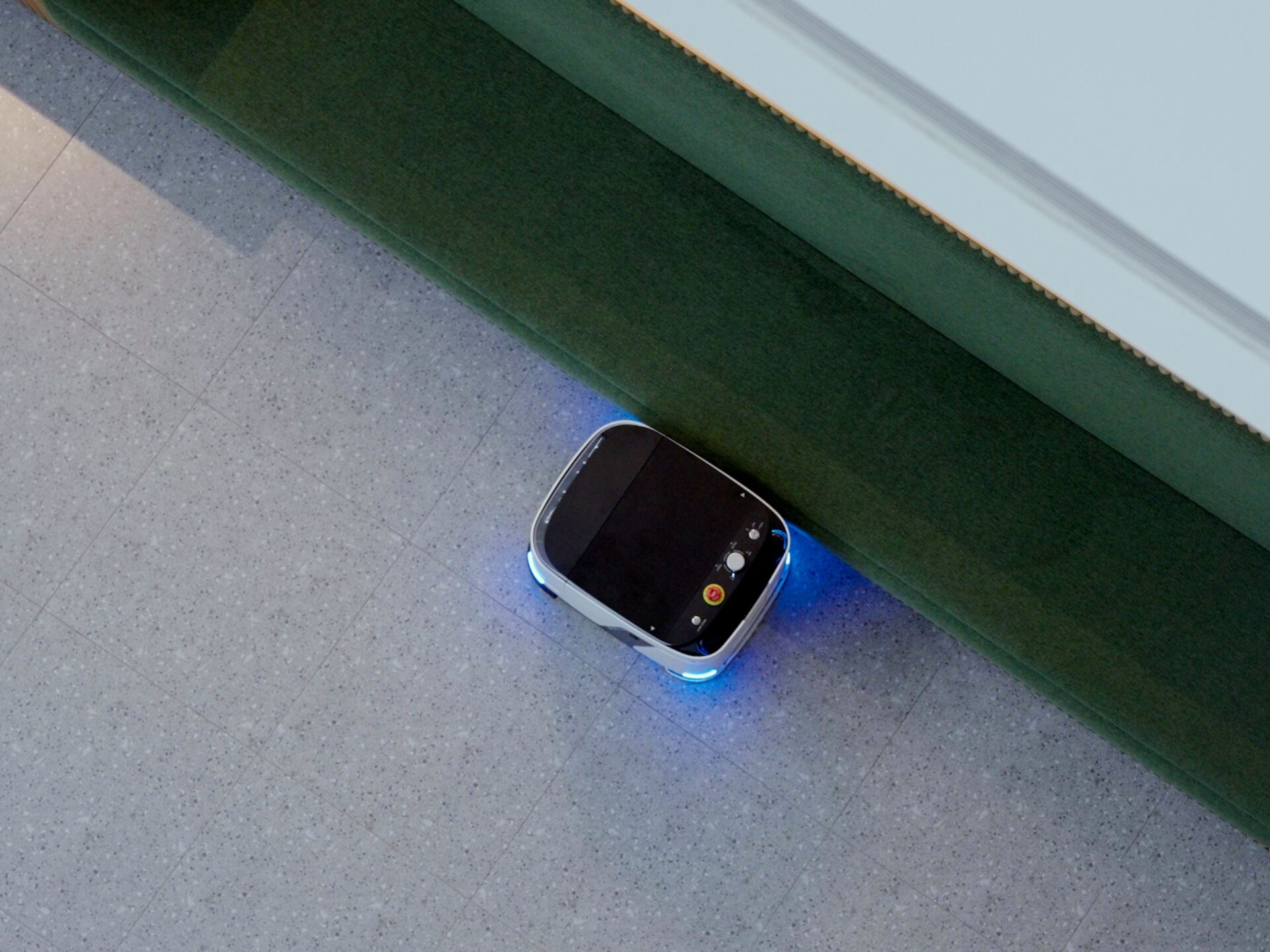
Successfully implementing industrial robot vacuum systems in commercial environments requires careful planning, strategic integration approaches, and adherence to proven methodologies. Organizations that follow established best practices when deploying these automated cleaning solutions achieve higher operational efficiency, reduced maintenance costs, and seamless workflow integration across their facilities.
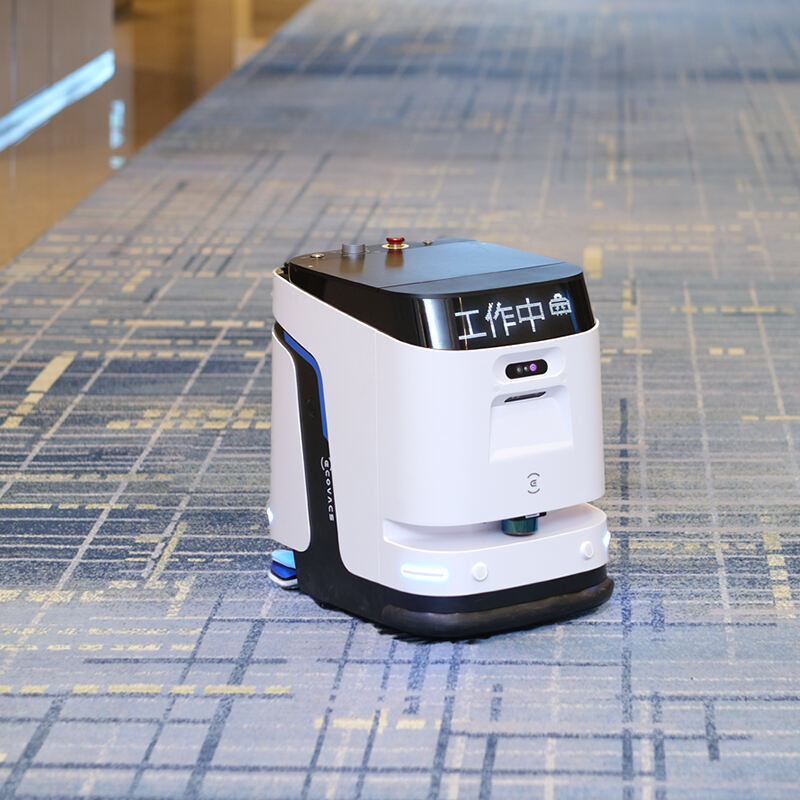
The integration process for industrial robot vacuum systems extends beyond simple deployment, encompassing comprehensive site assessment, customized programming protocols, and ongoing optimization strategies. Modern facilities that embrace systematic integration approaches report significant improvements in cleaning consistency, labor allocation, and overall operational productivity while maintaining the highest standards of environmental cleanliness.
Pre-Integration Planning and Assessment
Facility Layout Analysis
Conducting a thorough facility layout analysis forms the foundation of successful industrial robot vacuum integration. This assessment involves mapping all floor areas, identifying traffic patterns, and documenting potential obstacles that could impact autonomous cleaning operations. Facilities managers must evaluate room dimensions, doorway widths, furniture placement, and equipment locations to ensure optimal navigation pathways.
The analysis should include detailed measurements of cleaning zones, identification of high-traffic areas requiring frequent attention, and documentation of restricted access zones where the industrial robot vacuum should operate during specific timeframes. Understanding floor surface variations, elevation changes, and material transitions helps determine the most suitable cleaning patterns and operational schedules.
Professional assessment teams typically create comprehensive floor plans that highlight optimal charging station locations, primary cleaning routes, and backup navigation pathways. This detailed planning phase prevents operational disruptions and ensures the industrial robot vacuum can access all designated cleaning areas without interference from daily business activities.
Infrastructure Requirements Evaluation
Evaluating existing infrastructure capabilities ensures seamless integration of industrial robot vacuum systems into current facility operations. This evaluation encompasses electrical capacity assessment, Wi-Fi network coverage analysis, and identification of necessary infrastructure modifications to support automated cleaning equipment.
Power supply considerations include determining optimal charging station locations with adequate electrical access, ensuring sufficient circuit capacity for multiple charging operations, and establishing backup power protocols for uninterrupted cleaning schedules. Network infrastructure evaluation involves testing wireless signal strength throughout cleaning zones and implementing network security protocols compatible with connected cleaning devices.
The infrastructure assessment should also address storage requirements for cleaning supplies, maintenance equipment, and replacement components. Establishing dedicated storage areas near charging stations facilitates efficient maintenance operations and ensures the industrial robot vacuum has convenient access to necessary consumables and spare parts during routine servicing.
System Configuration and Programming
Mapping and Navigation Setup
Proper mapping and navigation configuration enables industrial robot vacuum systems to operate efficiently within complex commercial environments. The initial mapping process involves systematic room-by-room scanning to create detailed digital floor plans that serve as the foundation for autonomous navigation and cleaning operations.
Advanced mapping protocols include establishing virtual boundaries, defining no-go zones, and programming specific cleaning schedules for different facility areas. Industrial robot vacuum systems utilize this mapping data to optimize cleaning routes, avoid sensitive equipment areas, and maintain consistent coverage patterns across all designated zones.
The navigation setup process requires careful calibration of sensors, cameras, and positioning systems to ensure accurate spatial awareness and obstacle avoidance capabilities. Regular mapping updates accommodate facility layout changes, new equipment installations, and modified traffic patterns that could impact cleaning efficiency.
Cleaning Protocol Customization
Developing customized cleaning protocols ensures industrial robot vacuum systems address specific facility requirements and maintain appropriate cleanliness standards across different operational zones. These protocols encompass cleaning frequency schedules, suction power adjustments, and specialized cleaning modes tailored to various floor surfaces and contamination levels.
Protocol customization involves programming different cleaning intensities for high-traffic areas, establishing maintenance cleaning schedules for low-use zones, and implementing specialized cleaning sequences for areas with unique requirements. Industrial robot vacuum systems can accommodate multiple cleaning protocols, allowing facilities to optimize cleaning performance while minimizing energy consumption and operational noise.
The customization process includes setting appropriate cleaning duration limits, establishing return-to-base protocols for battery management, and programming emergency stop procedures for safety compliance. These detailed protocols ensure consistent cleaning results while maintaining operational flexibility for changing facility needs.
Integration with Existing Operations
Workflow Coordination
Effective workflow coordination ensures industrial robot vacuum operations integrate seamlessly with existing facility activities without disrupting business processes or employee productivity. This coordination involves scheduling cleaning operations during appropriate timeframes, establishing communication protocols between cleaning staff and automated systems, and implementing conflict resolution procedures for operational overlaps.
Successful workflow integration requires detailed scheduling coordination that considers employee work patterns, delivery schedules, equipment maintenance windows, and special events that could impact cleaning operations. Industrial robot vacuum systems benefit from flexible scheduling capabilities that allow for real-time adjustments based on facility activity levels and operational priorities.
The coordination process includes training facility staff on proper interaction protocols with automated cleaning equipment, establishing communication channels for reporting operational issues, and implementing feedback mechanisms for continuous improvement of integrated operations. Clear communication ensures all stakeholders understand their roles in maintaining efficient automated cleaning operations.
Safety Protocol Implementation
Implementing comprehensive safety protocols protects both personnel and equipment while ensuring compliant operation of industrial robot vacuum systems within commercial environments. These protocols address emergency procedures, personnel safety training, and equipment safety features that prevent accidents and operational hazards.
Safety implementation includes establishing clear operational boundaries, programming emergency stop capabilities, and implementing visual and audible warning systems that alert personnel to active cleaning operations. Industrial robot vacuum systems incorporate multiple safety sensors and collision avoidance technologies that minimize risks during autonomous operation.
The protocol development process requires regular safety training for facility personnel, establishment of incident reporting procedures, and implementation of regular safety audits to ensure continued compliance with workplace safety standards. These comprehensive safety measures protect investments in automated cleaning technology while maintaining safe working environments.
Performance Optimization and Monitoring
Operational Efficiency Metrics
Establishing clear operational efficiency metrics enables facilities to measure the performance of their industrial robot vacuum systems and identify opportunities for continuous improvement. These metrics encompass cleaning coverage percentages, operational uptime statistics, energy consumption measurements, and maintenance interval tracking that provide comprehensive performance insights.
Efficiency monitoring involves analyzing cleaning completion rates, documenting battery life performance, and tracking navigation accuracy to ensure optimal system operation. Industrial robot vacuum systems generate detailed operational data that facilities can use to optimize cleaning schedules, adjust operational parameters, and predict maintenance requirements.
The metrics evaluation process includes regular performance reviews, comparison of actual versus expected operational parameters, and implementation of corrective measures for underperforming systems. Continuous monitoring ensures industrial robot vacuum systems maintain peak efficiency throughout their operational lifecycle while maximizing return on investment.
Maintenance Schedule Integration
Integrating systematic maintenance schedules ensures industrial robot vacuum systems maintain optimal performance and extend operational lifespan through proactive care and component replacement protocols. These schedules encompass daily cleaning tasks, weekly system inspections, and periodic deep maintenance procedures that prevent operational failures.
Maintenance integration involves establishing inventory management systems for replacement parts, training maintenance personnel on proper servicing procedures, and implementing predictive maintenance protocols that identify potential issues before they impact operations. Industrial robot vacuum systems benefit from regular maintenance that maintains cleaning effectiveness and prevents costly operational downtime.
The scheduling process includes coordination with facility maintenance calendars, establishment of maintenance record-keeping systems, and implementation of warranty compliance procedures that protect equipment investments. Proper maintenance integration ensures sustained operational reliability and optimal cleaning performance throughout the system lifecycle.
FAQ
What factors should be considered when selecting locations for charging stations?
Charging station locations should provide convenient access to electrical power, remain accessible during all operational hours, and position the industrial robot vacuum for efficient route planning. Consider locations that minimize travel distance to primary cleaning zones while avoiding high-traffic areas where charging operations could create obstacles for facility personnel or equipment movement.
How can facilities minimize disruption during the initial integration period?
Minimize integration disruption by conducting initial mapping and testing during off-peak hours, implementing phased deployment across facility zones, and providing comprehensive staff training before full operational deployment. Gradual integration allows for system refinement and staff adaptation while maintaining normal business operations throughout the transition period.
What backup procedures should be established for industrial robot vacuum system failures?
Establish backup cleaning procedures that include manual cleaning protocols, alternative cleaning equipment availability, and rapid response procedures for system restoration. Maintain contact information for technical support, keep essential spare parts in inventory, and train facility staff on basic troubleshooting procedures to minimize operational impact during system downtime.
How often should cleaning protocols and mapping data be updated?
Update cleaning protocols and mapping data whenever facility layouts change, new equipment is installed, or operational patterns shift significantly. Regular quarterly reviews help identify optimization opportunities, while immediate updates should occur following any physical changes that could impact industrial robot vacuum navigation or cleaning effectiveness in facility operations.
Table of Contents
- Pre-Integration Planning and Assessment
- System Configuration and Programming
- Integration with Existing Operations
- Performance Optimization and Monitoring
-
FAQ
- What factors should be considered when selecting locations for charging stations?
- How can facilities minimize disruption during the initial integration period?
- What backup procedures should be established for industrial robot vacuum system failures?
- How often should cleaning protocols and mapping data be updated?