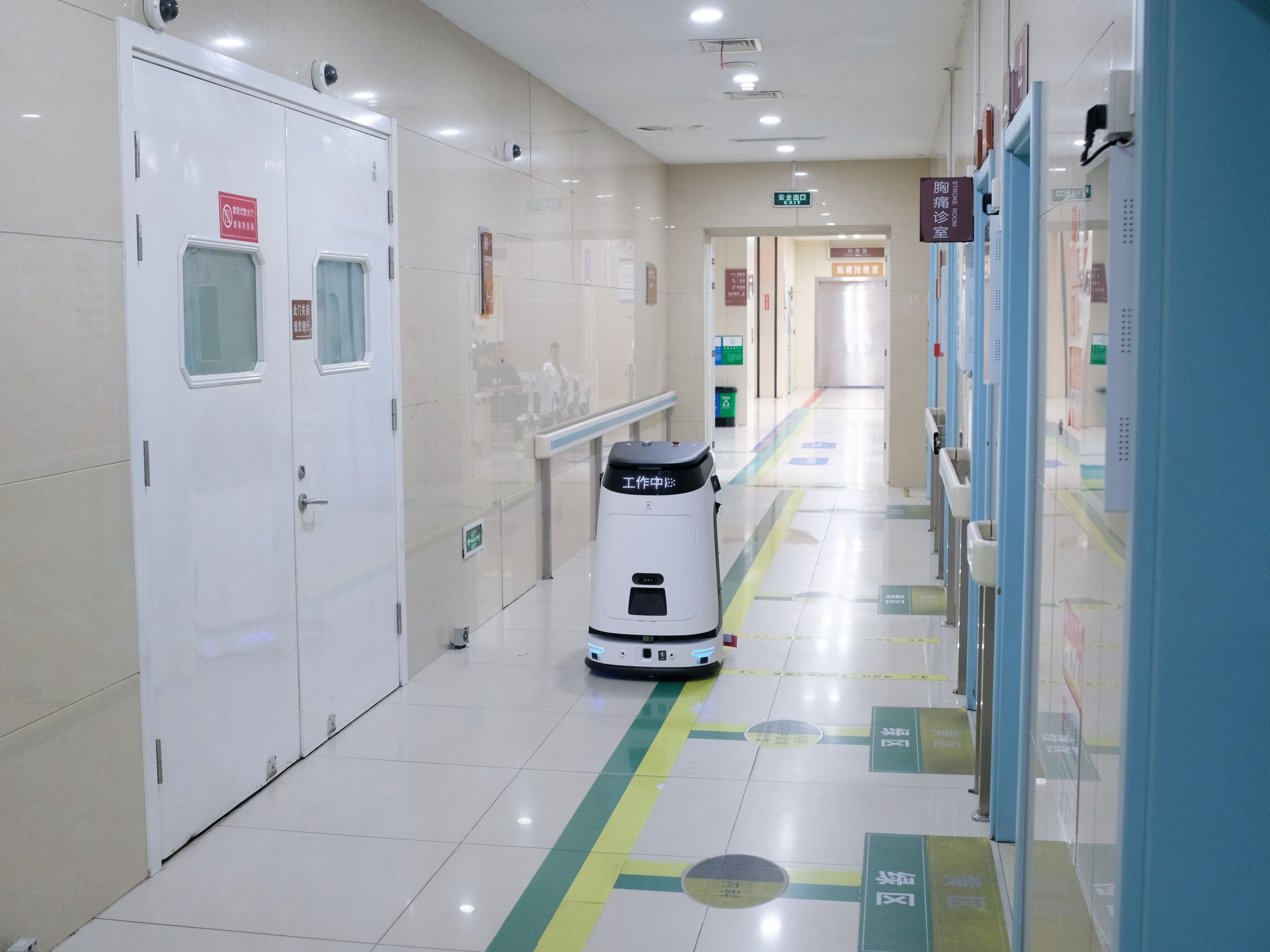
The evolution of cleaning technology has transformed how businesses maintain their facilities, with modern industrial floor scrubber solutions leading the charge in operational efficiency. These advanced machines have revolutionized commercial cleaning practices by combining powerful cleaning capabilities with smart automation features. Today's industrial environments demand more than traditional mopping methods, requiring sophisticated equipment that can handle large surface areas while maintaining consistent cleaning standards. The integration of robotic technology and intelligent systems has created a new generation of floor maintenance solutions that reduce labor costs while improving cleaning outcomes.
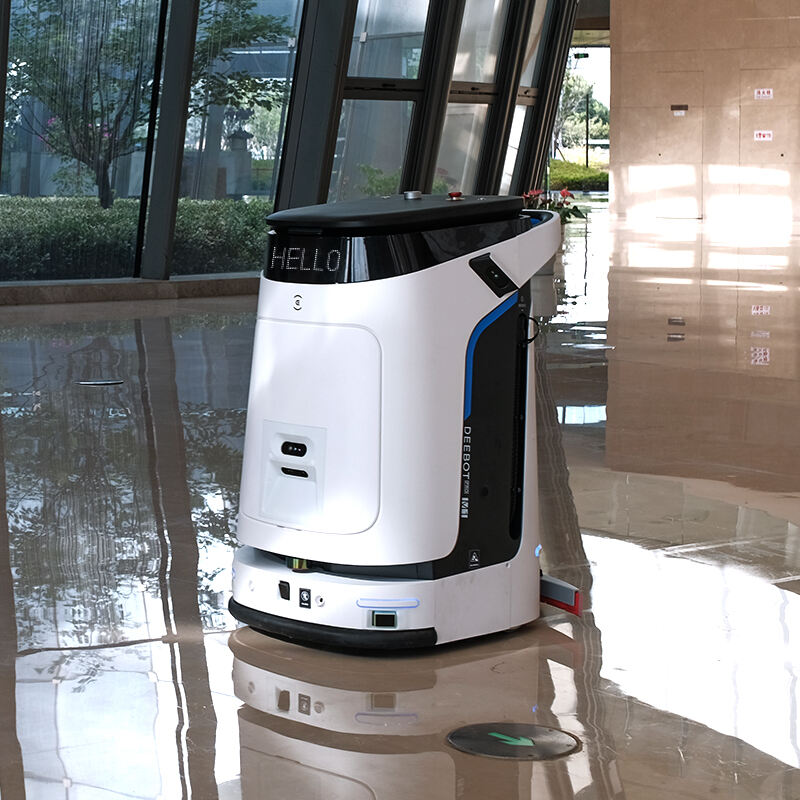
Revolutionary Robotic Cleaning Systems
Autonomous Navigation Technology
Contemporary robotic floor scrubbers utilize advanced sensor arrays and mapping algorithms to navigate complex industrial environments without human intervention. These systems employ laser detection and ranging technology to create detailed facility maps, enabling precise cleaning patterns that optimize coverage while avoiding obstacles. The integration of artificial intelligence allows these machines to learn facility layouts over time, improving efficiency with each cleaning cycle. Smart navigation ensures consistent cleaning results across warehouses, manufacturing floors, and retail spaces.
Machine learning capabilities enable these robotic systems to adapt to changing environmental conditions and operational requirements. Advanced path planning algorithms calculate the most efficient cleaning routes, reducing operational time while maximizing battery life. Real-time obstacle detection prevents collisions and ensures safe operation in busy industrial environments. These technological advances have made autonomous cleaning systems reliable alternatives to traditional manual cleaning methods.
Intelligent Cleaning Algorithms
Modern industrial floor scrubber units incorporate sophisticated cleaning algorithms that adjust scrubbing pressure, water flow, and chemical dispensing based on surface conditions. These systems analyze floor types, soil levels, and traffic patterns to optimize cleaning performance for specific areas. Adaptive cleaning technology ensures thorough soil removal while minimizing resource consumption and reducing environmental impact. Advanced sensors monitor cleaning effectiveness in real-time, automatically adjusting parameters to maintain consistent results.
Predictive maintenance features built into these intelligent systems monitor component wear and performance degradation, alerting maintenance teams before issues affect cleaning quality. Data analytics capabilities provide detailed cleaning reports and performance metrics, enabling facility managers to optimize cleaning schedules and resource allocation. Remote monitoring capabilities allow supervisors to track cleaning progress and adjust operations from centralized control systems.
Enhanced Cleaning Performance Features
Multi-Surface Cleaning Capabilities
Advanced floor scrubbing technology now accommodates diverse flooring materials found in modern industrial facilities, from polished concrete to specialized coatings. Variable brush pressure systems automatically adjust to surface hardness, preventing damage while ensuring effective soil removal. Specialized brush designs handle textured surfaces, grouted areas, and anti-slip coatings that challenge traditional cleaning equipment. These versatile machines eliminate the need for multiple specialized cleaning tools.
Chemical dispensing systems precisely control cleaning solution concentration based on soil conditions and surface requirements. Integrated water recycling technology reduces waste while maintaining cleaning effectiveness throughout extended operation cycles. High-efficiency filtration systems separate cleaned water from soil particles, extending solution life and reducing environmental impact. These features make modern scrubbers suitable for food processing facilities, healthcare environments, and other specialized applications.
Extended Runtime and Efficiency
Battery technology improvements have significantly extended operational periods for cordless industrial floor scrubber models, with some units providing continuous cleaning for eight hours or more. Lithium-ion power systems offer consistent performance throughout discharge cycles, maintaining scrubbing effectiveness even as battery levels decrease. Fast-charging capabilities minimize downtime between cleaning sessions, supporting multiple-shift operations in busy facilities. Energy management systems optimize power consumption to maximize cleaning coverage per charge cycle.
Large-capacity solution tanks reduce refilling frequency during extended cleaning operations, while efficient water recovery systems maximize cleaning solution utilization. Variable speed controls allow operators to balance cleaning thoroughness with operational efficiency based on soil conditions and time constraints. These efficiency improvements translate to reduced labor costs and improved cleaning consistency across large facilities.
Integration with Facility Management Systems
IoT Connectivity and Remote Monitoring
Internet of Things integration enables seamless connectivity between cleaning equipment and facility management platforms, providing real-time operational data and performance analytics. Cloud-based monitoring systems track cleaning schedules, equipment utilization, and maintenance requirements across multiple locations. Mobile applications allow facility managers to monitor cleaning progress, adjust schedules, and receive maintenance alerts from anywhere. This connectivity supports data-driven decision making for cleaning operations optimization.
Automated reporting systems generate detailed cleaning logs and compliance documentation required for regulated industries such as pharmaceuticals and food processing. Integration with building management systems enables coordinated cleaning schedules that minimize disruption to operations while maintaining hygiene standards. Remote diagnostic capabilities allow technical support teams to troubleshoot issues without on-site visits, reducing downtime and maintenance costs.
Predictive Maintenance and Analytics
Advanced diagnostic systems continuously monitor component performance and wear patterns, predicting maintenance needs before equipment failures occur. Machine learning algorithms analyze operational data to identify optimization opportunities and recommend schedule adjustments for improved efficiency. Preventive maintenance scheduling based on actual usage patterns reduces unexpected downtime while extending equipment lifespan. These predictive capabilities help facilities maintain consistent cleaning standards while controlling operational costs.
Performance analytics provide insights into cleaning effectiveness, resource utilization, and cost per square foot cleaned, enabling facilities to benchmark and improve operations. Historical data analysis reveals cleaning patterns and helps identify areas requiring additional attention or modified cleaning protocols. Integration with inventory management systems automates consumable ordering and tracks chemical usage for cost control and regulatory compliance.
Environmental and Sustainability Benefits
Water Conservation Technology
Modern cleaning technology emphasizes water conservation through efficient recovery systems and recycling capabilities that significantly reduce consumption compared to traditional cleaning methods. Advanced filtration systems enable multiple reuse cycles of cleaning solutions, minimizing waste water generation while maintaining cleaning effectiveness. Precise water dispensing controls eliminate waste while ensuring adequate soil suspension and removal. These conservation features support sustainability goals while reducing operational costs.
Closed-loop water systems prevent contaminated water from entering drain systems, supporting environmental compliance in sensitive facilities. Smart sensors monitor water quality throughout cleaning cycles, automatically refreshing solutions only when necessary to maintain cleaning standards. Low-moisture cleaning options reduce drying time and minimize slip hazards in high-traffic areas. Water usage monitoring provides detailed consumption data for sustainability reporting and cost analysis.
Chemical Reduction and Safety
Precise chemical dispensing systems reduce cleaning solution consumption while maintaining effective soil removal, minimizing environmental impact and exposure risks. Automated dilution controls ensure consistent cleaning solution strength, eliminating waste from over-concentration while preventing inadequate cleaning from under-dilution. Some advanced systems utilize electrolyzed water technology, reducing dependence on traditional chemical cleaners. These innovations support worker safety while maintaining rigorous cleaning standards.
Integrated safety features include automatic chemical shutoff systems and spill containment to protect operators and facility occupants. Enclosed chemical handling systems minimize exposure during refilling operations, while clear labeling and monitoring systems prevent mixing errors. Documentation systems track chemical usage for regulatory compliance and safety reporting requirements. These safety enhancements make industrial floor scrubber operations safer for all facility personnel.
Cost-Effectiveness and Return on Investment
Labor Cost Reduction
Automated cleaning systems significantly reduce labor requirements for floor maintenance, allowing facilities to reallocate personnel to higher-value activities while maintaining cleaning standards. Consistent cleaning performance eliminates variability associated with manual cleaning methods, ensuring reliable results regardless of operator experience or availability. Reduced supervision requirements lower management overhead while automated scheduling ensures cleaning occurs as planned without manual intervention.
Training requirements for automated systems are minimal compared to traditional cleaning methods, reducing onboarding costs and improving operational flexibility. Standardized cleaning protocols eliminate performance variations between different operators, ensuring consistent results across all shifts and cleaning cycles. These labor efficiencies typically provide return on investment within two to three years for most commercial applications.
Operational Efficiency Gains
Extended operational hours enabled by robotic systems allow cleaning during off-peak periods, minimizing disruption to business operations while maintaining hygiene standards. Faster cleaning cycles and optimized routes reduce total cleaning time compared to manual methods, enabling more frequent cleaning or coverage of larger areas with existing resources. Reduced equipment maintenance requirements lower operational costs while improving reliability and availability.
Automated consumable management reduces inventory carrying costs while preventing cleaning delays due to supply shortages. Energy-efficient operation reduces utility costs compared to traditional cleaning equipment, while water conservation features lower water and sewage expenses. Performance monitoring capabilities enable continuous optimization of cleaning operations for maximum cost-effectiveness.
FAQ
What types of facilities benefit most from robotic floor scrubbers
Large-scale facilities such as warehouses, manufacturing plants, retail stores, hospitals, and educational institutions see the greatest benefits from robotic floor scrubbing technology. These environments typically have extensive floor areas requiring regular cleaning, making automation cost-effective. Facilities with consistent layouts and predictable cleaning requirements are ideal candidates for robotic systems. Operations requiring 24/7 cleaning coverage or those facing labor shortages particularly benefit from automated solutions.
How do modern floor scrubbers handle different types of flooring materials
Contemporary industrial floor scrubber systems feature adjustable brush pressure and specialized brush designs to accommodate various flooring materials safely and effectively. Advanced sensors detect surface hardness and adjust cleaning parameters automatically to prevent damage while ensuring thorough cleaning. Different brush types can be installed for specific applications, from soft brushes for delicate surfaces to aggressive brushes for heavily soiled industrial floors. Chemical dispensing systems also adjust concentration based on surface requirements and soil conditions.
What maintenance is required for robotic cleaning systems
Routine maintenance includes daily emptying of recovery tanks, cleaning filters, and checking brush condition, similar to traditional equipment. Weekly maintenance involves more thorough cleaning of internal components and inspection of sensors and navigation systems. Predictive maintenance features monitor component wear and alert operators to potential issues before they cause downtime. Professional service visits are typically required quarterly for comprehensive system checks and software updates.
How do these systems ensure consistent cleaning quality
Advanced sensors continuously monitor cleaning effectiveness and automatically adjust pressure, speed, and chemical concentration to maintain consistent results. GPS and mapping technology ensure complete coverage without missing areas or excessive overlap. Quality control systems track cleaning performance and generate reports documenting compliance with established standards. Real-time monitoring allows immediate adjustment of parameters when conditions change, maintaining consistent cleaning quality throughout the entire facility.